Destinations Morocco Marrakesh

Marrakesh.

31° N · 7° W Morocco

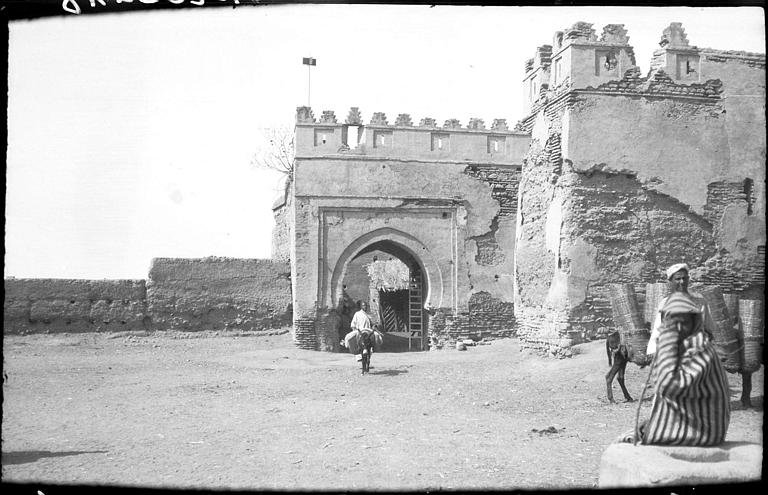
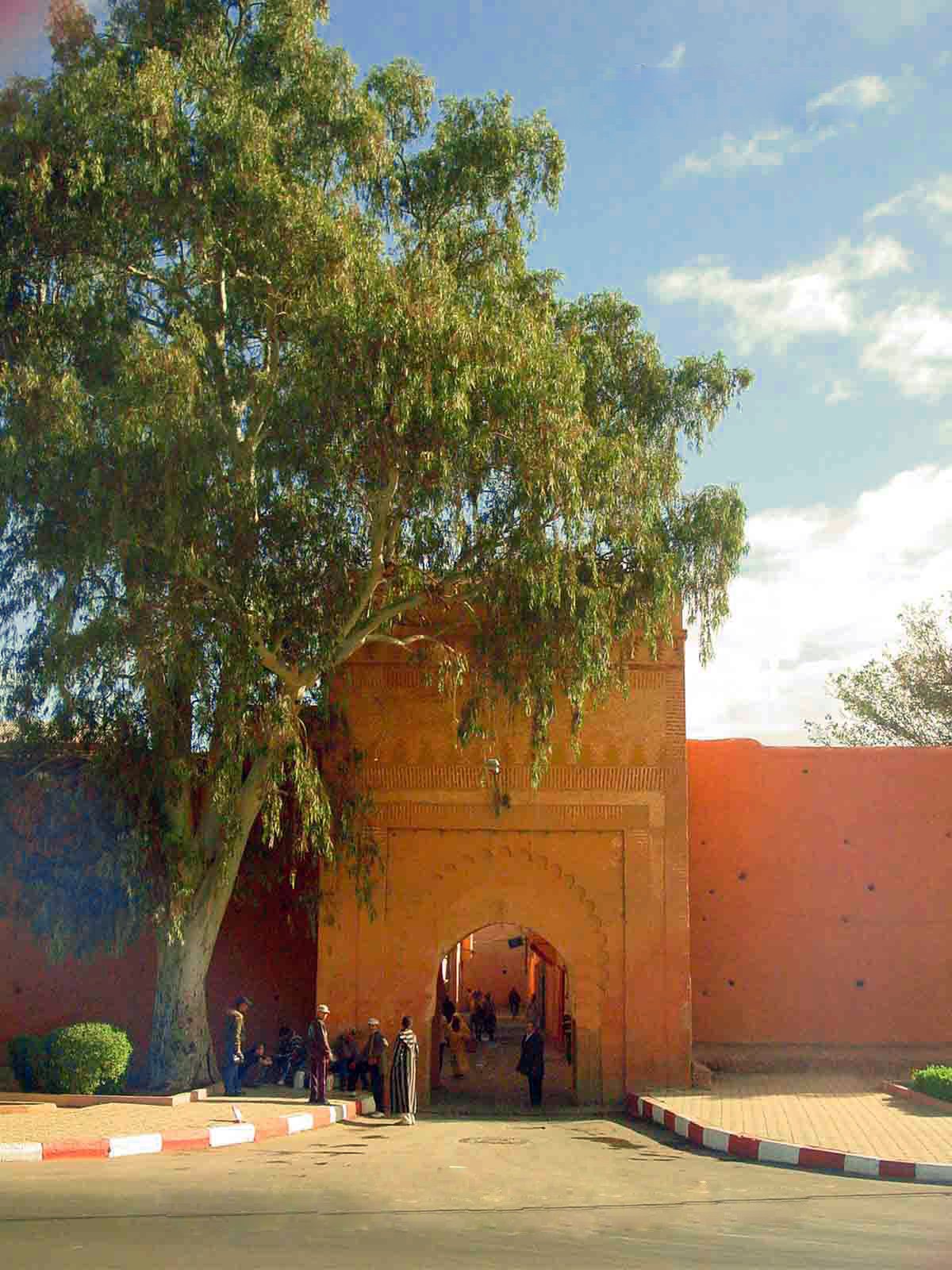
The first thing that hits you in Marrakesh is the sound: a low, rhythmic thrum of snake-charmer flutes, metalworkers’ hammers, and the call to prayer ricocheting off 12 km of rose-red ramparts. Only then comes the color—saffron, indigo, vermilion—spilling from pyramids of spice and dye vats so saturated they seem to vibrate against the cobalt sky. Morocco’s southern capital isn’t merely visited; it’s inhaled.

Listen to the guide — 47 min Open the map
Marrakesh, Morocco
Marrakesh · Morocco
35
attractions
3–5 days
days suggested
Spring (March–May) & Autumn (Oct–Nov)
best season
EN · EN
narration

03 Top tickets in Marrakesh.

Book ahead

Curated from places in this city. Same price as official sites.

Marrakech: Private Guided Half-Day City Tour
Majorelle Garden
Marrakech: Private Guided Half-Day City Tour
4.8 from €34
Shopping in the Souks of Marrakech: Private Medina Walking Tours
Jemaa El-Fnaa
Shopping in the Souks of Marrakech: Private Medina Walking Tours
4.8 from €19.86
Half Day Guided Tour in Marrakech History & Culture
Bahia Palace
Half Day Guided Tour in Marrakech History & Culture
5.0 from €24
Marrakech City Tour: Private Custom-Made
Majorelle Garden
Marrakech City Tour: Private Custom-Made
4.7 from €24.49
Marrakech Private Shopping Tour in the Souks with Local Guide
Jemaa El-Fnaa
Marrakech Private Shopping Tour in the Souks with Local Guide
4.9 from €19.86
Marrakech: Medina Souks Guided Walking Tour
Jemaa El-Fnaa
Marrakech: Medina Souks Guided Walking Tour
4.6 from €21.59

Prices shown are indicative — final pricing and availability are confirmed at checkout. Audiala may receive a commission from bookings made via these links.

01 An introduction

synthesized from 240+ sources ·

MThe first thing that hits you in Marrakesh is the sound: a low, rhythmic thrum of snake-charmer flutes, metalworkers’ hammers, and the call to prayer ricocheting off 12 km of rose-red ramparts. Only then comes the color—saffron, indigo, vermilion—spilling from pyramids of spice and dye vats so saturated they seem to vibrate against the cobalt sky. Morocco’s southern capital isn’t merely visited; it’s inhaled.

Behind the carnival of Jemaa el-Fna, where storytellers still draw halqa circles every dusk, the city keeps quieter time. In the Mellah, tinsmiths solder teapots that will travel farther than most passports; in Guéliz, art-deco cafés pour single-origin Moroccan arabica while galleries hang canvases priced in dirhams and crypto. Between the two, 11th-century Almoravid foundations support 21st-century rooftop bars, and a single alley can smell simultaneously of cedar shavings, orange-blossom water, and diesel exhaust.

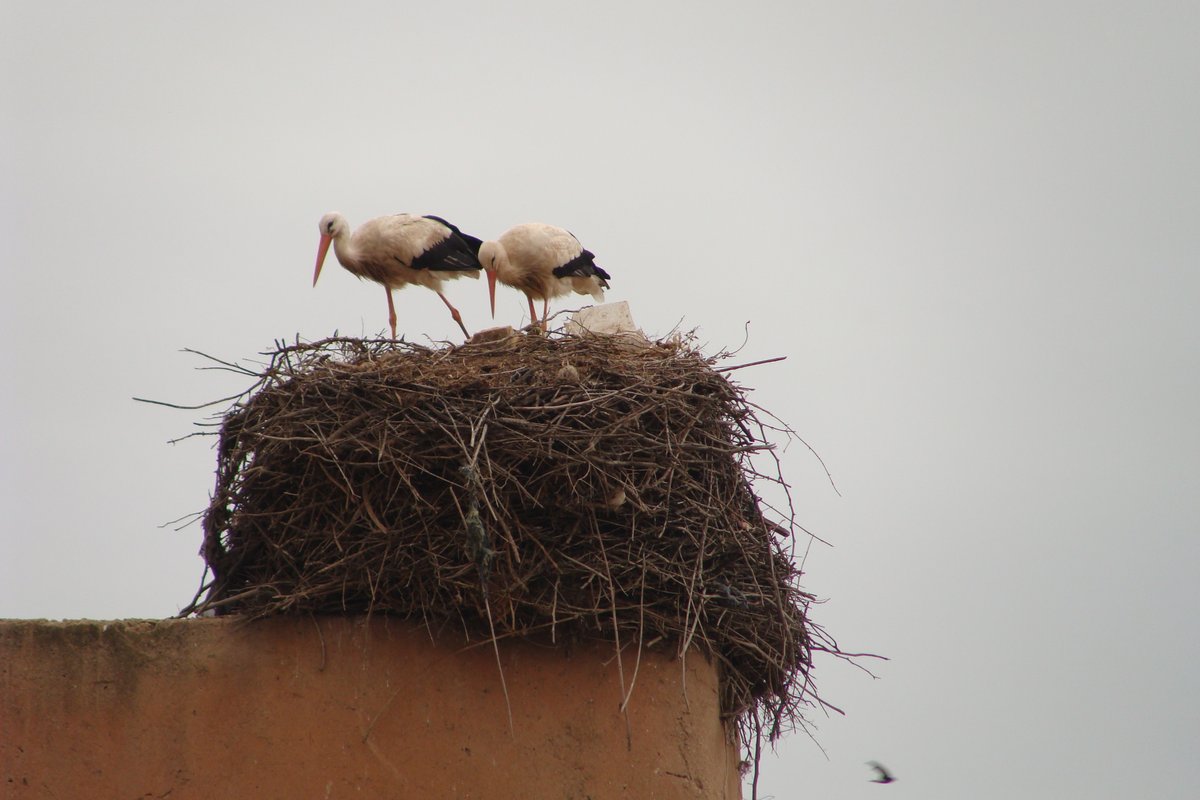
Marrakesh rewards the vertically curious: climb the ruined ramparts of El Badi at dawn and you’ll count five minarets, two storks on every crenellation, and the snow-dusted Atlas catching first light like a wall of burnished pewter. Descend, and you can breakfast on harcha still warm from the griddle, bargain for vintage Berber fibulae before noon, and be inside Yves Saint Laurent’s electric-blue villa by cocktail hour. The city’s genius is that it never makes you choose between ancient and now—it simply layers them, tile upon tile, until the pattern feels inevitable.

Budget Friendly Photography Hotspot

02 Why Marrakesh.

What makes this place worth slowing down for.

Cinematic Medina

Inside the 10 km UNESCO walls, every turn reveals a new set: the Saadian Tombs’ honeycomb marble, the Ben Youssef Madrasa’s cedar kaleidoscope, and Jemaa el-Fna where storytellers, snake-charmers, and orange-juice stalls trade places under shifting daylight.

Garden Reverie

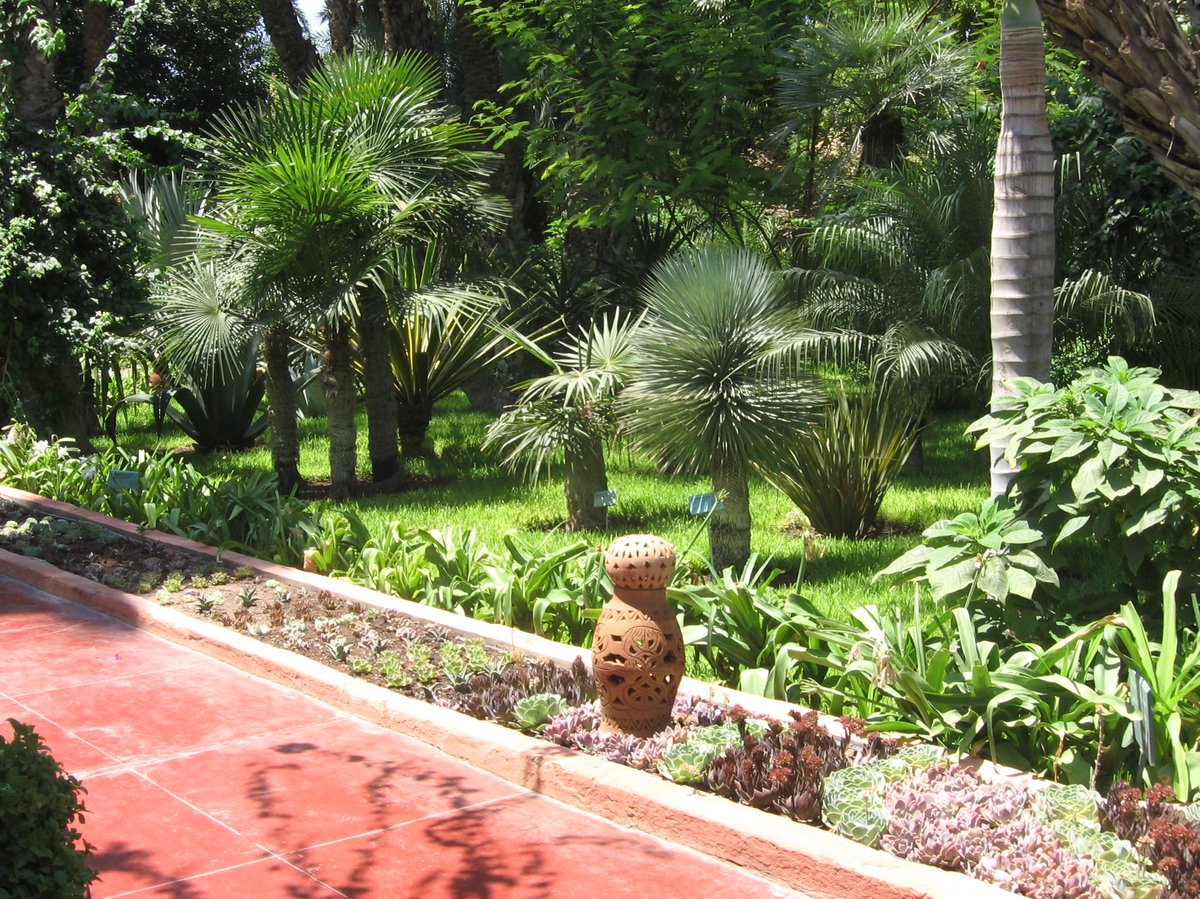
The cobalt-blue Jardin Majorelle hides YSL’s archive of Berber robes, while the 8-hectare Cyber Parc offers free Wi-Fi beneath 19th-century palms—proof that Marrakesh plants ideas as carefully as it plants flora.

Nighttime Souk-Feast

As dusk folds into the medina’s brick vaults, smoke from lamb-meshoui pits drifts toward rooftop bars in Guéliz; Gueliz’s Sidi Ghanem district now hosts wine-pairing dinners inside former warehouses, 15 minutes from the drumbeats of the square.

Palace as Palimpsest

The 19th-century Bahia Palace isn’t a single story—it’s 160 rooms of successive dynasties carving their initials into cedar, marble, and zellige, while next door the ruined El Badi’s storks watch over a 400-year-old argument with time.


03 Places to Visit.

Not every monument, just the ones we'd walk you past ourselves.
Majorelle Garden
Editor's pick
01 · Place

Majorelle Garden

The Mémorial Yves Saint Laurent in Marrakesh, Morocco, serves as a lasting tribute to one of the most influential fashion designers of the 20th century, Yves…

Jemaa El-Fnaa
02 Place

Jemaa El-Fnaa

Jemaâ El Fna, the bustling and historic square at the heart of Marrakesh, Morocco, stands as a vibrant testament to the city's rich cultural and historical…

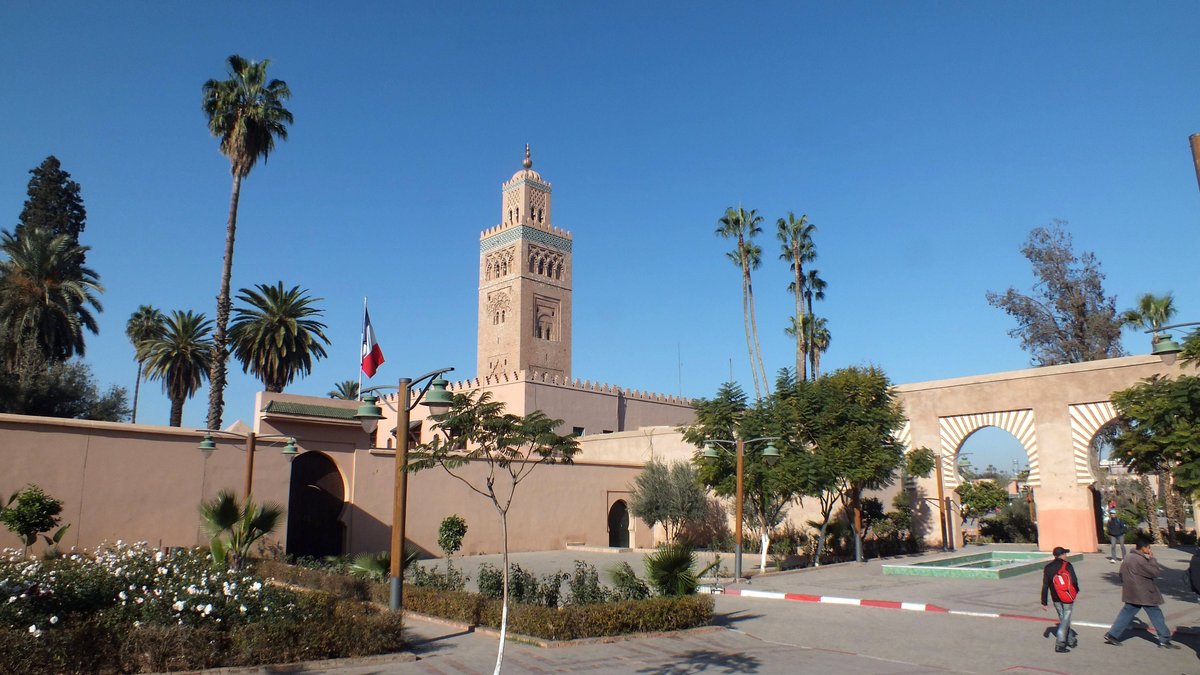
Kutubiyya Mosque
03 Place

Kutubiyya Mosque

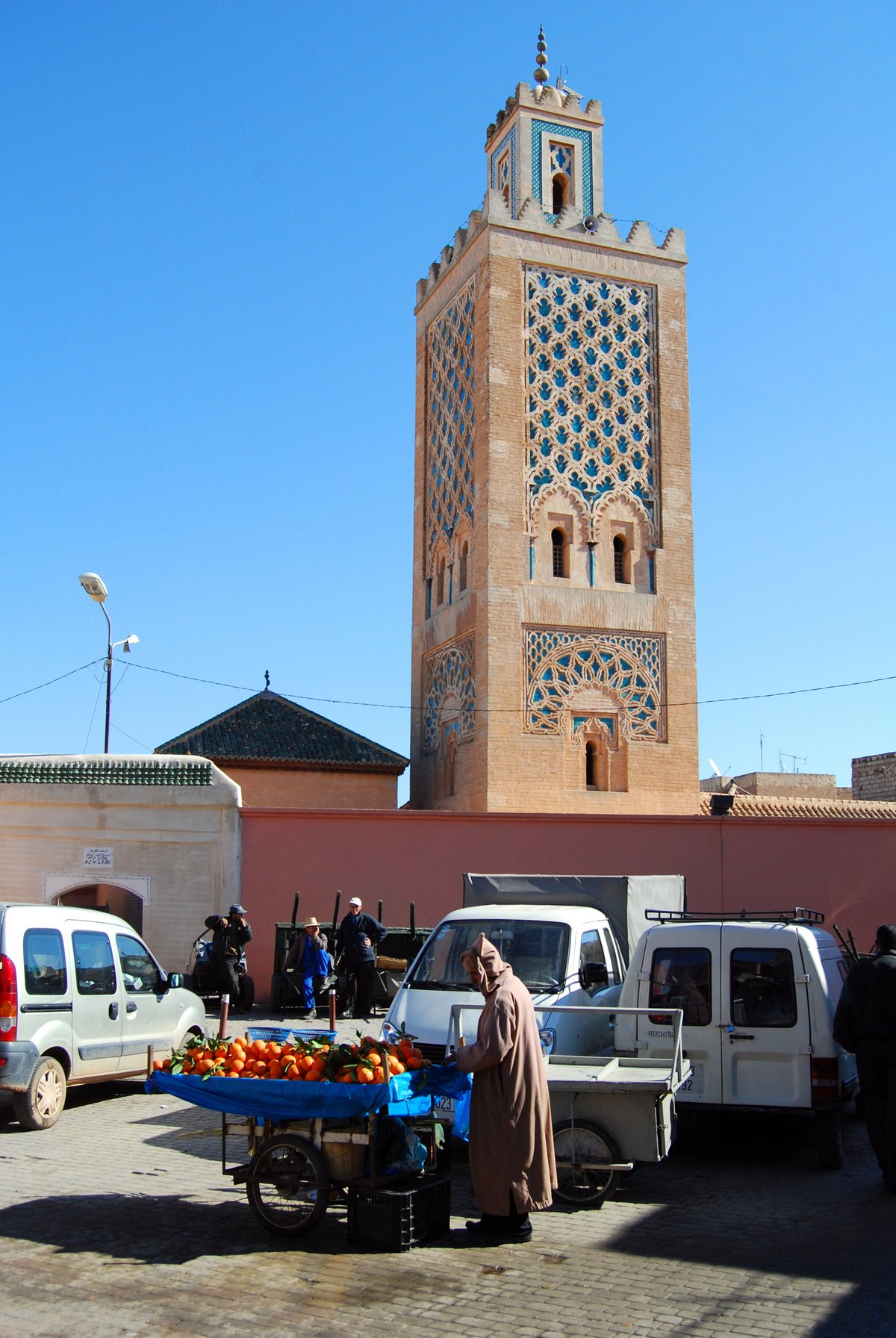
The Koutoubia Mosque in Marrakesh, Morocco, stands as a resplendent testament to the city's rich cultural and architectural heritage.

04 Place

Marrakech Museum

Nestled in the vibrant heart of Marrakech’s UNESCO World Heritage-listed medina, the Marrakech Museum stands as a beacon of Morocco’s rich cultural tapestry,…

Bahia Palace
05 Place

Bahia Palace

Nestled in the heart of Marrakesh, Morocco, Palais Bahia (قصر الباهية) stands as a testament to the nation's rich cultural and architectural heritage.

06 Place

El Badi Palace

El Badi Palace in Marrakesh stands as one of Morocco’s most iconic historical landmarks, offering a fascinating window into the country’s rich Saadian…

07 Place

Menara Gardens

Nestled just outside the historic medina of Marrakech, the Menara Gardens stand as one of Morocco’s most iconic and cherished historical sites.

All 51 places in Marrakesh

04 Neighborhoods.

Where to wander, by quarter — each with its own rhythm.

01

Medina

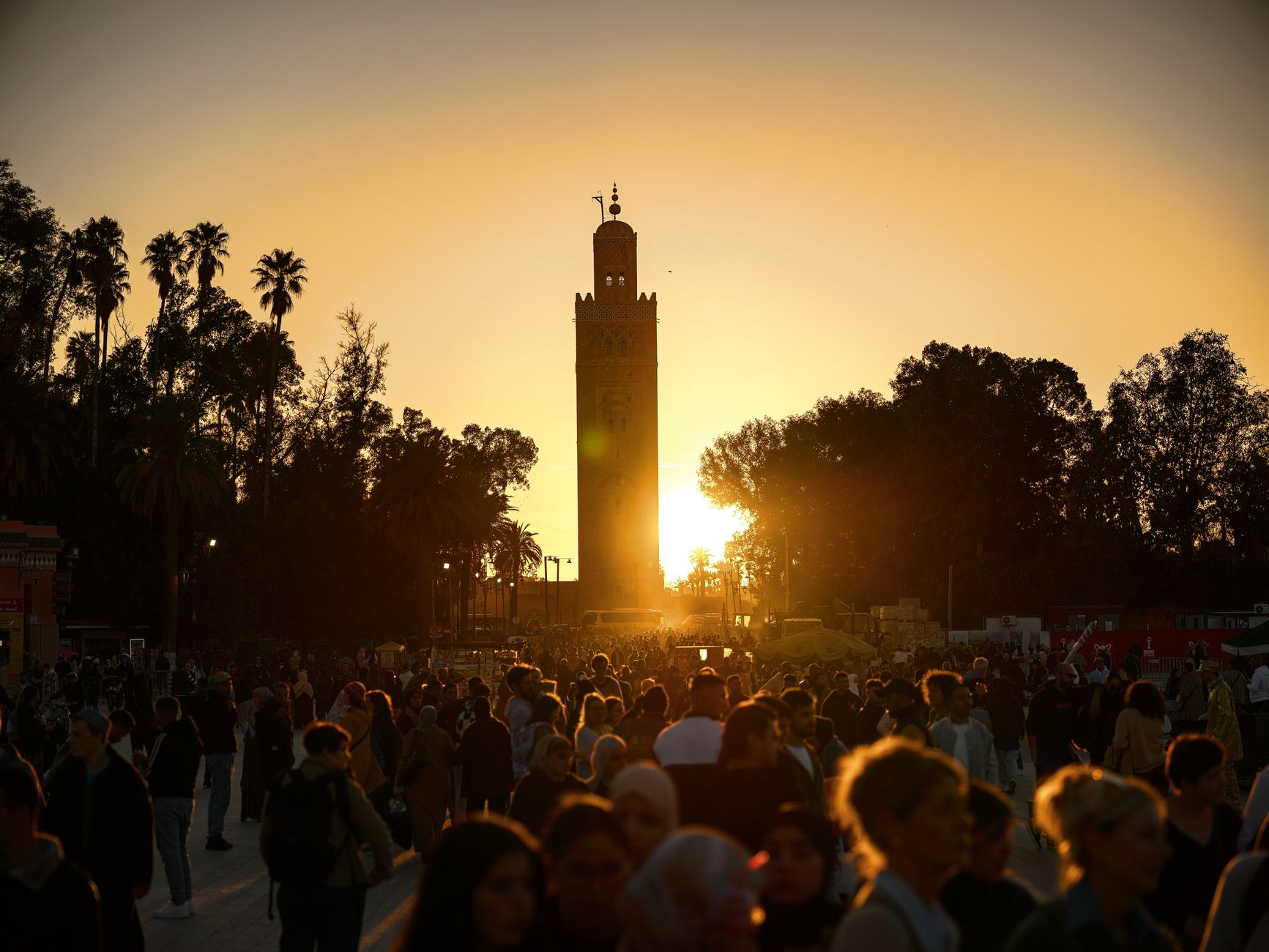
The UNESCO-listed core is a 600-hectare tangle of fondouks, madrasas, and dye houses where GPS signals vanish but the scent of cumin acts as compass. Anchor yourself at the 77-metre Koutoubia minaret, then dive: left for the kissarias (covered markets) selling gold thread, right for the henna souk where artists paint brides with syringes finer than fountain pens. Nights belong to Jemaa el-Fna, whose 1,070-year-old square still stages free Gnawa concerts, tooth-pullers, and snail broth that tastes of fennel and Atlantic fog.

02

Mellah & Kasbah

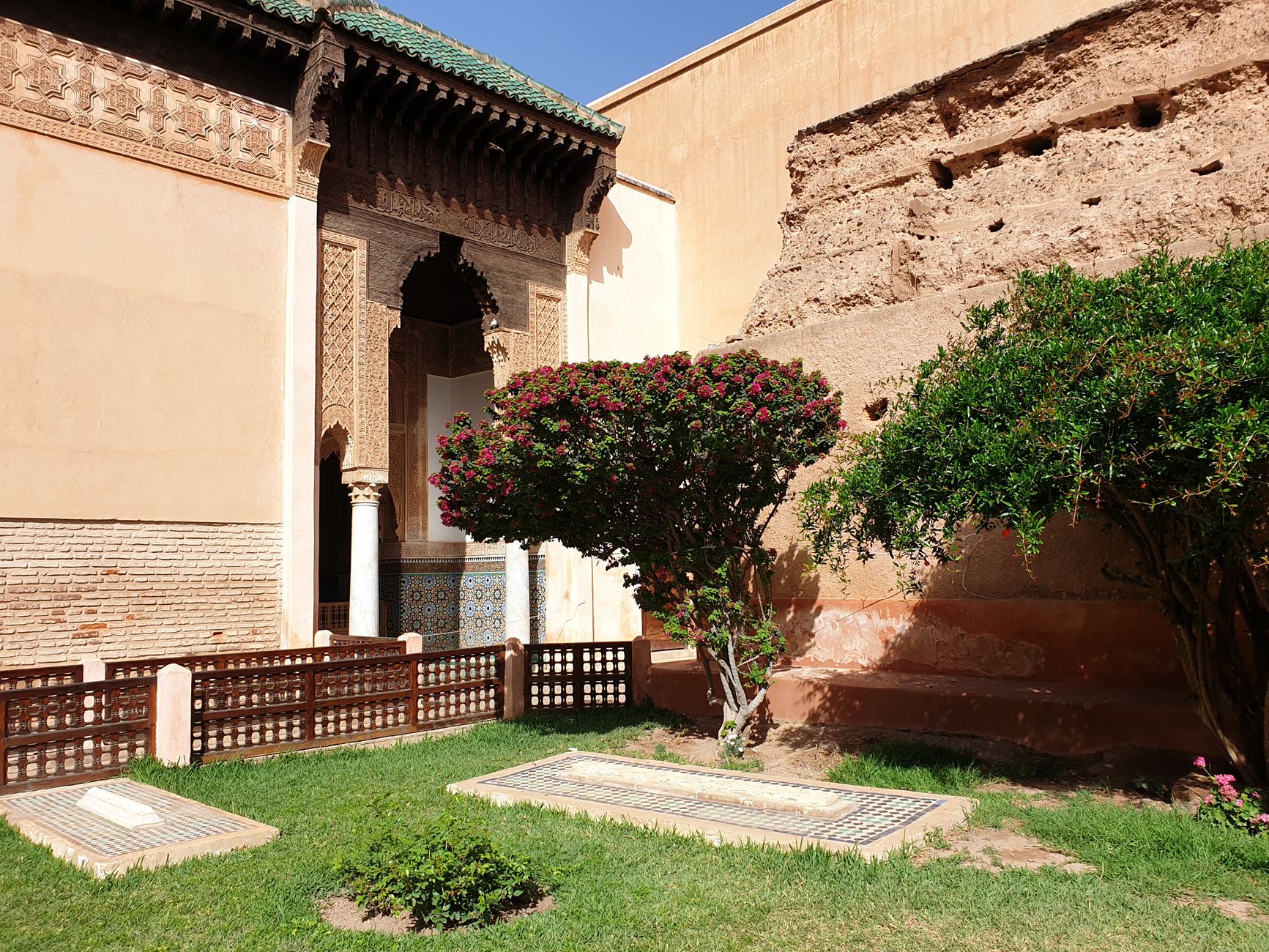
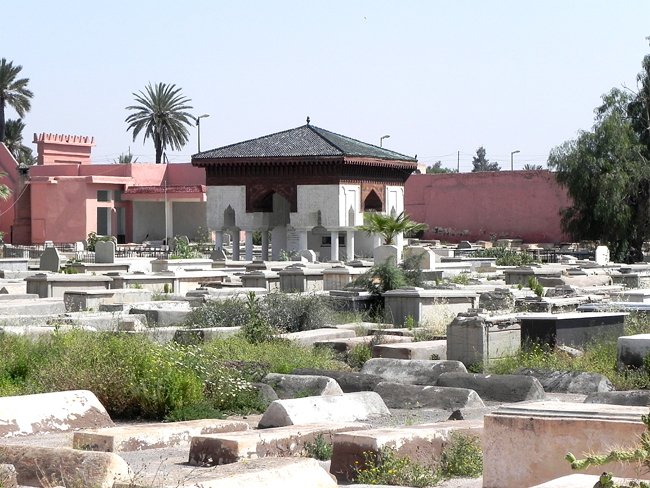
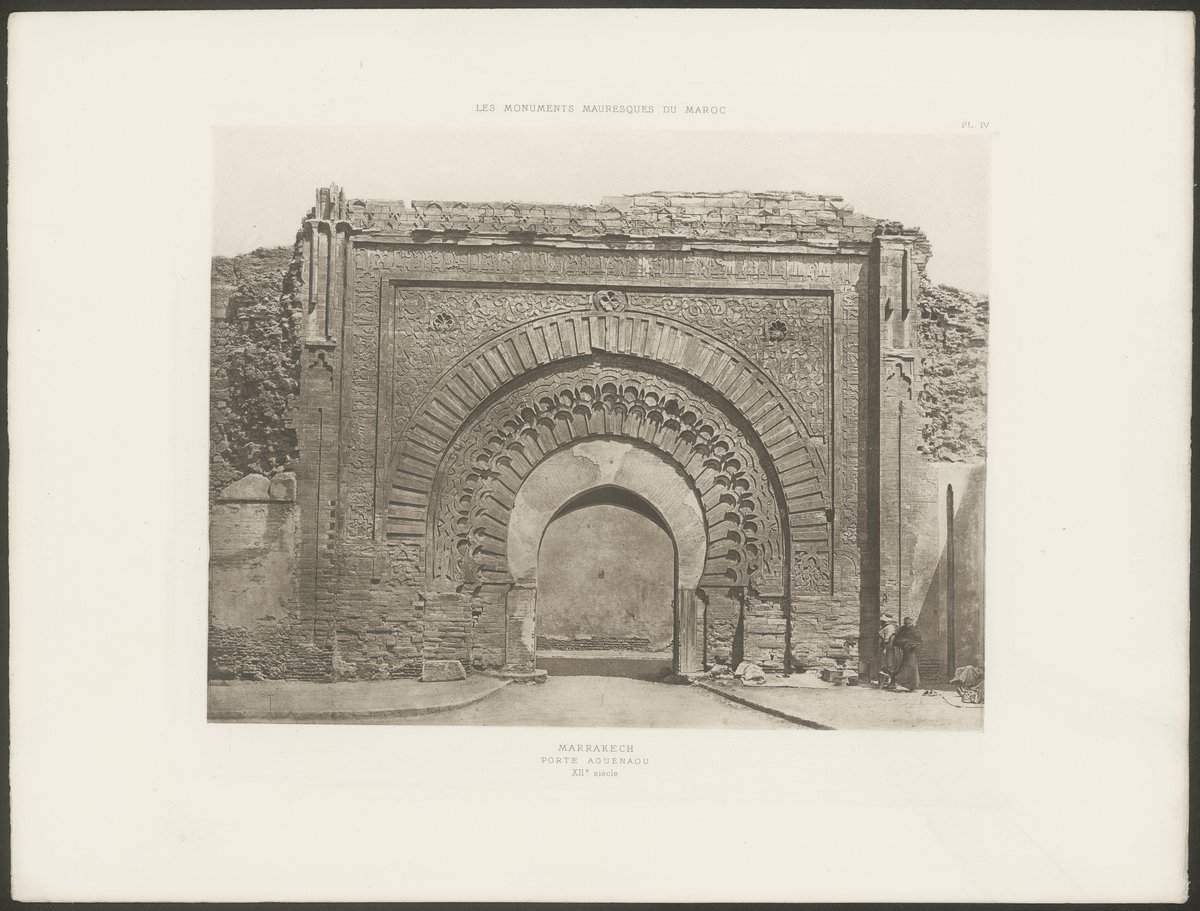
South-east of the souks, the old Jewish quarter narrows into lanes where silversmiths hammer Star-of-David motifs into tea trays and the Miaara cemetery holds 600-year-old white-washed tombs. The Mellah market overflows with saffron from Taliouine, rose petals from Kalaat M’Gouna, and strings of chilies that glow like glass beads. Climb past Bab Agnaou into the Kasbah for government bakeries selling 1-dirham khobz baked in government-built communal ovens, and the Saadian Tombs where marble columns were trucked in from Carrara in 1591.

03

Guéliz

Built by the French in 1917, this grid of jacaranda-lined avenues is where Marrakshis actually live: pharmacists gossip over 4-dh espresso at Café de la Poste, skateboarders rattle past the 1932 art-deco Comptoir des Mines gallery, and Friday couscous queues spill out of family restaurants at noon. Come at dusk for rooftop art openings, then bar-hop along Rue de la Liberté where speakeasies hide behind unmarked steel doors and DJs spin chaabi edits until the first call to prayer.

04

Sidi Ghanem

A 10-minute drive west, this former industrial zone has morphed into Morocco’s answer to Brooklyn: former warehouses house Hassan Hajjaj’s technicolor studio, Hesperis micro-roastery perfuming the street with Guatemalan beans, and concept stores selling raffia lampshades that look like extraterrestrial jellyfish. Most showrooms close for Friday prayers, so time your visit midweek when designers offer mint tea and will happily customize a camel-wool djellaba in 48 hours.

05

Hivernage

The palm-fringed strip between the medina and the train station is where global money lands: five-star hotels with lobby fountains choreographed to Oum Kalthoum, casinos that swap dirhams for euros at 2 a.m., and Palais Jad Mahal where belly dancers perform under a 12-metre Swarovski chandelier. Even the olive vendors wear suits; the scent is less spice, more Tom Ford oud.

06

Majorelle & Palmeraie

North of Guéliz, the 12-acre Majorelle Garden shocks the retina with cobalt walls and cacti taller than Atlas lions. Next door, the YSL museum rotates 5,000 haute-couture garments in a building whose terrazzo is the exact shade of a Berber bride’s henna. Continue 20 minutes to the Palmeraie: 100,000 date palms, polo estates, and hot-air balloons lifting at dawn so passengers can watch the sun gild the snowcaps while desert foxes dart below the basket.

Historical Timeline

Red Walls, Rising Minarets: A Thousand Years of Marrakesh

From Almoravid camp to global stage—how a desert trading post became Morocco’s beating heart

Pre-Foundation
1058

Almoravids Seize Aghmat

The warrior-monks took the old river-market town 30 km south, giving them a treasury of gold dust and slaves. Aghmat’s narrow lanes and Friday mosque suddenly felt too cramped for an empire that now stretched to the Sahara. Rumors of a new capital on the open Haouz plain began to circulate among the leather-workers and salt-carriers.

Almoravid Capital
c. 1070-72

Marrakesh Is Founded

Abu Bakr ibn Umar drove wooden stakes into the red earth and renamed the campsite ‘Murakush’. Within months the first palm-frond souqs rose beside the dried riverbed, and Aghmat’s merchants were ordered to move north. The city’s red walls weren’t up yet, but the dust was already the color of dried blood.

1122-23

Red Walls Encircle the City

Sultan Ali ibn Yusuf imported stone from the Atlas and paid 60,000 dinars for a 9-kilometre circuit. Twenty gates, each tall enough for loaded camels, snapped shut every dusk with iron clangs that still echo in the medina’s alley names. Overnight Marrakesh became the Fortress of the South.

Almohad Capital
1147

Almohads Storm the Almoravid Palace

Abd al-Mu’min’s Berber horsemen rode through the breached Bab Aylan gate, torched the teak-beamed palace and ordered every minaret demolished. The Almoravid gold chandeliers melted into the courtyard sand; the new rulers wanted no trace of the wine-drinking kings they had overthrown.

1157-58

Koutoubia Minaret Pierces the Sky

Built from the same red sandstone it still dominates at 77 metres, the tower’s four copper balls once glittered with Andalusian metalwork. Calligraphers’ stalls clustered at its base—hence ‘Booksellers’ Mosque’—and the adhān carried across caravans loaded with Sudanese gold. Every later Moroccan minaret quotes its proportions.

1184

Averroes Courts the Almohad Court

Ibn Rushd arrived from Córdoba to debate theology with the caliph; his commentaries on Aristotle were copied by lamplight in the kasabah library. He died here in 1198, his Andalusian accent still echoing in the olive groves of Menara. Marrakesh became a node in the map of medieval science.

Marinid Decline
1256

Ibn al-Banna, Mathematician of the Red City

Born inside the walls that glowed russet at sunset, he calculated square roots on palace tiles and published tables merchants used from Timbuktu to Granada. His nisba ‘al-Marrakushi’ tethered the city’s name to every astronomical calculation in the late Islamic west.

Saadian Golden Age
c. 1525

Saadians Make Marrakesh Royal Again

Sharifian commanders rode south from the Draa Valley, chasing the last Wattasid tax-collectors out of the kasbah. The city’s pulse quickened: new silver coins were struck, Andalusian refugees opened tile workshops, and the smell of saffron rice drifted from palace kitchens for the first time in two centuries.

1564-65

Ben Youssef Madrasa Opens

130 student cells wrapped around a cedar-carved courtyard where water ran cold even in August. Professors earned 25 dinars a month, twice a mason’s wage, and the murmur of Qur’an recitation spilled into the souk through latticed windows. It remained the Maghreb’s largest Qur’anic college for three centuries.

1578

Battle of the Three Kings Brings Ransom Gold

When the Saadian army crushed the Portuguese at al-Qasr al-Kabir, wagonloads of European armour, cannon and Christian captives rolled through Bab Doukkala. Sultan al-Mansur’s share of the ransom—400,000 gold ducats—funded the marble fountains that still whisper in the Saadian Tombs.

1593

El Badi Palace Gleams with Onyx

360 rooms faced in Italian marble and capped with Sudanese gold leaf; the courtyard pool stretched 135 m, large enough to float silk barges. African ivory, Andalusian crystal and 50 kg of Colombian gold financed it. Within a century the stones were stripped bare by jealous successors—today only storks patrol the hollow vaults.

Saadian Crisis
1603

Plague and Palace Intrigue

Ahmad al-Mansur died of plague in the gilded qubba he had built; his three sons hired rival European gunners to blast open the city gates. Grain convoys from the Sus valley were torched, prices tripled, and the marble of El Badi was already pried loose to pay mercenaries. Marrakesh’s golden age curdled into civil war.

Alaouite Era
1669

Alaouites Enter the Red City

Moulay Rachid rode through the breached Agdal gate, ending the Saadian bloodline. Fez became the dynastic capital, but Marrakesh kept its Friday pulpits and the tax revenue from caravans loading saffron and slaves. The city slipped into a quieter role: southern garrison, saint-shrine town, and summer retreat for olive merchants.

1867

Bahia Palace Rises for a Vizier

Grand Vizier Si Moussa began a labyrinth of 150 rooms cooled by tadelakt fountains and scented with orange-blossom water. His son Ba Ahmed added stolen marble from El Badi, creating courtyards where light bounces like liquid copper. Secretaries, concubines and 800 servants kept the clocks running—time here moved to the rhythm of whispered petitions.

Protectorate
9 Sept 1912

French Tricolor over the Kasbah

Colonel Mangin’s Senegalese tirailleurs marched through Bab Agnaou after the Battle of Sidi Bou Othman, ending the brief tribal republic declared by Ahmed al-Hiba. Resident-General Lyautey kept the red walls intact but punched avenues through the palm grove, laid a railway to the coast, and introduced electric globes that made the night souk glow green.

1917

Saadian Tombs Rediscovered

Aerial photographers spotted a patterned garden behind blocked-up alleyways; within weeks French archaeologists pried open the sealed passageway. Inside lay 66 marble-slatted tombs, their Carrara still polished after three centuries of darkness. Overnight the cemetery became a pilgrimage for Romantic Europe—proof that Marrakesh could bury and yet keep its kings.

1923

Majorelle Plants a Blue Garden

French painter Jacques Majorelle bought a four-acre plot north of the medina and diverted an Atlas irrigation channel to feed bamboo, cacti and bougainvillea. In 1937 he trademarked the cobalt that now bears his name—electric, almost audible, against the desert light. The garden became both studio and sanctuary from the monochrome kasbah.

1919

Guéliz Grid Rises Beyond Walls

French planners drew compass-straight boulevards across the palm grove, creating Africa’s first Garden-City suburb. Art-deco post offices, cinemas with folding seats and the Café de France served wine—illegal inside the medina. Marrakesh learned to live in two speeds: donkey-clock within walls, Renault-time beyond.

Modern Morocco
2 Mar 1956

Independence Drums in Djemaa el-Fna

Sultan Muhammad V spoke from the municipal theatre as fireworks cracked above the Koutoubia. The Glaoui’s banners were hauled down; for the first time in 44 years the red flag with its green pentagram flew alone. Storytellers replaced colonial military bands, and the square reverted to oral parliament.

1980

Yves Saint Laurent Saves Majorelle

Returning to a city he first saw in 1966, the designer and partner Pierre Bergé bought the abandoned garden minutes before developers could bulldoze it for a hotel. They replanted the cacti, repainted the villa its trademark blue, and turned the studio into a museum of Berber jewellery—fashion’s love letter to a colour that photographs like no other.

1985

UNESCO Crowns the Medina

The 700-hectare walled city—1,600 zig-zagging alleys, 200 mosques, 25 hammams—was declared World Heritage. Conservation cash arrived, but so did coach parties. The inscription both froze and animated the medina: zellige workshops expanded while rooftop satellite dishes multiplied like white doves.

28 Apr 2011

Bomb Shatters Café Argana

A suitcase exploded under the argan-oil fondue pots, killing 17 and spraying glass across the square. Within hours storytellers were back on their wooden crates, refusing silence. The blast cracked tourist confidence but also welded locals to the idea that Jemaa el-Fna would not be scripted by terror.

27 Jun 2013

World Leaders Sign Marrakesh Treaty

Delegates from 186 states chose the Palais des Congrès to adopt the first copyright reform for the blind. The treaty—now ratified in 80 countries—means every printed text can be translated into Braille or audio without permission. Marrakesh, city of storytellers, became the place where words were set free.

Nov 2016

COP22 Turns the City Green

Blue-tinted solar panels carpeted the Saadian rifle range while delegates debated how to keep the planet below 1.5 °C. For two weeks the smell of mint tea mixed with jet fuel as 40,000 negotiators filled riads with PowerPoints. Marrakesh brokered carbon deals beneath the same stars that once guided trans-Saharan caravans.

8 Sept 2023

Earthquake Cracks the Atlas

A 6.8-magnitude rupture 72 km southwest shook minaret lamps and toppled adobe shrines. In the medina, chunks of Koutoubia’s 12th-century plaster fell like red confetti. Within days craftsmen were mixing sand and lime to stitch the walls back together—proof that Marrakesh’s oldest skill is renewal, not nostalgia.

Present Day

06 Who lived here.

The people who shaped the city — and were shaped by it.

Almoravid ruler c. 1009–1106

Yusuf ibn Tashfin

Co-founded Marrakesh and made it his capital

He ringed the new city with the first mud-brick walls and died inside them; today you can stand under the only Almoravid building left—his Qubba—and feel the pulse of his 11th-century gamble.

Philosopher & physician 1126–1198

Averroes (Ibn Rushd)

Worked in the Almohad court and died in Marrakesh

In the shadow of the Koutoubia minaret he debated whether reason could coexist with revelation; the city’s new Meydene theatre now projects his astronomical diagrams onto its walls.

Painter 1886–1962

Jacques Majorelle

Settled and garden-built in Marrakesh

He planted bamboo and cacti to paint their shadows, then accidentally invented a blue so electric that Yves Saint Laurent bought the garden just to keep the colour alive.

Fashion designer 1936–2008

Yves Saint Laurent

Owned and restored Majorelle Garden; museum opened here

Each December he fled Paris for Marrakesh, sketching collections under the jacarandas; the city still dresses in his silhouettes every night at the Musée YSL’s silver-screen patio.

Memoirist born 1953

Malika Oufkir

Born in Marrakesh

Her childhood began in the royal palace gardens before two decades of imprisonment; she rewrote her story in the same medina alleys where she once played hide-and-seek.

Painter & novelist born 1959

Mahi Binebine

Born here; returned to live and work in 2002

He paints charcoal silhouettes against saffron backgrounds, hanging them in a restored riad off Derb Dabachi—visitors ring the bell and he often answers, brush still in hand.

08 Where to Eat.

Where locals actually book dinner — not the tourist menus.

Riad O Marrakech Riad O Marrakech
Local favorite €€

Riad O Marrakech

4.9 View
Le Bistro Arabe - Moroccan Jazz Restaurant in Marrakech Le Bistro Arabe - Moroccan Jazz Restaurant in Marrakech
Fine dining €€€€

Le Bistro Arabe - Moroccan Jazz Restaurant in Marrakech

4.8 View
HENNA LOUAYA HENNA LOUAYA
Cafe €€

HENNA LOUAYA

4.8 View
Les Borjs de la Kasbah Les Borjs de la Kasbah
Local favorite €€

Les Borjs de la Kasbah

4.8 View
Lotus Chef Lotus Chef
Local favorite €€

Lotus Chef

4.8 View
Waffez anna Waffez anna
Quick bite €€

Waffez anna

5 View

09 Insider tips.

Small things that change how the city treats you.

Order tanjia once

The clay-pot beef stew is cooked in hammam embers and tastes like Marrakesh itself; try it at Sahbi Sahbi or Le Tanjia.

Use kech.cab counter

At Menara Airport, prepay your taxi at the kech.cab desk to lock the official 70 MAD day-rate and skip haggling.

Sunset rooftop rule

Medina rooftops for postcard views, Guéliz cafés for local life, Hivernage lounges for late-night glamour—pick one district per evening.

Carry small coins

Bus fare is 4 MAD, a glass of snail broth is 5 MAD, and tips of 5–10 % are expected; coins keep negotiations friendly.

Friday couscous signal

Many restaurants serve couscous only on Friday—plan ahead if you want the full weekly ritual, not a tourist substitute.

Beat the square heat

Visit Jemaa el-Fna at 8 a.m. for breakfast sfenj and empty photo lanes; return after 6 p.m. when the storytellers light up.

10 Watch.

A few films to set the scene before you go.

Moroccan Food Tour in Marrakesh, Morocco: Ultimate Guide 🇲🇦
Chad and Claire

Moroccan Food Tour in Marrakesh, Morocco: Ultimate Guide 🇲🇦

Traveling to MARRAKECH in 2025? You Need to Watch This Travel Guide!
Tales From The Road

Traveling to MARRAKECH in 2025? You Need to Watch This Travel Guide!

MARRAKECH: Things to know as a first-time visitor to Morocco
Finding Gina Marie – Travel the World

MARRAKECH: Things to know as a first-time visitor to Morocco

Eating Our Way Through Marrakech, Morocco (the most unique food tour we've ever done)
Sammy and Tommy

Eating Our Way Through Marrakech, Morocco (the most unique food tour we've ever done)

12 Frequently asked

Is Marrakesh worth visiting?

Yes—Marrakesh layers 1,000-year-old Islamic architecture, living street theatre, and a 2026 art calendar that rivals European capitals. One morning you’re inside a 12th-century Almoravid dome, by night you’re at a rooftop jazz bar overlooking the Atlas.

How many days do I need in Marrakesh?

Three full days cover the medina palaces, Majorelle-to-Sidi-Ghanem art circuit, and a half-day Atlas escape. Add two more if you want to balloon at dawn or surf-day-trip to Essaouira.

Is Marrakesh safe for solo female travellers?

Generally yes, but dress modestly in the medina, avoid empty derbs after midnight, and use registered taxis or Uber-like Careem at night. The city’s café culture means streets stay populated until late in Guéliz and Hivernage.

What’s the cheapest way from Menara Airport to the medina?

Bus 19 costs 30 MAD and runs every 20 minutes until 21:30. For 70 MAD day-rate, the kech.cab prepaid taxi counter is faster and still budget-friendly.

Which Marrakesh food can I only eat here?

Tanjia marrakchia—beef shank, cumin, and preserved lemon slow-cooked in ember-heated clay jars inside hammams. Order it at Le Tanjia or the women-run Sahbi Sahbi.

When is the best weather in Marrakesh?

March–May and October–November give 24 °C days and cool Atlas views. July–August hits 45 °C; December–January is sunny but chilly at night (8 °C).

Ready to book?

03 Top tickets in Marrakesh.

Book ahead

Curated from places in this city. Same price as official sites.

Marrakech: Private Guided Half-Day City Tour
Majorelle Garden
Marrakech: Private Guided Half-Day City Tour
4.8 from €34
Shopping in the Souks of Marrakech: Private Medina Walking Tours
Jemaa El-Fnaa
Shopping in the Souks of Marrakech: Private Medina Walking Tours
4.8 from €19.86
Half Day Guided Tour in Marrakech History & Culture
Bahia Palace
Half Day Guided Tour in Marrakech History & Culture
5.0 from €24
Marrakech City Tour: Private Custom-Made
Majorelle Garden
Marrakech City Tour: Private Custom-Made
4.7 from €24.49
Marrakech Private Shopping Tour in the Souks with Local Guide
Jemaa El-Fnaa
Marrakech Private Shopping Tour in the Souks with Local Guide
4.9 from €19.86
Marrakech: Medina Souks Guided Walking Tour
Jemaa El-Fnaa
Marrakech: Medina Souks Guided Walking Tour
4.6 from €21.59

Prices shown are indicative — final pricing and availability are confirmed at checkout. Audiala may receive a commission from bookings made via these links.

13Before you go

Practical Information

Flight

Getting There

Fly into Marrakesh Menara Airport (RAK), 3 km south of the medina; the ALSA bus 19 runs every 20 min (30 MAD) from 06:00–21:30. If you land at Casablanca Mohammed V (CMN), take the ONCF train to Casa-Voyageurs, then the 2 h 40 min direct train to Marrakesh station.

Directions transit

Getting Around

Marrakesh has no metro or tram; 45 ALSA bus lines cross the city for 4 MAD single rides. Buy the Ikhlas Card (15 DH) to cut fares by 17 %. Electric BRT runs 8 km from Bab Doukkala to Iziki. The official hop-on ‘Marrakesh City Tour’ bus loops the medina in 1 h 15 min with 8-language audio.

Thermostat

Climate & Best Time

Spring (Mar–May) 22–28 °C, light 30 mm rains; summer (Jun–Aug) 31–37 °C and bone-dry; autumn (Sep–Nov) 22–32 °C, best light for photography; winter (Dec–Feb) 18 °C days, 6 °C nights, occasional 30 mm showers. Book April, May, or October for ideal warmth without July’s 40 °C glare.

Translate

Language & Currency

Arabic and Amazigh are official; French is the lingua franca in restaurants and taxis. Moroccan dirham (MAD) only—exchange at airport kiosks, BMCE banks, or medina bureaux. Cards accepted in hotels and modern Guéliz cafés; carry cash for souks and taxis.

Shield

Safety

Marrakesh is broadly safe, but keep alert in Jemaa el-Fna for pickpockets and unofficial guides. Stick to lit thoroughfares after dark; save your riad’s gate name in Arabic. Tourist police: 05 24 38 46 01.

Take Marrakesh with you

47 minutes of Marrakesh,
downloaded once.

51 places, one continuous walking route. Free with your first city.

Get this guide on the app Open in browser

All Places to Visit.

51 places to discover

Majorelle Garden
Place

Majorelle Garden

Jemaa El-Fnaa
Place

Jemaa El-Fnaa

Kutubiyya Mosque
Place

Kutubiyya Mosque

Place

Marrakech Museum

Bahia Palace
Place

Bahia Palace

Place

El Badi Palace

Place

Menara Gardens

Place

Agdal Gardens

Al-Mansour Mosque
Place

Al-Mansour Mosque

Ibn Yusuf Mosque
Place

Ibn Yusuf Mosque

Place

Al-Shorafaa Mosque

Ibn Salah Mosque
Place

Ibn Salah Mosque

Saadian Tombs
Place

Saadian Tombs

Place

Bab Doukkala Grand Mosque

Place

Slat Al Azama Synagogue

Place

Al-Qita Mosque

Jewish Cemetery of Marrakech
Place

Jewish Cemetery of Marrakech

Shrob Ou Shouf Fountain
Place

Shrob Ou Shouf Fountain

Place

Mouassine Museum

Water Museum of Marrakesh
Place

Water Museum of Marrakesh

Place

Tiskiwin Museum

Dar Si Said Museum
Place

Dar Si Said Museum

Arsat Moulay Abdessalam Garden
Place

Arsat Moulay Abdessalam Garden

Oued Tensift Bridge
Place

Oued Tensift Bridge

Almoravid Koubba
Place

Almoravid Koubba

Place

Yves Saint Laurent Museum in Marrakesh

Church of the Saints Martyrs
Place

Church of the Saints Martyrs

Place

Museum of Islamic Art of Marrakech

Place

Bab Er-Robb

Place

Guéliz

Place

Marrakesh Menara Airport

Place

Marrakesh Stadium

Place

Circuit International Automobile Moulay El Hassan

Ben Youssef Madrasa
Place

Ben Youssef Madrasa

Bab Agnaou
Place

Bab Agnaou

Place

Medina of Marrakesh

Place

Sidi Bel Abbes Zawiya

Place

Zawiya of Sidi Abd El-Aziz

Dar El Bacha
Place

Dar El Bacha

Dar Cherifa
Place

Dar Cherifa

Stade El Harti
Place

Stade El Harti

Place

Bab Dukkala

Place

Bab El Khemis (Marrakech)

Bab Aghmat
Place

Bab Aghmat

Bab Ksiba
Place

Bab Ksiba

Place

Aïn Kassimou

House of Photography
Place

House of Photography

Place

Bab Debbagh

Showing 48 of 51 — search any place to jump straight there.