Historical Background
Ayameike Station was first opened in 1923 by the Osaka Electric Tramway, during a period of rapid railway expansion in the Kansai region. Originally a provisional stop, it gained permanent status in 1924 due to increasing suburban development and demand for commuter rail services. In 1941, the station was integrated into the Kintetsu Railway network, connecting Nara with Osaka and Kyoto and supporting the city’s modernization (Wikiwand). The station’s name—meaning “Iris Pond”—reflects the area’s historical association with iris flowers, a motif that remains central to the neighborhood’s identity.
Station Visiting Hours and Ticket Information
- Operating Hours Daily from approximately 5:00 AM to midnight, in line with train schedules.
- Ticketing Purchase tickets at automated machines or staffed counters on each platform. IC cards such as ICOCA, Suica, and PiTaPa are accepted for convenient, cashless travel.
- Rail Passes Consider the Kansai Thru Pass or Kintetsu Rail Pass for unlimited travel within the region.
For fare details, visit the Kintetsu Railway official website.
Station Layout, Facilities, and Accessibility
Layout and Access
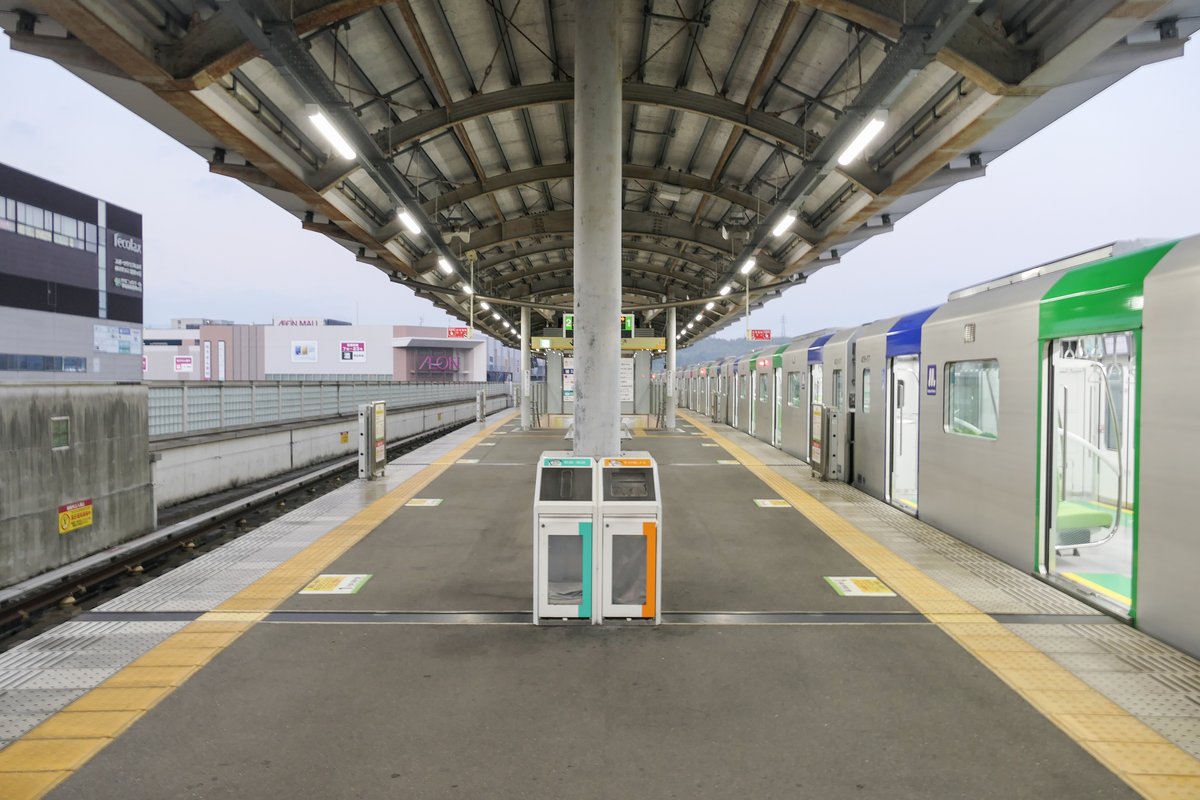
- Platforms Two ground-level side platforms, each with separate ticket gates; no internal passage between platforms.
- Accessibility Ramps and elevators are available for travelers with mobility needs. Assistance is provided by station staff during operating hours.
- Amenities Restrooms, seating areas, vending machines, and sheltered waiting zones. Note that there are no coin lockers or luggage storage facilities at Ayameike Station; use major stations like Kintetsu Nara or JR Nara for storage.
Nearby Services
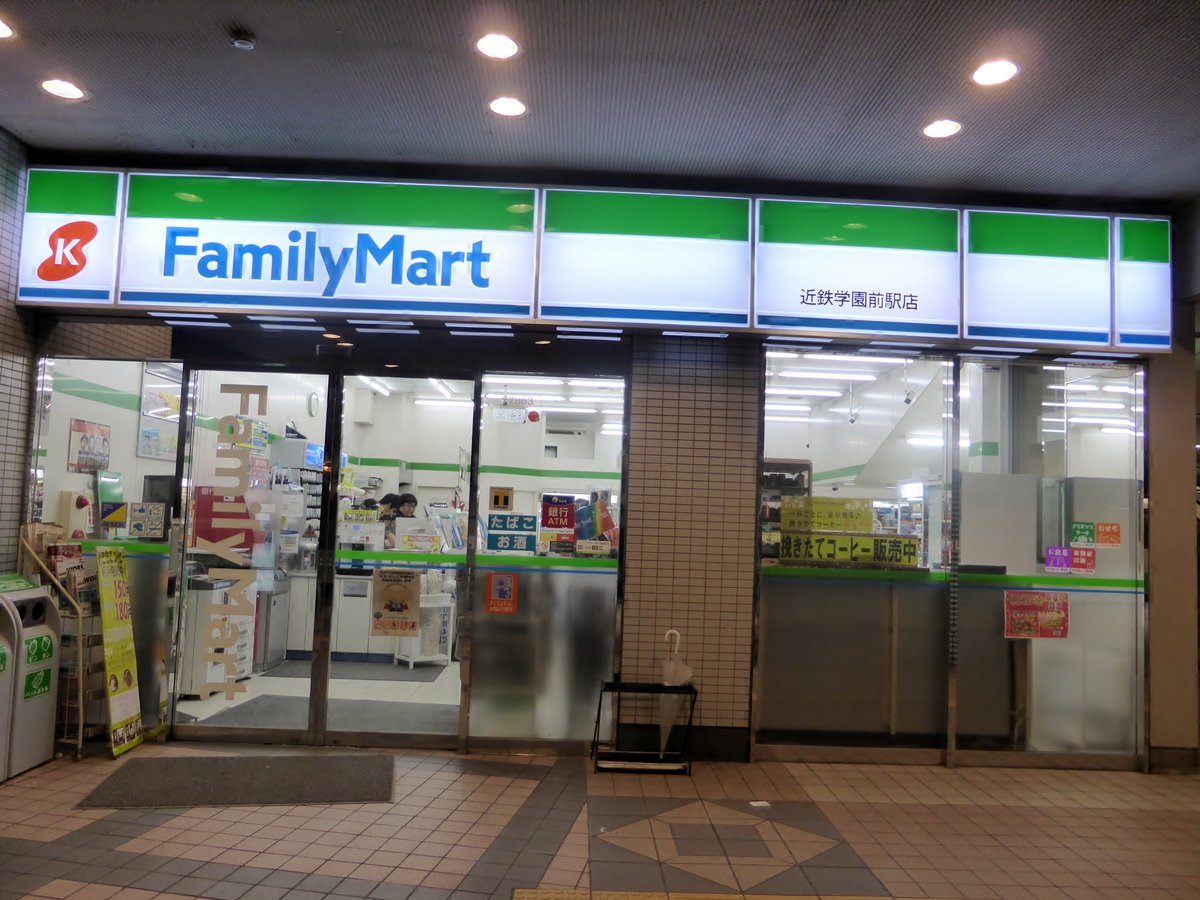
Local convenience stores, cafés, and eateries are within a short walk, making it easy to grab refreshments before exploring.
Getting There and Connections
- Rail Served by the Kintetsu Nara Line, with frequent trains to Nara, Osaka, and Kyoto.
- Distance 20.1 km from Fuse Station, 26.2 km from Osaka Namba Station.
- Adjacent Stations Gakuen-mae (west), Yamato-Saidaiji (east).
- Train Types Local and semi-express trains stop here. For rapid or limited express service, transfer at Yamato-Saidaiji or Kintetsu Nara.
- Bus Local Nara Kotsu bus routes connect the station to surrounding neighborhoods.
- Taxi Taxis are available at the station exit.
- Parking Limited short-term parking and bicycle parking are available.
Nearby Attractions and Seasonal Highlights
Ayameike Park
- Iris Blooming Season (Late May–Early June) The park’s pond is renowned for its vibrant iris flowers. During the annual iris festival, visitors can enjoy traditional music, food stalls, and tea ceremonies.
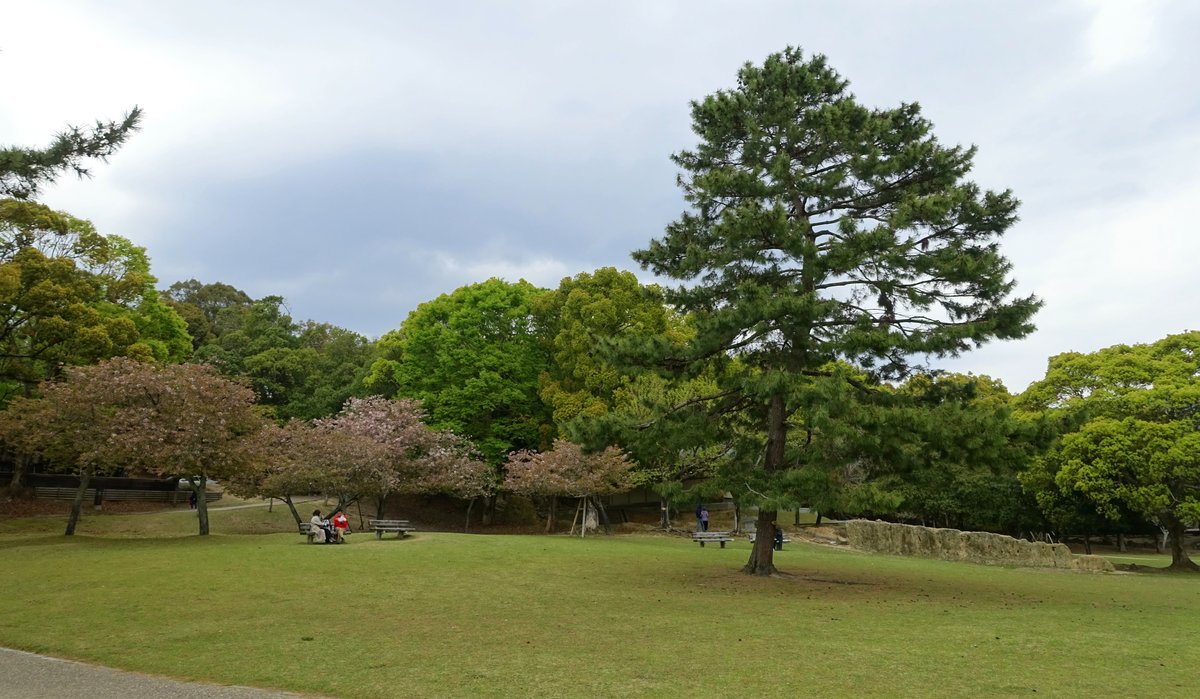
- Cherry Blossoms (Late March–Early April) Offers a quieter hanami (flower viewing) experience compared to central Nara.
- Autumn Foliage (Late October–November) Maple and ginkgo trees provide stunning fall colors.
Cultural and Historical Sites
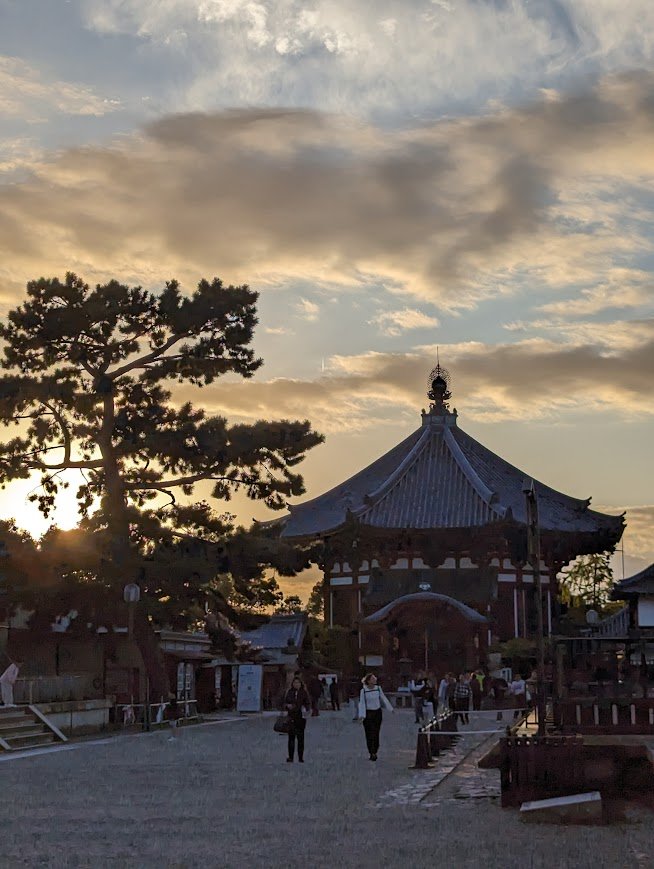
- Nara Park Home to free-roaming deer and landmarks such as Todaiji Temple and Kofukuji. Accessible by a short train and bus ride (Facts and Details).
- Todai-ji Temple Celebrated for the Great Buddha Hall, a UNESCO World Heritage site (PlanetWare).
- Kasuga Taisha Shrine Known for its lantern festivals and ancient forest setting (Japan Activity).
- Naramachi District Preserved area featuring traditional townhouses, artisan shops, and cafés (The Backpacking Family).
- Mount Wakakusa Famous for panoramic views and the Yamayaki fire festival.
Local Life
Ayameike Station sits within a residential area, offering a glimpse of daily life in contemporary Nara. Local markets, bakeries, and schools are part of the neighborhood’s charm.
Special Events and Guided Tours
- Ayameike Park Festivals Enjoy iris and cherry blossom festivals, with events such as tea ceremonies and local markets.
- Guided Tours While tours don’t depart directly from Ayameike Station, it provides easy access to tour meeting points at major stations or Nara Park (Japan Travel).
Practical Tips for Visitors
- Confirm Platform Direction As platforms are separate, check your train’s direction before entering.
- Luggage Plan to store large bags at major stations.
- IC Cards Use for seamless train and bus travel.
- Accessibility The station and park are wheelchair and stroller-friendly.
- Best Seasons to Visit Spring (cherry blossoms), early summer (irises), and autumn (foliage).
- Etiquette As Ayameike is a local area, maintain quiet and respect residents’ privacy.
Frequently Asked Questions (FAQ)
Q: What are Ayameike Station’s operating hours?
A: Approximately 5:00 AM to midnight, aligned with train schedules.
Q: Can I buy tickets at the station?
A: Yes, via automated machines or staffed counters. IC cards are accepted.
Q: Is there luggage storage?
A: No, but lockers are available at nearby major stations.
Q: How do I reach Nara Park from Ayameike Station?
A: Take the train to Kintetsu Nara Station, then walk or transfer to a local bus.
Q: Is the station accessible for travelers with disabilities?
A: Yes, with ramps, elevators, and staff assistance.
Plan Your Visit
Ayameike Station offers a gateway to Nara’s quieter side—local parks, seasonal festivals, and authentic neighborhoods—while maintaining convenient access to the city’s iconic temples and historical sites. Its accessible facilities, reliable train services, and proximity to both local and famous attractions make it an excellent starting point for exploring Nara.
For travel planning, itineraries, and real-time railway updates, use the Kintetsu Railway official website, Nara Tourism Official Site, and consider downloading travel apps like Audiala for personalized recommendations.