Historical Background of Shin-Ōmiya Station
Shin-Ōmiya Station was inaugurated in 1969 as part of Nara’s postwar urban expansion. Its establishment on the Kintetsu Nara Line supported the city’s growing residential and commercial districts while enhancing connections to Osaka and Kyoto. The station’s name, meaning “New Ōmiya,” reflects both its modernity and its strategic positioning, differentiating it from older city areas. Nara’s historical importance as Japan’s first permanent capital is echoed in the station’s proximity to ancient sites and its integration into the city’s broader rail network (Nara City Tourism Association).
Visiting Shin-Ōmiya Station: Practical Information
Visiting Hours
- Train Operations Daily, from approximately 5:00 AM to midnight.
- Station Facilities Ticket counters and shops generally open from 6:00 AM to 11:00 PM.
- Ticket Machines Available 24/7 for ticket purchase and IC card top-up.
For the most current schedules, consult the official Kintetsu Railway website or travel apps prior to your trip.
Tickets and Pricing
- Local Tickets Purchase single or return tickets at automated machines or counters.
- IC Cards Accepted cards include ICOCA, PiTaPa, and Suica, allowing for seamless tap-and-go entry.
- Sample Fares
- To Osaka Namba: ~560 yen (one way, non-reserved).
- To Kyoto (via transfer at Kintetsu Nara): ~620 yen.
- Rail Passes The Kintetsu Rail Pass and Nara 1-Day Bus Pass offer unlimited travel and are available for purchase at major stations.
Limited express services require an additional express ticket. For cost savings, consider purchasing a travel pass if visiting multiple destinations.
Accessibility
Shin-Ōmiya Station is fully barrier-free, with:
- Elevators and ramps for wheelchair and stroller access
- Tactile paving for visually impaired travelers
- Accessible restrooms
- Multilingual signage (Japanese/English) throughout the station
Station staff are available during business hours to assist passengers with special needs.
Getting There
- From Osaka Direct limited express trains from Osaka Namba take approximately 40 minutes.
- From Kyoto Take the Kintetsu Kyoto Line to Kintetsu Nara Station, then transfer to reach Shin-Ōmiya.
- Airport Access From Kansai International Airport (KIX), limousine buses reach JR Nara Station in about 90 minutes; Shin-Ōmiya is a short taxi or bus ride from there.
- Local Transit City buses and taxis are readily available at the station exit.
Nearby Attractions and Cultural Experiences
Major Sites Accessible from Shin-Ōmiya Station
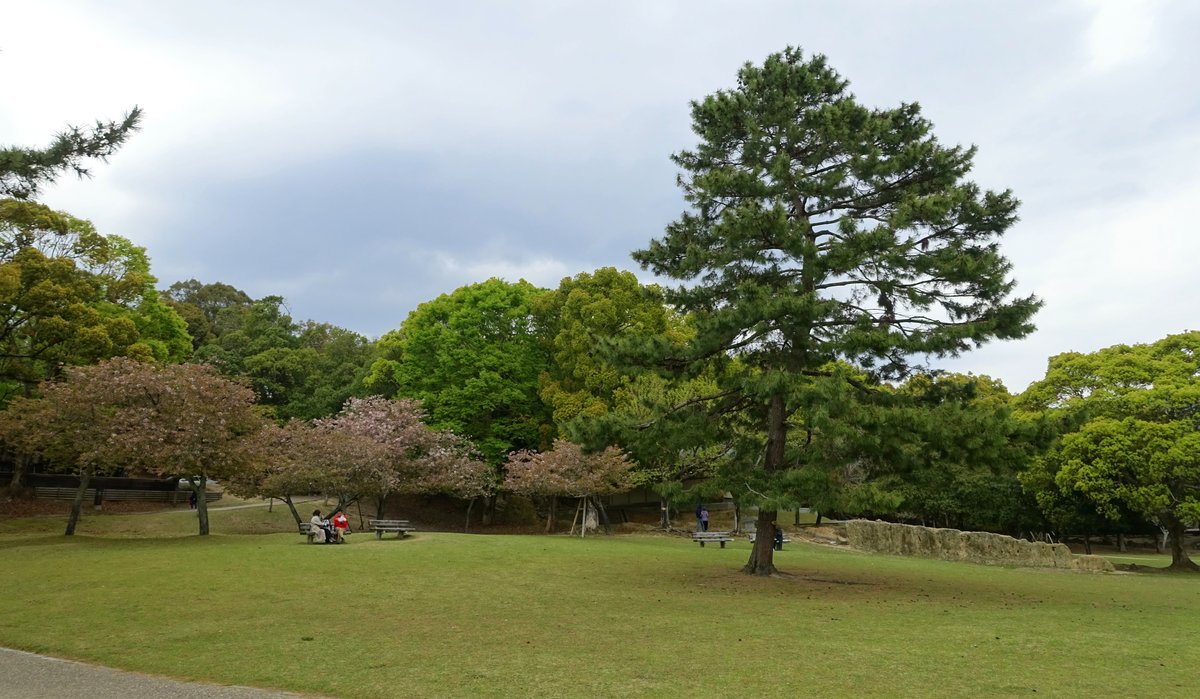
- Nara Park Home to over 1,200 free-roaming deer, open year-round with free entry. The park also houses Tōdaiji and Kōfukuji Temples.
- Tōdaiji Temple Open daily (7:30 AM–5:30 PM; admission ~600 yen), famous for the Great Buddha statue.
- Kasuga Taisha Shrine Open 6:30 AM–5:30 PM. Main shrine area is free, but inner areas may require a fee.
- Naramachi A preserved merchant district with traditional machiya houses, shops, and cafes.
- Byakugoji Temple Noted for tranquil gardens and seasonal floral displays.
Seasonal Events and Cultural Activities
- Mantoro Lantern Festival Held at Kasuga Taisha Shrine in February and August, attracting large crowds and featuring thousands of illuminated lanterns.
- Plum and Cherry Blossom Viewing Tsukigase Plum Grove is best visited in late February to March for plum blossoms.
Guided Tours and Local Experiences
Local operators offer guided walking and cycling tours departing from nearby stations. Check with the Nara City Tourism Association for schedules.
Station Facilities and Traveler Amenities
- Ticket Machines Multilingual, accepting cash and IC cards.
- Coin Lockers For luggage storage (¥300–¥700 depending on size).
- Restrooms Clean and accessible.
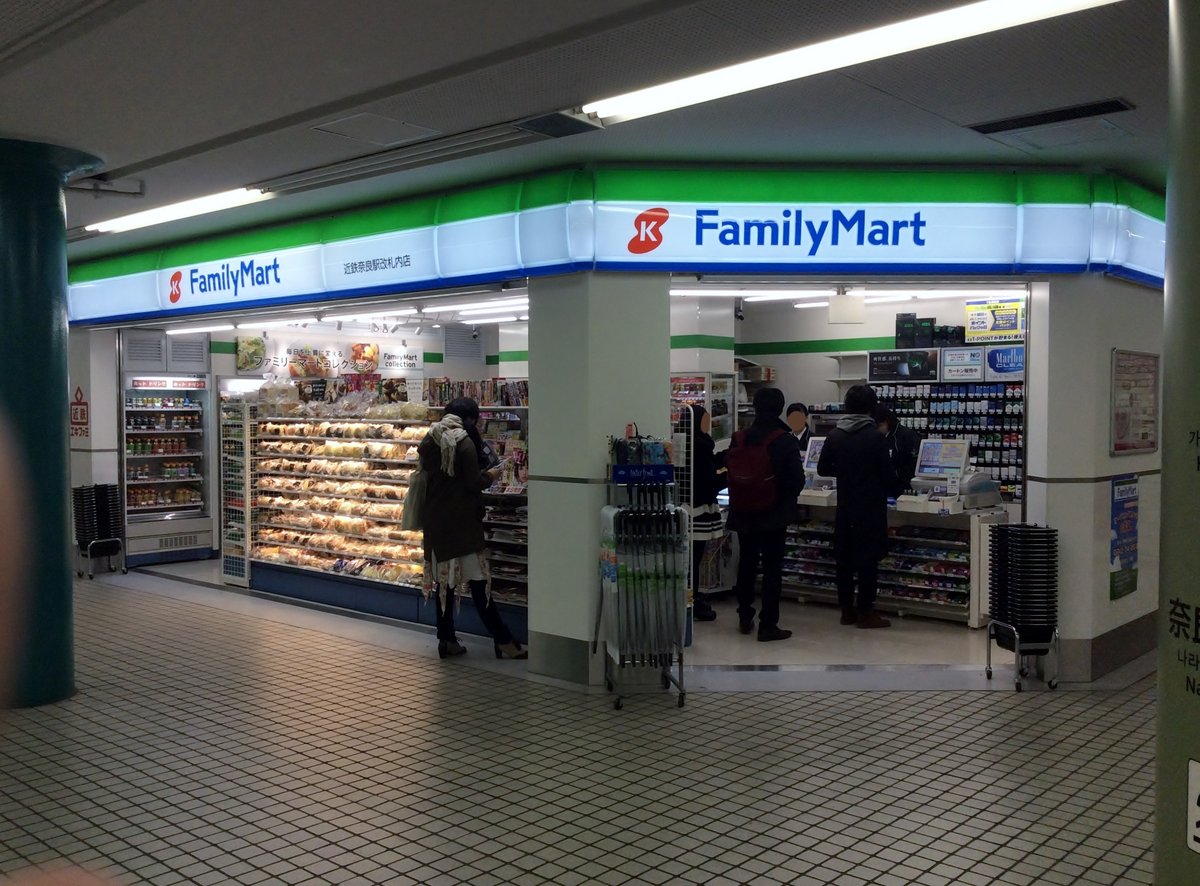
- Convenience Stores For snacks, drinks, and essentials.
- Nearby Dining Wide range of Japanese and international restaurants within walking distance.
- Entertainment Complexes like Round 5 offer bowling, karaoke, and arcade games.
Modernization and Future Developments
Shin-Ōmiya Station continues to modernize, with recent upgrades including:
- Introduction of digital ticketing apps for easy fare payment
- Expansion of elevator and barrier-free access
- The new JR Mahorobago express service, enhancing connectivity from March 2025 (Nara City Tourism Association)
Practical Travel Tips
- Purchase an IC card before arriving for fast, cashless travel.
- Arrive early to avoid crowds at popular destinations.
- Use station coin lockers or arrange luggage forwarding for hands-free exploration.
- Dress for the season Summers are hot and humid; winters can be chilly.
- Respect local etiquette Remain quiet on platforms, follow no-smoking rules, and be mindful of deer in Nara Park.
Frequently Asked Questions (FAQ)
Q: What are Shin-Ōmiya Station’s visiting hours?
A: Train services run from approximately 5:00 AM to midnight. Ticket offices usually operate from 6:00 AM to 11:00 PM; ticket machines are available 24/7.
Q: How do I buy tickets at Shin-Ōmiya Station?
A: Use automated ticket machines or IC cards. No staff assistance is available outside office hours.
Q: Is Shin-Ōmiya Station accessible for wheelchair users?
A: Yes, the station features elevators, ramps, and barrier-free restrooms.
Q: Are there luggage storage options?
A: Yes, coin lockers are provided. For larger items or longer-term storage, use facilities at Nara Station or arrange luggage delivery.
Q: What nearby historical sites are easily accessible?
A: Tōdaiji Temple, Kasuga Taisha Shrine, Nara Park, Naramachi, and Byakugoji Temple are all within easy reach.
Visuals and Media Recommendations
- Station Maps Available on official Kintetsu and Nara tourism websites.
- Photo Gallery High-resolution images of Shin-Ōmiya Station, Tōdaiji, Kasuga Taisha, and Nara Park.
- Interactive Resources Virtual tours and detailed walking maps for planning routes and exploring nearby sites.