
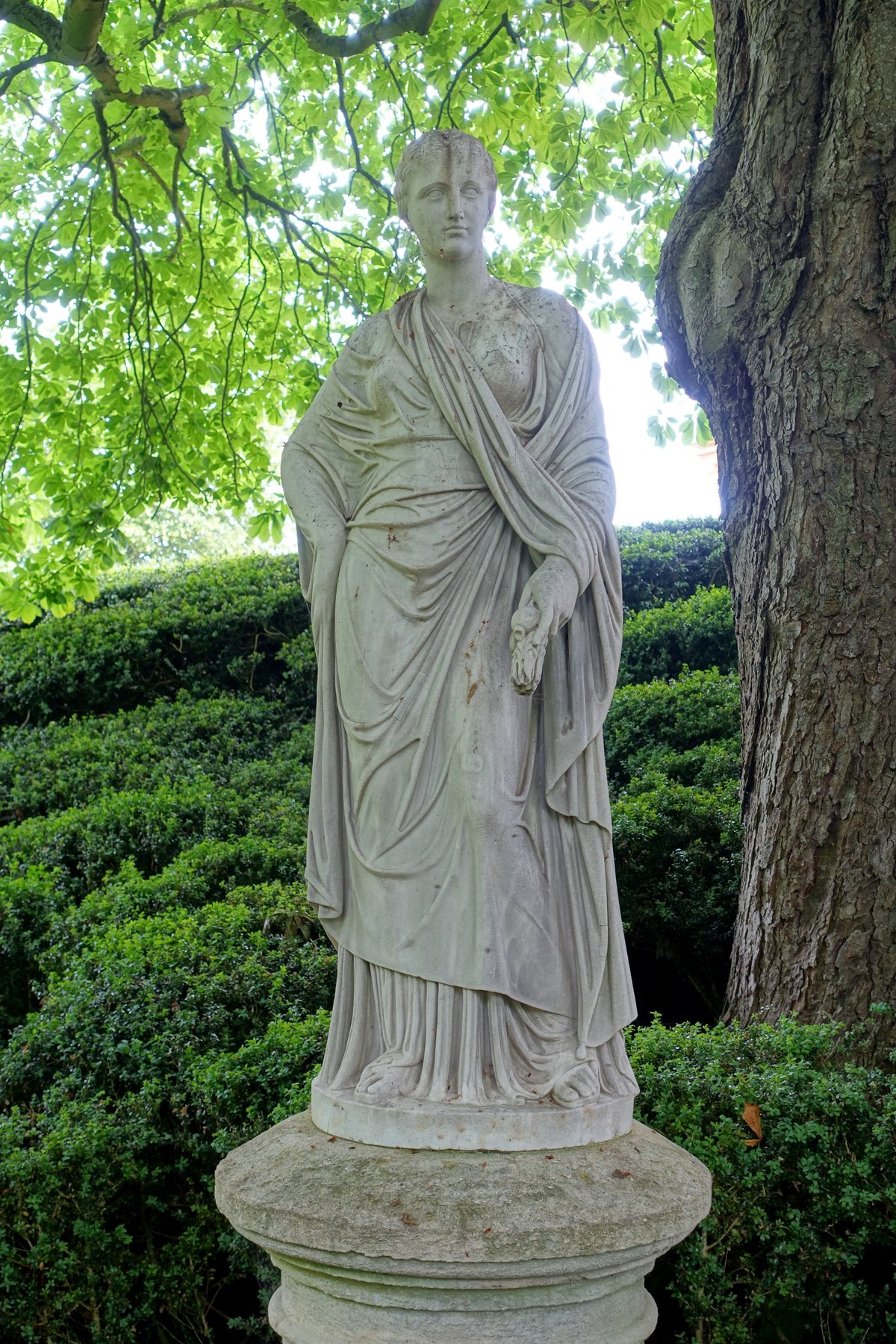
Villa Cimbrone: History and Garden Design
Historical Context
Villa Cimbrone’s origins date to the 11th century when Ravello flourished as a maritime republic and cultural center. The estate became renowned for its panoramic location and noble lineage. In the early 20th century, Englishman Ernest William Beckett, Lord Grimthorpe, acquired and transformed the villa, commissioning a romantic restoration that blended English and Italian landscaping, classical statuary, and architectural follies. The gardens, meticulously designed, feature themed terraces, lush plantings, and mythological references that echo the villa’s historic grandeur (Lonely Planet; Villa Cimbrone Official Website).
Garden Highlights
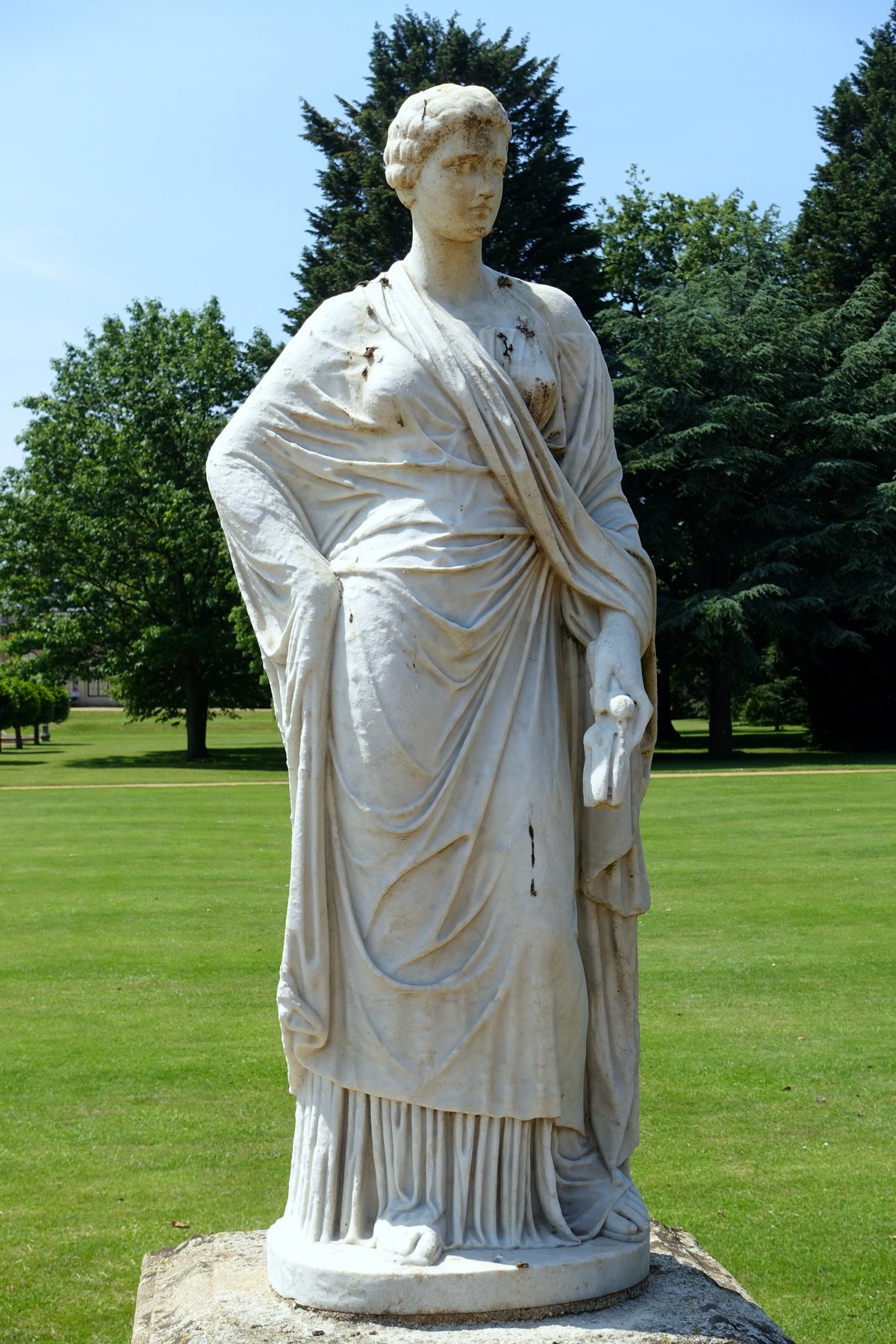
Villa Cimbrone’s gardens are internationally celebrated for their blend of English romanticism and Italian formalism. The gardens lead visitors through avenues of roses, shaded walkways, and scenic terraces, culminating in the famed Infinity Terrace (Terrazza dell’Infinito). Here, the Statue of Ceres serves as a symbolic gateway to the villa’s most breathtaking views (Ciao Amalfi).
The Statue of Ceres: Mythology and Artistic Significance
The Statue of Ceres is positioned within a neoclassical temple near the Infinity Terrace, a deliberate placement that underscores her role as the guardian of fertility and abundance. In Roman mythology, Ceres (Demeter in Greek) presided over agriculture and the cycles of growth and renewal—an apt motif for Ravello, where terraced vineyards and lemon groves define the landscape (Chasing the Muse Blog).
Ceres is traditionally depicted with sheaves of wheat or a cornucopia, symbols of nourishment and the earth’s bounty. Her serene gaze and flowing robes evoke timelessness, linking present-day visitors to ancient traditions and Mediterranean culture. The neoclassical style of the statue reflects the early 20th-century artistic revival that shaped Villa Cimbrone’s gardens (Atlas Obscura; Mel Adela Blog).
Visiting Villa Cimbrone: Hours, Tickets & Access
Opening Hours
Villa Cimbrone’s gardens are open daily, generally from 9:00 AM until sunset. Seasonal variations apply, with the last entry typically 30 minutes before closing. Always check the official website for current timings.
Tickets and Admission
- High Season (April 1 – October 31) €10 per adult
- Low Season (November 1 – March 31) €7 per adult
- Discounts Available for children, groups, and seniors. Children under 12 may enter for free (Villa Cimbrone Gardens Access).
- Tickets Purchase at the entrance or online (recommended during peak periods).
Accessibility
While sections of the gardens are accessible, many paths are uneven or include steps, limiting wheelchair access. Comfortable shoes are strongly recommended. For specific accessibility needs, contact Villa Cimbrone in advance.
Getting There
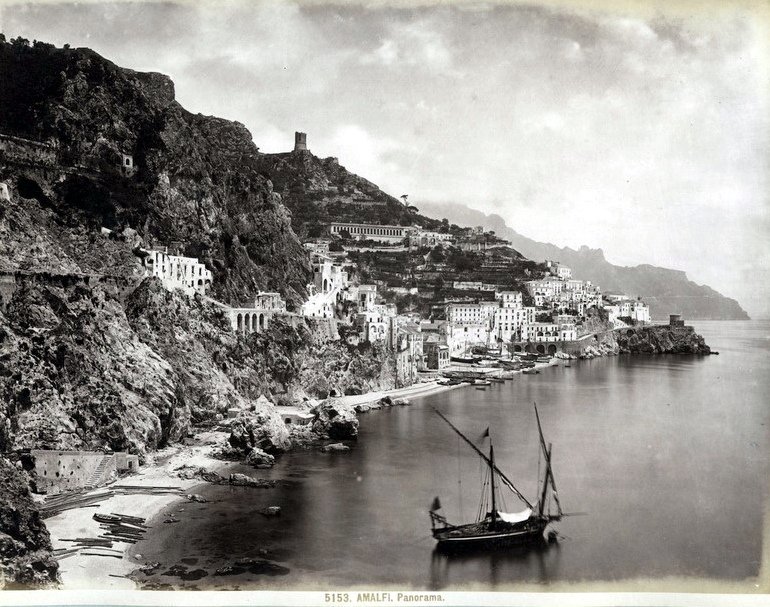
Ravello is perched 365 meters above sea level, about 7 km from Amalfi. Reachable by SITA bus, taxi, or on foot via scenic trails from neighboring towns. From Ravello’s main square (Piazza Vescovado), follow signs along Via San Francesco and Via Santa Chiara—about a 10-minute walk to Villa Cimbrone (how to get to Ravello; walking directions).
Visitor Tips & Practical Information
Navigating the Gardens
The main path threads through themed gardens, such as the Rose Terrace and Hortensia Avenue, leading to the Terrace of Infinity and the Statue of Ceres. A typical visit lasts 45–90 minutes, though many linger for photography or quiet reflection (garden visit duration).
Best Visiting Times
- Early Morning Fewer crowds, softer light.
- Late Afternoon/Sunset Dramatic lighting, but busier (timing tips).
- Spring/Autumn Pleasant weather, moderate crowds (best time to visit Ravello).
Facilities
- Restrooms Near the entrance and Tea Room.
- Café/Bar Offers refreshments with stunning views.
- Gift Shop Sells souvenirs and local products (facilities info).
Rules and Etiquette
- Do not touch or climb on statues.
- No running; maintain tranquility.
- Photography is allowed; drone use requires permission.
- Pets are not permitted, except service animals (garden rules).
Nearby Ravello Historical Sites
Enhance your visit by exploring other Ravello landmarks:
- Villa Rufolo Famous for its gardens, views, and the Ravello Music Festival (Villa Rufolo info).
- Duomo di Ravello 11th-century cathedral with bronze doors and mosaics (Duomo details).
- Local Restaurants Enjoy regional cuisine on panoramic terraces (Ravello dining).
Cultural Significance & Events
The Statue of Ceres is woven into Ravello’s cultural fabric, reflecting its agricultural traditions and mythic past. The statue’s role as guardian of the Infinity Terrace ties together the history of the villa, the bounty of the land, and the region's enduring artistic inspiration. Villa Cimbrone is also a venue for the prestigious Ravello Festival, where music and art blend with the timeless beauty of the gardens (Festival 2025).
Frequently Asked Questions (FAQs)
What are the visiting hours for Villa Cimbrone and the Statue of Ceres?
Gardens are open daily from 9:00 AM until sunset; check the official website for seasonal times.
How much are tickets?
€10 (April–October), €7 (November–March). Discounts for children/groups.
Is Villa Cimbrone accessible for wheelchair users?
Not fully. There are steps and uneven paths; call ahead for details.
Can I take photos?
Yes. Photography is encouraged; drones require advance permission.
Are there restrooms and places to eat?
Yes, both restrooms and a café/bar are on-site.
Plan Your Visit
- Arrive early or late in the day for the best experience.
- Wear suitable footwear for walking on uneven paths.
- Bring water and sun protection, especially in summer.
- Allow at least 1–2 hours to enjoy the gardens and the Statue of Ceres.
- Check for special events and temporary closures before visiting.
- For inquiries, contact Villa Cimbrone at +39 089 857459 or [email protected].
Enhance your experience: download the Audiala app for guided audio tours, digital maps, and up-to-date event info.