
What Parco Archeologico di Egnazia Is
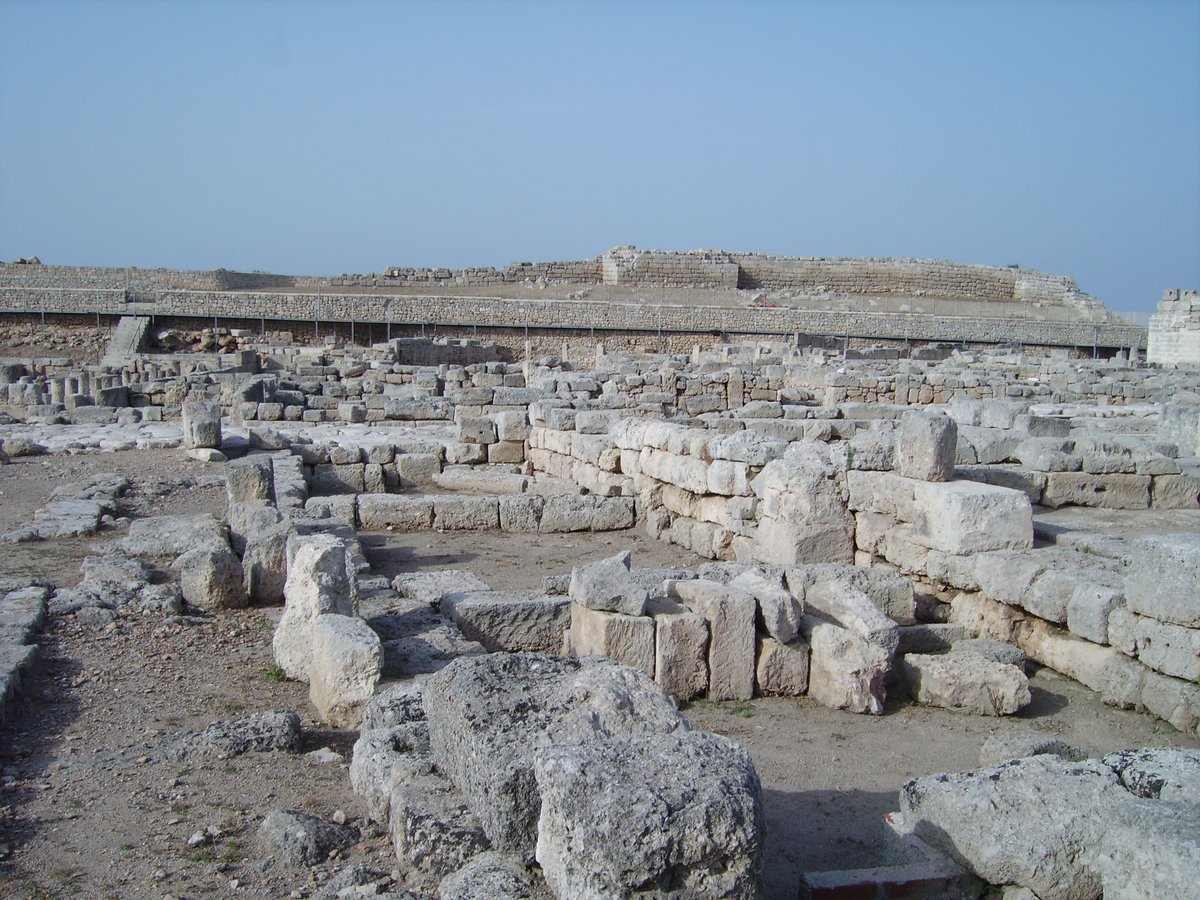
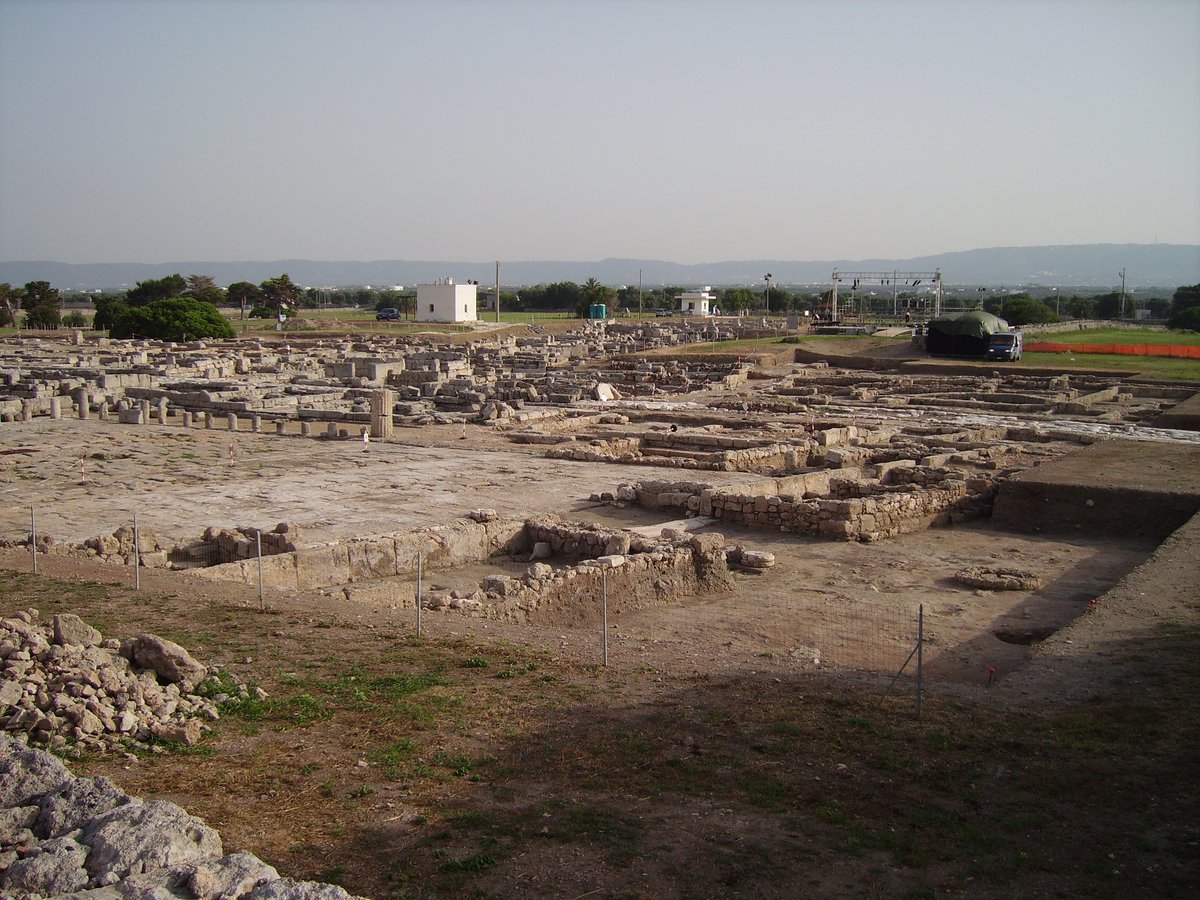
Parco Archeologico di Egnazia is an archaeological park on the Adriatic coast between Monopoli and Savelletri in Puglia, Italy. Its history reaches back to the Bronze Age, and the site offers a glimpse into the region’s early settlements, Iron Age cultures, Roman prosperity, and later decline. Rediscovered in 1912, Egnazia has since been the focus of archaeological research (Beautiful Puglia, Summer in Italy).
The archaeological park and its museum provide insights into the town’s past and its Messapian and Roman remains.
History
Early Settlements and Bronze Age
The earliest human settlements at Egnazia date to the 13th century BC. During the Bronze Age, a simple village of huts was established in the area (Beautiful Puglia).
Iron Age and the Iapigi
In the 11th century BC, the Iapigi, a civilization originating from the Balkans, invaded Egnazia. They brought new technologies and cultural practices that influenced the region’s development (Beautiful Puglia).
Messapian Era
By the 8th century BC, the Messapians, an Italic tribe, had taken control of Egnazia. They built defensive walls around an urban area covering approximately 40 hectares. The walls were 2 kilometers long and 7 meters high and are among the best-preserved structures from this era. The Messapians ruled until the Romans arrived at the end of the 3rd century BC (Beautiful Puglia).
Roman Conquest and Prosperity
Under Roman rule, Egnazia was declared a municipality and grew as a center of trade and commerce. Its strategic location and the construction of the Via Traiana, which linked Rome to Brindisi, strengthened its importance as a trade hub. The Romans also improved the port facilities, making Egnazia a crucial seaport (Beautiful Puglia).
Architecture and Cultural Developments
During the Roman period, the town gained monumental structures, including a forum, an amphitheater, and Christian basilicas. The forum was the center of public life, while the amphitheater hosted public spectacles. The Christian basilicas, built between the 4th and 6th centuries AD, are notable for their architecture and art (Italia.it).
Decline and Abandonment
Following the fall of the Roman Empire, Egnazia faced attacks by groups including the Visigoths, Saracens, and Turks. The invasions weakened the town, which was eventually abandoned in the 10th century AD. Once a thriving town, it became a “dead place” until its rediscovery in 1912 (Beautiful Puglia).
Rediscovery and Excavations
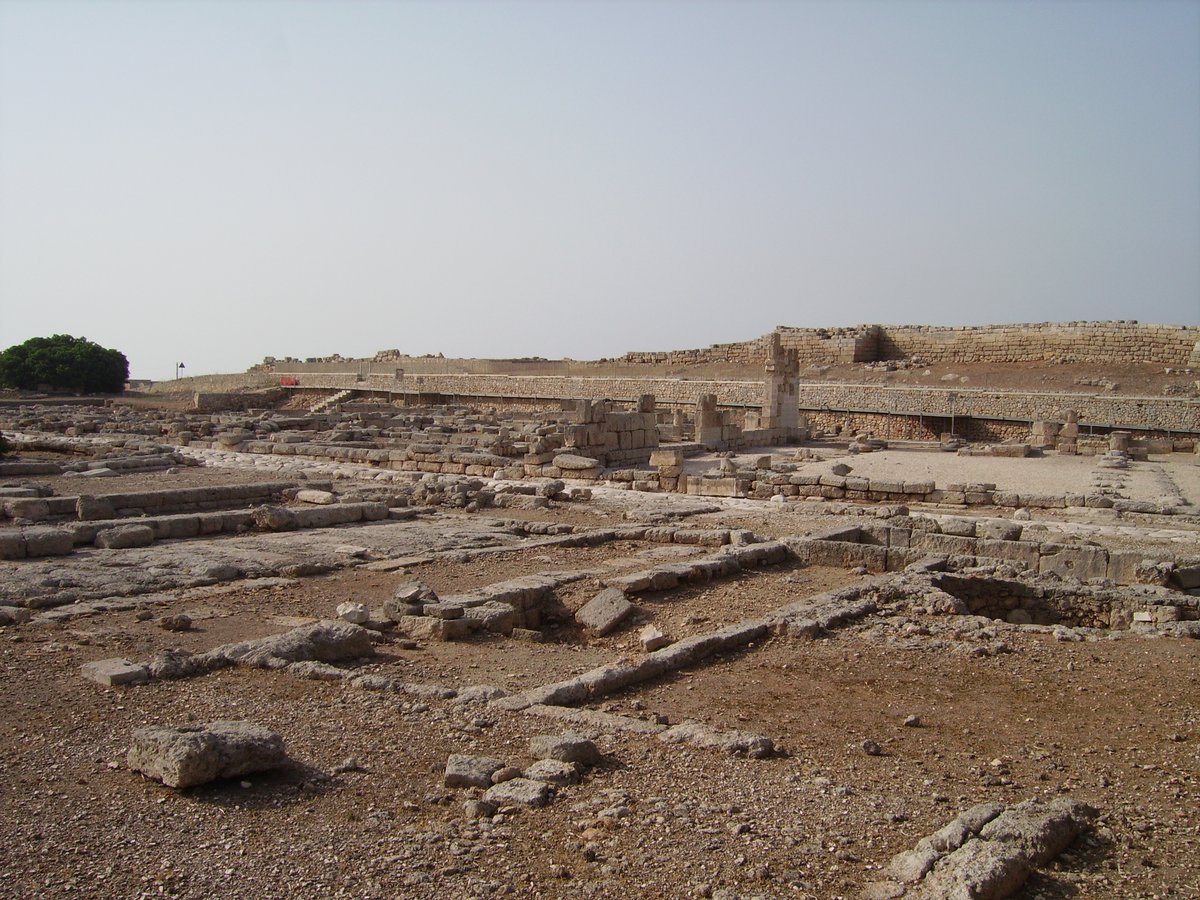
Archaeological investigations began after Egnazia’s rediscovery in 1912. Excavations have uncovered only a small portion of the site, revealing, among other remains, the tracks of the Via Traiana, the ancient amphitheater, and the forum. The park contains remains from both the Messapian and Roman periods (Summer in Italy).
What to See
National Archaeological Museum of Egnazia
The National Archaeological Museum of Egnazia, named after Giuseppe Andreassi, is within the archaeological park. Its collection includes artifacts from the Bronze Age to the Middle Ages, including ceramics, vases, and other items from the Messapian and Roman periods. Notable exhibits include a Roman-period marble head depicting the god Attis, an altar for sacrifices to oriental deities, and the mosaic of the Three Graces (Italia.it).
Christian Basilicas
The Episcopal Basilica, with its baptistery, and the Southern Basilica, once adorned with mosaic floors, are highlights of the park. The basilicas provide evidence of religious practices and architectural styles from between the 4th and 6th centuries AD (Italia.it).
Roman Baths
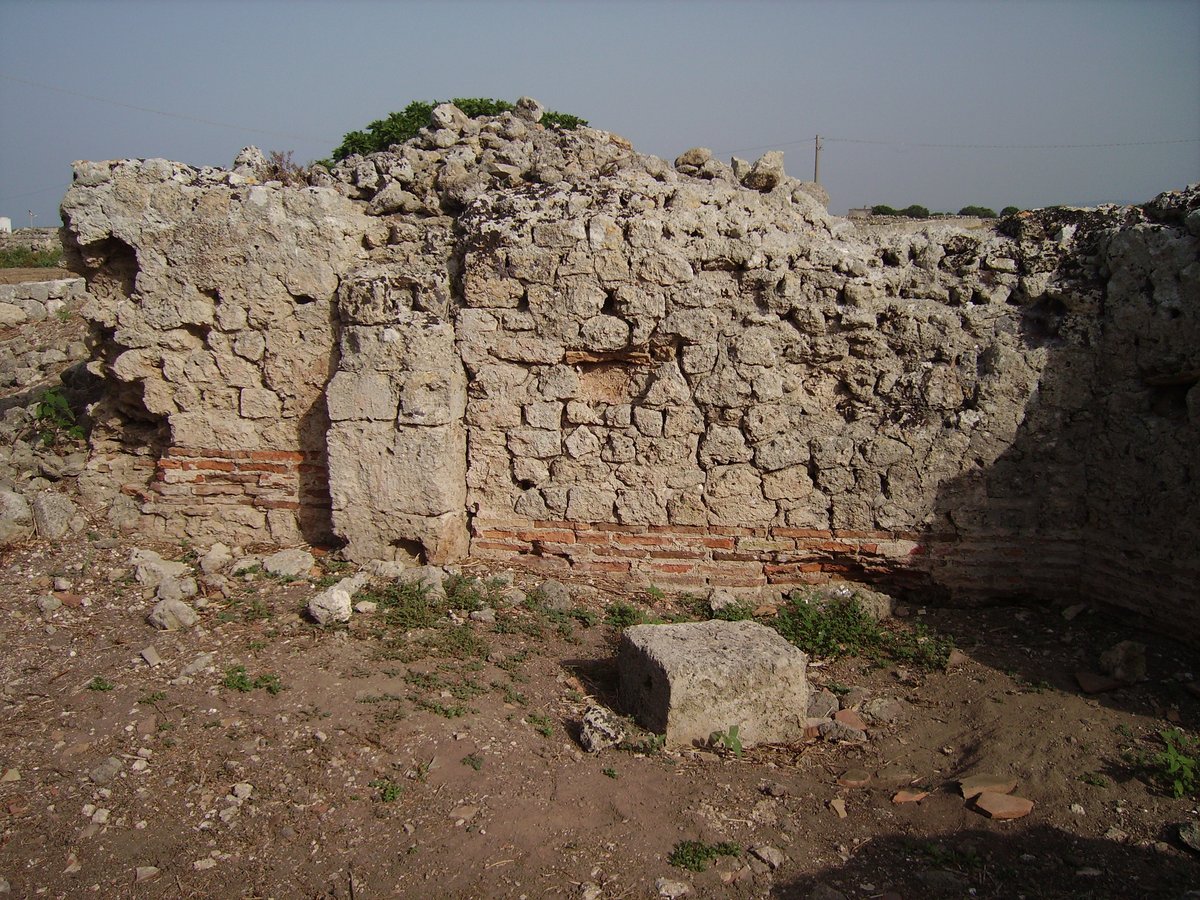
The remains of Roman baths include a calidarium, tepidarium, swimming pool, marble baths, statues, mosaics, and sitting rooms. The laconicum, a room for perspiration baths using dry hot air, is another feature. Heat in the baths was managed through a system of pipes and holes in the walls, demonstrating Roman engineering (Imagina Puglia).
Practical Visiting Information
Visiting Hours and Tickets
The park is open throughout the year, but visiting hours may vary by season. Ticket prices can also vary. Check the official website or contact the park directly for the latest information on hours and prices.
Getting There
The park is between Monopoli and Savelletri and is accessible by car or public transportation.
Accessibility
The park is designed to be accessible to all visitors. Check specific accessibility options in advance.
Tips
- Consider booking a guided tour for further insights into the site’s history and significance.
- The park has photographic spots, especially at sunset; bring a camera.
Nearby Places
Other historical sites in Monopoli and the Adriatic coast are nearby.
Frequently Asked Questions (FAQ)
What are the visiting hours for Parco Archeologico di Egnazia?
Visiting hours vary by season. Check the official website or contact the park directly for the most accurate information.
How much do tickets cost?
Ticket prices can vary. Check the official website or contact the park for the latest information.
Are guided tours available?
Yes. Guided tours are available and can provide insights into the history and significance of the site.
Is Parco Archeologico di Egnazia accessible?
The park is designed to be accessible, but specific accessibility options should be verified in advance.