Introduction
The scent of salt and diesel hangs over Monopoli’s Porto Vecchio, where fishermen in faded blue overalls mend nets beside a fleet of green and red gozzi boats, their reflections shimmering in the still water. This is not a city preserved in amber, but a living, breathing port on Italy’s Adriatic coast where the rhythms of the sea dictate the pace of life. Its whitewashed centro storico isn’t just a backdrop; it’s a warren of working-class courtyards and baroque churches, where laundry flutters between ancient arches and the sound of vespa engines echoes off centuries-old stone.
Monopoli’s character is a rare and potent blend of the sacred, the maritime, and the agrarian. It is defined by the founding legend of December 16, 1117, when an icon of the Madonna, the Madonna della Madia, is said to have miraculously arrived from the sea on a raft of beams. This event cemented its identity as a città mariana, a Marian city, and the story is retold with palpable devotion in the soaring Baroque cathedral built to house the icon. Yet, just steps from the altar, you’ll find fishermen hauling their morning catch onto the quay, and beyond the city walls, a countryside dotted with fortified masserie farmhouses producing olive oil and wine.
What surprises first-time visitors is the lack of pretension. Unlike many polished Puglian destinations, Monopoli feels unselfconsciously authentic. You can swim in the crystalline Adriatic at Cala Porta Vecchia, a sliver of beach tucked directly beneath the 16th-century bastions of Castello Carlo V, then dry off while wandering past votive aedicules embedded in alley walls and discovering the WWII air-raid shelters hidden beneath the main piazza. It’s a place where history isn’t cordoned off behind velvet ropes but is part of the daily fabric, from the rupestrian churches carved into the nearby karst landscape to the morning market stalls spilling out onto the cobbles.
To understand Monopoli is to embrace its contradictions: it is a busy commercial port and a serene beach town, a site of profound pilgrimage and a place of simple, sun-drenched pleasures. It asks you not just to look, but to listen—to the clatter of dishes in a hidden trattoria, the murmur of prayer in a crypt, and the gentle lap of waves against the ancient sea walls where it all began.
Places to Visit
The Most Interesting Places in Monopoli
Monopoli
Nestled along the stunning Adriatic coast in Italy’s Puglia region, Monopoli is a captivating destination that seamlessly blends a rich historical tapestry…
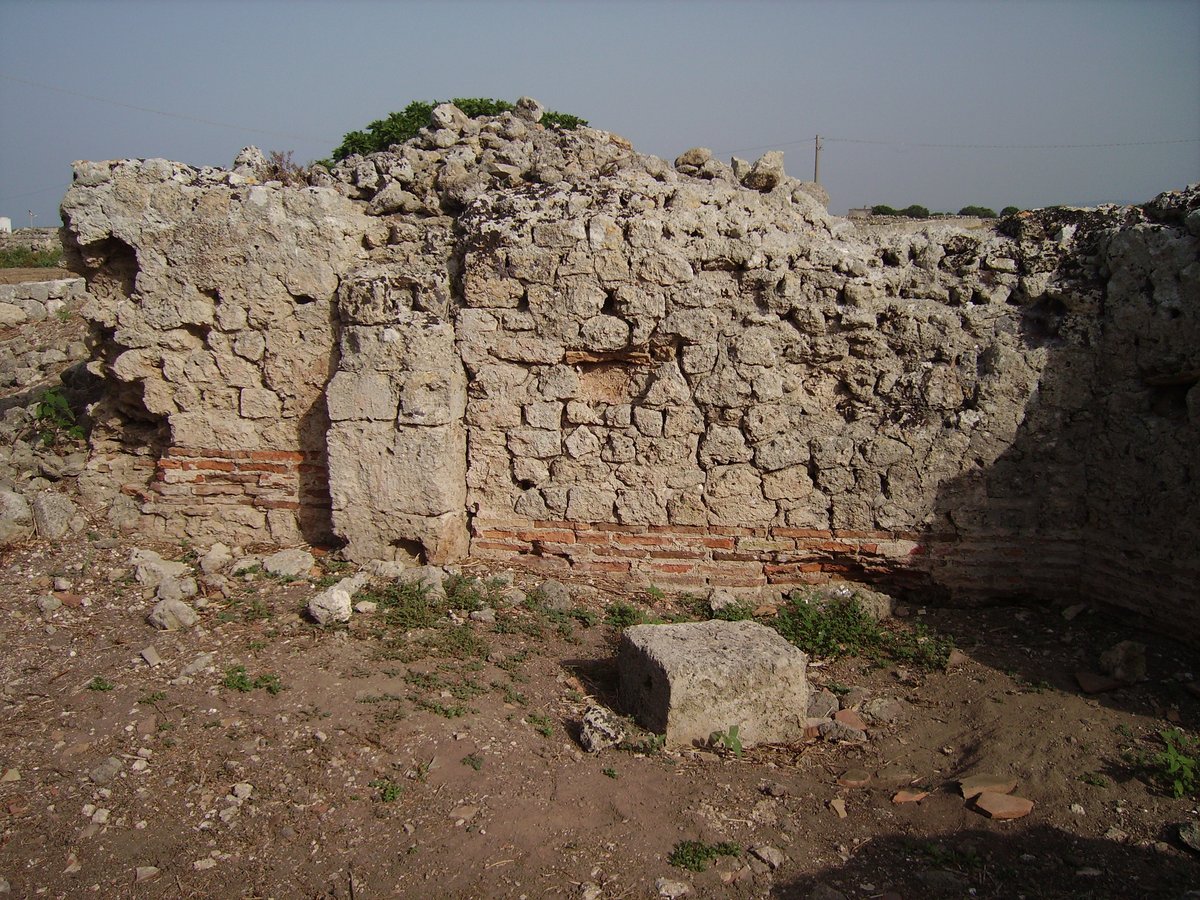
Gnatia
Discover the Parco Archeologico di Egnazia, an extraordinary archaeological park nestled along the Adriatic coast between Monopoli and Savelletri in the…
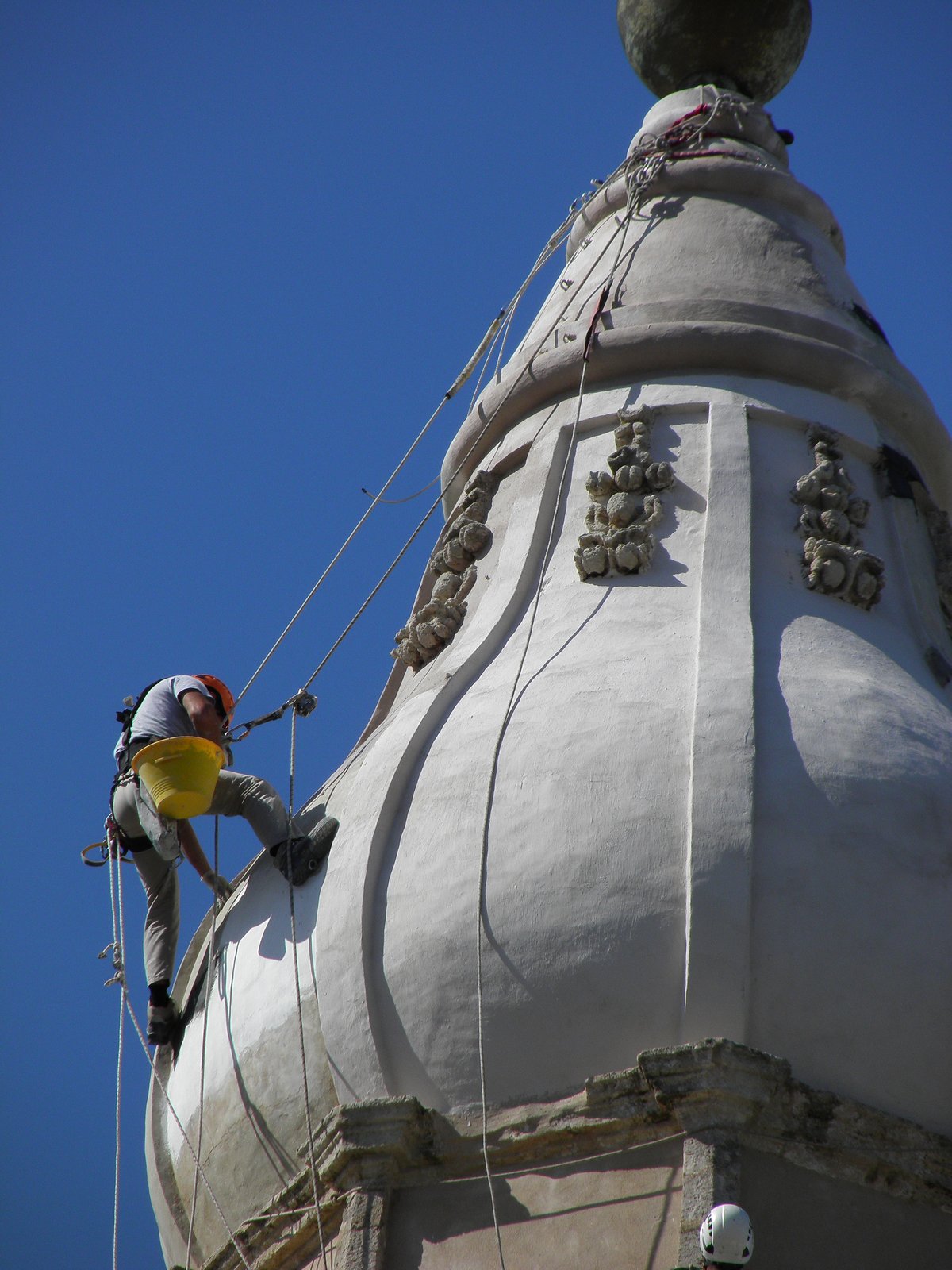
Monopoli Cathedral
The Basilica Cattedrale Maria Santissima della Madia, often referred to as Monopoli Cathedral, is a remarkable edifice that embodies the rich historical…
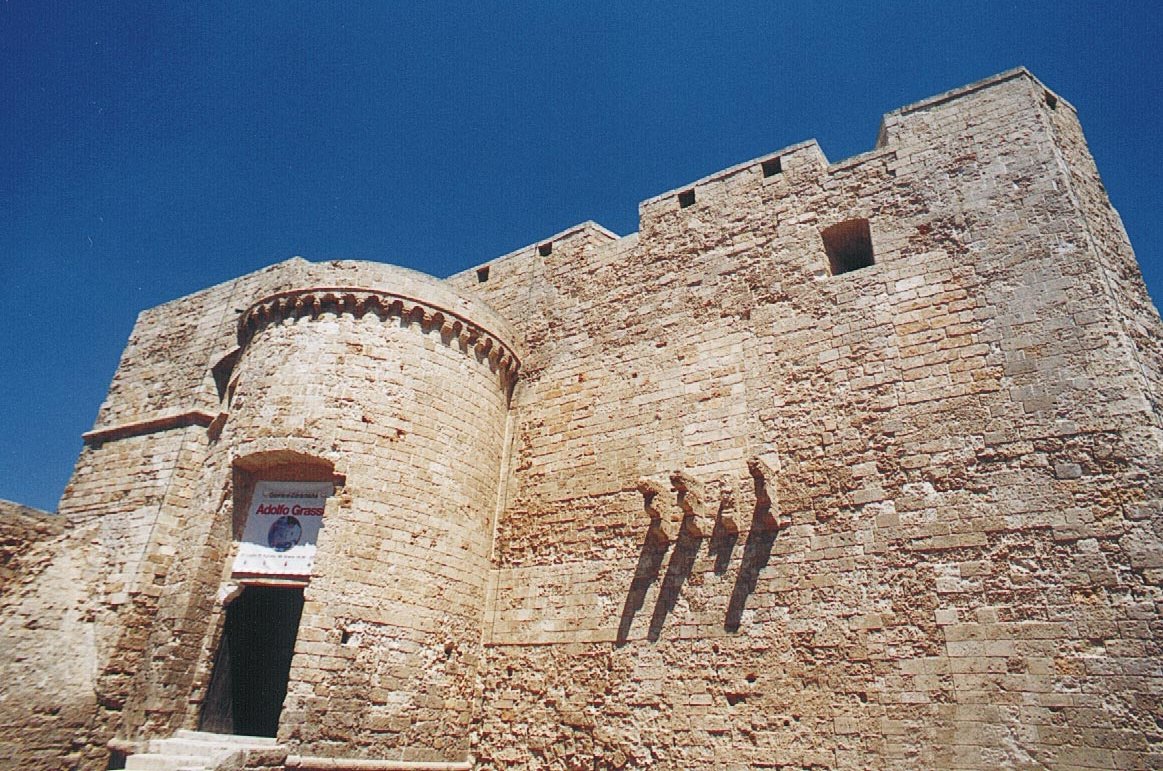
Castle of Monopoli
The date 1552 is still carved above the entrance: Charles V's coastal fortress, built against Ottoman raids, later a prison, now Monopoli's visual symbol.
Stadio Vito Simone Veneziani
Nestled in the charming coastal city of Monopoli, Italy, Stadio Vito Simone Veneziani stands as a vital landmark blending rich football heritage with local…
Church of Santa Teresa
Nestled in the historic heart of Monopoli, Italy, the Church of Santa Teresa (Chiesa di Santa Teresa) stands as a captivating emblem of Baroque architecture…
Cine Teatro Radar
Nestled in the heart of Monopoli, Italy, Cine Teatro Radar stands as a beacon of cultural heritage and artistic innovation.
Museo Diocesano Di Monopoli
Nestled beneath the historic Concattedrale di Maria Santissima della Madia in the heart of Monopoli, Italy, the Museo Diocesano di Monopoli offers a…
Santa Maria Amalfitana
Nestled in the historic heart of Monopoli, Italy, Santa Maria Amalfitana stands as a remarkable testament to the town's rich medieval heritage and its…
What Makes This City Special
A City Built on the Sea
Monopoli's identity is a rare, living balance between a working port and a historic town. The whitewashed lanes of the Paese Vecchio open directly onto the Porto Vecchio, where fishermen still mend their nets and paint their wooden boats, the salt air mixing with the echo of church bells.
Layers Beneath the Pavement
Beyond the Baroque cathedral lies a city of hidden depths. Descend into the WWII air-raid shelters under Piazza Vittorio Emanuele, explore the crypt of Santa Maria Amalfitana, or seek out the votive aedicules tucked into street corners—each tells a story of faith, fear, and survival.
Swim Next to History
At Cala Porta Vecchia, you can swim in the Adriatic's clear waters literally in the shadow of the 16th-century Castello Carlo V. It’s one of the most striking city beaches in Puglia, where a morning dip feels like stepping into a Renaissance painting.
Photo Gallery
Explore Monopoli in Pictures
A historical nautical chart inset detailing the coastal layout and harbor depths of Monopoli, Italy.
United Kingdom Hydrographic Office · public domain
The historic Bastione Santa Maria stands as a testament to the ancient coastal fortifications of Monopoli, Italy.
Мирослав Василев · cc by-sa 4.0
A peaceful view of the rural landscape near Monopoli, Italy, showcasing the region's iconic olive groves and traditional trullo architecture.
Monopoli91 at Italian Wikipedia · cc by-sa 3.0
A lone pedestrian walks along the sunlit sea wall next to an ancient stone bastion in the coastal town of Monopoli, Italy.
Domenico Capitanio · cc0
A picturesque stone archway with vibrant blue doors frames the stunning turquoise waters of the Adriatic Sea in Monopoli, Italy.
Palieri.Ivana · cc by-sa 4.0
The pristine, sun-drenched coastline of Monopoli, Italy, offers crystal-clear waters and a relaxing atmosphere for beachgoers.
Greco Sergio · cc by-sa 3.0
A father and child cycle along the historic stone fortifications of Monopoli, Italy, on a bright, sunlit day.
Andrea · cc0
The historic Carabinieri station in Monopoli, Italy, showcases beautiful stone masonry and traditional Italian architectural details.
Chris Olszewski · cc by-sa 4.0
A peaceful afternoon in a historic square in Monopoli, Italy, where a prominent war memorial stands before a traditional church bell tower.
The original uploader was Monopoli91 at Italian Wikipedia. · cc by 3.0
The ancient stone fortifications of Monopoli, Italy, meet the calm Adriatic Sea at sunset, creating a picturesque coastal scene.
Giorgio Galeotti · cc by-sa 4.0
A fleet of Carabinieri police vehicles parked in a charming, sun-drenched stone courtyard in the historic center of Monopoli, Italy.
Chris Olszewski · cc by-sa 4.0
The rolling green hills near Monopoli, Italy, are dotted with ancient olive trees and traditional trulli structures under a soft evening sky.
Monopoli91 at Italian Wikipedia · cc by-sa 3.0
Practical Information
Getting There
The nearest major airport is Bari Karol Wojtyła Airport (BRI), about 45 minutes north by car or bus. Monopoli's train station is on the regional line connecting Bari to Lecce, making it an easy 30-40 minute ride from Bari Centrale. It's also accessible via the Adriatic coastal highway SS16.
Getting Around
The historic center is compact and best explored on foot. A local bus network serves wider areas and nearby beaches. For 2026, note that Castello Carlo V may have limited public access due to exhibition setup—check locally. No tourist transport card is necessary for the core visit.
Climate & Best Time
Summers (June-August) are hot and dry, with temperatures often in the high 20s to low 30s°C (80s-90s°F). Spring (April-May) and autumn (September - October) offer milder, pleasant weather in the high teens to mid-20s°C (60s-70s°F), ideal for exploring. The peak tourism months are July and August.
Language & Currency
Italian is the official language. In tourist areas, you'll find some English, but a few basic Italian phrases go a long way. The currency is the Euro (€). While cards are accepted in many establishments, smaller trattorias and market stalls often prefer cash.
Where to Eat
Don't Leave Without Trying
Sfornato - Panificio
cafeOrder: Focaccia barese and fresh cornetti in the morning; come early for the best selection of breads and pastries.
The highest-reviewed bakery in Monopoli with 117 reviews—locals queue here for breakfast. This is where the town starts its day.
La Vite Turchese Monopoli - Wine Bar
local favoriteOrder: Local Puglian wines by the glass paired with light antipasti; ideal for an aperitivo in the late afternoon.
A proper wine bar rooted in the local scene with 94 reviews—the kind of place where you actually taste what Monopoli drinks, not tourist wine lists.
Cialdini caffé
cafeOrder: Espresso and a pastry in the morning; return for aperitivo in the evening when locals gather.
Opens at 5 AM and stays open until 10 PM—this is the backbone café where Monopoli lives. 70 reviews of consistent, unpretentious quality.
Il Forno delle Meraviglie
quick biteOrder: Panzerotti (fried pastries with tomato and mozzarella) and focaccia; the 467 reviews speak to consistent, beloved execution.
The most-reviewed bakery in Monopoli by a wide margin. This is the real street-food stop where locals grab lunch or a quick snack.
Gran Forno Santa Caterina
cafeOrder: Fresh bread, pastries, and the house specialty panzerotti; come in the morning or late afternoon when batches are fresh.
A serious neighborhood bakery with 163 reviews that takes its craft seriously. This is where you get real Monopoli breakfast, not tourist pastries.
My Wine - Il piacere del palato ristorante
local favoriteOrder: Local seafood and Puglian pasta with thoughtful wine pairings; trust the house recommendations.
381 reviews and a solid 4.8 rating—this is a real restaurant where locals actually eat dinner, not a tourist trap. Wine-forward and honest about local ingredients.
Il Punto Cardinale | Trattoria al Borgo
local favoriteOrder: Seasonal Puglian dishes and local wine; this is a dinner-only destination, so come hungry and ready to linger.
636 reviews make this the most-reviewed restaurant in the verified data—a genuine gathering place in the heart of the old town. Limited hours mean it's serious about quality over turnover.
Pasticceria Pasquale
cafeOrder: Pasticciotti (pastry shells filled with custard cream), cornetti, and seasonal pastries; perfect for breakfast or an afternoon sweet.
A dedicated pastry shop with 72 reviews that treats sweets as an art form. This is where you go when you want something special, not just a quick coffee.
Dining Tips
- check Breakfast culture is serious here—bakeries open early and locals eat cornetti and pastries standing at the bar. Arrive before 9 AM for the best selection.
- check Dinner starts at 8 PM or later. Earlier reservations may find limited menus or closed doors.
- check Markets run on Tuesday and Saturday mornings (8 AM–1 PM) for fresh local produce and street food.
- check The old town (Centro Storico) is compact and walkable—most restaurants are within 5 minutes of each other.
- check Many small restaurants and bars close on Mondays or Tuesdays; check ahead if you're planning a specific meal.
- check Cash is still common in small cafés and bakeries; not all places take cards.
Restaurant data powered by Google
Tips for Visitors
Swim by History
Skip the crowded lidos and swim at Cala Porta Vecchia, the city beach tucked under the medieval walls. Arrive before 10am to claim a spot on the rocks.
Visit at Dawn
The Centro Storico is quietest and most magical at sunrise. Walk the deserted lanes of Paese Vecchio when the whitewashed walls glow pink with the first light.
Find the Fishing Quarter
For the authentic maritime atmosphere, wander the Porto Vecchio and the adjacent old fishing quarter to see the traditional wooden gozzi boats pulled up on the stone.
Check Castle Access
Castello Carlo V is a major venue, but its public access can be limited during exhibitions. Check the comune's website for current opening hours before you go.
Explore Underground
Descend into the WWII air-raid shelters beneath Piazza Vittorio Emanuele II for a chilling, tangible piece of 20th-century history hidden under the main square.
Explore the city with a personal guide in your pocket
Your Personal Curator, in Your Pocket.
Audio guides for 1,100+ cities across 96 countries. History, stories, and local insight — offline ready.
Audiala App
Available on iOS & Android
Join 50k+ Curators
Frequently Asked
Is Monopoli worth visiting? add
Yes, if you want a working Adriatic port town with a lived-in old quarter, not just a polished museum piece. It balances authentic fishing heritage, a swimmable historic coastline, and Baroque churches without the overwhelming crowds of its more famous neighbors.
How many days should I spend in Monopoli? add
Two to three days is ideal. This gives you time to fully explore the Centro Storico and Porto Vecchio, swim at the city beaches, visit the cathedral and castle, and take a half-day trip to a nearby masseria or the rupestrian churches in the countryside.
What is the best way to get to Monopoli? add
By train is most straightforward. Monopoli has a station on the main Bari–Lecce line, about 40 minutes from Bari Centrale. The station is a 15-minute walk downhill to the historic center. Driving is fine for exploring the countryside, but parking in the old town is very difficult.
Is Monopoli safe for solo travelers? add
Yes, it's generally very safe. The historic center is well-lit and active into the evening. Standard precautions apply: be aware of your belongings in crowded areas and avoid deserted alleyways late at night.
Is Monopoli expensive to visit? add
It's moderately priced, less expensive than Polignano a Mare. You can find affordable guesthouses and trattorie. Major savings come from using the free city beaches and walking everywhere in the compact center.
Sources
- verified Monopoli Tourism (Official Tourism Site) — Primary source for attractions, walking tours, beaches, and cultural tips directly from the local tourism board.
- verified Comune di Monopoli (Official City Website) — Official municipal site providing detailed historical and practical information on landmarks, museums, and current cultural events.
Last reviewed: