Origins and Historical Context
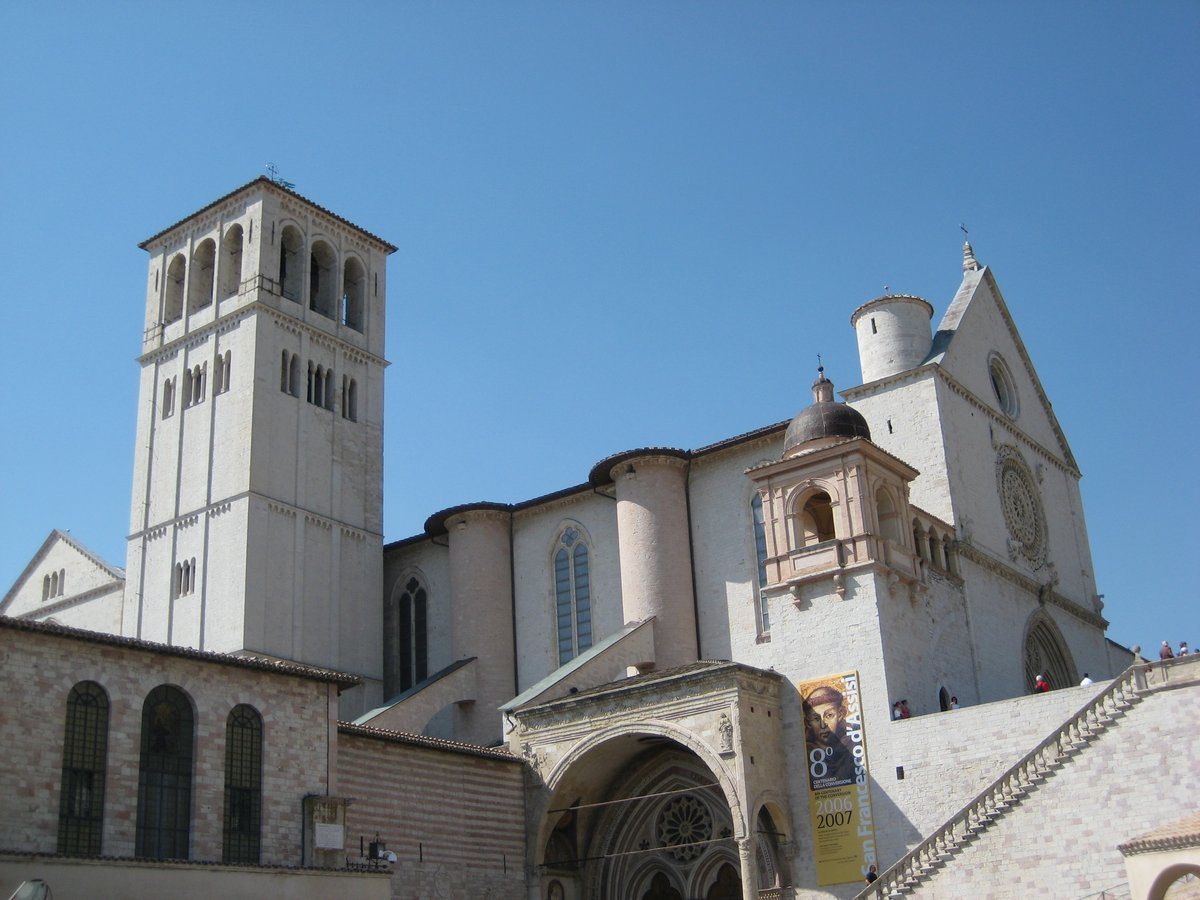
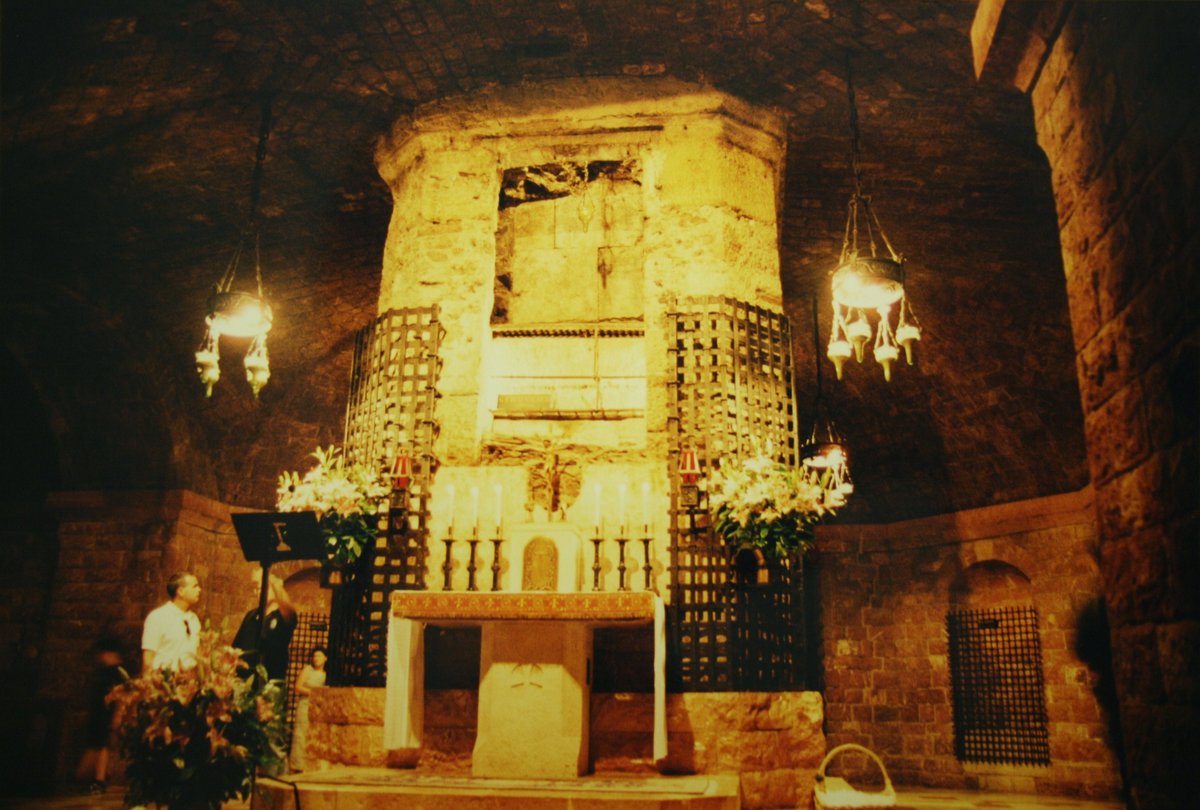
Construction of the Lower Basilica began in 1228, immediately after Saint Francis’s canonization. Brother Elia Bombardone, a close follower of Francis, oversaw the building process, transforming what was once the "Hill of Hell" into the "Hill of Paradise" (wikispeedia; UNESCO World Heritage). Pope Gregory IX laid the foundation stone, and the basilica was completed by 1230, enshrining Francis’s tomb in a crypt beneath the high altar (Assisi Pax Mundi).
Architectural Significance
Romanesque and Gothic Elements
The Lower Basilica’s architecture embodies Franciscan simplicity with a blend of robust Romanesque features and early Gothic innovations. Massive vaults, thick limestone walls, and ribbed arches create a solemn, contemplative atmosphere. The separation of ribs and webs in the vaults marks a transition toward Gothic design (whc.unesco.org).
Layout and Structure
Built into the slope of the hill, the basilica’s entrance is through a 13th-century portal. Inside, a single nave divided by arcades leads to side chapels adorned with frescoes and altarpieces. The crypt beneath the altar, rediscovered in 1818, contains the simple stone tomb of Saint Francis (thegeographicalcure.com; Italy Guides).
Artistic Highlights
Major Frescoes and Artists
The basilica is celebrated for its frescoes, a pivotal achievement in Western art bridging Byzantine stylization and early Renaissance naturalism. Notable cycles include:
- Passion of Christ and Life of Saint Francis Attributed to the Master of Saint Francis (c. 1260), these scenes line the nave walls (Traveling in Tuscany).
- Apse Frescoes Giotto and his workshop (c. 1315) depict the lives of Christ and Francis with pioneering realism (SanFrancescoAssisi.Guide).
- Chapel Frescoes Pietro Lorenzetti’s Chapel of Saint Mary Magdalene and Simone Martini’s Chapel of Saint Martin showcase narrative clarity and Sienese elegance (Nomads Travel Guide; ItalyThisWay).
Stained Glass and Decorative Arts
The basilica contains some of Italy’s oldest stained-glass windows, starry vaults, medieval choir stalls, and intricate capitals, contributing to its mystical ambiance (UmbriaTourism).
Restoration and Conservation
A major earthquake in 1997 damaged the basilica, prompting extensive restoration to stabilize the structure and preserve the frescoes (thegeographicalcure.com). Ongoing conservation is managed by a dedicated team, ensuring the site’s integrity for future generations (whc.unesco.org; wikispeedia).
Practical Visitor Information
Visiting Hours and Tickets
- Standard Hours 7:00 AM – 7:00 PM daily. Hours may vary on religious holidays or for special events (Audiala).
- Entry Free; donations are encouraged. The crypt is included in standard admission.
- Guided Tours Available for a fee. Tours can be booked in advance and are offered in multiple languages (Veronika’s Adventure).
Accessibility
Wheelchair access is available to the main areas, with ramps and elevators in place. Some historic zones may require assistance due to uneven surfaces (Bella’s Bold Adventures).
Dress Code and Photography
Modest attire (covered shoulders and knees) is required. Photography is prohibited inside to protect artworks; permitted outdoors and in the cloisters (Nomads Travel Guide).
Visitor Tips
- Best Times Early morning or late afternoon for fewer crowds.
- Security Bag checks; large items are not allowed.
- Facilities Restrooms, gift shop, and the adjacent Sacro Convento with a library and museum (SanFrancescoAssisi.org).
Arrival and Entry Experience
Approach the basilica from Assisi’s historic center, following signs to the complex. The scenic walk offers panoramic valley views. Entry is free; during peak seasons (notably October 4, St. Francis’s feast), expect longer queues and heightened security. The main entrance is accessible, with staff available to assist those with mobility needs.
Getting There: From the train station, take a bus or taxi to the old town, then walk downhill to the basilica. Parking is on the town’s outskirts, with shuttle services during busy times.
Exploring the Basilica: Interior and Tomb
The Lower Basilica’s dim, vaulted nave leads to side chapels and culminates at the crypt containing the tomb of St. Francis. The subdued lighting, frescoes, and starry ceiling create a contemplative setting. The crypt is accessible via a sloping ramp, allowing all visitors to experience this sacred site.
Guided and audio tours are available, offering insights into the basilica’s religious, artistic, and historical significance (Select Italy).
Facilities and Amenities
- Restrooms Near the entrance and in the Sacro Convento.
- Gift Shop Religious articles and local crafts.
- Cloister Benches and shaded areas for rest (italien.expert).
- Nearby Cafés/Restaurants Located in the historic center.
Crowd Management and Etiquette
The basilica handles high visitor volumes, especially during festivals and weekends. Staff direct traffic and manage entry, and announcements are made in multiple languages during emergencies. Visitors should maintain silence, dress modestly, and respect religious services.
Nearby Attractions and Events
- Upper Basilica Giotto’s frescoes and luminous architecture.
- Basilica of Santa Chiara Tomb of St. Clare and Gothic art.
- Rocca Maggiore Hilltop fortress with panoramic views.
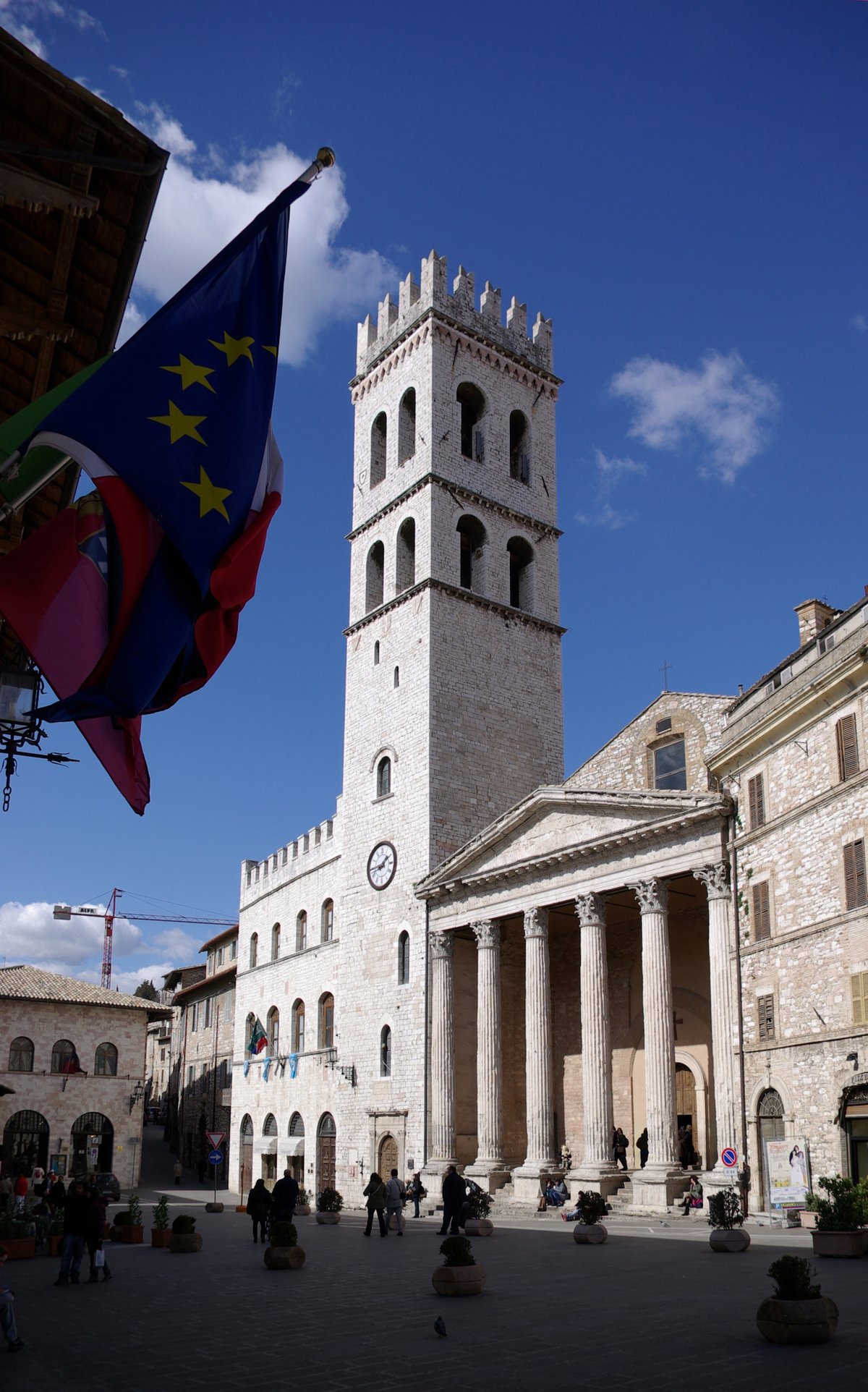
- Piazza del Comune Roman and medieval heritage.
- Annual Festivals “Assisi Pax Mundi” and the Feast of St. Francis (San Francesco Assisi Official Site).
Frequently Asked Questions (FAQ)
Q: What are the Lower Basilica of San Francesco visiting hours?
A: 7:00 AM–7:00 PM daily, with changes on holidays.
Q: Is there an entry fee?
A: Entry is free; donations are welcome.
Q: Is the basilica accessible?
A: Yes, most areas are accessible; some assistance may be needed.
Q: Are guided tours available?
A: Yes, in multiple languages; book in advance for busy periods.
Q: Is photography allowed inside?
A: No, to protect the artworks.