Origins and Vision
The Museo Omero was born from the desire to break down barriers in art appreciation. Conceived in 1985, it was officially established in 1993 with the mission to make art accessible through touch and multisensory exploration. The founders, Aldo Grassini and Daniela Bottegoni, sought to overturn the traditional "Do Not Touch" approach of most museums, creating instead a space where everyone could freely experience art (Museo Omero – The Idea). From humble beginnings in a local school, the institution has grown in scope and reputation, earning State Museum status in 1999.
Institutional Development and Setting
Since 2012, the museum has been located in the Mole Vanvitelliana, a striking pentagonal building designed by Luigi Vanvitelli in the 18th century. Originally a quarantine station, this landmark offers a unique architectural environment for the museum’s collections. The museum now spans approximately 3,000 square meters over four floors, featuring permanent and temporary exhibitions, educational labs, and event spaces (Museo Omero – Mole Vanvitelliana).
Collection Highlights and Multisensory Philosophy
Permanent Collection
The museum’s permanent collection features over 200 tactile works, including:
- Classical Sculptures Faithful reproductions such as the Discobolus, Nike of Samothrace, Venus de Milo, and Capitoline Wolf.
- Architectural Models Detailed tactile models of the Parthenon, Pantheon, Piazza dei Miracoli (Pisa), and St. Peter’s Basilica.
- Medieval and Renaissance Art Replicas such as Giotto’s Campanile Reliefs and Michelangelo’s Pietà.
- Contemporary Works Original sculptures by Giorgio de Chirico and Arnoldo Pomodoro.
- Design Collection Opened in 2021, this section showcases 32 iconic Italian design objects, including the Moka Bialetti and Vespa Piaggio (Museo Omero – Collection; Italia.it).
All exhibits are designed to be touched, with Braille and large-print descriptions, audio guides, and tactile signage. The museum’s philosophy is that art should be accessible to all senses, fostering inclusion and deeper engagement (Museo Omero – Accessibility).
Visiting Information
Visiting Hours
- September–June
- Tuesday–Saturday: 16:00–19:00
- Sunday & Holidays: 10:00–13:00 and 16:00–19:00
- July–August
- Tuesday–Saturday: 17:00–20:00
- Sunday & August 15: 10:00–13:00 and 17:00–20:00
- Closed Mondays, December 24, 25, and 31
- Morning visits available for groups/schools by reservation (Museo Omero – Plan Your Visit; Ancona Tourism).
Tickets and Admission
- Permanent Collection Free
- Design Collection €5
- Guided Tours €5/person (min. 10 people)
- Workshops €30/family, €80/school class
- Free Admission For children under 4, people with disabilities, and their carers; additional reductions for students and selected categories as per Ministry of Culture guidelines (Museum For All).
Accessibility
- Step-free access, ramps, elevators
- Braille and large-print labels
- Multilingual audio guides
- Sign language video guides (LIS, IS)
- Content in Comunicazione Aumentativa Alternativa (CAA)
- Accessible restrooms and seating
- Wheelchair availability
- Trained staff support (Museo Omero – Accessibility; Museum For All).
Educational Programs and Community Engagement
Museo Omero is internationally recognized for its innovative educational initiatives, emphasizing tactile exploration, storytelling, and multisensory engagement. Programs include:
- Guided Tours and Workshops For schools, families, and groups, available in multiple languages.
- Teacher Training Professional development on inclusive art education.
- Collaborative Projects Partnerships with local schools, universities, and art organizations (Artsupp).
Temporary Exhibitions and Special Events
Featured Exhibitions
- “L’ombra vede” by Enzo Cucchi (Dec 17, 2024 – Aug 31, 2025)
42 multisensory works, including sculptures and drawings, designed for tactile exploration and accompanied by Braille and relief translations (Espoarte). - “Archeoplastica on Tour” (May 9 – Aug 31, 2025)
Tactile displays addressing plastic pollution (Museo Omero).
Events
The museum hosts the annual “Sensi d’Estate” summer festival and offers tactile workshops, blindfolded visits, and themed educational activities (Museo Omero – Sensi d’Estate).
Travel Tips and Nearby Attractions
- Location Mole Vanvitelliana, Banchina Giovanni da Chio 28, 60121 Ancona, Italy.
Google Maps - Getting There
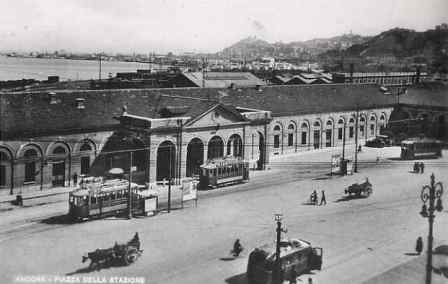
Short walk or bus ride from Ancona train station; nearby parking available. - Nearby Sights
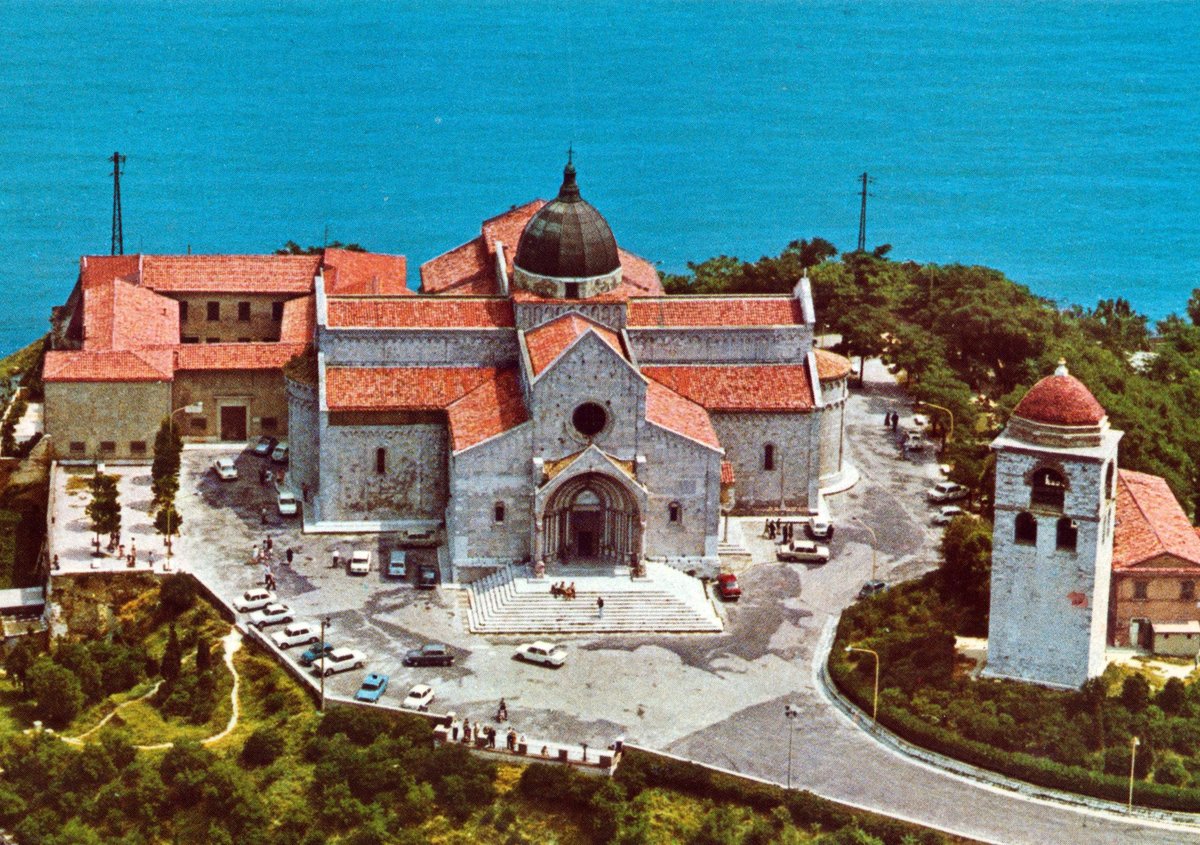
Ancona Cathedral, Arch of Trajan, Lazzaretto, Passetto promenade.
Frequently Asked Questions (FAQ)
Q: Do I need tickets for the permanent collection?
A: No, it’s free to visit.
Q: Is the museum accessible for visitors with disabilities?
A: Yes, with step-free access, tactile paths, Braille signage, and staff assistance.
Q: Are guided tours available?
A: Yes, in Italian and English; booking recommended.
Q: Can children visit?
A: Absolutely. The museum is family-friendly with interactive exhibits and educational activities.
Q: Are photography and food allowed?
A: Photography is generally allowed (check for restrictions on temporary exhibitions). Food and drinks are not permitted in exhibition spaces.