
History and Development
Foundation and Early Years
The museum’s origins date to 1863, when it began as a local collection dedicated to the preservation of regional antiquities. Over the decades, its scope expanded significantly, especially with discoveries from the Picene civilization, solidifying MAN Marche as a key repository for the area's archaeological treasures.
Move to Palazzo Ferretti
In 1958, the museum relocated to Palazzo Ferretti, a move that provided both a prestigious architectural setting and space for the expanding collections (Finestre sull’Arte). The palace itself, with its Renaissance and Baroque elements, has become an integral part of the museum experience.
Palazzo Ferretti: Architecture and Features
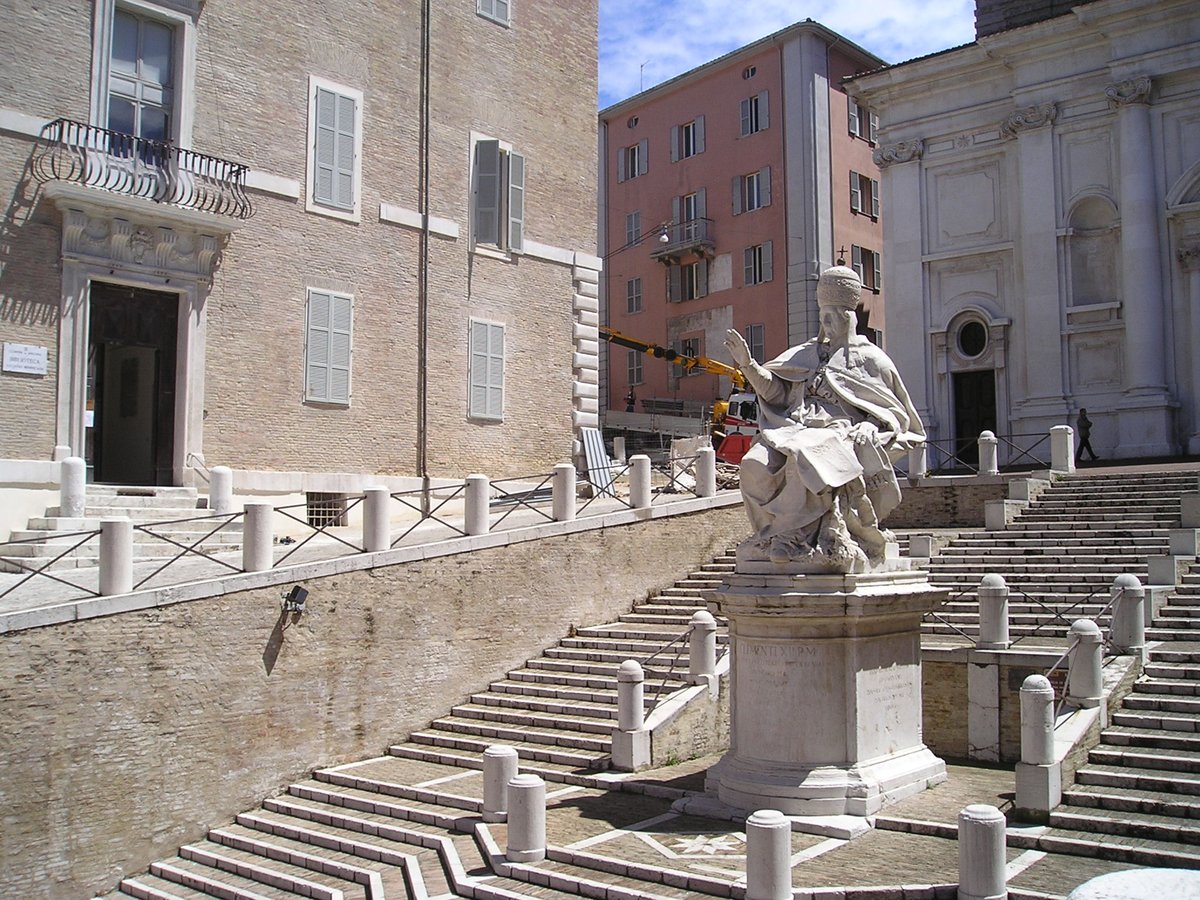
Palazzo Ferretti is a standout example of late Renaissance architecture, designed by Pellegrino Tibaldi. Its Baroque enhancements, including the monumental staircase attributed to Luigi Vanvitelli, add grandeur and historical depth.
Interior and Museography
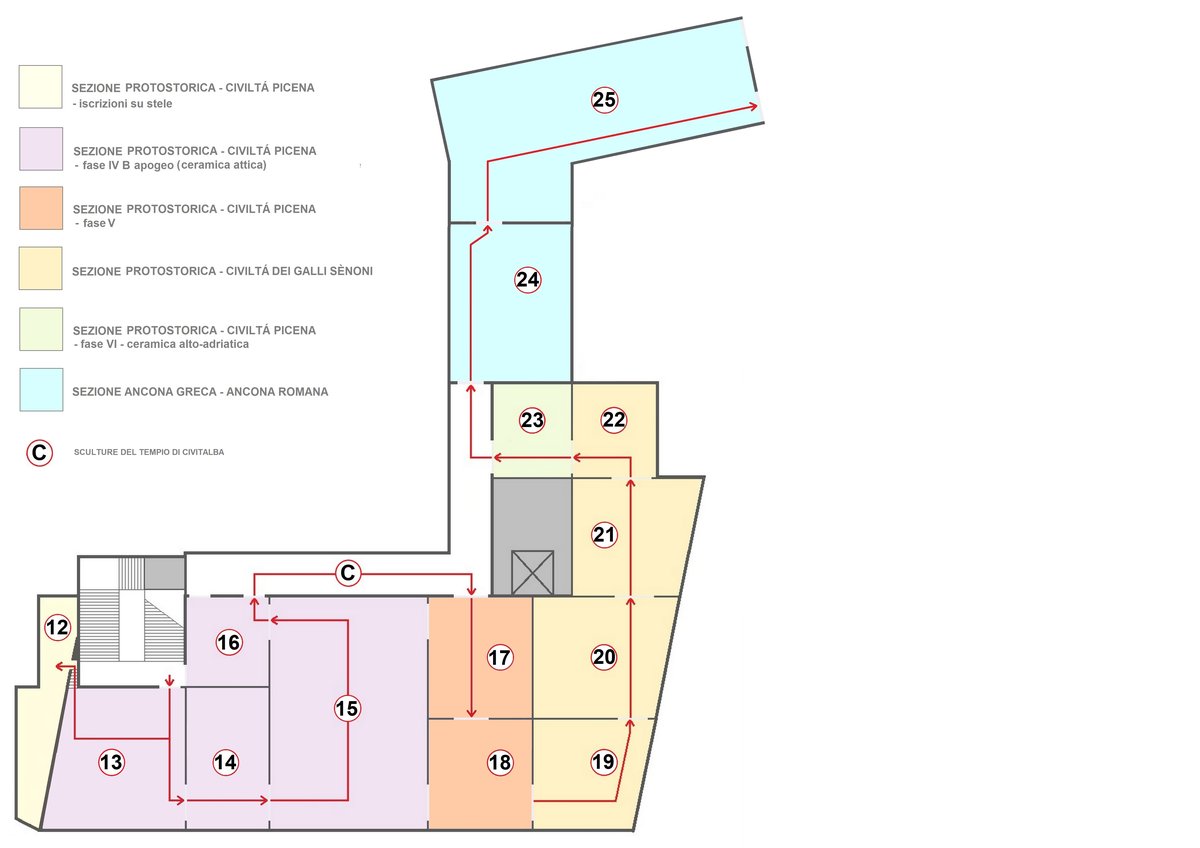
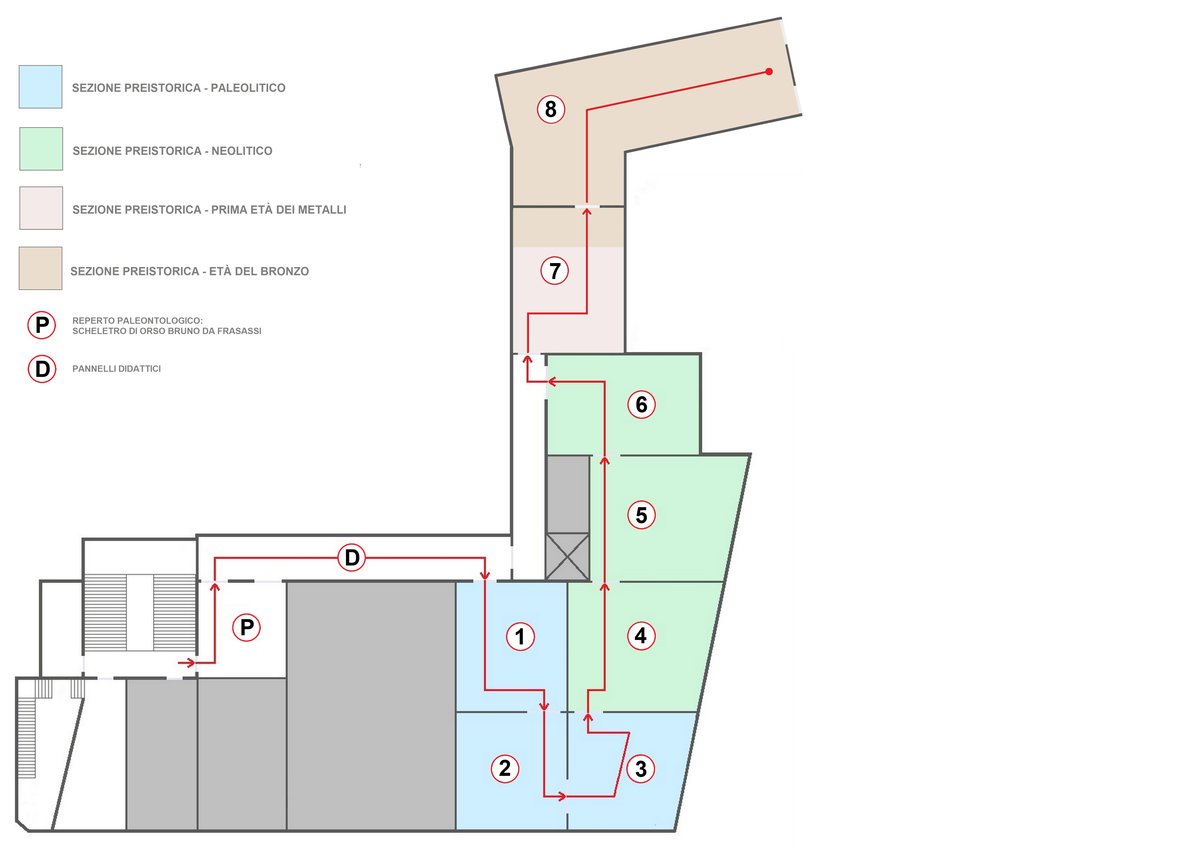
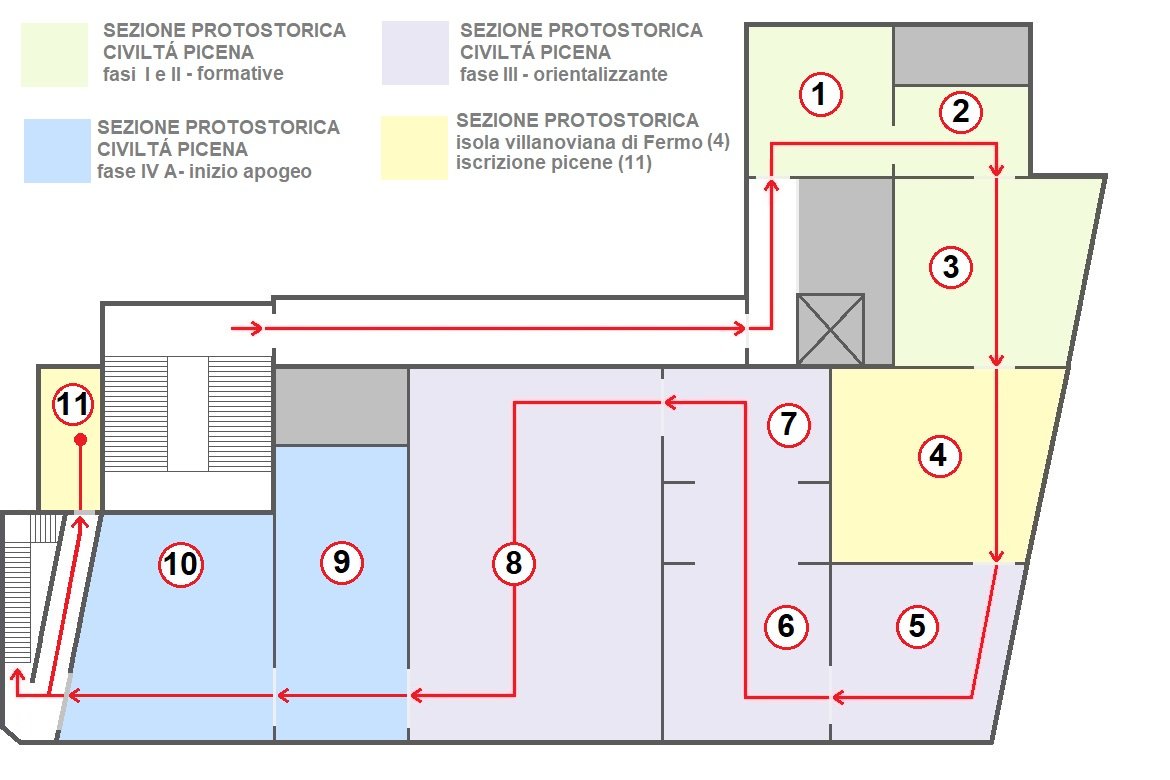
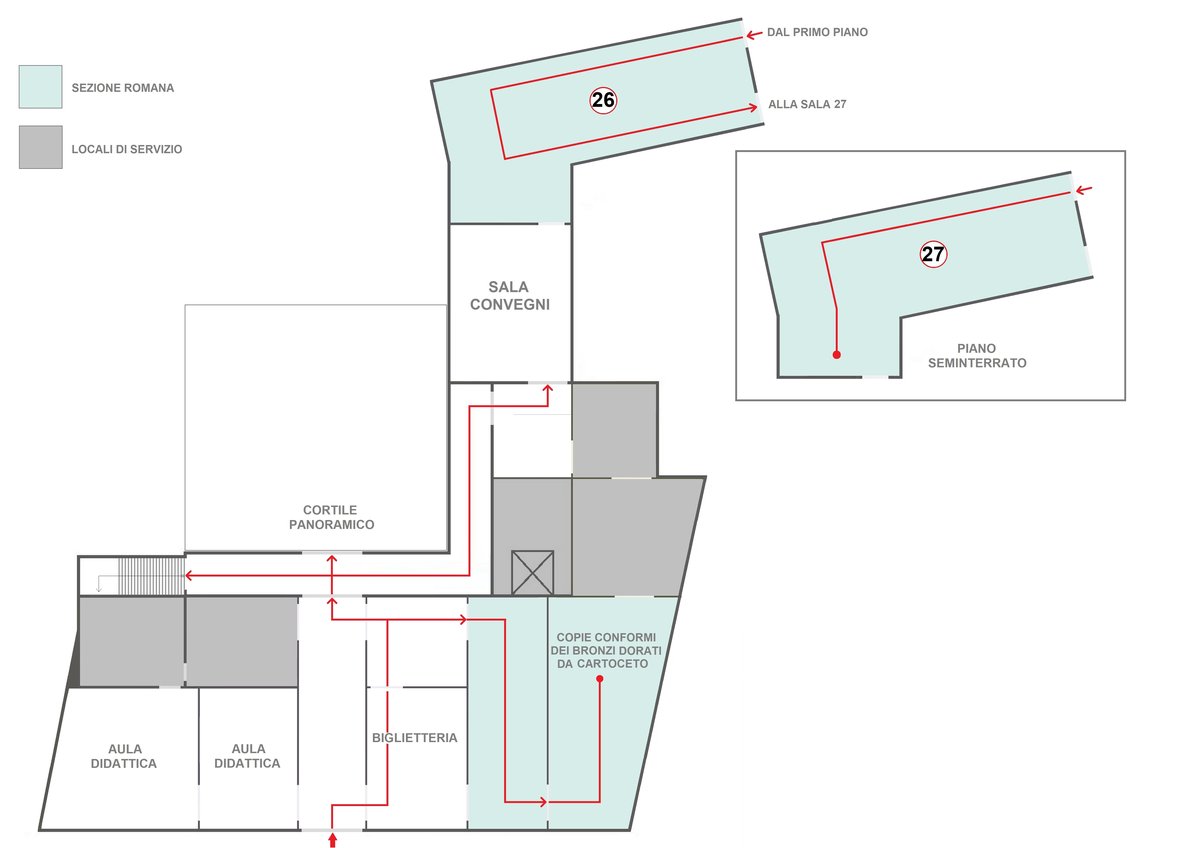
The interior’s 1980s redesign by Franco Minissi prioritized both clarity and accessibility, with galleries arranged chronologically and thematically. Ongoing renovations, expected to conclude by 2026, will enhance lighting, expand exhibition space, and improve accessibility.
Modernization and Accessibility
Recent and ongoing modernization projects include seismic reinforcement, advanced climate and security systems, and a unique “library of objects” concept that will offer public access to the museum’s storerooms (Finestre sull’Arte).
Significance and Collections
Regional and National Importance
MAN Marche is renowned for its comprehensive collections from the Picene, prehistoric, and Roman periods, as well as its research and conservation efforts that have furthered the understanding of Italy’s ancient history (Comune di Ancona).
Educational and Cultural Engagement
The museum actively engages the public through workshops, guided tours, and temporary exhibitions, fostering greater appreciation of Marche’s archaeological heritage (Marcheology.it).
Visitor Information
Visiting Hours
- Tuesday & Wednesday 8:30 AM – 1:30 PM
- Thursday to Saturday 8:30 AM – 7:30 PM
- Sunday 2:00 PM – 7:30 PM
- Closed on Mondays
Hours may vary for holidays or special events; always confirm on the official website.
Tickets
- General Admission €7
- Reduced Admission (EU citizens 18-25) €3.50
- Free Entry Under 18, Ancona residents, on special cultural days
- Group and School Discounts Available with reservation
Tickets are available online and at the entrance.
Accessibility
Palazzo Ferretti is equipped with ramps, elevators, accessible restrooms, and tactile exhibits to accommodate visitors with disabilities. Assistance is available on request.
Guided Tours and Events
Guided tours in Italian and English, as well as educational workshops, are offered and can be booked in advance. The museum also hosts temporary exhibitions and cultural events.
Highlights and Key Exhibits
Prehistoric Collections
- Frasassi Venus A Paleolithic limestone statuette symbolizing fertility, dating back ~28,000 years (Rossiwrites).
- Neolithic and Bronze Age artifacts: Flint tools, pottery, and burial goods.
Picene Artifacts
- Warrior tombs: Bronze helmets, swords, shields, and jewelry.
- Everyday items and imported Greek/Etruscan ceramics, illustrating trade and cultural exchange.
Etruscan, Greek, and Roman Finds
- Attic vases, Etruscan bronzes, and religious artifacts.
- Roman mosaics, inscriptions, domestic objects, and funerary art.
Numismatics and Later Periods
- Extensive coin collection from Greek, Roman, and medieval times.
- Select medieval and Renaissance artifacts, including coins and religious objects.
Travel Tips and Nearby Attractions
- Best Visit Times Weekday mornings or off-peak seasons for a quieter experience.
- Getting There Centrally located, accessible by public transport or on foot. Parking is available nearby but may be limited.
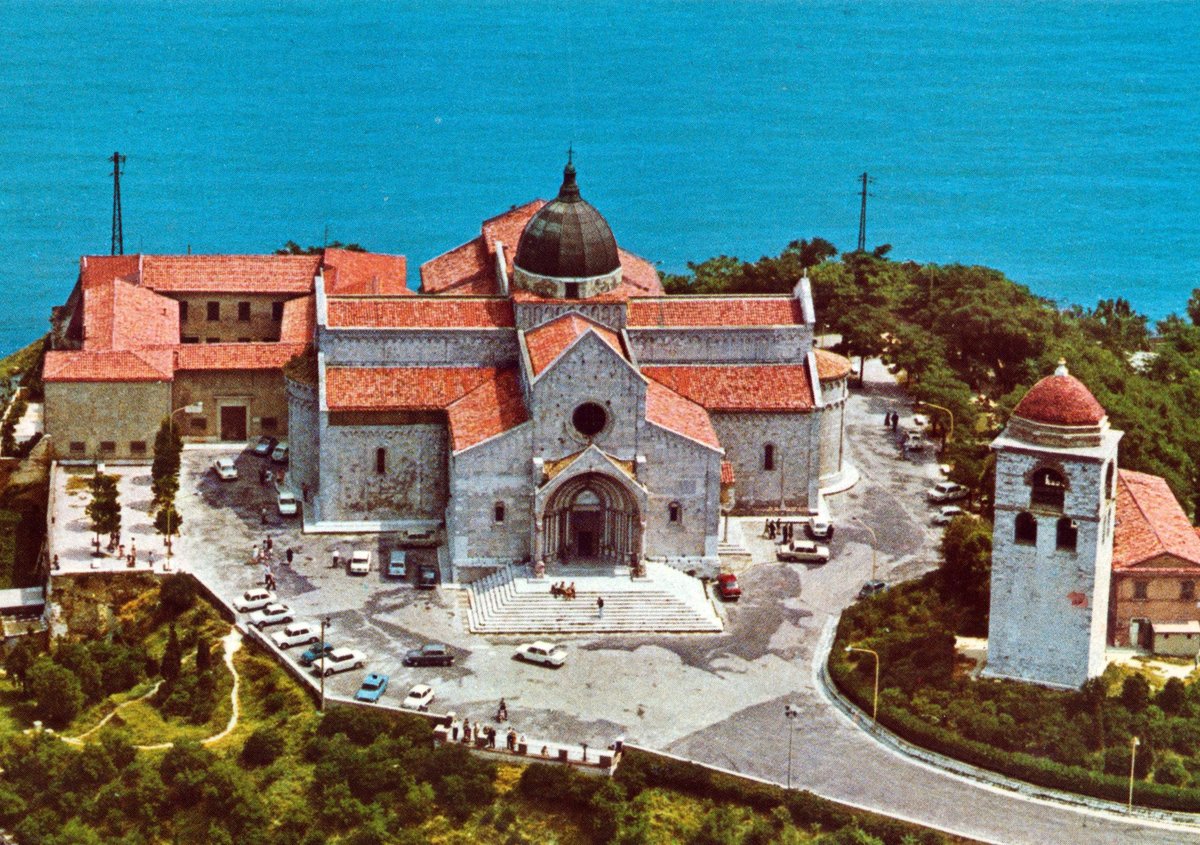
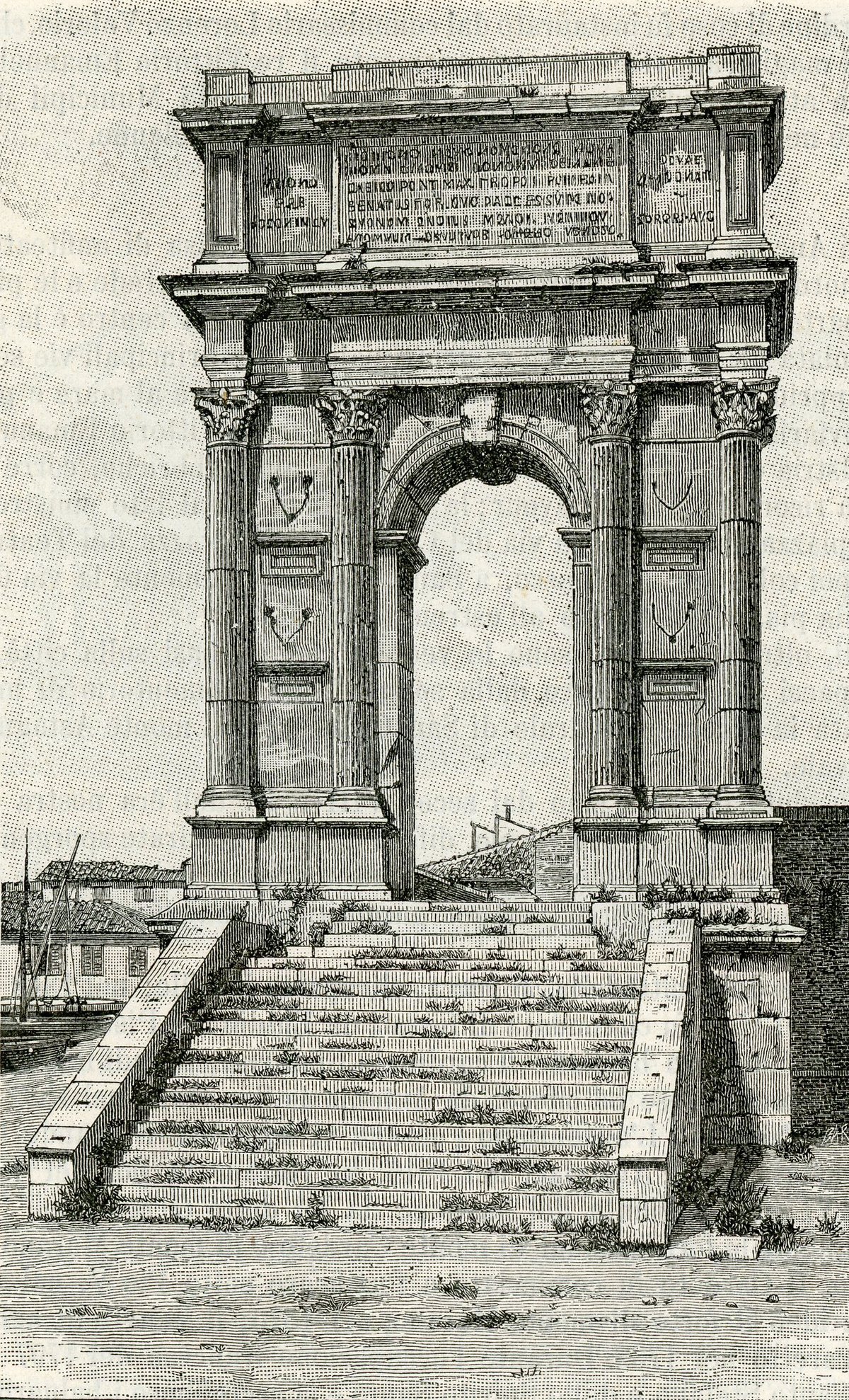
- Nearby Sites Cathedral of San Ciriaco, Arch of Trajan, Roman Amphitheater, and the Lazzaretto.
- Photography Non-flash photography is permitted; restrictions apply to some exhibits. The palace terrace offers excellent photo opportunities.
- Amenities Café, museum shop, restrooms, and educational spaces are available on site.
Frequently Asked Questions (FAQs)
Q: What are the museum’s opening hours?
A: Tuesday & Wednesday: 8:30 AM–1:30 PM; Thursday–Saturday: 8:30 AM–7:30 PM; Sunday: 2:00 PM–7:30 PM; closed Mondays.
Q: How much are tickets and who is eligible for discounts?
A: General admission is €7, reduced rates for EU youth (18–25), free for under 18s and on special days.
Q: Is the museum accessible?
A: Yes, with full accessibility features and assistance available.
Q: Are guided tours available?
A: Yes, in Italian and English by reservation.
Q: What other sites are close by?
A: Cathedral of San Ciriaco, Roman Amphitheater, Lazzaretto, and more.