Denpasar.

8° S · 115° E Indonesia

The first thing that hits you in Denpasar is the smell of incense drifting from a temple gate while a man in flip-flops roasts a whole pig on a bamboo spit across the street. This is Indonesia’s most overlooked capital, the administrative heart of Bali that most travelers treat as an airport transfer point. They’re missing the place where Balinese life still runs on its own clock.

Listen to the guide — 47 min Open the map
Denpasar, Indonesia
Denpasar · Indonesia
12
attractions
2-3 days
days suggested
April to October
best season
EN · EN
narration

03 Top tickets in Denpasar.

Book ahead

Curated from places in this city. Same price as official sites.

Ubud: Monkey Forest, Jungle Swing, Rice Terrace and Water Temple
Tegenungan Waterfall
Ubud: Monkey Forest, Jungle Swing, Rice Terrace and Water Temple
5.0 from €24.35
Private 1-Day Ubud Highlights Tour
Tegenungan Waterfall
Private 1-Day Ubud Highlights Tour
5.0 from €23.24
Bali Private Car Hire with Driver
Tanah Lot
Bali Private Car Hire with Driver
4.9 from €26.34
Individual Bali Day Trip with Private Driver and Free WiFi
Bajra Sandhi Monument
Individual Bali Day Trip with Private Driver and Free WiFi
4.8 from €21.58
Best of Ubud in One Day-Private Tour with Lunch & Top Attractions
Tegenungan Waterfall
Best of Ubud in One Day-Private Tour with Lunch & Top Attractions
5.0 from €24.65
Ubud White Water Rafting on the Ayung River with Pickup & Lunch
Tegenungan Waterfall
Ubud White Water Rafting on the Ayung River with Pickup & Lunch
4.9 from €23.34

Prices shown are indicative — final pricing and availability are confirmed at checkout. Audiala may receive a commission from bookings made via these links.

01 An introduction

synthesized from 240+ sources ·

DThe first thing that hits you in Denpasar is the smell of incense drifting from a temple gate while a man in flip-flops roasts a whole pig on a bamboo spit across the street. This is Indonesia’s most overlooked capital, the administrative heart of Bali that most travelers treat as an airport transfer point. They’re missing the place where Balinese life still runs on its own clock.

Markets open before dawn. Gamelan rehearsals leak from neighborhood halls after dusk. The city carries the weight of the 1906 Puputan, when the entire royal court of Badung dressed in white and chose ritual suicide over Dutch surrender. That bronze family monument in Puputan Square isn’t decoration. It’s a reminder.

Four districts stitch together rice fields, coral-stone temples, government offices, and four-story markets. Sarongs are rented for 20,000 rupiah at every temple door. Foreigners pay ten times the local rate at Bajra Sandhi Monument, yet the dioramas inside remain one of the clearest summaries of Balinese history you’ll find. The city doesn’t perform for visitors. It simply continues.

Budget Friendly Photography Hotspot

02 Why Denpasar.

What makes this place worth slowing down for.

Puputan Square

The bronze family stands frozen mid-stride, daggers raised. They commemorate the 1906 ritual suicide of the entire Badung court rather than surrender to Dutch troops. Stand here at dusk and you’ll feel the weight of that choice in the quiet.

Bali Museum

Built in 1910 to stop Balinese art leaving the island, its pavilions copy old palaces and temples. Inside you’ll find 14th-century kris daggers, centuries-old masks still used in ceremonies, and textiles whose patterns encode family histories. The quietest, most revealing stop in the city.

Jagatnatha Temple

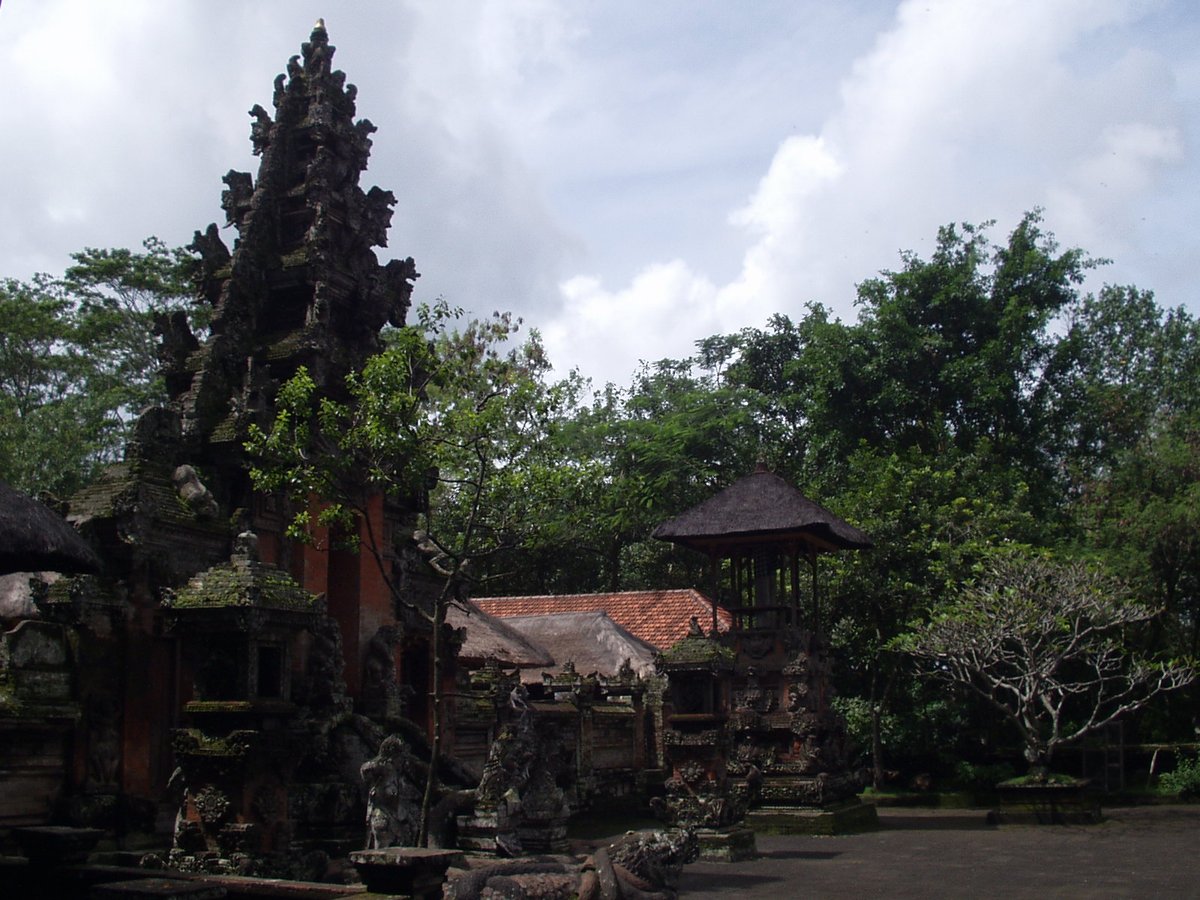
The towering white coral Padmasana throne rests on a giant turtle that represents the world. Carvings from the Ramayana catch the morning light. On full moons the courtyard fills with the sound of wayang kulit puppets—raw leather shadows telling stories older than the temple itself.

Bajra Sandhi Monument

The 45-metre bell-shaped monument encodes Indonesia’s independence date: 17 doors, 8 pillars, height of 45. Below it, 33 dioramas walk you through Balinese history in cool, dim light. Climb to the top for unbroken views across Denpasar rooftops and rice fields.


03 Places to Visit.

Not every monument, just the ones we'd walk you past ourselves.
Tanah Lot
Editor's pick
01 · Place

Tanah Lot

Tanah Lot, located in Denpasar, Indonesia, is one of Bali's most iconic and culturally significant landmarks.

02 Place

2002 Bali Bombings

Gang Troppozone, situated in the heart of Denpasar, Bali, has rapidly become a must-visit destination for tourists and locals alike.

Tegenungan Waterfall
03 Place

Tegenungan Waterfall

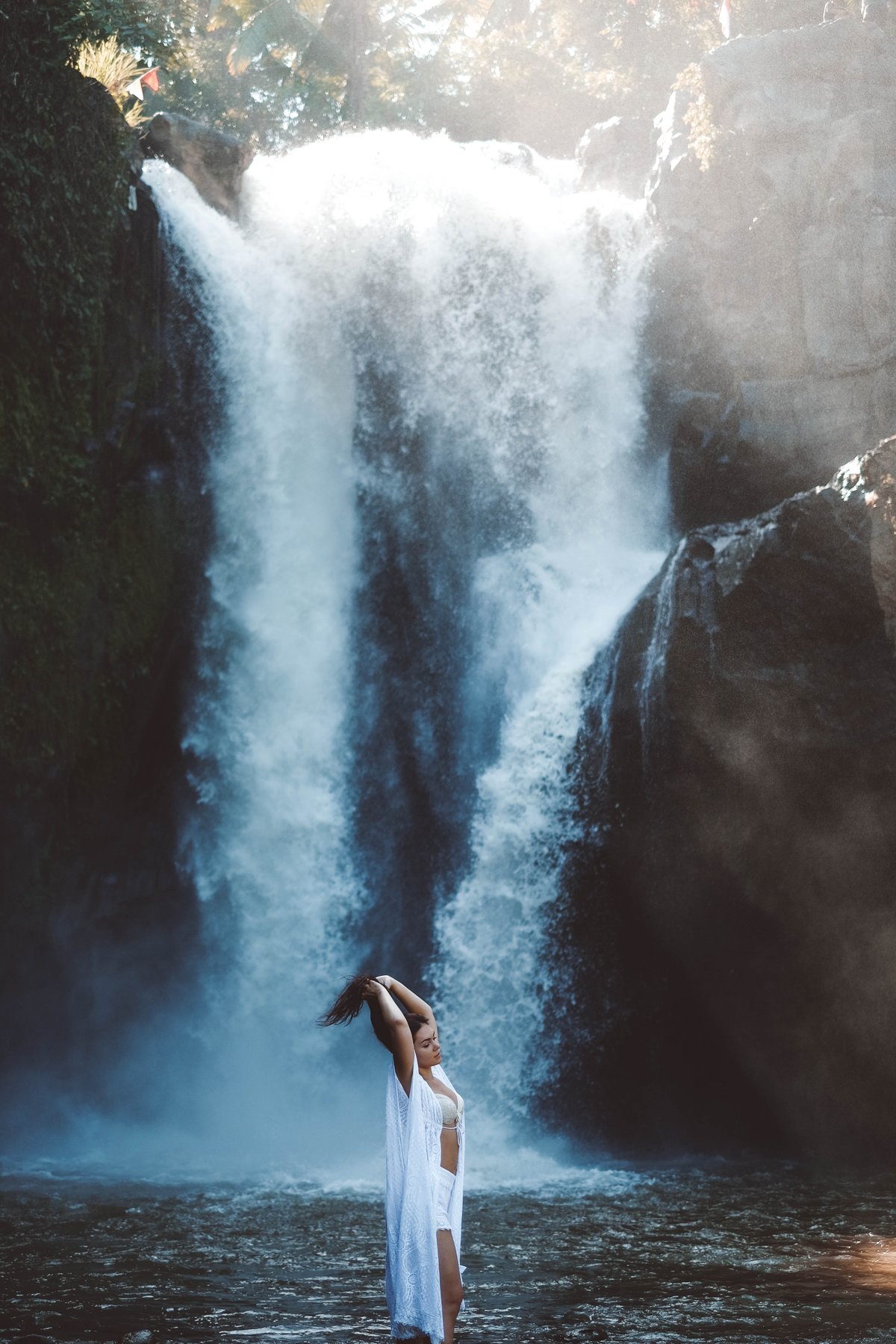
Tegenungan Waterfall, located in the serene village of Kemenuh in Bali's Gianyar Regency, is one of the island's most cherished natural gems.

Bajra Sandhi Monument
04 Place

Bajra Sandhi Monument

The Bajra Sandhi Monument, located in the heart of Denpasar, Bali, is more than just an architectural marvel; it is a testament to the resilience and cultural…

Bali Bird Park
05 Place

Bali Bird Park

Bali Bird Park, located in the village of Singapadu near Denpasar, Indonesia, is a premier destination for bird enthusiasts and nature lovers.

06 Place

Jimbaran

Honeymoon Beach, nestled in the vibrant city of Denpasar, Bali, Indonesia, is a destination that seamlessly blends natural beauty, historical richness,…

07 Place

Sanur Kaja

Denpasar, the bustling capital city of Bali, Indonesia, is a vibrant blend of historical richness, cultural significance, and modern-day allure.

All 18 places in Denpasar

04 Neighborhoods.

Where to wander, by quarter — each with its own rhythm.

01

Renon

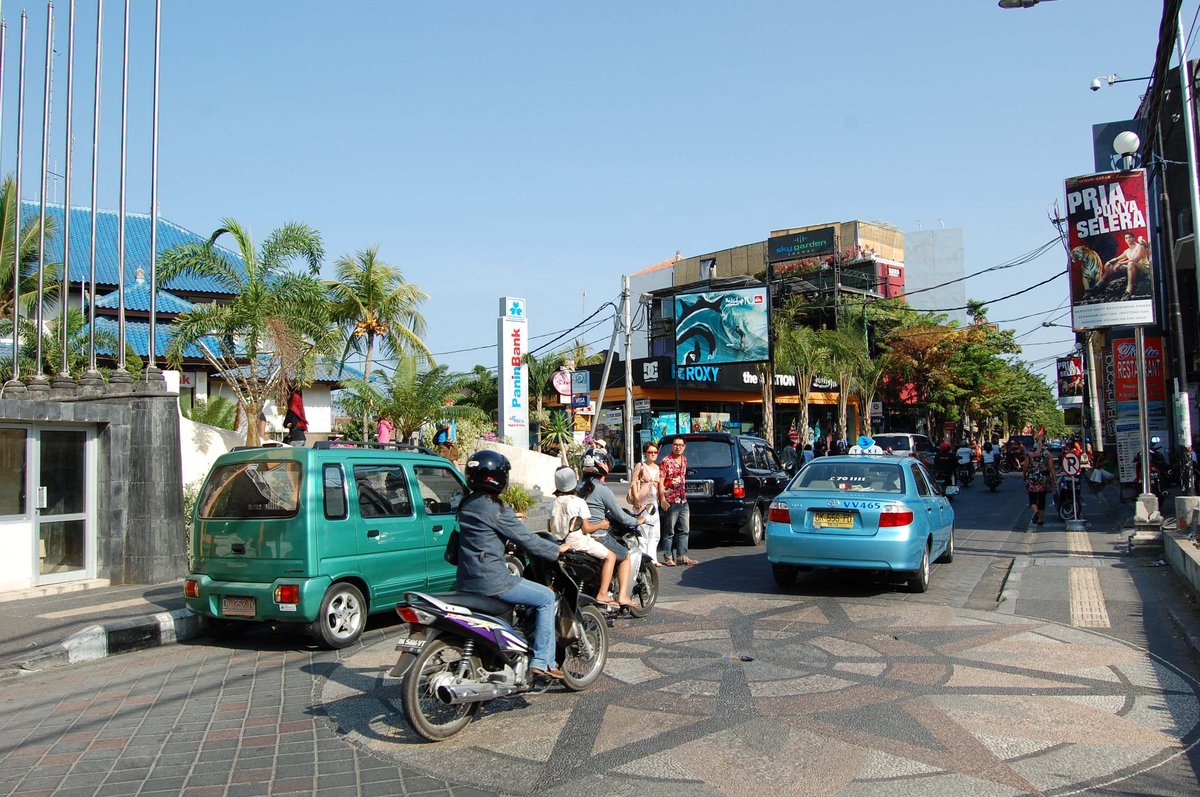
The diplomatic and government quarter feels like a different city. Wide streets, the bell-shaped Bajra Sandhi Monument rising 45 meters above Lapangan Puputan Margarana, and the best babi guling in town at Pan Ana. Joggers circle the park at sunrise. Young professionals fill the slightly upscale cafes in the evening. This is where Denpasar shows its ordered, administrative face.

02

Denpasar Timur

Home to the Bali Museum and Jagatnatha Temple, both sitting beside the city’s main square. Traditional Balinese pavilions house centuries-old masks, kris daggers, and textiles. Shadow-puppet performances happen on full and new moons. Further east you reach Kertalangu Cultural Village, 80 acres of working rice paddies where locals still teach rice planting and horse riding.

03

Sanur

The eastern beach district moves at half speed. A paved boardwalk runs beside calm, reef-protected water perfect for sunrise yoga or watching jukung fishing boats head out. Le Mayeur Museum sits right on the sand, its carved wooden house still containing 80 paintings of daily Balinese life. Quieter and more local than anywhere on the west coast.

04

Around Pasar Badung

The commercial soul of the city. Four stories of produce, spices, ceremonial goods, and textiles spill across the market and its sister Pasar Kumbasari just over the river. Come before 7am for the freshest chaos and the cheapest breakfast stalls serving tipat cantok and banana-trunk soup. Jalan Sulawesi’s covered fabric corridors run parallel, selling everything by the meter to local dressmakers.

05

Sesetan

Dense, unpolished, and almost entirely local. This southern neighborhood packs warungs so tightly that evenings feel like one long night market. Cheap, honest food, minimal English menus, and the kind of everyday Balinese life most tourists never see. Perfect if you want to eat where the hospital staff eats.

06

Serangan Island

Also called Turtle Island, connected by a causeway south of the city. The 10th-century Sakenan Temple draws pilgrims, while the Turtle Conservation Centre releases rescued hatchlings. Limestone and coral walls, fewer motorbikes, and a noticeably slower pace than mainland Denpasar.

Historical Timeline

From Sacred Inscription to Concrete Capital

Denpasar's layers run deeper than the tourist trail suggests

Early Balinese Kingdoms
911 CE

Blanjong Inscription Carved

Sri Kesari Warmadewa ordered words cut into stone on the Sanur coast. The oldest surviving written record from Bali speaks of victories and alliances. What is now southern Denpasar already belonged to a networked kingdom trading ideas across the archipelago. The smell of wet coral and incense has lingered at that spot for eleven centuries.

Majapahit Influence
1278

Pura Maospahit Founded

Kebo Iwa supposedly laid the first terracotta bricks during the Majapahit expansion. The temple's red walls still stand in northern Denpasar, their Javanese style a visible scar of conquest and cultural absorption. Local memory insists the giant statues of Garuda and Bayu were his doing. Tradition, not documents, but the bricks do not lie.

Badung Kingdom
1788

Puri Agung Denpasar Completed

I Gusti Ngurah Made Pemecutan moved his court north of the market and declared the new palace finished. The name Denpasar stuck. For the next century this cluster of walls, pavilions and noble houses formed the beating heart of the Badung kingdom. The air here once carried the sounds of gamelan rehearsals and royal decrees.

1820

Puri Agung Jro Kuta Built

Another noble branch raised its own palace in western Denpasar. The city was no longer a single royal compound but a constellation of competing puris. Power fractured along family lines while the central market grew louder and smellier by the year. Concrete proof that even paradise kingdoms had real estate disputes.

Dutch Conquest
1904

Sri Kumala Runs Aground

A Chinese schooner wrecked near Sanur. The Dutch used salvage rights as excuse for confrontation. What began as a dispute over driftwood ended with warships offshore. The prelude to massacre smelled of salt and gunpowder.

1906

Puputan Badung Massacre

On 20 September Dutch troops marched into the royal centre. Rather than surrender, Raja I Gusti Ngurah Made Agung led over a thousand Balinese — men, women, children — in ritual death. They walked straight into rifle fire dressed in white and gold. The palace burned. The kingdom died that afternoon.

Colonial Administration
1910

Bali Museum Idea Born

Assistant Resident W.F.J. Kroon gathered Balinese nobles and artists to preserve what colonial guns had nearly erased. The project would take seventeen years. Its quiet galleries now hold the textiles and masks that almost vanished in 1906. Sometimes the best resistance is curation.

1917

Devastating Bali Earthquake

The ground shook for minutes on 21 January. Fifteen hundred people died across the island. Pura Maospahit collapsed. Denpasar's surviving temples cracked like eggshells. Reconstruction after the quake quietly mixed Dutch engineering with Balinese carving traditions. The hybrid style still stands.

1932

Le Mayeur Arrives in Denpasar

The Belgian painter rented a house in the city before moving to Sanur. He met a fourteen-year-old dancer named Ni Pollok. Their improbable love story would leave eighty canvases and one perfectly preserved studio by the beach. Light on skin and frangipani shadows became his signature.

Indonesian Revolution
1946

Denpasar Conference Convenes

Dutch-sponsored delegates met at Hotel Bali from 7 to 24 December. They created the short-lived State of East Indonesia. For a moment the city became diplomatic theatre while republican fighters hid in the hills. The building still exists. Few tourists realise what was signed inside.

Post-Independence Era
1958

Becomes Provincial Capital

Denpasar officially replaced smaller towns as seat of Bali Province. The former royal city, looted in 1906, now governed the entire island. Concrete ministries rose where palaces once stood. The shift felt both inevitable and slightly absurd to older residents.

1963

Pura Jagatnatha Construction Approved

Governor Anak Agung Bagus Sutedja greenlit the island's largest public temple dedicated to the supreme deity. White coral and Ramayana carvings rose beside the old museum. It took five turbulent years. The temple opened in 1968 smelling of fresh stone dust and hope.

1968

Bali Arts Festival Launched

The first Pesta Kesenian Bali filled Denpasar with dancers and musicians. What began as a modest showcase became Indonesia's longest-running arts event. For one month each year the city still vibrates with gamelan at dusk. Nothing quite matches the sound of five hundred metallophones under the banyan trees.

1973

Taman Budaya Art Centre Opens

The vast performance complex in Renon gave Bali a modern stage worthy of its traditions. Governor Ida Bagus Mantra pushed the project through. Its open-air theatre has hosted every major Balinese artist since. The building itself looks like a temple that learned how to host rock concerts.

Modern Municipality
1992

Becomes Autonomous Municipality

Law No.1 formally separated Denpasar from Badung Regency. After two centuries of being capital, market town, colonial outpost and provincial seat, the city finally belonged to itself. Population already approached half a million. The concrete had long since won.

2002

Bali Bombings Strike

While the main blasts tore through Kuta, a smaller device exploded outside the US consular office in Denpasar. Sanglah Hospital filled with the injured. The city absorbed grief and international scrutiny. Security checkpoints appeared where children once flew kites.

2003

Bajra Sandhi Monument Opens

The giant bell-shaped memorial in Renon finally opened after two decades of planning. Inside, 33 dioramas tell Bali's story from prehistoric times to independence. Climb to the top on a clear day and the city spreads below you like a living history book. The view includes both royal ghosts and traffic jams.

2003

Joey Alexander Born

A jazz prodigy entered the world in Denpasar hospitals. By age nine he was improvising like a veteran. The city claims him quietly. His story reminds us that extraordinary talent can emerge from any street corner, even one surrounded by motorbikes and incense stalls.

2016

Pasar Badung Burns

Fire tore through the city's main market on 29 February. Six levels of stalls and centuries of trading tradition went up in smoke. The smell lingered for weeks. Three years later a sleek new version reopened with 1,450 stalls. Locals still argue whether it lost its soul.

Present Day

06 Who lived here.

The people who shaped the city — and were shaped by it.

Jazz Pianist born 2003

Joey Alexander

Born in Denpasar

The prodigy taught himself piano at age six using his parents' battered keyboard in a modest Denpasar home. By eleven he was recording standards that left seasoned New York musicians speechless. Though he left for America in 2014, the city still claims the Grammy-nominated pianist who proved Balinese hands could master American jazz.

Military Commander 1917–1946

I Gusti Ngurah Rai

Airport named after him; led resistance in Badung region

The young commander refused to surrender when Dutch forces returned in 1946. He and his men chose a final stand at Marga rather than submit. His name now graces the airport most visitors fly into, a daily reminder that Denpasar exists because Balinese fighters refused to let it remain a Dutch colony.

08 Where to Eat.

Where locals actually book dinner — not the tourist menus.

WARUNG KOPI BAGUS 2 WARUNG KOPI BAGUS 2
Cafe €€

WARUNG KOPI BAGUS 2

5 View
Kafe Sebelah Kafe Sebelah
Cafe €€

Kafe Sebelah

5 View
Burger Bastard Burger Bastard
Quick bite €€

Burger Bastard

5 View
OT OT
Cafe €€

OT

5 View
Edam Burger Edam Burger
Quick bite €€

Edam Burger

5 View
Poetry Bakery BALI Poetry Bakery BALI
Cafe €€

Poetry Bakery BALI

5 View

09 Insider tips.

Small things that change how the city treats you.

Arrive Early at Markets

Pasar Badung opens at 4am. Get there by 6am for the freshest produce, lowest prices, and breakfast stalls serving nasi jukut before the crowds arrive. By 9am the best items are gone.

Bring Your Own Sarong

Every temple requires one. Renting at Jagatnatha or Sakenan costs extra and the unofficial collectors can be aggressive. Buy one for IDR 30,000 in Jalan Sulawesi and keep it in your day bag.

Eat Babi Guling Before Noon

The pigs at Babi Guling Pan Ana are roasted at dawn and usually sell out by 11am. Order the crispy kulit, urutan sausage, and lawar. Come hungry — portions are generous.

Skip Grab in Traffic

Use the K-series Trans Sarbagita buses (K1B, K5B) between Renon, Bajra Sandhi, and Serangan Island. Fares are Rp 4,400 with QRIS. Far cheaper and often faster than motorbike taxis in rush hour.

Visit During Dry Season

April to October brings less rain and easier temple visits. December–March rains are heavy but rarely last all day. Avoid Nyepi if you need to travel — the entire island shuts down.

Carry Small Rupiah Notes

Warungs and market stalls rarely break large bills. Have plenty of Rp 10,000 and Rp 20,000 notes ready. Nasi jinggo still costs under Rp 7,000 at night carts near Pasar Kumbasari.

12 Frequently asked

Is Denpasar worth visiting?

Yes, if you want to see how Balinese people actually live. Most tourists race past it to Ubud or Seminyak and miss the museums, temples, and markets that feel like real Bali. Spend two full days here before heading elsewhere. The city rewards slow exploration.

How many days should I spend in Denpasar?

Two to three days works well. One day for central sights — Bali Museum, Jagatnatha Temple, Bajra Sandhi Monument and Puputan Square. Another for Sanur Beach, Le Mayeur Museum and Kertalangu Cultural Village. Three days lets you catch a market at dawn and a wayang kulit performance.

Is Denpasar safe for tourists?

Much safer than Kuta. Petty theft exists but violent crime is rare. The biggest risks are aggressive unofficial sarong collectors near temples and traffic. Stick to well-lit areas at night and use Grab or Gojek rather than walking long distances after dark.

How do I get from Ngurah Rai Airport to Denpasar?

Grab or Gojek is simplest and costs around Rp 150,000 to central Denpasar. The official airport taxi is more expensive. Trans Metro Dewata buses now run from the airport but require exact change or QRIS. Journey takes 30-45 minutes depending on traffic.

When is the best time to visit Denpasar?

April to October offers the driest weather and easiest outdoor exploration. The Bali Arts Festival runs June–July at Werdhi Budaya Art Centre with daily performances and the massive opening parade. Avoid Nyepi in March when nothing moves for 24 hours.

Are attractions in Denpasar expensive?

Most are very cheap by tourist standards. Bajra Sandhi Monument costs Rp 100,000 for foreigners. Bali Museum and temples are under Rp 50,000. Warung meals run Rp 25,000–50,000. The foreigner-local pricing gap is largest at the monument.

Ready to book?

03 Top tickets in Denpasar.

Book ahead

Curated from places in this city. Same price as official sites.

Ubud: Monkey Forest, Jungle Swing, Rice Terrace and Water Temple
Tegenungan Waterfall
Ubud: Monkey Forest, Jungle Swing, Rice Terrace and Water Temple
5.0 from €24.35
Private 1-Day Ubud Highlights Tour
Tegenungan Waterfall
Private 1-Day Ubud Highlights Tour
5.0 from €23.24
Bali Private Car Hire with Driver
Tanah Lot
Bali Private Car Hire with Driver
4.9 from €26.34
Individual Bali Day Trip with Private Driver and Free WiFi
Bajra Sandhi Monument
Individual Bali Day Trip with Private Driver and Free WiFi
4.8 from €21.58
Best of Ubud in One Day-Private Tour with Lunch & Top Attractions
Tegenungan Waterfall
Best of Ubud in One Day-Private Tour with Lunch & Top Attractions
5.0 from €24.65
Ubud White Water Rafting on the Ayung River with Pickup & Lunch
Tegenungan Waterfall
Ubud White Water Rafting on the Ayung River with Pickup & Lunch
4.9 from €23.34

Prices shown are indicative — final pricing and availability are confirmed at checkout. Audiala may receive a commission from bookings made via these links.

13Before you go

Practical Information

Flight

Getting There

All flights arrive at I Gusti Ngurah Rai International Airport (DPS), 13 km south of central Denpasar. Official airport taxis, Grab, and Gojek pick up directly outside the terminals. The Trans Metro Dewata bus line GOR Ngurah Rai–Airport runs in 2026 but expect 45–60 minutes to Renon in traffic.

Directions transit

Getting Around

No metro or tram exists in 2026. Trans Metro Dewata buses serve key corridors with fares at Rp 4,400 using QRIS payment. Grab and Gojek dominate short hops. A 25 km separated bike lane links Renon to Sanur along Ahmad Yani and Puputan roads, though most visitors still use motorbike taxis.

Thermostat

Climate & Best Time

Daytime temperatures hover between 29–31 °C year-round. Dry season runs April–October with almost no rain from July to September. Wet season peaks January–March. Visit May–September for reliable dry days and easier temple visits. Nyepi on 19 March 2026 closes the airport and the entire island.

Shield

Safety

Bag-snatching happens on busy streets and at transport hubs after dark. Use only app rides where driver and plate match. Scooter rental is the biggest risk—traffic is chaotic and accidents common. The mandatory Rp 150,000 Bali tourist levy is paid online before or on arrival.

Take Denpasar with you

47 minutes of Denpasar,
downloaded once.

18 places, one continuous walking route. Free with your first city.

Get this guide on the app Open in browser

All Places to Visit.

18 places to discover

Tanah Lot
Place

Tanah Lot

Place

2002 Bali Bombings

Tegenungan Waterfall
Place

Tegenungan Waterfall

Bajra Sandhi Monument
Place

Bajra Sandhi Monument

Bali Bird Park
Place

Bali Bird Park

Place

Jimbaran

Place

Sanur Kaja

Place

East Denpasar

Bali Museum
Place

Bali Museum

Place

South Denpasar

Alas Kedaton
Place

Alas Kedaton

Place

Agung Rai Museum of Art

Place

Sanur Kauh

Place

Le Mayeur Museum

Pura Dalem Agung Padangtegal
Place

Pura Dalem Agung Padangtegal

Place

Bali Mandara Toll Road

Place

Ngurah Rai Stadium

Place

Kompyang Sujana Stadium