Historical Background and Religious Significance
Origins and Historical Development
Barahi Temple was constructed in the early 10th century CE under the Somavamsi dynasty, a period marked by prolific temple building and the flourishing of both Shaiva and Shakta traditions. The temple’s location in Chaurasi village, along the sacred Prachi River, situates it within a region famed for shakti shrines and tantric practices.
The Somavamsis’ patronage resulted in the evolution of distinct temple forms in Odisha. Barahi Temple is the largest and best-preserved example of the Khakhara style—a rare, barrel-vaulted architectural type primarily dedicated to goddess worship. Its proximity to major sites such as the Sun Temple at Konark and Jagannath Temple at Puri further enhances its importance as a pilgrimage and heritage destination (trawell.in, lunarsecstacy.com).
Architectural Features and Artistic Heritage
The temple’s east-facing structure is crafted from sandstone and enclosed within a compound wall. The sanctum (garbhagriha) and jagamohana (assembly hall) follow a pancharatha (five-projection) plan, with the sanctum’s signature barrel-vaulted (Khakhara) roof rising distinctively above the landscape. Intricate carvings adorn the exterior and interior, including mythological scenes, tantric symbols, and daily life motifs. Erotic sculptures, a hallmark of tantric art, are also present.
Subsidiary deities, such as Surya (the Sun God) and Ganesh, are featured in sculpted niches. The female doorkeepers (dwarapalas) are depicted in powerful forms, reinforcing the temple’s Shakta identity (shreekhetra.com, lunarsecstacy.com).
Iconography and Tantric Traditions
The presiding deity, Goddess Varahi, is depicted with a boar’s face and a pot-bellied feminine form, seated in lalitasana on a buffalo mount. The idol holds a fish (signifying her aquatic aspect) and a kapala (skull bowl), with a third eye symbolizing her supernatural powers. Daily worship follows strict tantric rituals, unique among regional temples, including the offering of fish—a practice rare in mainstream Hindu traditions (svanir.com, shreekhetra.com).
Varahi is venerated as a fierce protector and benevolent mother, embodying the dual aspects of Shakti. Her legend links her to the cosmic battle against demons and highlights her role in both tantric and Vaishnavite traditions.
Practical Visitor Information
Visiting Hours
- General Hours 6:00 AM to 8:00 PM daily
- Festival Hours May vary; confirm locally during major festivals
Entry Fees and Tickets
- Entry Free of charge
- Donations Welcomed for temple maintenance
Accessibility
- Mobility Moderate; uneven pathways and steps require caution for those with mobility challenges
- Facilities Basic amenities such as restrooms and drinking water are available; additional facilities are provided during festivals
How to Reach
- By Road Chaurasi is approximately 47 km from Puri and 30 km from Konark; accessible by taxi, private vehicle, or local bus
- By Rail Nearest station is Puri (47 km); onward travel by road
- By Air Biju Patnaik International Airport, Bhubaneswar (approx. 52–65 km)
- Public Transport Buses and shared autos run from Puri and Nimapada; check schedules in advance (TourMyIndia)
Best Time to Visit
- Ideal Months October to March (pleasant weather and major festivals)
- Photographers Early morning and late afternoon provide optimal light and atmosphere
Dress Code and Etiquette
- Dress modestly (shoulders and knees covered)
- Remove footwear before entering
- Photography is generally restricted in the sanctum; seek permission for other areas
Festivals and Cultural Events
Major Festivals
- Vijaya Dashami (Dussehra) Celebrated with elaborate rituals, decorations, and community gatherings (September–October) (Wikipedia)
- Chaitra Mela (Spring Fair) A vibrant fair with devotional music and folk performances (March–April)
- Raja and Dashara Significant local festivals drawing large crowds (Puriwaves)
Daily Rituals
- Tantric worship with unique offerings of fish and Mahaprasad (sacred food from Jagannath Temple in Puri)
- Special homas and yagnas during festivals
Nearby Attractions and Suggested Itinerary
- Jagannath Temple, Puri Major pilgrimage site (47 km)
- Konark Sun Temple UNESCO World Heritage Site (35 km)
- Raghurajpur Artist Village Traditional crafts (8 km from Puri)
- Chilika Lake & Nalbana Bird Sanctuary Birdwatching and boat rides (53 km)
- Baliharachandi Beach and Temple Scenic beach and shrine (23 km)
- Pipili Appliqué handicrafts (33 km)
- Amareswar and Laxminarayan Temples Local temples in Chaurasi village
Accommodation and Facilities
- Puri Range of hotels and guesthouses
- Konark Lodges and budget accommodations
- Nimapada Limited basic options
Plan accommodation ahead, especially around festivals.
Safety, Health, and Travel Tips
- Stay hydrated and carry water, particularly in warmer months
- Use insect repellent near the riverside
- Carry sunscreen and hats for sun protection
- Secure belongings during crowded festivals
- The nearest medical facilities are in Nimapada and Puri
FAQs
Q: What are the visiting hours of Barahi Temple?
A: Typically 6:00 AM to 8:00 PM; may vary during festivals.
Q: Is there an entry fee?
A: No, entry is free.
Q: How can I reach Barahi Temple from Puri?
A: By taxi, bus, or private vehicle via Nimapada; about 1.5 hours’ drive.
Q: Is photography allowed?
A: Restricted inside the sanctum; seek permission elsewhere.
Q: Are guided tours available?
A: Local guides can be hired at the temple entrance.
Q: What is the best time to visit?
A: October to March, for pleasant weather and festivals.
Visuals and Media
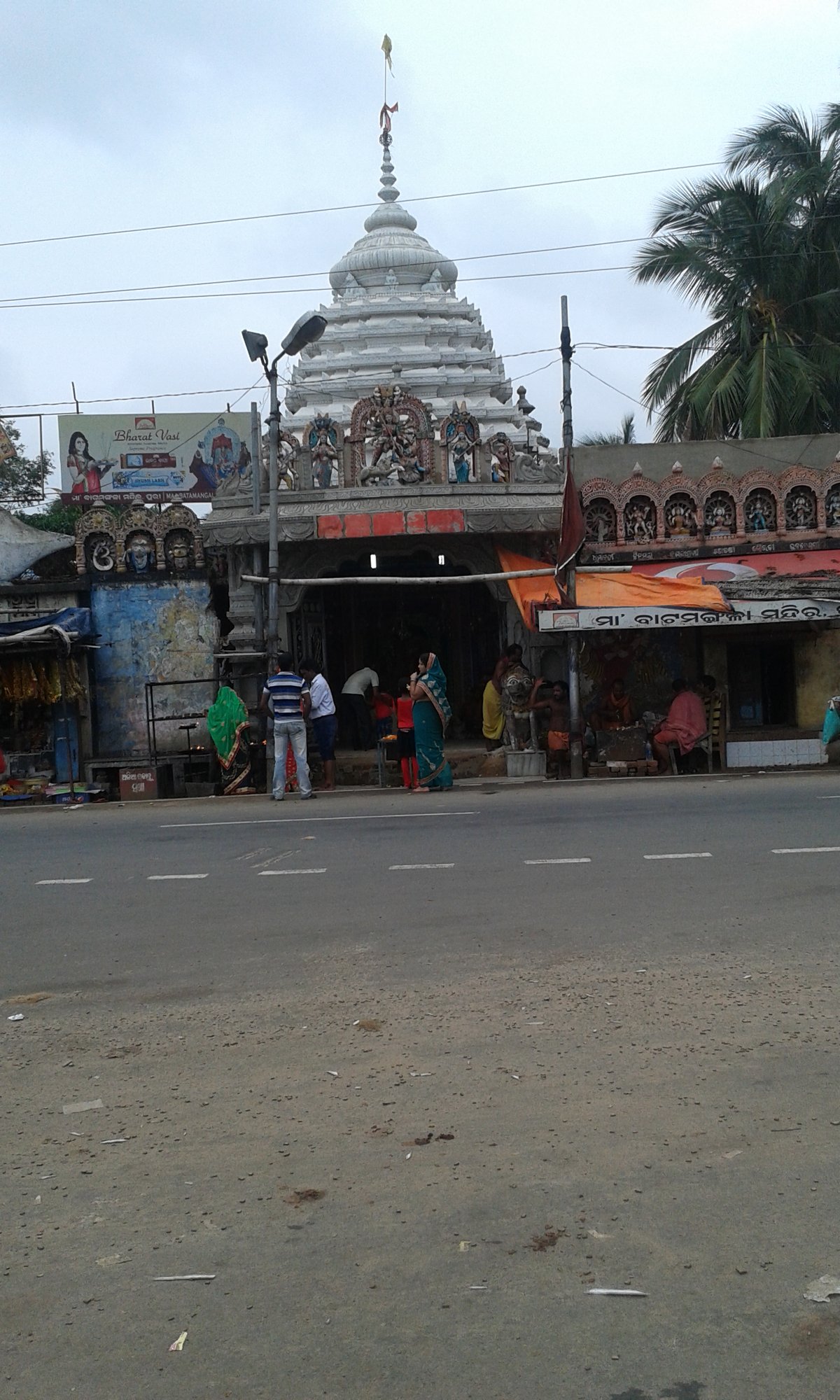
- Barahi Temple Exterior (alt="Barahi Temple entrance, Puri")
- Jagannath Temple, Puri (alt="Jagannath Temple in Puri")
- Konark Sun Temple (alt="Konark Sun Temple stone carvings")
- Interactive maps and virtual tours are available on official tourism sites.
Internal Links
- Puri Historical Sites
- Odisha Temple Tours