
1. Historical Background of Angira Ashram
Angira Ashram’s history is closely linked to Puri’s spiritual evolution, with references suggesting the ashram existed before the construction of the Jagannath Temple (Odisha Review, July 2005). The ashram honors Maharshi Angira, who is recognized for his contributions to Vedic literature and regarded as a progenitor of meditation and spiritual knowledge. Its longstanding presence underlines Puri’s status as a convergence point for sages, ascetics, and seekers across centuries (yappe.in).
While modest in architecture, Angira Ashram’s significance lies in its preservation of ancient Vedic traditions, its role as a center for learning and meditation, and its continued relevance in the city’s spiritual life.
2. Religious and Cultural Significance
Historical and Mythological Roots
Angira Ashram is one of four ancient hermitages in Puri, each historically connected to the spiritual landscape that predates the famed Jagannath Temple. Alongside the Pandu, Markandeya, and Parasara (Ugrasena) Ashrams, it reflects the deep rishi culture of the region (Jagannath Temple Ashrams PDF).
Ritual Role in Jagannath Temple Traditions
The ashram is ritually significant in the Jagannath Temple calendar. Twice a year—in Sravana and Margasira—ceremonial processions see the Nrusimha deity visit Angira Ashram and the other ancient hermitages, during which special offerings and rituals are performed (Jagannath Temple Ashrams PDF).
Spiritual Legacy and Community Integration
Embodying a blend of asceticism and devotional worship, Angira Ashram is a living testament to Puri’s religious diversity. It hosts daily worship, meditation, and spiritual gatherings, and actively participates in citywide festivals, contributing to Puri’s reputation as a hub of Hindu spirituality (Puriwaves: Seven Streets of Shrikhetra).
3. Visiting Hours, Tickets & Accessibility
Location
- Address RR3C+GVV, Dolamandap Sahi, Puri, Odisha 752001, India
- Distance Less than 300 meters from Jagannath Temple railway station (yappe.in)
How to Reach
- By Air Biju Patnaik International Airport, Bhubaneswar, is about 60 km away (Ease India Trip).
- By Rail Puri Railway Station is well-connected to major cities and only a short ride or walk from the ashram.
- By Road Puri is accessible via national highways from Bhubaneswar and other Odisha cities.
Visiting Hours
- Open Daily, 5:30 AM – 8:00 PM (recommended visiting 6:00 AM – 7:00 PM for rituals and serenity).
Entry & Tickets
- Entry Fee Free; no tickets required.
- Donations Voluntary contributions support the ashram’s upkeep.
Accessibility
- The ashram’s layout is simple and mostly flat, but wheelchair access may be limited due to traditional infrastructure. Assistance can be sought locally.
- Modest dress is expected; remove footwear before entering sacred areas.
Photography & Tours
- Photography is generally allowed in common areas, but may be restricted during rituals. Always seek permission.
- Guided tours are not officially available, but local heritage walks often include the ashram (holidaylandmark.com).
4. Facilities, Amenities & Nearby Attractions
Facilities
- Amenities Simple seating, shaded rest areas, and drinking water (it’s advisable to bring your own bottled water).
- Restrooms Limited; public facilities available nearby.
- Food No eateries inside, but local sweet shops and food stalls are nearby.
Accommodation
- Options Guesthouses, budget hotels, and luxury resorts are available throughout Puri (Ease India Trip).
- Proximity Many options within walking distance of the ashram and Jagannath Temple.
Nearby Attractions
- Jagannath Temple Puri’s spiritual heart and major pilgrimage site (Ease India Trip).
- Other Ashrams Pandu, Markandeya, and Parasara (Ugrasena) Ashrams.
- Puri Beach Popular for sunrise/sunset and relaxation.
- Chilika Lake A major ecological and tourist destination nearby.
5. Festivals, Rituals & Events
Ritual Calendar
- Daily Worship Morning and evening pujas, chanting, and meditation.
- Annual Ceremonies Ceremonial visits by the Nrusimha deity during Sravana and Margasira, with special offerings.
- Special Days Guru Purnima, Angira Jayanti, and other auspicious Hindu calendar dates see increased spiritual activity.
Participation
- All visitors may respectfully observe or, if invited, participate in meditation and satsangs.
- Check locally for occasional yoga or spiritual programs.
6. Travel Tips & Practical Information
- Visit early morning or evening for a serene experience and to witness rituals.
- Dress modestly: men in dhoti/kurta, women in saree/salwar kameez.
- Silence and respectful behavior are expected within the ashram.
- During major festivals, especially Rath Yatra, expect crowds and heightened security—plan accommodation and travel well in advance.
- Odia and Hindi are widely spoken; English is commonly understood in tourist areas.
- Carry any essential medication; medical aid within the ashram is limited.
7. Frequently Asked Questions (FAQ)
Q: Are tickets required to visit Angira Ashram?
A: No, entry is free and open to all.
Q: What are the visiting hours?
A: The ashram is generally open from 5:30 AM to 8:00 PM daily.
Q: Is photography allowed?
A: Yes, in most areas, but seek permission—especially during rituals.
Q: Are guided tours available?
A: Not officially, but local guides and heritage walks may include Angira Ashram.
Q: Is the ashram wheelchair accessible?
A: Access may be limited; inquire locally if assistance is needed.
Q: Are special meditation or yoga sessions available?
A: Yes, occasionally, especially around festivals or auspicious days—check locally for schedules.
8. Visual Highlights
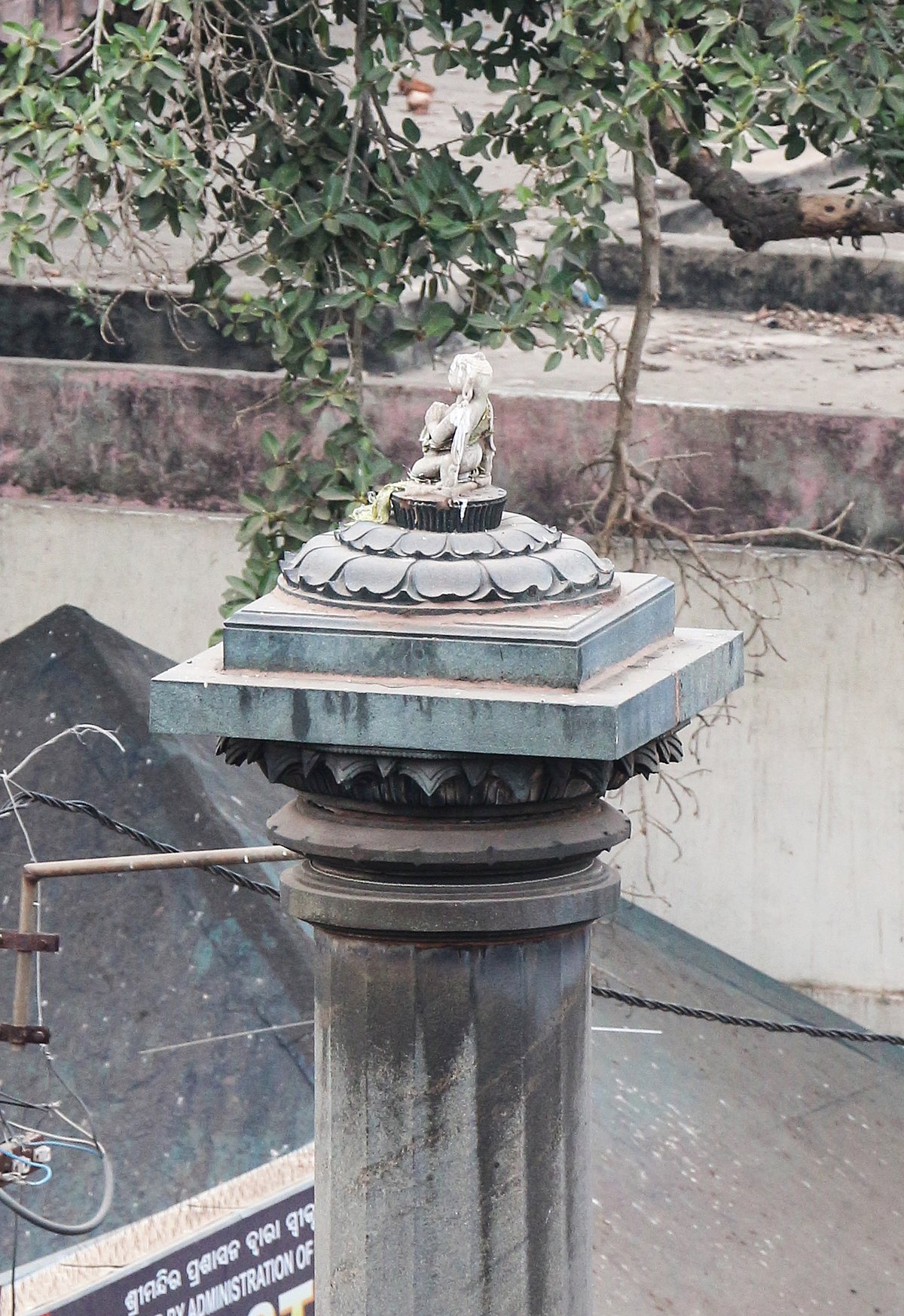
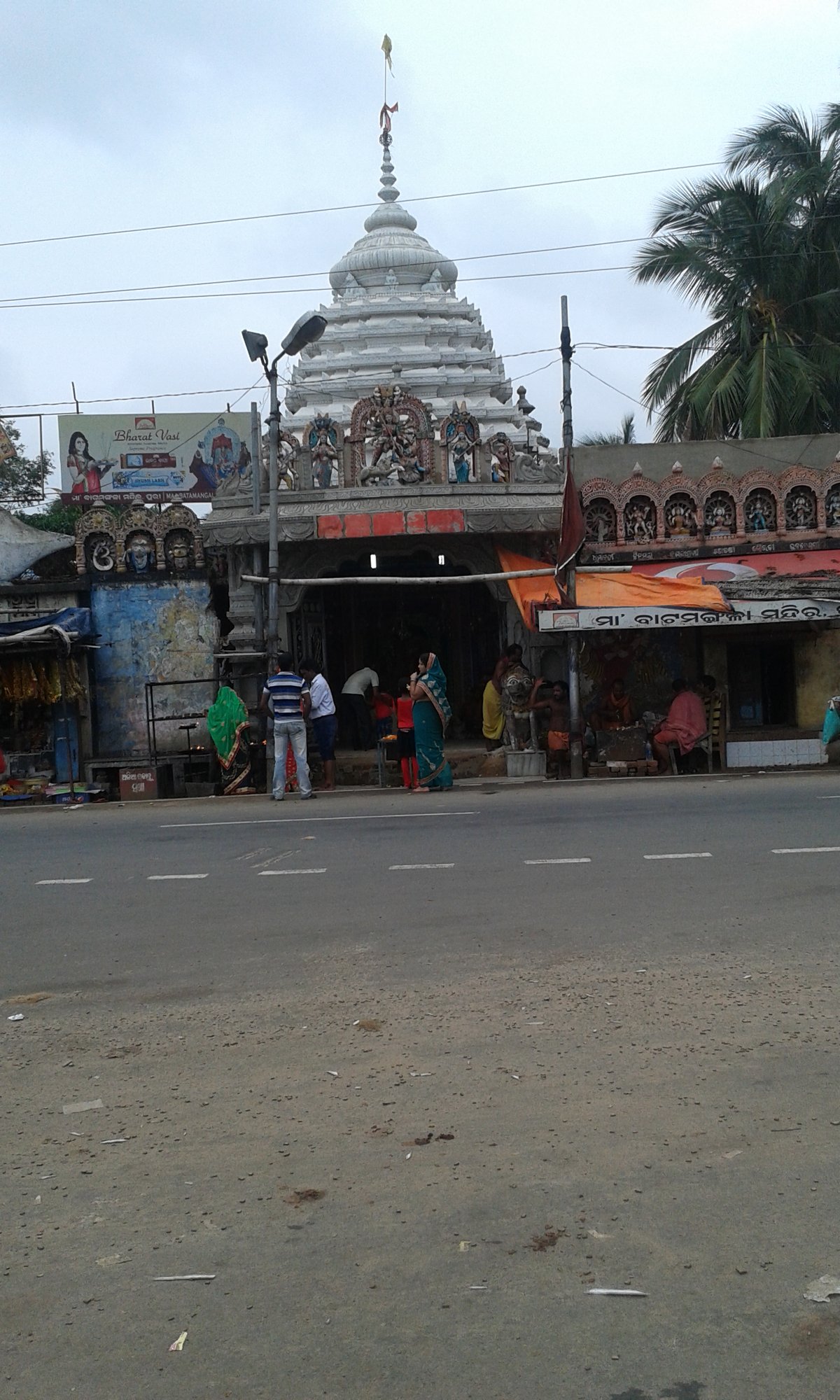
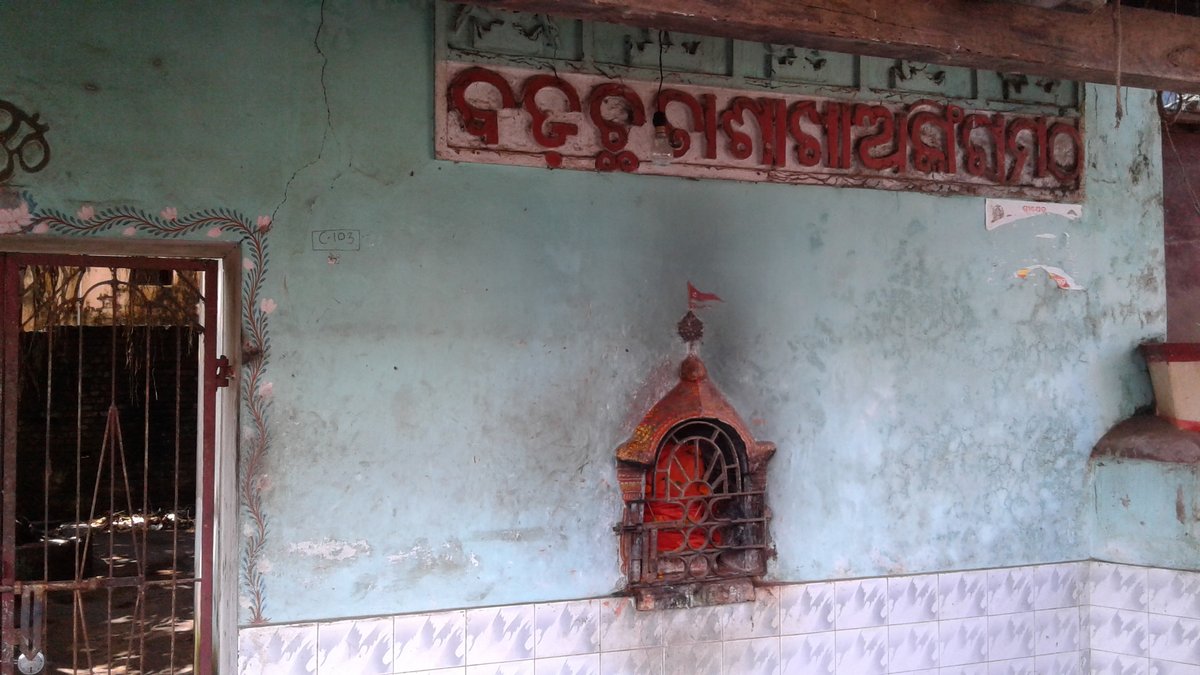
Angira Ashram entrance gate in Puri, Odisha, showcasing traditional architecture.
Devotees participating in Rath Yatra festival rituals at Angira Ashram.
9. Contact & Further Information
For specific queries:
- Jagannath Temple Administration
- Phone +91-6752-222002
- Email jagannath[dot]or[at]nic[dot]in
- Shree Jagannath Temple Official Site
Additional travel info: