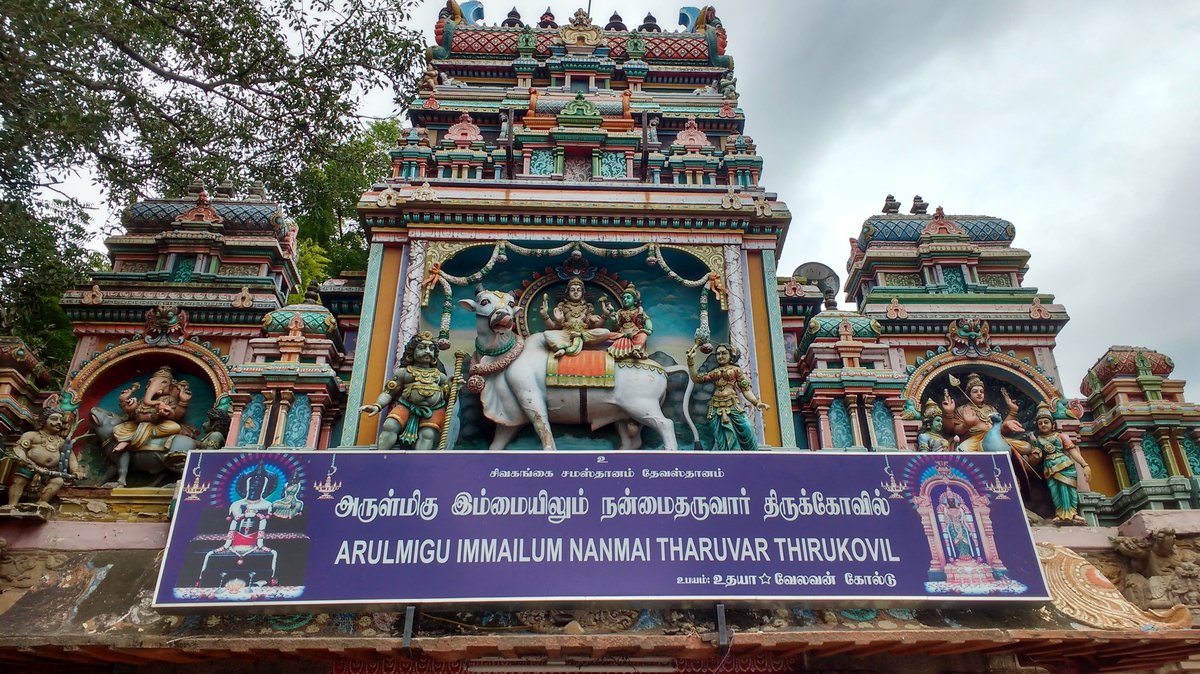

Exploring Arisekara Street - History, Significance, and Visitor Information in Madurai
Arisekara Street, nestled in the heart of Madurai, is more than just a bustling marketplace; it's a living testament to the city's rich history and cultural heritage. This article explores the history, significance, and essential visitor information about Arisekara Street, including visiting hours, ticket prices, and travel tips.
History and Significance of Arisekara Street
Arisekara Street derives its name from the Tamil words "Aaru" (six) and "Sekarai" (jaggery), signifying the six jaggery stalls that once lined this vibrant lane. The street's history can be traced back to the glorious era of the Pandyan dynasty, who ruled Madurai from the 6th century BCE to the 14th century CE. The Pandyas, known for their patronage of art, architecture, and trade, established Madurai as a major commercial hub. Arisekara Street, strategically located near the iconic Meenakshi Amman Temple, flourished as a vital trade route and marketplace during this period.
A Tapestry of Time
Over the centuries, Arisekara Street witnessed the rise and fall of empires, leaving behind layers of history embedded in its very fabric. The street's architecture reflects a blend of influences, from the Vijayanagara Empire (14th-17th century) to the later Nayak rulers (16th-18th century). This eclectic mix is evident in the ornate doorways, colorful facades, and traditional houses that line the street, offering a glimpse into Madurai's architectural evolution.
The Heart of Madurai's Cultural Identity
Arisekara Street is deeply intertwined with the cultural fabric of Madurai. The street comes alive during festivals, particularly the annual Chithirai Festival, which celebrates the divine wedding of Goddess Meenakshi and Lord Sundareswarar. During this grand celebration, the street transforms into a riot of colors, music, and dance, with processions of decorated deities and devotees thronging the area.
A Legacy of Craftsmanship
Beyond its historical and cultural significance, Arisekara Street is renowned for its traditional crafts and industries. For generations, skilled artisans have practiced their craft along this street, keeping alive the legacy of Madurai's artistic heritage.
Brassware
Madurai is famous for its exquisite brassware, and Arisekara Street is a treasure trove of handcrafted brass items, from intricately designed lamps and idols to traditional cookware and decorative pieces.
Handloom Textiles
The region around Madurai is known for its vibrant handloom textiles, and Arisekara Street offers a glimpse into this rich tradition. Shops along the street showcase a colorful array of sarees, dhotis, and other garments, woven with intricate designs and patterns.
Jewelry
Arisekara Street is also home to numerous jewelry shops, offering a dazzling display of gold, silver, and precious stones. From traditional designs to contemporary styles, there's something to captivate every taste and budget.
Visitor Information - Tickets, Hours, and Travel Tips
To make the most of your visit to Arisekara Street, here is some essential information:
- Visiting Hours Arisekara Street is open from early morning until late evening, but it's best to visit between 9 AM to 8 PM to experience the full vibrancy of the street.
- Tickets There is no entrance fee to visit Arisekara Street, making it accessible to everyone.
- Travel Tips Wear comfortable shoes as you'll be walking a lot. Be prepared for crowds, especially during festivals. Keep an eye on your belongings and try local street food for an authentic taste of Madurai.
Nearby Attractions
While in Madurai, don't miss these nearby attractions:
- Meenakshi Amman Temple Just a short walk from Arisekara Street, this iconic temple is a must-visit for its stunning architecture and spiritual significance.
- Thirumalai Nayakkar Mahal A beautiful palace showcasing the grandeur of Nayak architecture.
- Gandhi Memorial Museum Offers a deep insight into India's struggle for independence and Gandhi's life.
A Sensory Feast for Visitors
A visit to Arisekara Street is a sensory experience that immerses you in the sights, sounds, and aromas of Madurai. The air is filled with the fragrance of incense, spices, and freshly prepared street food. The rhythmic hammering of metalworkers, the clatter of looms, and the lively chatter of vendors create a symphony of sounds that is uniquely Madurai.
A Window into Everyday Life
Beyond the bustling commerce and vibrant culture, Arisekara Street offers a glimpse into the everyday lives of the people of Madurai. As you navigate the crowded lanes, you'll encounter families going about their daily routines, children playing, and friends sharing a cup of chai. This authentic glimpse into local life is what makes Arisekara Street so special.
Preserving the Past, Embracing the Future
Today, Arisekara Street faces the challenge of preserving its heritage while adapting to the demands of a modernizing world. Efforts are underway to conserve the street's historic architecture and support its traditional crafts. As Madurai evolves, Arisekara Street remains a vibrant symbol of its past, a testament to its enduring spirit, and a must-visit destination for anyone seeking an authentic taste of South India.
Frequently Asked Questions (FAQ)
Q: What are the visiting hours for Arisekara Street?
A: Arisekara Street is open from early morning until late evening, with peak activity between 9 AM to 8 PM.
Q: Is there an entrance fee for Arisekara Street?
A: No, there is no entrance fee to visit Arisekara Street.
Q: What can I buy on Arisekara Street?
A: You can buy brassware, handloom textiles, jewelry, and various traditional crafts.
Q: Are there any nearby attractions to visit?
A: Yes, nearby attractions include the Meenakshi Amman Temple, Thirumalai Nayakkar Mahal, and the Gandhi Memorial Museum.
Q: What should I be aware of when visiting Arisekara Street?
A: Be prepared for crowds, wear comfortable shoes, keep an eye on your belongings, and try the local street food.
Navigating Arisekara Street - Best Times to Visit, Tips, and More
Introduction
Arisekara Street in Madurai is a bustling hub of activity, renowned for its vibrant atmosphere and cultural significance. This guide provides essential tips, historical context, and practical advice for visitors looking to navigate Arisekara Street effectively and respectfully.
Best Time to Visit Arisekara Street
While Arisekara Street is lively throughout the day, the best time to experience its true essence is during the early mornings or late evenings.
- Mornings (6:00 AM - 10:00 AM) Witness the street come alive with flower vendors setting up their colorful displays and the aroma of fresh jasmine filling the air. This is also a good time to avoid the larger crowds.
- Evenings (5:00 PM - 9:00 PM) The street transforms into a magical spectacle with the glow of oil lamps, the chanting of prayers, and the aroma of street food. Be prepared for a sensory overload!
Getting There and Around
- By Foot The best way to experience Arisekara Street is on foot. The street is closed to vehicular traffic, allowing for a leisurely stroll and ample opportunity to soak in the atmosphere.
- Rickshaws For those who prefer not to walk, rickshaws are readily available at the entrances of the street. Negotiate the fare beforehand.
- Public Transport Madurai has a well-connected public transport system. Several city buses stop near the Meenakshi Amman Temple, from where Arisekara Street is a short walk.
Tips for Navigating the Crowds
- Be Patient Arisekara Street is almost always crowded. Patience is key to navigating the throngs of people, especially during festivals and weekends.
- Be Mindful The street is a sacred space for devotees. Dress modestly, be respectful of religious rituals, and avoid blocking pathways.
- Watch Your Belongings As with any crowded area, be vigilant of your belongings and beware of pickpockets.
- Follow the Flow The street has a natural flow of foot traffic. Go with the flow to avoid unnecessary pushing and shoving.
Shopping and Exploring
- Take Your Time Don’t rush your shopping experience. Browse the shops, compare prices, and don’t hesitate to bargain respectfully.
- Local Etiquette When entering shops, it’s customary to greet the shopkeeper with a smile and a “Vanakkam” (Tamil for “Greetings”).
- Support Local Artisans Arisekara Street is a treasure trove of handicrafts. Consider purchasing souvenirs directly from local artisans to support their craft.
- Respect Religious Boundaries While exploring, be mindful of areas restricted to devotees and avoid entering them.
Special Events and Guided Tours
Arisekara Street hosts numerous festivals and special events throughout the year, including the famous Chithirai Festival. Guided tours are available and can provide deeper insights into the street's history and cultural significance.
Photographic Spots
Capture the essence of Arisekara Street by photographing its vibrant markets, traditional architecture, and daily life scenes. Early mornings and late evenings offer the best lighting for photography.
Frequently Asked Questions (FAQ)
Q: What are the best times to visit Arisekara Street?
A: Early mornings (6:00 AM - 10:00 AM) and late evenings (5:00 PM - 9:00 PM) are ideal.
Q: Is there an entry fee for Arisekara Street?
A: No, entry is free, but some specific attractions may have their own fees.
Q: Are there guided tours available?
A: Yes, guided tours can be arranged through local tour operators.