Origins and Early Growth
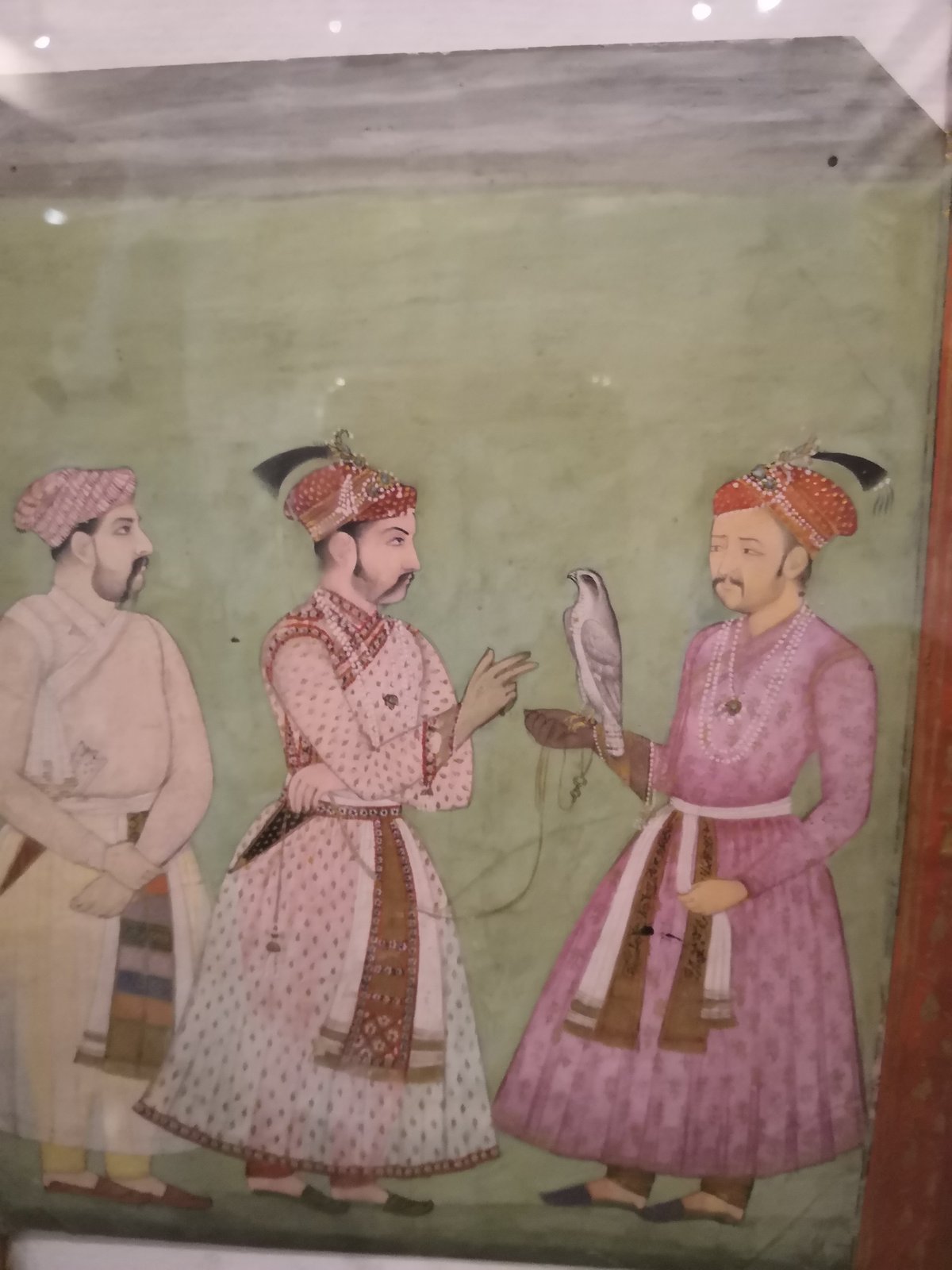
Established in 1891 as the Asafia State Library, the institution originated from Syed Hussain Bilgrami’s personal collection and was soon expanded under the Asaf Jah dynasty’s patronage. Early stewardship by Syed Tassaduq Hussain, an expert in Eastern languages, set a scholarly tone, allowing the library to rapidly amass one of the most significant collections in the Deccan (IJRAR22D2374).
Architectural Evolution
In 1936, to commemorate the Silver Jubilee of Nizam VII, Mir Osman Ali Khan, the library moved to its current grand premises in Afzalgunj. The Indo-Saracenic design, with its majestic arches and stately reading halls, stands as a testament to the city’s architectural and educational aspirations (Telangana Today; LBB Hyderabad).
Transition and Legacy
Following the Hyderabad Public Libraries Act of 1955, the library was renamed the State Central Library for Hyderabad State, and after 1956, served Andhra Pradesh. Post-2014, it is the apex library of Telangana, continuing its commitment to public education and cultural preservation (IJRAR22D2374).
Architectural Significance
Design and Symbolism
The library blends Indo-Saracenic and classical revival architectural styles, featuring symmetrical arches, decorative cornices, and a layout that, when viewed from above, resembles an open book—a fitting symbol for a center of learning. Crafted with traditional lime mortar, sand, and natural additives such as jaggery, the building has withstood Hyderabad’s challenging climate, retaining both structural integrity and heritage value (Telangana Today).
Heritage Status
The structure was declared a protected monument by INTACH in 1998 and included in the 2025 World Monuments Watch by the World Monuments Fund (wikipedia).
Restoration and Digitization
Conservation Efforts
A major restoration project, initiated by the Hyderabad Metropolitan Development Authority (HMDA) in 2023 with a budget of over ₹13 crore, aims to preserve the building’s architectural grandeur. This includes repairing structural damage, upgrading amenities, and enhancing accessibility for differently-abled visitors. Landscaping improvements and a digital portal for rare manuscripts are part of the modernization drive (Telangana Today).
Digitization Initiatives
The library’s ongoing digitization program, supported by the National Mission on Libraries and in collaboration with institutions like Carnegie Mellon University, has already made tens of thousands of rare books and manuscripts accessible online. These initiatives ensure the preservation of fragile originals while making Hyderabad’s literary heritage available to a global audience (IJRAR22D2374).
Collection Highlights
- Rare Manuscripts Centuries-old palm-leaf manuscripts and documents in Telugu, Urdu, Hindi, Persian, Arabic, and European languages.
- Historic Newspapers & Periodicals Local and national publications dating back to the early 20th century.
- Government Records Archival documents from the Nizam era through post-independence.
- Digital Resources E-books, digitized journals, and a growing online archive.
Visiting Information
Hours and Entry
- General Hours Open daily from 8:00 AM to 8:00 PM.
- Reading Rooms Accessible during operating hours.
- Entry Fee Free for general visitors; membership required for borrowing privileges.
Membership
- Fee INR 150 for the first year, INR 50 for subsequent renewals.
- Benefits Borrowing rights and access to restricted sections.
Accessibility
- Ramps and accessible restrooms are available.
- Staff provide assistance to differently-abled visitors.
Photography and Tours
- Photography Restricted in certain areas; obtain permission for rare collections.
- Guided Tours Available upon prior request through the library administration or local heritage groups.
Location & Getting There
- Address Afzalgunj, Hyderabad, Telangana, India.
- Public Transport Well-connected by buses and auto-rickshaws; nearest metro station is MG Bus Station (~1 km away).
- Parking Limited on-site parking; public transport recommended.
Visitor Tips and Nearby Attractions
- Best Times Weekdays during mornings or late afternoons for a quieter experience.
- Dress Code Modest attire to maintain the scholarly atmosphere.
- Nearby Sites Salar Jung Museum, Charminar, Chowmahalla Palace, Laad Bazaar.
- Weather June is typically hot and humid; carry water, wear light clothing, and bring an umbrella (weather25.com).
Community Engagement
- Study Zones Dedicated areas for students and researchers.
- Children’s Programs Reading sections and literacy workshops.
- Events Regular book clubs, reading challenges, and National Library Week celebrations.
Frequently Asked Questions (FAQ)
Q: What are the visiting hours?
A: Daily from 8:00 AM to 8:00 PM.
Q: Is there an entry fee?
A: No, entry is free; membership is needed to borrow books.
Q: Are guided tours available?
A: Yes, available upon request.
Q: Is the library accessible for differently-abled visitors?
A: Yes, with ramps and accessible restrooms.
Q: Can I take photographs inside?
A: Permission is required for certain areas and rare materials.
Q: How do I reach the library?
A: By bus, auto-rickshaw, or metro (MG Bus Station).
Safety and Restoration Updates
Restoration work may temporarily close select sections, but main reading rooms remain open. The library is situated in a well-patrolled, busy area with standard security measures in place (homegrown.co.in).