Swami Rama Himalayan University
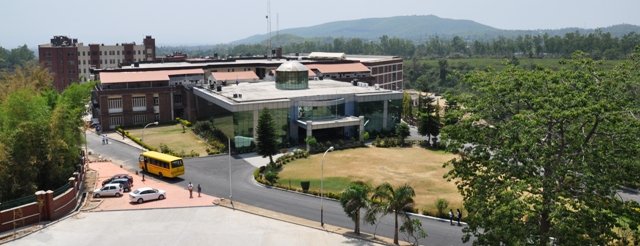
Swami Rama Himalayan University (SRHU) is an institution in the Himalayan foothills near Dehradun, India, founded in honor of the renowned yogi Swami Rama. It combines spiritual heritage, modern education, and community engagement, with traditional Himalayan architectural elements alongside teaching and research in medical sciences, engineering, management, and allied health.
The university incorporates yoga, meditation, and sustainability into campus life. Its campus is adjacent to Jolly Grant Airport and has wheelchair-friendly infrastructure and visitor amenities.
History and community impact
SRHU blends traditional Indian values with global educational standards. Yoga, meditation, and ethical leadership are part of its curriculum and campus life (SRHU Official, Shiksha Bharats).
The university’s community initiatives include work connected with the National Jal Jeevan Mission. It has trained over 7,300 individuals in springshed management and supported more than 5,000 farmers in sustainable agriculture. Disaster relief and community outreach initiatives also support local resilience (SDG 17 Report).
SRHU aligns with the United Nations Sustainable Development Goals through international collaborations in healthcare, renewable energy, and education. Its interdisciplinary research includes public health, environmental sustainability, and social justice, contributing to policy and societal change (SDG 17 Report).
Campus activities include clubs for literature, music, dance, sports, and social service, along with annual festivals, yoga camps, and intercollegiate competitions (Shiksha Bharats).
What to see
SRHU campus
The campus combines Himalayan architectural aesthetics with modern infrastructure and has scenic spots for photography. Visitors can explore faculties of medicine, engineering, management, and allied health, as well as research centers and innovation labs.
Regular yoga and meditation sessions at the campus wellness center reflect Swami Rama’s teachings and are open to visitors. The Himalayan Institute Hospital Trust (HIHT), located on campus, is a center of excellence in community healthcare. Yoga camps, cultural festivals, and sustainability workshops are among the campus experiences available to visitors.
Historical monuments in Dehradun
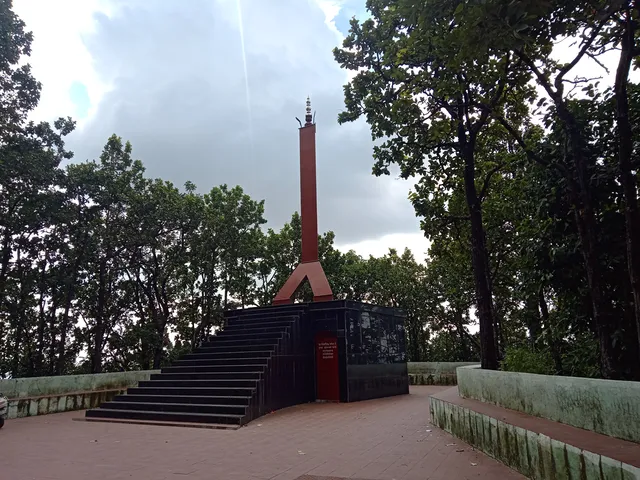
Dehradun’s historical monuments reflect the city’s heritage and changing architectural landscape. One prominent monument dates to the 19th century and combines traditional and colonial styles. It served as a royal residence and administrative center, and its preservation allows visitors to see its craftsmanship and historical features.
Qutub Minar, Delhi
Qutub Minar is a celebrated monument in Delhi, known for its Indo-Islamic architecture and UNESCO World Heritage status. Built in 1193 by Qutb-ud-din Aibak and completed by his successors, it is the world’s tallest brick minaret at 73 meters and has intricate Quranic carvings. The complex also includes the Quwwat-ul-Islam Mosque, Alai Darwaza, and Iron Pillar.
Practical visiting information
Visiting SRHU
- Hours 9:00 AM to 6:00 PM daily.
- Entry General campus visits are free. Guided tours are available by advance booking for a nominal fee; workshops may also have a nominal fee.
- Tours Arrange through the official website, by phone at +91-135-2471157, or by email at [email protected]. Tours offer information about the university’s history, academic programs, and community initiatives.
- Location and transport The university is adjacent to Jolly Grant Airport and about 25 km from Dehradun Railway Station. It can be reached by taxi, auto-rickshaw, or local bus. Parking is available for private vehicles.
- Accessibility The campus is wheelchair-friendly, with ramps and accessible restrooms.
- Facilities Cafeterias, rest areas, and information desks are available. Photography is allowed with some restrictions.
Visiting the Dehradun historical monument
- Location Central Dehradun, reachable by road and public transport.
- Hours 9:00 AM to 6:00 PM daily; last entry is at 5:30 PM.
- Tickets INR 50 for adults and INR 20 for children aged 6–12. Entry is free for senior citizens and children under 6.
- Tours and events Local guides lead tours. Cultural events and exhibitions are held during festivals.
- Accessibility and facilities Wheelchair accessible, with restrooms and refreshments available.
- Getting there Jolly Grant Airport is 25 km away; Dehradun Railway Station is 5 km away. The site is well connected by bus and taxi, and parking is available near the entrance.
- Private events These may be hosted only with prior permission from management.
Visiting Qutub Minar
- Hours 7:00 AM to 5:00 PM daily.
- Tickets ₹40 for Indian citizens and ₹600 for foreign tourists; children under 15 enter free. Tickets can be bought online through the ASI Qutub Minar page or onsite.
- Accessibility and facilities Ramps and pathways are wheelchair-friendly, but the minaret stairs are closed to the public. Facilities include restrooms, drinking water, multi-language guided tours, and audio guides.
Further information is available from the SRHU Official website and the university’s SDG 17 Report. Qutub Minar information is available on the ASI Qutub Minar page.
References:
- Swami Rama Himalayan University Visiting Hours, Tickets, and Visitor Guide to Dehradun’s Historic Campus, 2025, SRHU Official (https://srhu.edu.in/)
- Cultural, Social Impact and Visitor Experience, 2025, SRHU Official and SDG 17 Report (https://srhu.edu.in/wp-content/uploads/2025/03/Report-SDG-17-2023-24.pdf)
- Shiksha Bharats (https://shikshabharats.com/university/swami-rama-himalayan-university-dehradun/)
- Archaeological Survey of India Qutub Minar (https://asi.nic.in/asi_monu_tktdeli_qutbminar.asp)
Tips
- October to March offers pleasant weather and vibrant campus landscapes for SRHU tours and outdoor exploration, and is also the suggested period for visiting Dehradun’s historical monument.
- At the Dehradun monument, do not touch artifacts; large bags and food are not allowed. Photography is permitted in most areas except restricted zones.
- At Qutub Minar, early morning or late afternoon are suggested visiting times. Climbing the minaret is not allowed, and drones and professional equipment require permission.
Nearby places
Dehradun attractions near SRHU include Robber’s Cave, Sahastradhara Waterfalls, Mindrolling Monastery, Tapkeshwar Temple, and the Forest Research Institute.
At Qutub Minar, nearby attractions include Qutub Shahi Tombs, Mehrauli Archaeological Park, Lotus Temple, and Hauz Khas Village.
Frequently asked questions
What are SRHU’s visiting hours?
The campus is open from 9:00 AM to 6:00 PM daily.
Is there an entry fee at SRHU?
General campus entry is free. Guided tours and workshops may have a nominal fee.
How can I book an SRHU guided tour?
Use the official website, call +91-135-2471157, or email [email protected].
Is SRHU accessible to visitors with disabilities?
Yes. The campus is wheelchair-friendly, with ramps and accessible restrooms.
Are SRHU events open to visitors?
Cultural festivals, yoga camps, and workshops are among the events and activities open to visitors.
What are the Dehradun historical monument’s hours and ticket prices?
It is open daily from 9:00 AM to 6:00 PM, with last entry at 5:30 PM. Tickets cost INR 50 for adults and INR 20 for children aged 6–12. Senior citizens and children under 6 enter free.
Are there restrictions at the Dehradun historical monument?
Visitors should not touch artifacts; large bags and food are not allowed. Private events require prior permission from management.
What are Qutub Minar’s hours and ticket prices?
It is open daily from 7:00 AM to 5:00 PM. Tickets cost ₹40 for Indian citizens and ₹600 for foreign tourists; children under 15 enter free.
Can visitors climb Qutub Minar?
No. The minaret stairs are closed to the public. Drones and professional equipment require permission.