Historical Legacy and National Importance
The Indian Military Academy was established in 1932 as a response to the demand for Indianization of the military’s officer ranks. Its founding marked a shift from British-led military training to nurturing indigenous leadership. The inaugural batch, the “Pioneers,” included iconic figures like Field Marshal Sam Manekshaw. Over the decades, the IMA adapted to India’s changing defense needs, briefly expanding into the Armed Forces Academy in 1949 before reverting to its original name in 1960 (indiandefenceinstitute.com, ssbcrack.com). Today, the IMA is celebrated for its uncompromising standards in grooming military leaders who have excelled both in national defense and international peacekeeping.
Shaping India’s Military Leadership
The IMA’s mission is to transform cadets into leaders of character and competence for the Indian Army. Training spans 18 months and is divided into three terms, focusing on:
- Physical Conditioning Including endurance, obstacle courses, adventure sports, and swimming.
- Academic and Tactical Training Covering military history, tactics, geopolitics, management, and military law.
- Combat Readiness Weapon handling, live-fire drills, survival skills, and tactical simulations.
- Leadership Development Stressing ethical conduct, decision-making under pressure, and team building (warriorsdefenceacademy.com).
This comprehensive approach produces officers equipped with both the tactical proficiency and moral integrity essential for modern military leadership.
Symbol of Unity and Patriotism
Cadets at the IMA come from every region of India, reflecting the country’s diversity. The academy fosters a strong sense of camaraderie, discipline, and patriotism, transcending regional and cultural differences. Ceremonies such as the Passing Out Parade symbolize this unity and are celebrated as moments of national pride (indiandefenceinstitute.com).
Contributions to National Security and Peacekeeping
IMA alumni have served with distinction in all major post-independence conflicts—1947, 1962, 1965, 1971, and the Kargil conflict of 1999—playing critical roles in safeguarding India’s sovereignty (ssbcrack.com). The academy’s graduates also participate in United Nations peacekeeping missions, furthering India’s commitment to global peace and ethical military conduct.
Architectural and Institutional Heritage
The IMA’s campus, spread over 1,400 acres in Dehradun, is renowned for its blend of colonial and modern architecture. The campus is divided by National Highway 72 into North and South Campuses and features state-of-the-art training facilities, historic buildings, and memorials (ssbcrack.com).
Organizational Structure
The academy is headed by a Lieutenant General, with a Deputy Commandant (Major General) and is divided into administrative, instructional, and training wings, ensuring comprehensive support for its training objectives.
Campus Layout and Key Landmarks
Chetwode Hall
Chetwode Hall, the administrative and academic nucleus of the IMA, was inaugurated in 1932 and named after Field Marshal Sir Philip Chetwode. Designed by R.T. Russell, the building features:
- Long corridors for ceremonial processions
- A gabled roof (now Zincolium for durability)
- A central clock tower
- Modern interiors with lecture halls, computer labs, a café, and a library of over 100,000 volumes
Located on the Drill Square, it is the main venue for parades and academic ceremonies.
Other Notable Landmarks
- Khetarpal Auditorium A 2,000-seat venue for lectures and cultural events.
- Somnath Stadium The hub for sports and physical training.
- Salaria Aquatic Centre Modern swimming facilities.
- Hoshiar Singh Gymnasium State-of-the-art fitness center.
- Polo Ground and Tons Valley Equestrian training and tactical exercises.
- Stables and Stud Farm Maintaining equestrian traditions.
War Memorial
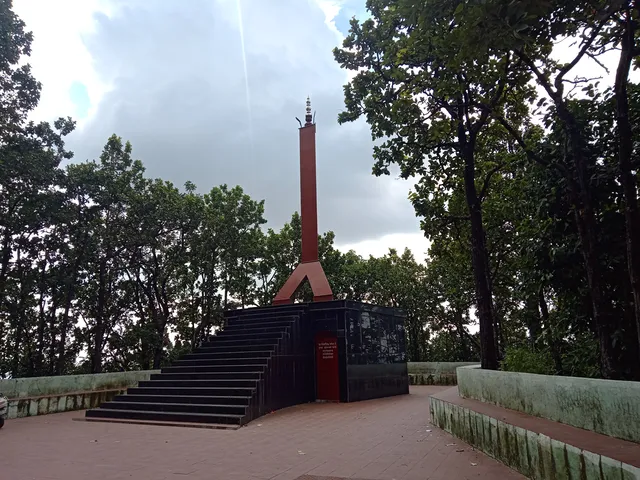
The War Memorial, constructed with Dholpur stone, features a bronze statue of a Gentleman Cadet and is central to the Passing Out Parade, honoring IMA’s fallen alumni.
Cadet Accommodation and Facilities
Cadets reside in purpose-built blocks, with expanded accommodation and branch libraries. The Commandant’s colonial residence overlooks landscaped gardens with views of the Himalayas.
Athletic and Training Infrastructure
Facilities include the stadium, aquatic center, shooting range, and a helipad for air operations.
Visiting the Indian Military Academy: Hours, Tickets & Access
Visiting Hours
Access to the IMA is highly restricted. However, the academy opens its gates to the public during the Passing Out Parade, held twice a year (typically in April and October). Dates may vary annually.
Tickets and Permissions
- Tickets Entry for the Passing Out Parade is generally free but requires advance registration or invitation due to limited seats.
- Permissions Contact the IMA Public Relations Office or Dehradun Tourism Department at least 30 days in advance to apply for access (indianmilitaryacademy.in, dehraduntourism.co.in).
- Security Visitors must carry valid identification and adhere to strict security protocols. Photography is restricted and only allowed in designated areas during official events.
Accessibility
The campus can be reached by bus, taxi, or auto-rickshaw from Dehradun city. While efforts have been made for accessible pathways, visitors with mobility challenges should coordinate in advance with academy authorities.
Visitor Tips
- Plan your visit around Passing Out Parade dates for the most immersive experience.
- Carry government-issued ID.
- Follow all security and photography guidelines.
- Guided tours or educational group visits require prior approval and coordination.
Nearby Dehradun Attractions
Complement your IMA visit with these local sites:
- Robber’s Cave A natural cave formation, ideal for trekking.
- Forest Research Institute Iconic colonial architecture and botanical gardens.
- Tapkeshwar Temple An ancient cave temple dedicated to Lord Shiva.
- Sahastradhara Famous for its waterfalls and therapeutic springs.
FAQs
Q: Can anyone visit the IMA?
A: Only during special events like the Passing Out Parade, with prior permission.
Q: How can I get tickets for the Parade?
A: Apply via the IMA Public Relations Office or Dehradun Tourism Department well in advance.
Q: Is the campus accessible for differently-abled visitors?
A: Yes, but arrangements must be made in advance.
Q: Are there guided tours?
A: Not for the general public; special group visits require prior coordination.
Q: What else can I see in Dehradun?
A: Robber’s Cave, Forest Research Institute, Tapkeshwar Temple, Sahastradhara, among others.