
Historical Background
World War II Origins
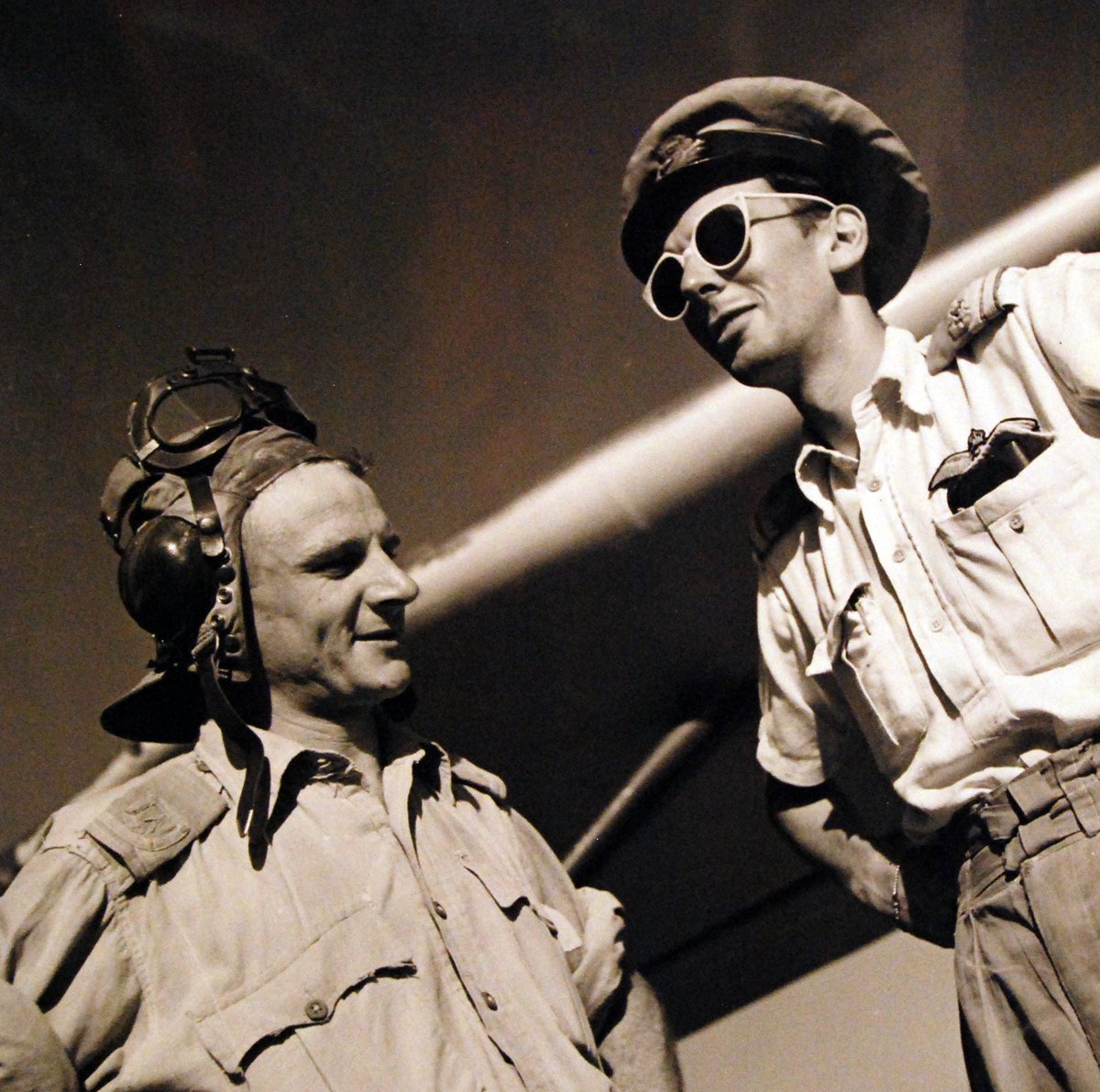
Established in 1940 by the Royal Navy, Sulur Air Force Base served as a critical airfield for Allied forces in Southeast Asia during World War II (military-history.fandom.com). Originally called RNAS Sulur, it functioned as a repair and transit base, later coming under the Royal Air Force (RAF) as part of the South East Asian Command (wikipedia.org). Well-equipped for its era, the base featured hangars, aircraft pens, fuel stations, and accommodations. The Royal Navy’s Fleet Air Arm operated the Royal Navy Air Yard (RNAY Sulur), focusing on the maintenance of aircraft such as Hellcats and Barracudas (globalsecurity.org).
Involvement in the Independence Movement
During the 1942 Quit India Movement, Sulur played a role in the independence struggle. On August 26, 1942, the base was set ablaze amid widespread protests, briefly halting operations. It was quickly restored due to its strategic importance, and by 1943, the Royal Indian Air Force (RIAF) began operations at Sulur, continuing until 1949 (military-history.fandom.com).
Post-Independence Transition
After India gained independence, the Indian Navy took over and established INS Hansa at Sulur, operating Hawker Sea Hawk aircraft (indiaairport.com). Following the liberation of Goa in 1961, INS Hansa relocated to Dabolim, and Sulur was transferred to the Indian Air Force in 1956. The IAF then established No. 5 Base Repair Depot (5 BRD) in 1959, transforming Sulur into a significant maintenance hub (globalsecurity.org).
Expansion and Modernization
The 1960s and 1970s saw significant infrastructure development, including new hangars and the commissioning of No. 33 Equipment Depot in 1967 (wikipedia.org). The base also supported civil aviation and hosted motorsport events (indiaairport.com). Sulur provided critical support during the 1971 Bangladesh Liberation War and the Indian Peace Keeping Force operations in Sri Lanka in 1987.
Contemporary Era
Since 1984, Sulur has been fully operated by the IAF and is now India’s second-largest airbase, covering over 1,000 acres (wikipedia.org). Notable units include:
- No. 5 Base Repair Depot (5 BRD) Aircraft overhaul and calibration
- No. 43 Wing Operational support
- IAF Squadron 33 "Himalayan Geese" Antonov An-32 airlifters
- Helicopter Unit Squadron 109 "Knights" Mil Mi-8 helicopters
- Sarang Helicopter Display Team Aerobatic team flying HAL Dhruv helicopters (indiaairport.com)
The base features a 2,516-meter runway, advanced landing systems, and state-of-the-art communications (wikipedia.org).
Strategic Role in India’s Defence Architecture
Southern Air Command and Regional Security
Sulur Air Force Base is a linchpin in India’s Southern Air Command, overseeing airspace security across peninsular India and the Indian Ocean Region (IOR). Its proximity to critical shipping lanes enables rapid surveillance and response.
Home to Advanced Aircraft
Sulur is home to frontline squadrons, including the indigenous HAL Tejas Light Combat Aircraft (LCA) and Sukhoi Su-30MKI fighters. As of 2025, the base supports No. 45 and No. 18 Squadrons, reflecting India’s commitment to defense self-reliance.
Multinational Exercises and Defence Diplomacy
Sulur has hosted major exercises such as Exercise Tarang Shakti in 2024, featuring air forces from over 10 countries and showcasing aircraft like the Eurofighter Typhoon, Rafale, and Tejas.
Indigenous Defence Capabilities
The base supports initiatives like "Make in India," hosting exhibitions such as the International Defence Aviation Exposition (IDAX 2024), fostering indigenous innovation.
Humanitarian and Disaster Relief
Sulur plays a vital role in disaster relief, mobilizing transport and helicopters for humanitarian operations across southern India and the IOR.
Aerospace Industrial Development
Adjacent to the base, TIDCO’s Aerospace and Defence Parks are attracting aviation industries and startups, strengthening the regional economy and defense ecosystem.
Visiting Sulur Air Force Station: What You Need to Know
Visiting Hours and Ticket Information
Sulur Air Force Base is a restricted military facility and does not have public visiting hours or ticket sales. Access is strictly limited to authorized personnel with prior written permission from the Indian Air Force. There are no scheduled public tours or open days for general visitors (ixigo.com).
Security and Entry Protocols
- No Public Entry The base is not open to tourists, civilians, or media.
- Authorization Required Only individuals with official clearance may enter, typically for official, educational, or media purposes.
- Security Measures Authorized visitors are subject to background checks, security screening, and strict guidelines. Photography is prohibited except during sanctioned events.
Special Events and Air Shows
On rare occasions, Sulur may host invitation-only ceremonies or air shows, details of which are announced via Indian Air Force channels or local media.
Heritage and Community Initiatives
Sulur Air Force Base contributes to the local community through the Air Force School Sulur, established in 1981, which serves both defense personnel and civilians (airforceschoolsulur.com). The Sulur Air Force Station Museum preserves aviation memorabilia and provides educational insights into India's air force heritage (traveltriangle.com).
Nearby Attractions and Coimbatore Sights
While Sulur Air Force Base itself is inaccessible, the region offers rich cultural and natural attractions:
- Marudamalai Temple A hilltop shrine dedicated to Lord Murugan.
- VOC Park and Zoo Family-friendly park in Coimbatore.
- Perur Pateeswarar Temple Noted for its Dravidian architecture.
- Siruvani Waterfalls Scenic spot known for its pristine waters.
- Sulur Lake Popular with bird watchers and nature enthusiasts.
For more travel ideas and accommodation, visit ixigo.com.
Frequently Asked Questions (FAQ)
Q1: Can the public visit Sulur Air Force Base?
A1: No, Sulur Air Force Base is a high-security military installation with no public access.
Q2: Are there tickets or tours available?
A2: No public tickets, tours, or visitor centers are available.
Q3: Does Sulur Air Force Base host public air shows?
A3: Rare, invitation-only events may be held; monitor official announcements for updates.
Q4: What are recommended nearby attractions?
A4: Explore Marudamalai Temple, VOC Park, Perur Pateeswarar Temple, and Siruvani Waterfalls.
Q5: Where can I find official Coimbatore tourism information?
A5: Visit Tamil Nadu Tourism.