Historical Background
Foundation and Construction
The Southern Railway Headquarters was conceived as the central office for the Madras and Southern Mahratta Railway Company, with its foundation stone laid in 1915 and the building inaugurated in 1922. The construction was an engineering marvel for its time, featuring a base of reinforced concrete and granite laid on pure sand, ensuring stability for the three-storey structure. Over 500 tonnes of steel and 10,000 tonnes of granite were used, and the project was completed at a then-substantial cost of Rs. 30.76 lakhs. The main contractor, T. Samynada Pillai of Bengaluru, oversaw construction over seven years (Indian Narrative).
Architectural Style and Materials
Designed by N. Grayson, the Southern Railway Headquarters is an outstanding example of Indo-Saracenic architecture, harmoniously blending Indian, Islamic, and Victorian design elements. The cream-hued Porbandar stone used for the façade was sourced from Gujarat and transported over eight years. Dravidian-inspired motifs, grand domes, and two 125-foot towers contribute to its distinctive style. The building also features reinforced concrete and intricate stonework, with skilled masons from Porbandar contributing to its unique craftsmanship (The Hindu).
Evolution and Role in Indian Railways
Following the merger of various railway systems, the building became the headquarters for the Southern Railway zone in 1951. It continues to function as the administrative hub for one of India’s largest railway regions, housing over 1,500 employees and key operational departments. Its location next to Chennai Central Station highlights its enduring operational and strategic relevance.
Visitor Guide
Visiting Hours and Tickets
- Exterior Viewing Open at all times from Poonamallee High Road; no tickets required.
- Heritage Photo Gallery Open Monday to Friday, 9:30 AM to 5:30 PM; entry is free.
- Interior Access Restricted to authorized personnel and official business. Occasional heritage walks or group tours may be arranged by prior appointment or during designated events (Southern Railway Official).
Accessibility
The building’s exterior and the immediate surroundings are accessible for viewing by all, with ramps and accessible pathways near Chennai Central Station. Interior accessibility is limited due to the building’s historic structure, but staff can assist visitors with special needs during organized events.
How to Reach
- By Train Adjacent to Chennai Central Railway Station.
- By Metro Nearby Chennai Central and Government Estate Metro stations.
- By Bus Multiple MTC bus routes stop in Park Town.
- By Car/Taxi Accessible via main city roads; parking is limited.
Best Time to Visit
- Season November to February for pleasant weather.
- Time of Day Early mornings or late afternoons are ideal for photography and a comfortable visit.
Nearby Attractions
- Chennai Central Railway Station Historic hub of Indian Railways.
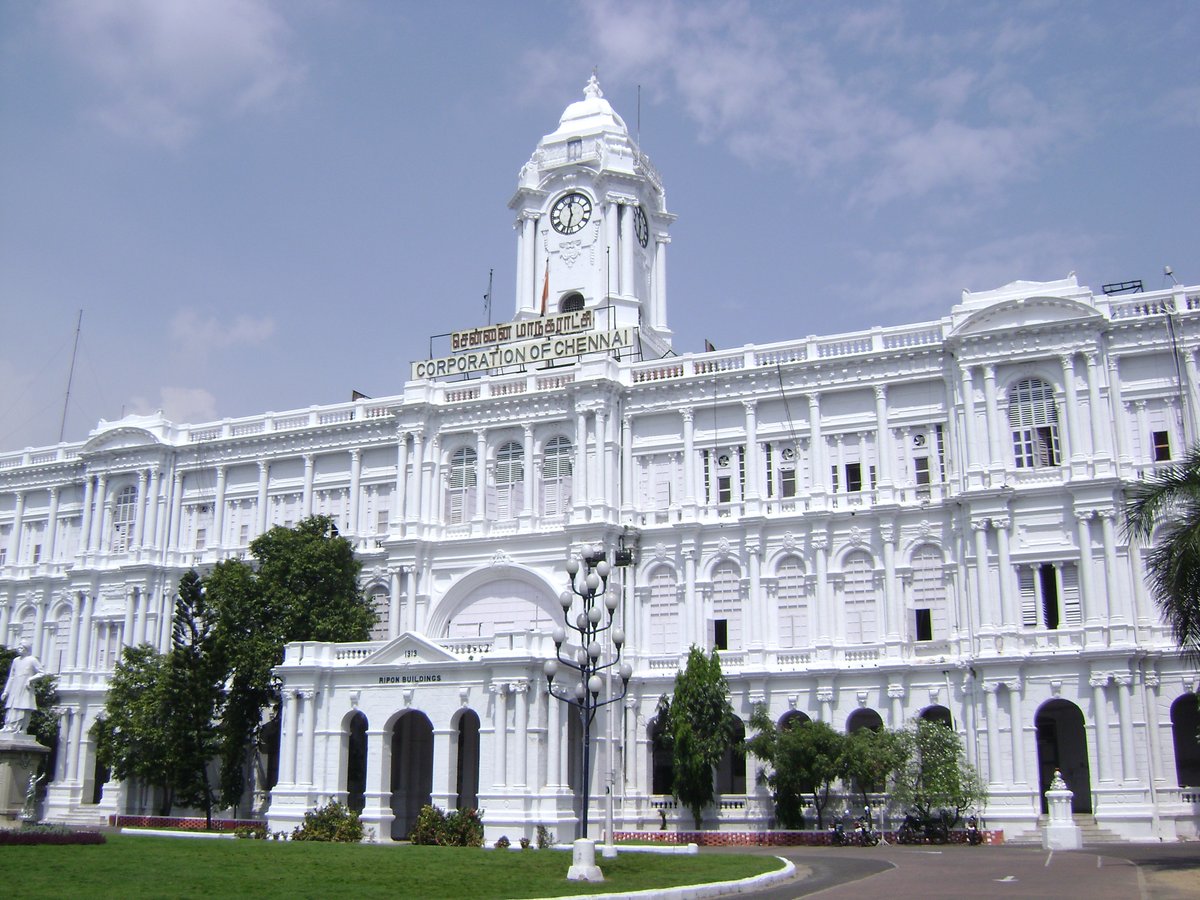
- Ripon Building A white Indo-Saracenic municipal landmark.
- St. Andrew’s Church Noted for colonial-era architecture.
- Government Museum Extensive art and history collections (TravelTriangle Chennai Attractions).
- Marina Beach One of the longest urban beaches, close by.
Heritage Status and Preservation
The Southern Railway Headquarters was granted Grade 1 heritage status by the High Court of Madras in 2010. Centenary celebrations in 2022 included special events, commemorative releases, and illuminations. Preservation efforts focus on maintaining the building’s structural integrity, architectural details, and adapting it sensitively for modern office needs (The Hindu).
Cultural and Urban Significance
This building is a defining symbol of Chennai’s cosmopolitan evolution, bridging its colonial legacy with its present-day identity. Illuminated during national celebrations, it stands as a beacon of civic pride and is a focal point for heritage walks, urban photography, and public events.
Notable Features and Visitor Insights
- Distinctive Indo-Saracenic façade Cream Porbandar stone, grand domes, 125-foot entrance towers.
- Historic Interiors Teak railings, grand chandelier, original company logo on wrought iron gates.
- Heritage Photo Gallery Rail memorabilia, rare photographs, and displays on Mahatma Gandhi’s rail journeys.
- Photography Exterior photography is encouraged; interior photography may be restricted.
- Heritage Walks Occasionally organized; check with local heritage groups or the Southern Railway’s official channels for schedules (Southern Railway Twitter).
Frequently Asked Questions (FAQs)
Q: Can the public enter the Southern Railway Headquarters?
A: Public access inside is restricted. Exterior viewing is allowed at any time. The Heritage Photo Gallery is open on weekdays during office hours.
Q: Are guided tours available?
A: Heritage walks and tours are occasionally organized. Inquire with the Public Relations Office or check the Southern Railway website for updates.
Q: Is there an entry fee?
A: No fee for exterior viewing or the Heritage Photo Gallery. Guided tours may require advance registration.
Q: Is the building accessible for people with disabilities?
A: The exterior is accessible; interior assistance is limited but available during organized events.
Q: Can visitors take photographs?
A: Photography is permitted outside. Seek permission for interior photographs.