Historical Background
Origins and Construction
Bharati Matha Temple was constructed in the 11th century CE under the patronage of the Somavamshi dynasty, a period marked by prolific temple-building in Kalinga (present-day Odisha). Unlike the grand temples of the era built primarily for public worship, Bharati Matha was conceived as a residential monastery for Shaiva ascetics and artisans, especially those who contributed to the construction of the Lingaraj Temple. The matha’s design prioritized communal living, spiritual retreat, and scriptural study (templesofindia.org).
Architectural Features
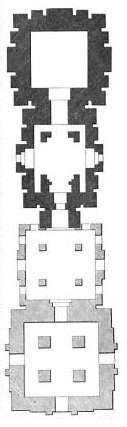
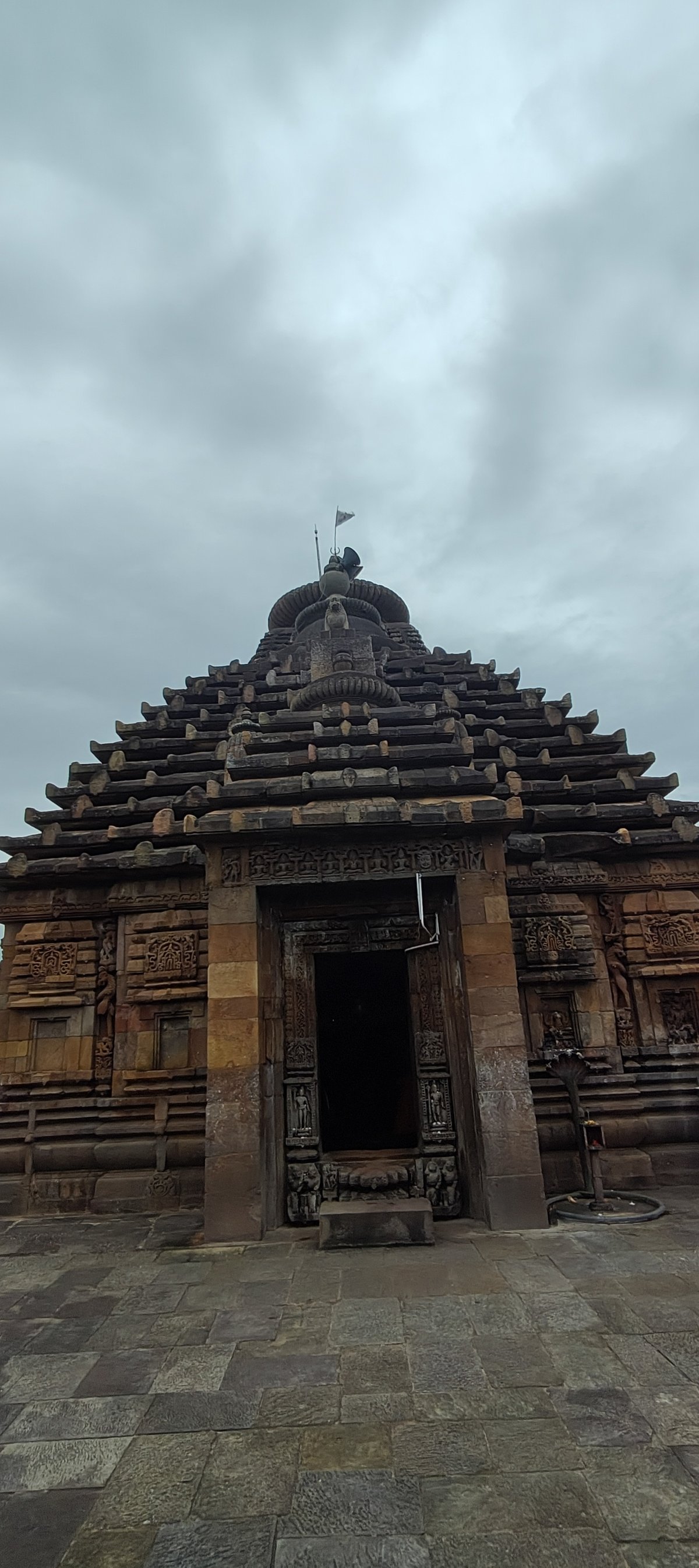
- Three-Storeyed Structure The matha rises approximately 11.5 meters, constructed predominantly from coarse grey sandstone, and is elevated on a platform with seven distinct mouldings—a hallmark of Kalinga temple bases (orissaguide.com).
- Courtyard Design Central to the layout is a spacious courtyard, surrounded by residential cells originally used by the monks and artisans.
- Kalinga Style Elements The temple exhibits classic Kalinga features—vertical emphasis, square plan, symmetry, and decorative mouldings. Its west-facing orientation is unusual among Hindu temples, reflecting local traditions and the monastic context (omastrology.com).
- Sculptural Details While more austere than the ornate Lingaraj Temple, Bharati Matha features carved doorways, lintels, and symbolic motifs associated with Shaivism.
Religious and Cultural Significance
Bharati Matha Temple remains an active center for Shaiva worship, monastic discipline, and the preservation of sacred knowledge. Resident monks (Mahants) oversee daily rituals, Vedic recitations, and the safeguarding of ancient manuscripts. The matha is also a hub for classical music and dance, especially during festivals like Maha Shivaratri, Kartik Purnima, and Jiuntia (Travelsnwrite, Holidify).
Beyond religious functions, the temple organizes charitable initiatives such as anna dana (free food distribution), provides shelter for pilgrims, and supports local education—emphasizing the traditional social role of mathas in fostering community solidarity (Stamped Moments).
Visitor Information
Visiting Hours and Tickets
| Detail | Timings |
|---|---|
| Morning | 6:00 AM – 12:30 PM |
| Evening | 3:00 PM – 8:30 PM |
| Entry Fee | Free (donations appreciated) |
Note: Visiting hours may occasionally vary during major festivals.
Accessibility and Travel Tips
- Location Badheibanka Chowk, Old Town, Bhubaneswar.
- How to Reach 3 km from Bhubaneswar Railway Station, 4–5 km from Biju Patnaik International Airport. Easily accessible by auto-rickshaw, taxi, or local bus (NativePlanet).
- Mobility Some areas have steps and uneven stone paths. Differently-abled visitors may need assistance, as ancient structures may lack ramps.
- Footwear Remove shoes before entering; convenient racks are provided.
Dress Code and Etiquette
- Wear modest attire covering shoulders and knees.
- Silence and respectful behavior are expected within the temple.
- Photography is allowed in most external and courtyard areas, but restricted inside the inner sanctum. Always seek permission before taking photos.
Facilities and Amenities
- Drinking Water Available near main entrances.
- Restrooms Clean facilities provided.
- Prasad Distributed after major rituals.
- Seating Benches and shaded areas for rest.
Nearby Attractions
Bharati Matha’s location in the Old Town places it within walking distance or a short ride from several iconic Bhubaneswar historical sites:
- Lingaraj Temple Bhubaneswar’s largest and most revered Shiva temple.
- Mukteswar Temple Famous for its exquisite stone arch and carvings.
- Rajarani Temple Noted for its unique architecture.
- Bhrukutesvara Temple Another heritage monument adjacent to Bharati Matha.
- Odisha State Museum Provides context on regional history and art (WanderOn).
Best Time to Visit
- October to February Pleasant weather (15°C–28°C) and vibrant festivals.
- March to June Hot and humid; carry water and sun protection.
- July to September Monsoon rains may disrupt travel but bring lush surroundings.
- Festivals like Shivaratri and Jiuntia are especially lively but can be crowded.
Practical Tips
- Arrive early for morning rituals and a tranquil experience.
- Carry small change for donations or offerings.
- Respect local customs and temple etiquette.
- Engage with resident priests or monks for deeper insights into the temple’s history.
Frequently Asked Questions (FAQ)
Q: Is there an entry fee or ticket requirement?
A: No, entry is free for all visitors. Donations are welcome.
Q: What are the temple’s visiting hours?
A: 6:00 AM–12:30 PM and 3:00 PM–8:30 PM daily.
Q: Is photography allowed?
A: Permitted in most external areas, but restricted inside the inner sanctum. Seek permission from authorities.
Q: Are guided tours available?
A: Local guides are available for hire; inquire at the entrance or with Bhubaneswar tourism offices.
Q: How accessible is the temple for visitors with physical disabilities?
A: Some areas have steps and uneven surfaces; limited accessibility features are present.