
History of Ananta Basudeva Temple
Origins and Construction
The Ananta Basudeva Temple, dedicated to Lord Krishna, was constructed in the 13th century during the reign of the Eastern Ganga dynasty. Built in 1278 CE by Queen Chandrika Devi, the temple reflects the architectural prowess and religious devotion of the period (Odisha Tourism).
Architectural Style
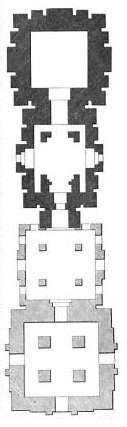
An exemplary model of the Kalinga architectural style, the temple features intricate carvings, towering spires, and elaborate iconography. Key structures within the complex include the Vimana (sanctum sanctorum), Jagamohana (assembly hall), Natamandira (festival hall), and Bhogamandapa (hall of offerings) (ASI).
Visitor Information
Visiting Hours and Tickets
The Ananta Basudeva Temple is open to visitors daily from 6 AM to 8 PM. Entry is free, but donations are welcome. Guided tours are available at an additional cost, providing deeper insights into the temple's history and significance.
Accessibility
The temple is accessible by road and is well-connected to major transport hubs in Bhubaneswar. Wheelchair access is limited, so visitors with mobility issues may need assistance.
Nearby Attractions
While in Bhubaneswar, visitors can explore other historical sites such as the Lingaraj Temple, Mukteshvara Temple, and the Odisha State Museum. These attractions offer a comprehensive understanding of the region's historical and cultural landscape.
Cultural and Religious Practices
The temple follows traditional Vaishnavism rituals, including daily worship and special festivals. Janmashtami, the birth anniversary of Lord Krishna, is a significant event that attracts thousands of devotees (Hindu Festivals).
Influence on Local Culture
The temple has inspired various forms of art, including classical Odissi dance, music, and literature. Its legends and stories are integral to local folklore and performances (Odissi Dance).
Preservation Efforts
The Archaeological Survey of India (ASI) has undertaken several initiatives to conserve the temple's structure and art. These efforts include regular maintenance, structural reinforcements, and the use of modern technology to monitor the temple's condition (ASI).
Challenges and Future Prospects
The temple faces challenges such as environmental degradation and urbanization. Addressing these requires a collaborative approach involving government agencies, local communities, and international organizations (UNESCO).
FAQ
Q: What are the visiting hours for Ananta Basudeva Temple?
A: The temple is open daily from 6 AM to 8 PM.
Q: How much do tickets cost for Ananta Basudeva Temple?
A: Entry is free, but guided tours are available at an additional cost.
Q: What are some nearby historical sites?
A: Nearby attractions include the Lingaraj Temple, Mukteshvara Temple, and the Odisha State Museum.
Q: Are there any special events at the temple?
A: Janmashtami, the birth anniversary of Lord Krishna, is a significant festival celebrated at the temple.
For more updates and information, follow us on social media or download the Audiala app.