
Origins and Patronage
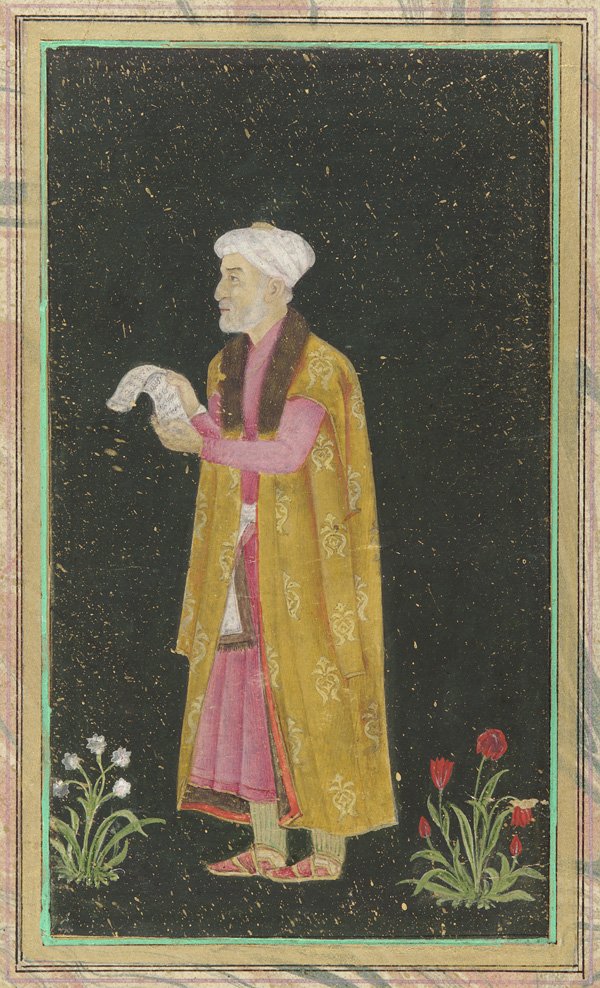
Commissioned by Empress Nur Jahan, the wife of Emperor Jahangir, the Tomb of I’timād-ud-Daulah honors her father, Mirza Ghiyas Beg, a Persian nobleman who rose to become the Mughal Empire’s chief minister (Tripoto; Outlook Traveller). Mirza Ghiyas Beg, titled “Itimad-ud-Daulah” or “Pillar of the State,” was also the grandfather of Mumtaz Mahal, for whom the Taj Mahal was later built.
Nur Jahan’s deep filial devotion and her remarkable influence at court are reflected in the tomb’s design, which departed from earlier Mughal styles, blending Persian and local Indian architectural features (The Wanders).
The Mughal Family Network
The tomb’s story is intertwined with the Mughal dynasty’s powerful women. Nur Jahan not only shaped the site’s architectural vision but also established a lineage of female patronage. The family’s connection to Mumtaz Mahal further cements the tomb’s place at the heart of Mughal history (Tripoto).
Architectural Significance and Innovations
Pioneering Use of White Marble
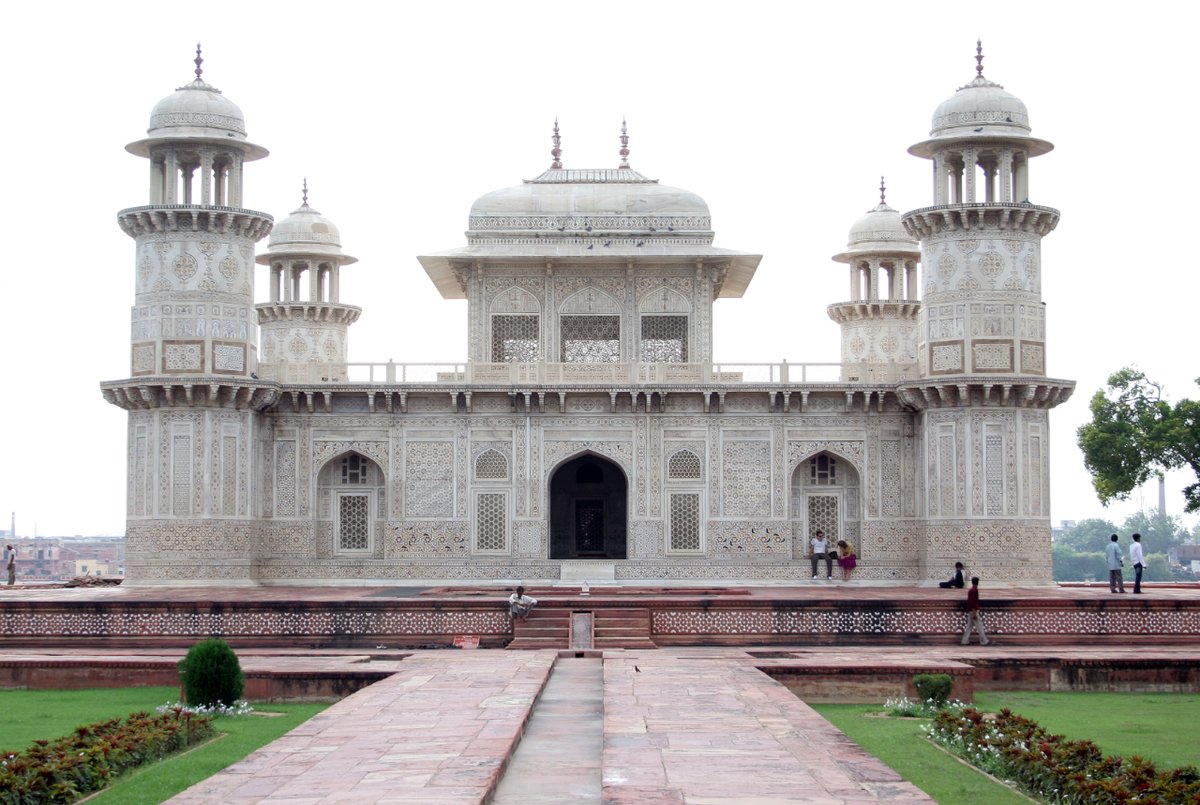
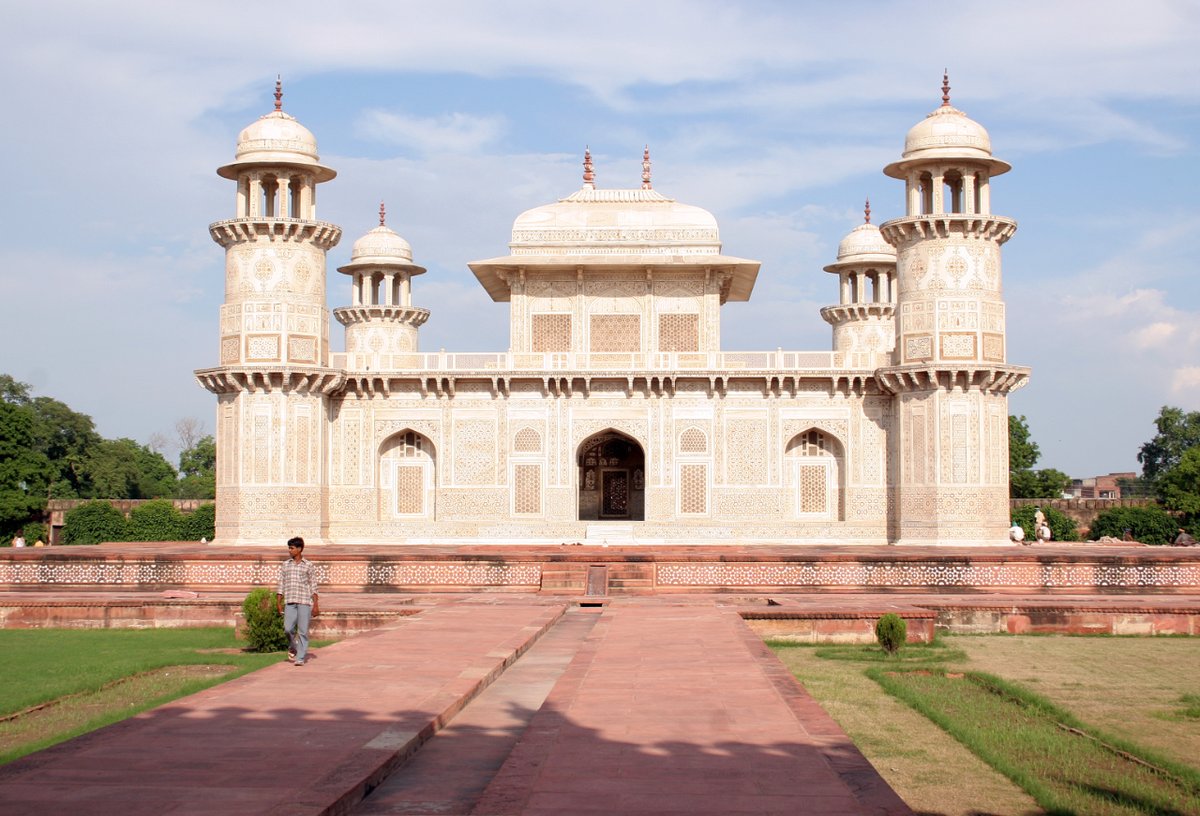
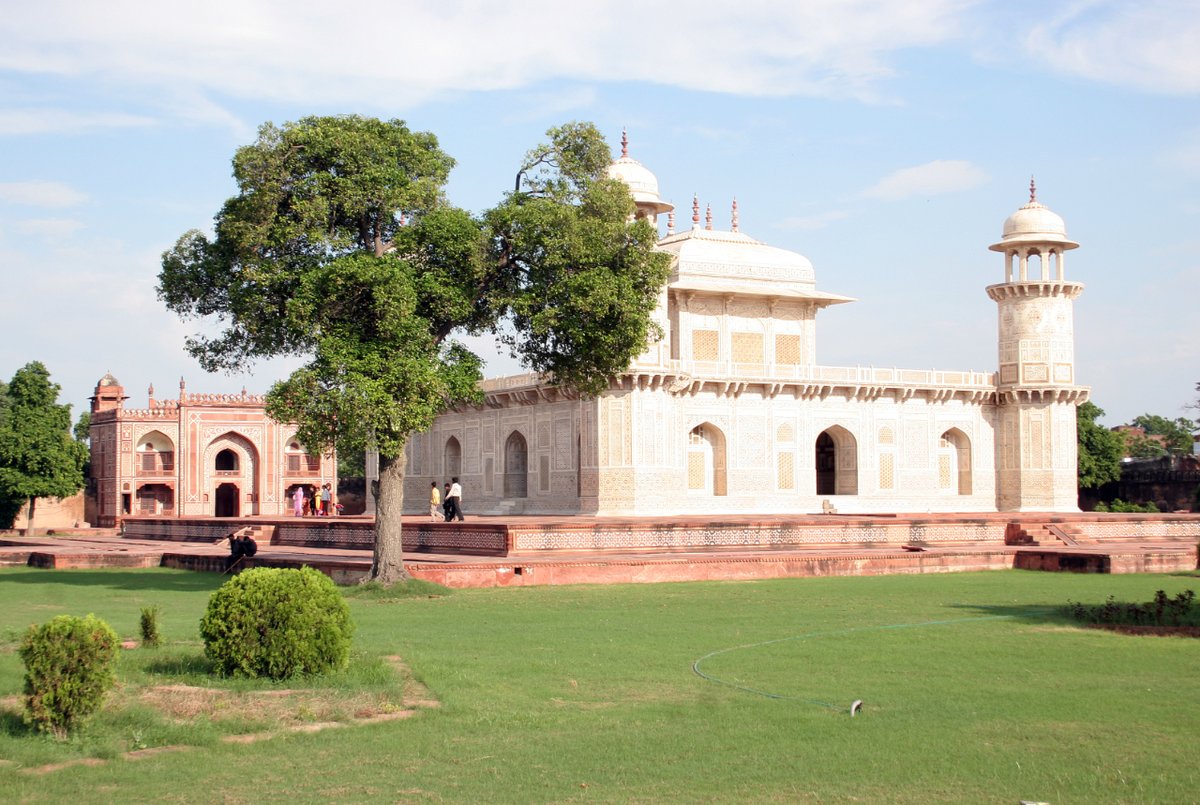
Unlike earlier Mughal monuments built with red sandstone, the Tomb of I’timād-ud-Daulah was the first to be made entirely of white marble sourced from Rajasthan, paving the way for the Taj Mahal (Taj Mahal Tourist Guide; Rajasthan Bhumi Tours).
Pietra Dura and Ornamentation
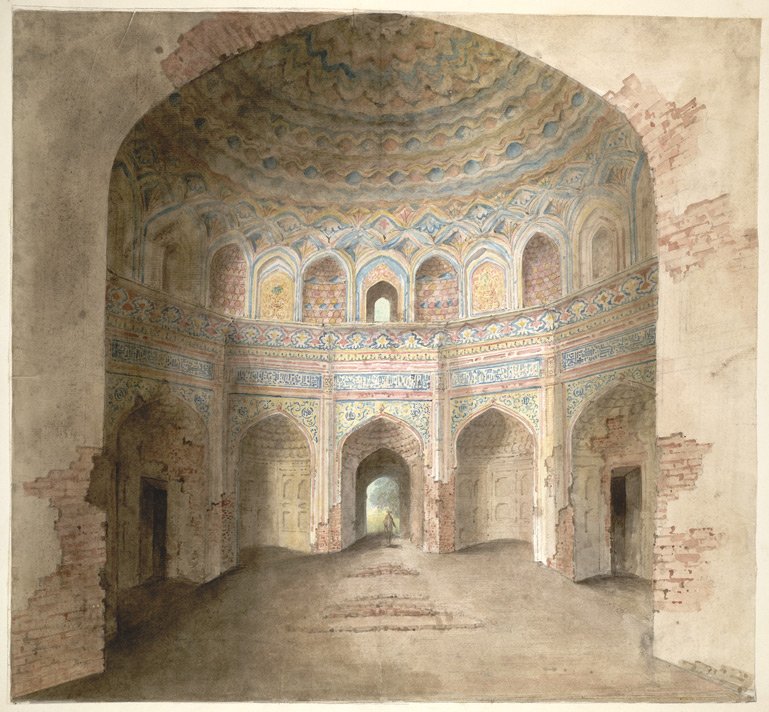
The tomb is renowned for its extensive pietra dura (pachi kari) work—semi-precious stones inlaid into marble, creating vibrant floral and geometric motifs (Taj Mahal in Agra). Delicate jali (lattice) screens, Quranic inscriptions, and painted stucco add to the site’s detailed artistry.
Charbagh Garden and Layout
Set within a classical Persian-style charbagh (four-part) garden, the tomb is elevated on a red sandstone plinth by the Yamuna River (Agate Travel). Its square structure, four minarets topped with chhatris, and absence of a central dome distinguish it as a transitional monument between Akbar’s era and Shah Jahan’s masterpieces (Taj Mahal Tourist Guide).
Fusion of Styles
The tomb’s blend of Persian arches, octagonal towers, Indian chhatris, and kiosks exemplifies the Mughal synthesis of diverse architectural traditions (Taj Mahal in Agra).
Symbolism and Decorative Program
Every element of the tomb—from the paradise garden to the intricately inlaid marble—carries symbolic meaning. The site’s floral, geometric, and animal motifs evoke images of paradise, while Quranic verses and ornamental screens reflect the spiritual and artistic sensibilities of its patrons (Outlook Traveller).
Visiting Hours & Ticket Information
- Opening Hours Daily, from 6:00 AM to 6:00 PM. Early morning and late afternoon are ideal for photography and cooler weather.
- Entry Fees
- Indian Citizens: INR 20–30
- Foreign/NRI Visitors: INR 250–500
- SAARC/BIMSTEC Citizens: INR 20
- Children under 15: Free
(Colourful India Travel; ASI Official Site)
Tickets can be bought at the entrance or via select online platforms (GetExplore). Carry a valid ID for discounts.
Getting There
- Address Moti Bagh, Agra, Uttar Pradesh, India, along the Yamuna River.
- Distance from Major Landmarks
- Taj Mahal: ~4 km
- Agra Fort: ~5 km
- Agra Cantt Railway Station: ~7 km
- Agra Airport: ~13 km
- Transport Options
- Auto-rickshaw, taxi, or app-based cabs from city center and major attractions.
- Bicycle rentals for scenic access.
- Guided tours with transportation.
Facilities and Accessibility
- Restrooms Available near the entrance.
- Drinking Water Provided onsite.
- Shops Souvenirs and refreshments near the entrance.
- Parking Paid parking lot for cars and buses.
- Accessibility Main pathways and gardens are wheelchair-accessible. Entry into the mausoleum involves steps; assistance is available.
- Security Visitors undergo screening; large bags and prohibited items are not allowed.
Guided Tours & Travel Tips
- Guided Tours Licensed guides available at the entrance; pre-arranged tours offer deeper historical insights.
- Audio Guides Occasionally available.
- Photography Permitted throughout; tripods may require permission.
- Best Time to Visit October–March for pleasant weather. Early mornings/later afternoons for fewer crowds and optimal lighting.
- Dress Code Modest attire recommended.
- Visitor Conduct Avoid touching marble inlays or climbing structures; respect the monument’s sanctity.
Nearby Attractions & Itineraries
Enhance your Agra experience by visiting:
- Taj Mahal ~4 km away
- Agra Fort ~5 km away
- Mehtab Bagh Riverside gardens with sunset views of the Taj Mahal
- Jama Masjid
Sample Itinerary:
- Morning at Taj Mahal
- Midday at Tomb of I’timād-ud-Daulah
- Sunset at Mehtab Bagh
FAQ
Q: What are the visiting hours?
A: 6:00 AM – 6:00 PM daily.
Q: How much are tickets?
A: INR 20–30 (Indians), INR 250–500 (Foreigners); children under 15 free.
Q: Is the site wheelchair accessible?
A: Gardens and main paths are accessible; steps into the tomb may require assistance.
Q: Are guided tours available?
A: Yes, at the entrance and through local agencies.
Q: Can I buy tickets online?
A: At select platforms and the official ASI site.
Q: Is photography allowed?
A: Yes, except for flash in some areas.
Summary and Visitor Tips
The Tomb of I’timād-ud-Daulah stands as a serene, architecturally significant site that bridges Mughal architectural traditions from red sandstone to white marble and pietra dura inlay (Hungarian Dreamers; Taj Mahal Tourist Guide). Its tranquil gardens, detailed ornamentation, and historical depth make it an essential stop for visitors seeking to understand Agra’s rich Mughal legacy (Outlook Traveller).
Visitor Tips:
- Visit early or late for optimal light and fewer crowds.
- Consider a guided tour for deeper appreciation.
- Pair your visit with nearby Agra historical sites.
- Download the Audiala app for maps, tips, and real-time updates.