आगरा

Bhart

आगरा

Most visitors see only the Taj Mahal and leave. Agra hides a Mughal river city, living Urdu poetry roots, colonial churches, and the best petha in Noori Gate if you know

location_on 12 attractions
calendar_month October to March
schedule 3-4 days

Introduction

The first time you smell Agra at dawn, it is not marble you notice. It is woodsmoke, river mud, and the faint sweetness of boiling milk from a thousand chai stalls. आगरा in Bhart refuses to be only the city of the Taj. Stand on the far bank of the Yamuna at sunset and the monument floats above its own reflection while a man in a checked lungi cycles past carrying three live chickens and yesterday’s newspaper.

Shah Jahan built the Taj Mahal between 1631 and 1648 as a tomb for Mumtaz. Yet the same dynasty left behind a living Mughal river city that most visitors never see. Kachhpura village still makes Sanjhi art with stencils cut from old film posters. Gyarah Sidi’s crumbling steps once helped Humayun track stars. Both sit within sight of the white domes, quietly arguing that Agra was always more than a postcard.

The city stacks three centuries on top of one another without apology. You can eat bedai and jalebi at Deviram before 8 a.m., watch the sound-and-light show at Agra Fort that same evening, then finish the night with frontier kebabs at Peshawri. Between those moments are quiet marble workshops still carving Soami Bagh’s samadh in coloured stone, and the bear rescue centre where former dancing sloth bears now nap in the shade of keetham trees.

What changes you is realising the Taj is not an isolated miracle. It is the most famous room in a house whose corridors still breathe. Once you notice the house, you cannot unsee it.

Places to Visit

The Most Interesting Places in आगरा

Taj Mahal

Taj Mahal

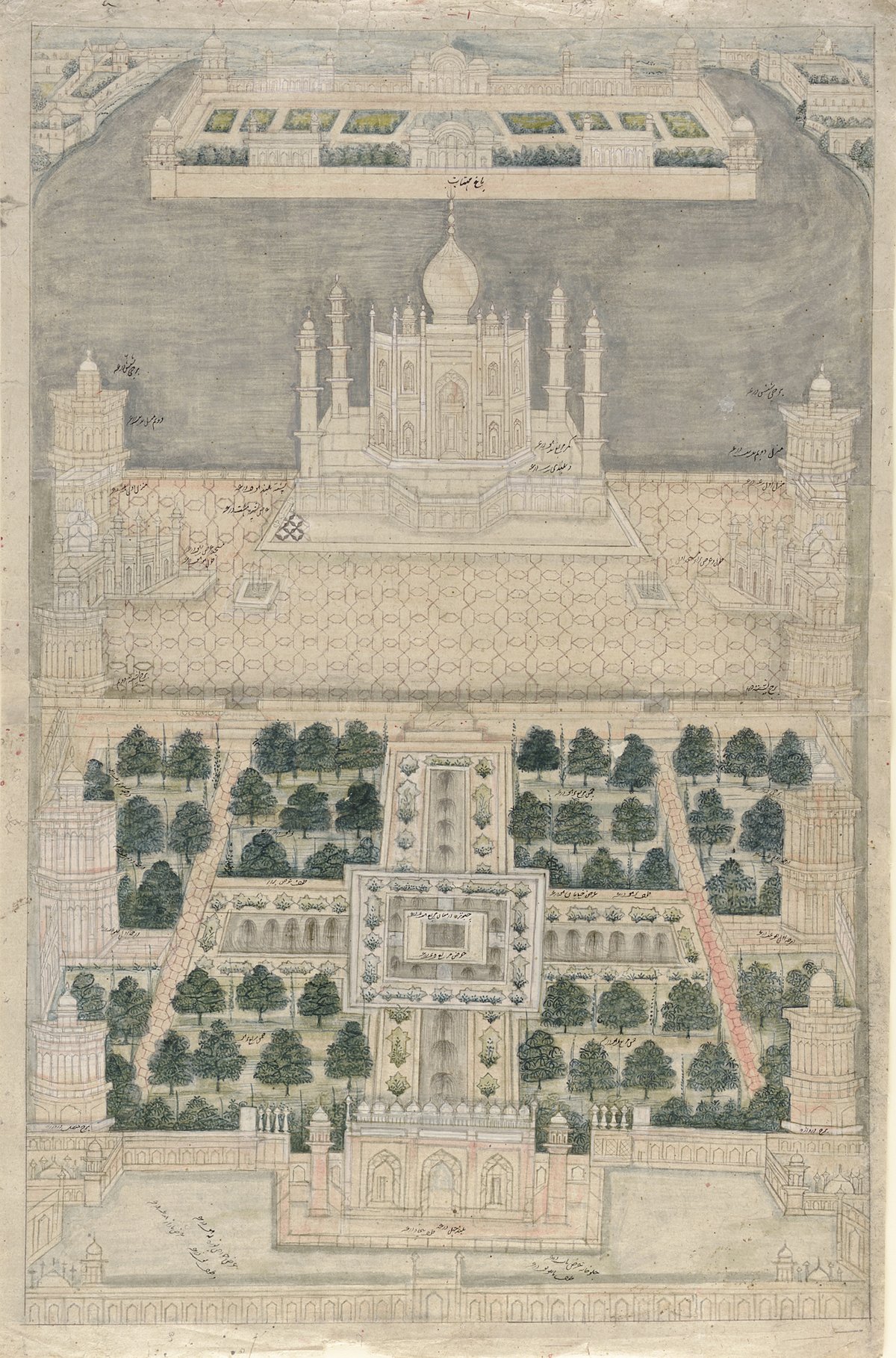
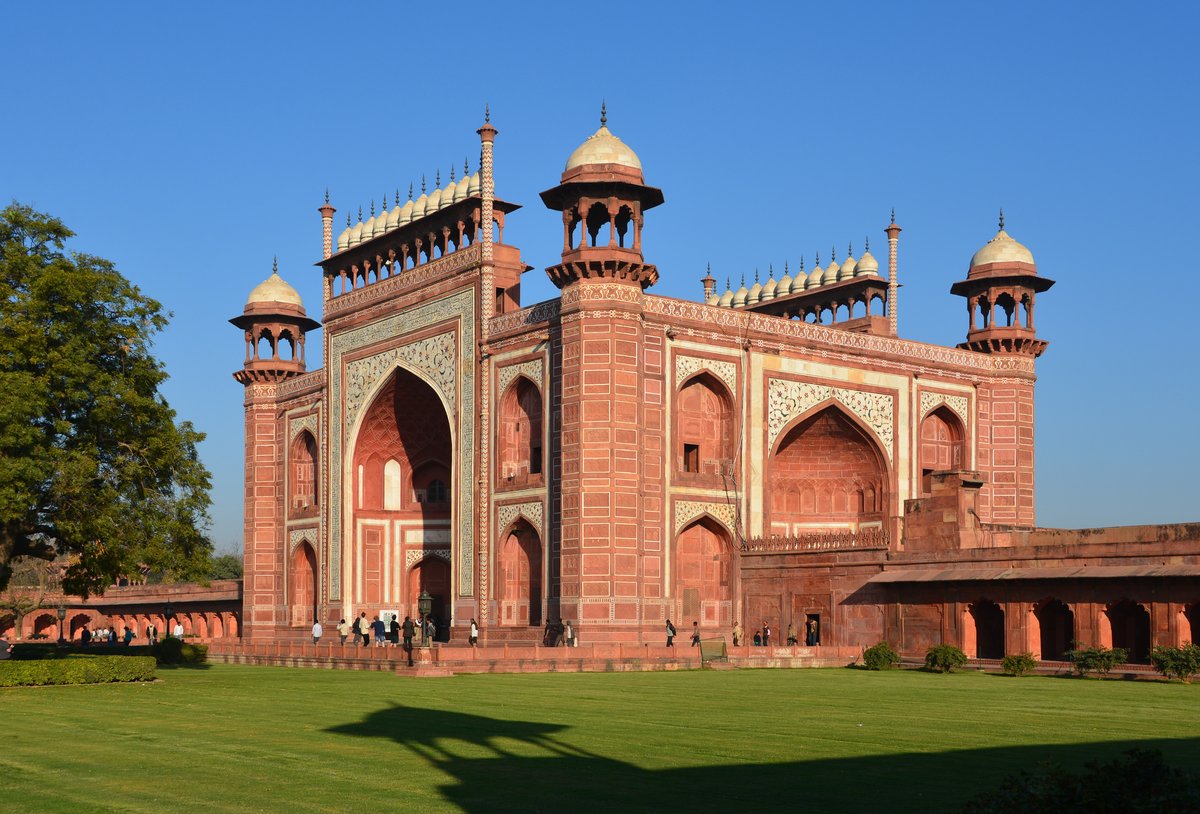
Shah Jahan's hair turned white with grief in months. The tomb he built for his wife took 21 years and changes colour with every hour of the day.

Agra Fort

Agra Fort

Agra Fort, a UNESCO World Heritage Site, stands as a monumental testament to the grandeur and architectural brilliance of the Mughal Empire.

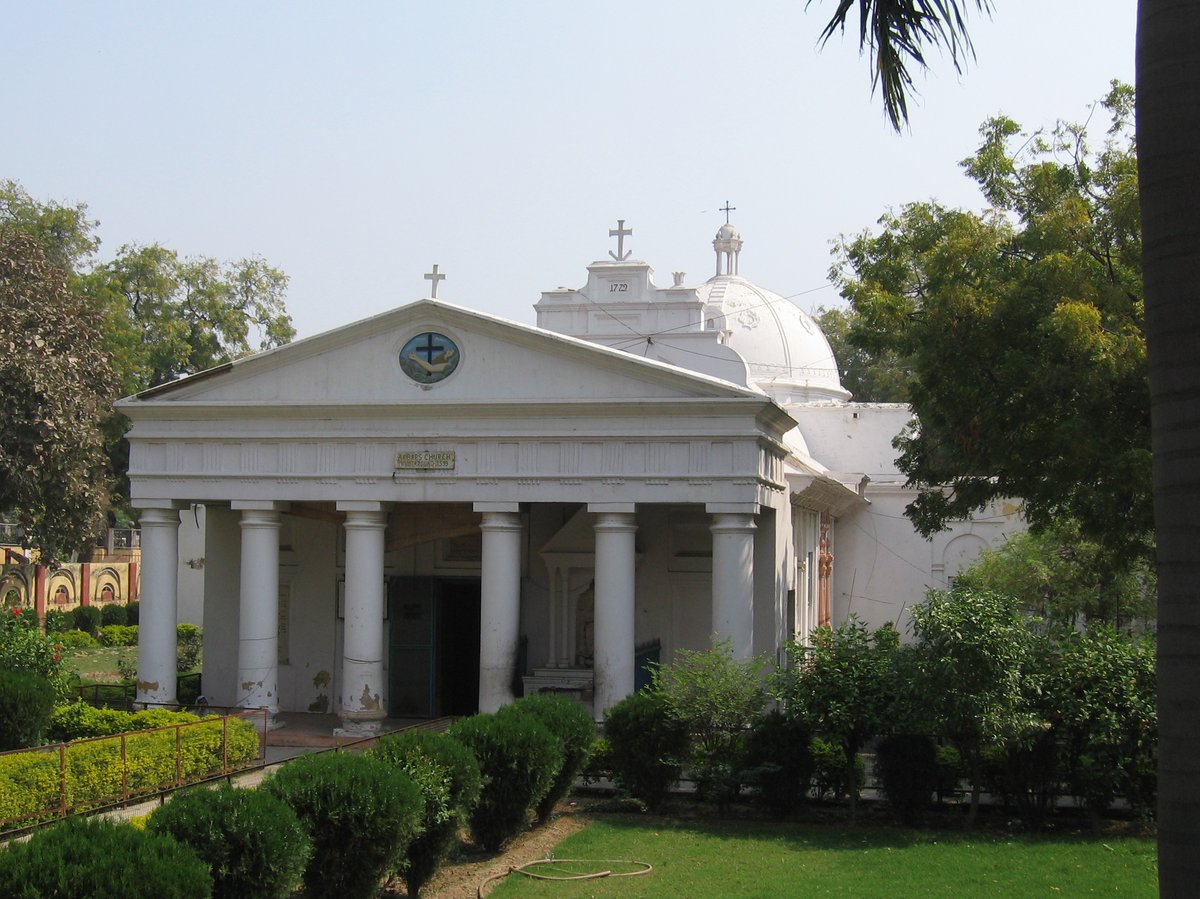
Akbar'S Church

Akbar'S Church

Akbar’s Church in Agra is a unique historical monument that embodies the spirit of religious tolerance and cultural synthesis during the Mughal era.

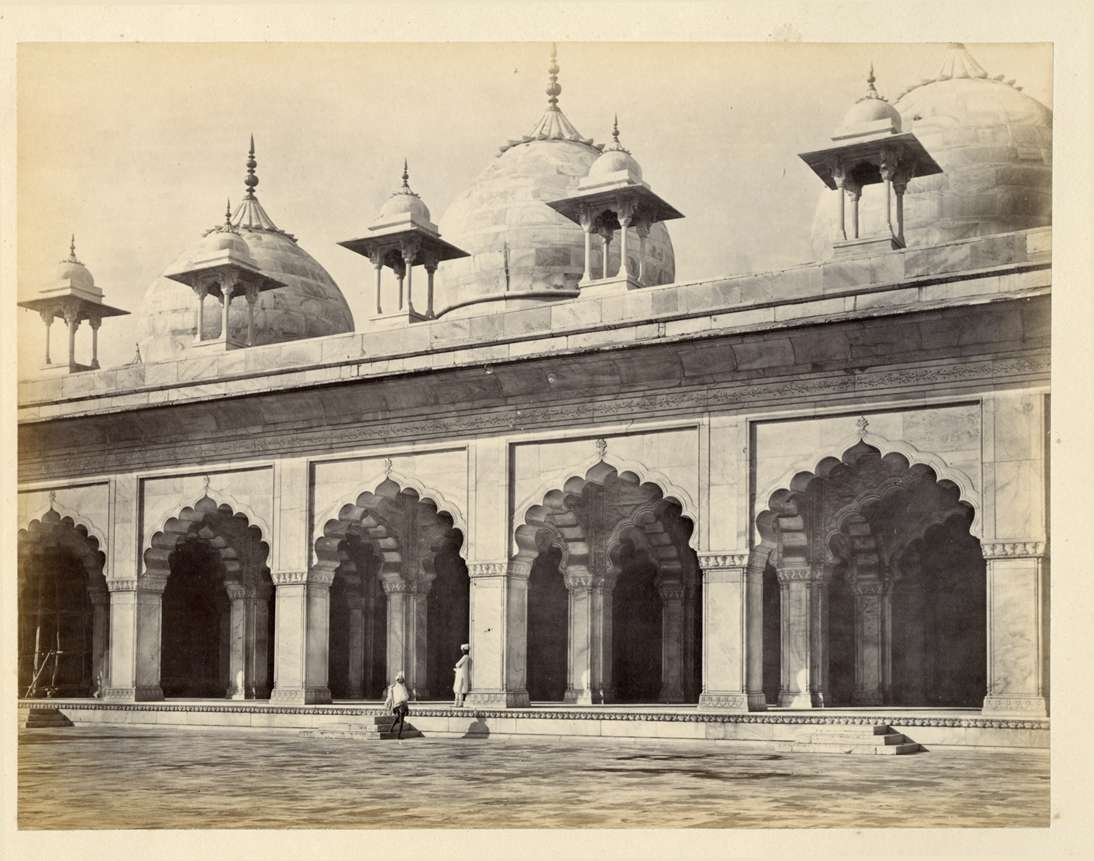
Moti Masjid

Moti Masjid

Nestled within the historic walls of Agra Fort, the Moti Masjid, or "Pearl Mosque," stands as an exquisite emblem of Mughal architectural brilliance and…

landscape

Mina Mosque

Nestled within the majestic Agra Fort complex, the Mina Mosque—also known as Mina Masjid or the "Heavenly Mosque"—offers visitors a rare glimpse into the…

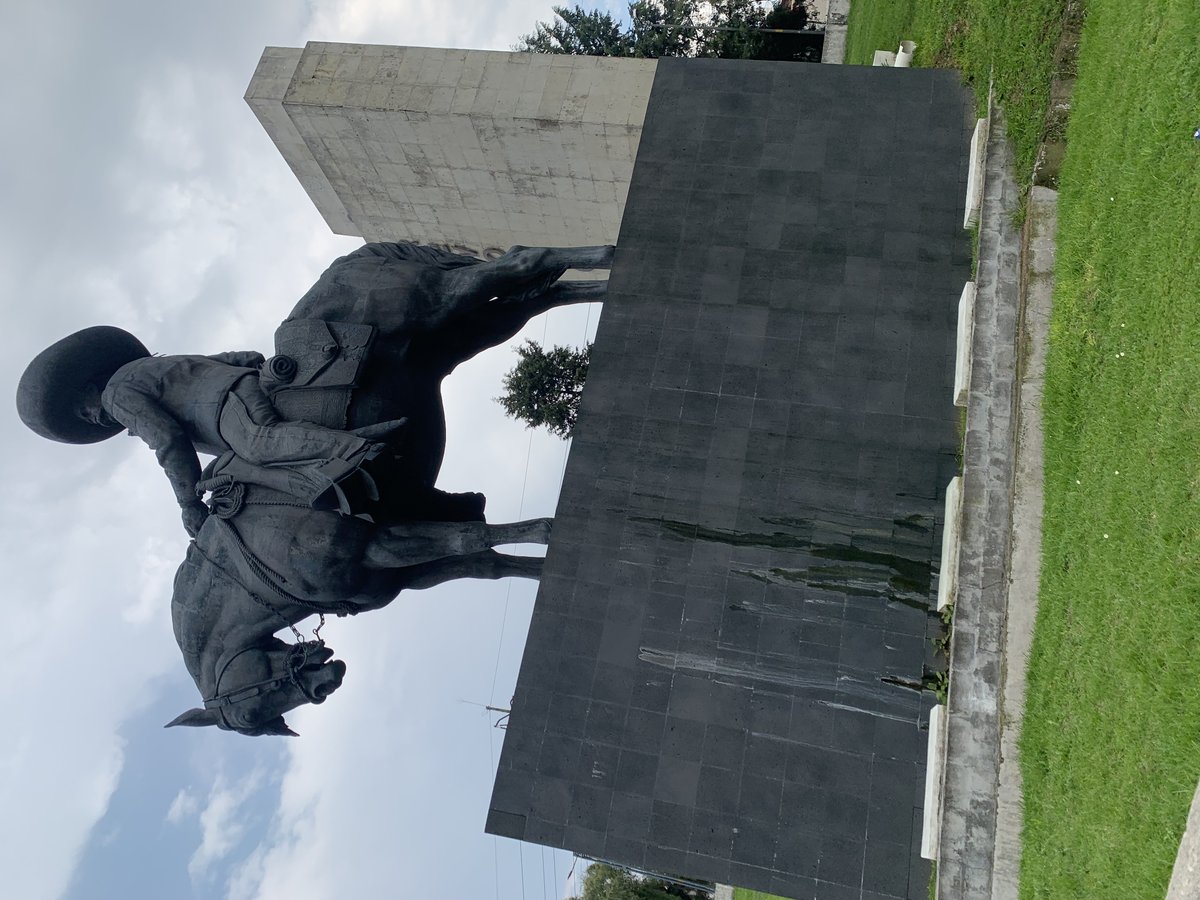
Equestrian Statue

Equestrian Statue

Agra, a city globally celebrated for its monumental heritage, notably the Taj Mahal and Agra Fort, offers visitors a multifaceted cultural experience enriched…

Jahangiri Mahal

Jahangiri Mahal

आगरा फोर्ट की सबसे बड़ी इमारत जहाँगीर महल असल में अकबर ने बनवाई थी — यह विरोधाभास खुद जहाँगीर ने अपने संस्मरणों में स्वीकार किया है।

landscape

Amar Singh Gate

Amar Singh Gate, the majestic southern entrance to the renowned Agra Fort in Agra, India, stands as a remarkable testament to the region’s rich and layered…

Chini Ka Rauza

Chini Ka Rauza

Nestled in the heart of Agra, Chini Ka Rauza is a hidden gem that offers a unique glimpse into the rich history and culture of the Mughal era.

Akbar'S Tomb

Akbar'S Tomb

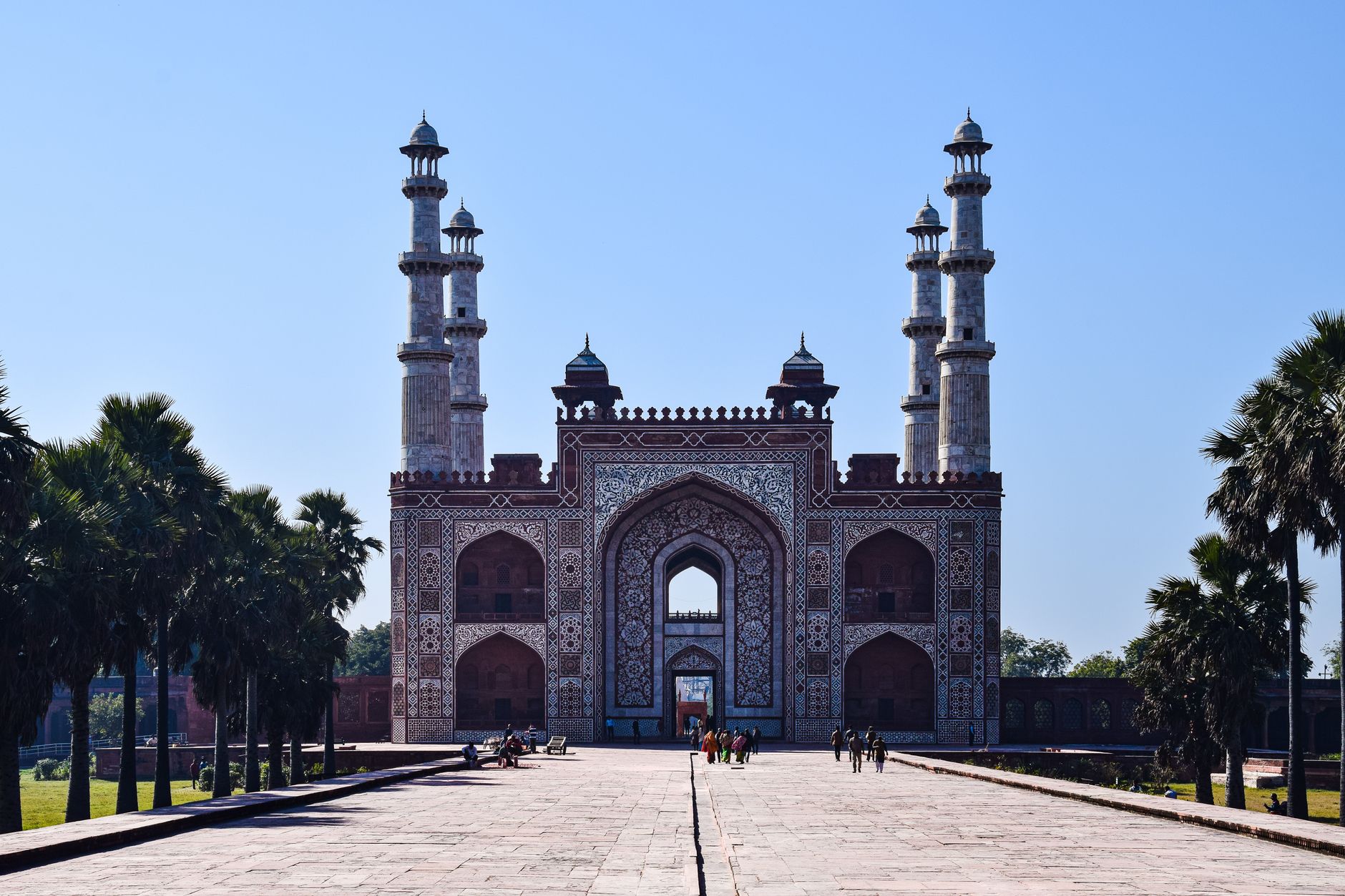
Five terraces, no great dome, and marble minarets before the Taj: Akbar's Tomb turns Mughal architecture sideways in Sikandra's quieter gardens of Agra.

landscape

Jama Masjid

Jama Masjid in Agra stands as a monumental symbol of Mughal architectural brilliance and spiritual heritage, deeply woven into the city's rich cultural…

Tomb of I'Timād-Ud-Daulah

Tomb of I'Timād-Ud-Daulah

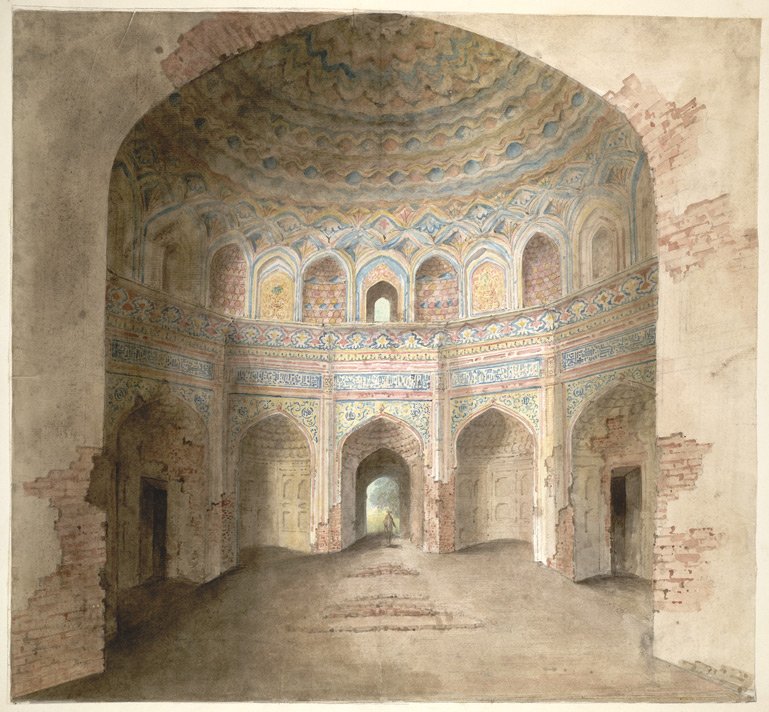
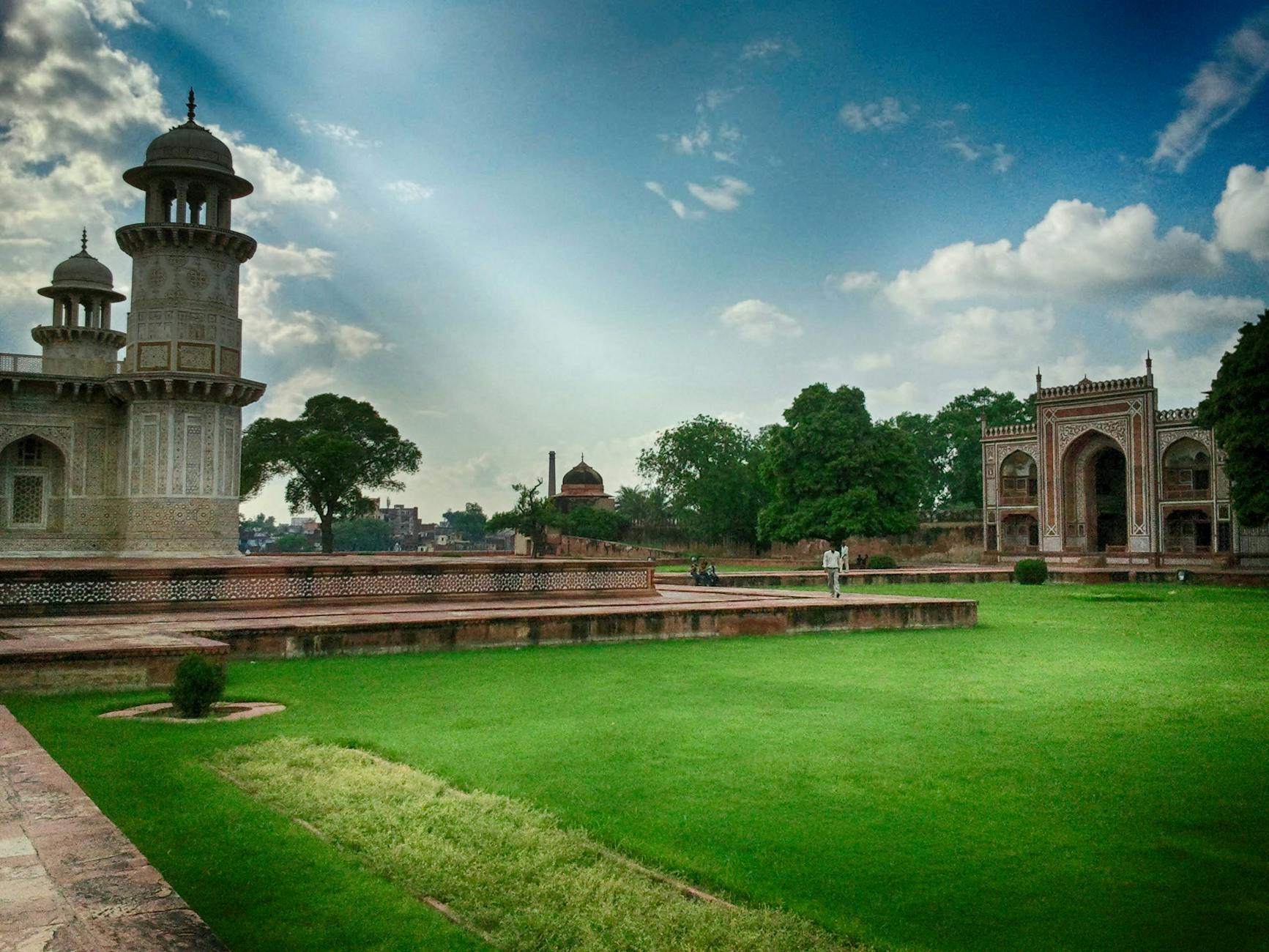
Nestled in the historic city of Agra, India, the Tomb of I’timād-ud-Daulah stands as a remarkable testament to Mughal architectural innovation and deep…

What Makes This City Special

Mughal Marble Mastery

The Taj Mahal was built between 1631 and 1653 by Ustad Ahmad Lahori for Mumtaz Mahal. Stand at Mehtab Bagh on the Yamuna's far bank at sunset and watch the marble shift from warm cream to rose to cool silver. The proportions feel impossible up close.

Riverbank Secrets

Kachhpura village hides Gyarah Sidi, an astronomical platform from Humayun's time, and the peculiar sandstone Humayun Mosque with its graves in the courtyard. The Mughal Heritage Walk threads these through living courtyards, potters, and shoemakers. You finally see Agra as a planned Mughal river city, not a postcard checklist.

Beyond the Monuments

Soor Sarovar bird sanctuary, designated Ramsar site in 2020, hosts over 30,000 waterbirds on the Central Asian flyway. Inside it sits the Agra Bear Rescue Facility where former dancing bears now live out their days. The contrast with white marble is quietly profound.

Evening Agra

The reimagined Agra Fort sound-and-light show Rang-e-Agra runs nightly in 2026 with English at 7:30 pm. Kalakriti offers Mohabbat the Taj at 6:45 pm. Both beat the touts selling overpriced nighttime Taj tickets that don't actually let you inside.

Historical Timeline

Agra: From Lodī Garrison to Marble Dream

A city that keeps changing hands yet never loses its shape

castle
1504

Sikandar Lodī Refounds Agra

Sikandar Lodī shifted his court from Delhi to this dusty bend in the Yamuna. He built a fort and laid out the first proper streets. Within years the scent of horse sweat and new masonry hung over the market. Agra stopped being a footnote and became a forward capital.

swords
1526

Babur Claims Agra After Panipat

After Ibrahim Lodī fell on the battlefield, Babur rode into Agra in April. The women of the Lodī harem hid jewels in the wells. Babur found the place hot and hostile yet planted the first charbagh garden anyway. That garden, later called Ram Bagh, still carries his water channels.

castle
1526

Babur Plants Aram Bagh

Babur missed the orchards of Ferghana. He ordered Persian gardeners to cut a perfect rectangle beside the Yamuna. The first Mughal garden in India took shape under his direct gaze. Four centuries later its fountains still whisper the same geometry.

gavel
1530

Humayun Crowned at Agra Fort

Humayun received the sword and the title inside the old Lodī fort. The ceremony smelled of rosewater and nervous sweat. Agra briefly became the ceremonial heart of a shaky empire. It would not stay quiet for long.

swords
1556

Hemu Seizes Agra

The Hindu general Hemu stormed through the gates and took Agra before marching on Delhi. For a few months the city answered to neither Mughal nor Lodī. Then came the Second Battle of Panipat. Hemu’s severed head ended the experiment.

castle
1565

Akbar Rebuilds Agra Fort

Akbar tore down the old brick fort and raised red sandstone walls 21 metres high. Elephants dragged the massive blocks. The new fortress contained palaces, mosques and harems for an empire that now stretched from Kabul to Bengal. You can still run your hand along the warm sandstone he chose.

castle
1571

Akbar Founds Fatehpur Sikri

Forty kilometres west, Akbar built an entire red-stone city around the shrine of Salim Chishti. For fourteen years the court moved between Agra and this new capital. Then water ran out. The palaces emptied almost overnight.

person
1605

Akbar Dies in Agra

The emperor who had ruled for fifty years slipped away inside his fort. His body was carried to Sikandra where workmen began the great tomb. The city that had grown under his vision suddenly felt leaderless.

castle
1623

Nur Jahan Builds Itimad-ud-Daulah

Nur Jahan commissioned a tomb for her father that swapped red sandstone for white marble and pietra dura. The “Baby Taj” appeared almost overnight on the riverbank. For the first time Agra learned how luminous marble could look in morning light.

castle
1631

Mumtaz Mahal Dies, Taj Commissioned

Mumtaz died in childbirth in Burhanpur. Shah Jahan’s grief was theatrical and absolute. He summoned architects to Agra and ordered a mausoleum like nothing seen before. Twenty thousand workers began shaping the white marble that still stops every first-time visitor mid-breath.

church
1643

Jahanara Builds Agra's Jama Masjid

Shah Jahan’s daughter Jahanara spent five lakh rupees on a mosque near the fort. The red sandstone courtyard fills with the sound of evening prayers even today. She never put her name on it. The building itself is signature enough.

castle
1648

Taj Mahal Essentially Complete

After seventeen years the main mausoleum stood finished. The marble had come from Makrana, the jewels from as far as Baghdad. Shah Jahan could finally see the monument he had dreamed in his grief. He had no idea he would soon view it only from a prison window.

gavel
1658

Aurangzeb Imprisons Shah Jahan

Aurangzeb seized power and locked his father inside Agra Fort. For eight years the old emperor walked the marble corridors and stared across the river at the Taj. He died there in 1666. The city watched a son bury his father in the building the father had built for his wife.

swords
1666

Shivaji Escapes Agra

The Maratha king was brought to court under imperial guarantee and promptly placed under house arrest. On 17 August he hid in a basket of sweets and slipped past the guards. The escape became legend across the Deccan. Agra learned that even the Mughal capital could be outwitted.

palette
1735

Nazir Akbarabadi is Born

The poet who would later call himself “of Akbarabad” entered the world in the crowded lanes. While emperors rose and fell, Nazir wrote about street vendors, rainy seasons and ordinary suffering. His verses still sound like the city itself talking.

swords
1761

Jats Capture Agra Fort

Suraj Mal’s Jat army besieged the fort for forty days. When it fell the Mughal dream in Agra effectively ended. Looters carried away whatever the earlier wars had left. The red walls that once housed emperors now sheltered looters’ campfires.

palette
1797

Ghalib is Born in Kala Mahal

Mirza Asadullah Khan entered the world in a narrow Agra house. The city’s elegant Urdu would shape his tongue forever. Though he later moved to Delhi, the boy from Kala Mahal never lost the particular melancholy that belongs to Agra’s twilight years.

gavel
1803

British Take Agra

Lord Lake’s forces defeated the Marathas. The Treaty of Surji-Anjangaon handed Agra to the East India Company on 30 December. A new bureaucracy moved into the Mughal palaces. The sound of marching boots replaced the call of the muezzin at dawn.

swords
1857

Battle of Agra During the Rebellion

In October rebel sepoys and British troops clashed in the streets and cantonment. The fort became a refuge for Europeans. When the smoke cleared the city lay exhausted. The rebellion failed here, but its memory never left the narrow lanes.

person
1861

Motilal Nehru is Born

A future Congress president and father of a prime minister first cried in an Agra house. The city’s legal culture and its uneasy relationship with British power shaped his early years. The Nehrus would later leave, but Agra still claims the connection.

school
1927

Agra University Founded

On 1 July the university opened its doors. Students from across northern India arrived to study under the shadow of the Taj. The institution quietly became a centre of nationalist thought while the British were still watching.

public
1947

Independence and Partition

Agra watched the midnight hour with mixed feelings. Some families left for Pakistan, others stayed. The leather workshops and marble inlay ateliers continued under new flags. The monuments remained, indifferent to human borders.

castle
1983

Taj and Agra Fort Become UNESCO Sites

The world officially declared the Taj and the fort protected heritage. Conservationists, politicians and tour operators suddenly spoke the same language. The marble began receiving regular check-ups. Pollution, however, kept rising anyway.

gavel
1996

Taj Trapezium Zone Established

The Supreme Court drew a 10,400 square kilometre protection ring around the monuments. Industries had to switch fuels or close. The air slowly improved. The city learned that its most famous resident demanded sacrifices from everyone else.

flight
2012

Yamuna Expressway Opens

The 165-kilometre highway slashed travel time to Delhi. Cars now scream past the old caravan routes. Agra’s leather shoes and marble souvenirs reach markets faster than ever. The city feels both closer to the capital and somehow farther from its own past.

factory
2023

Agra Leather Footwear Gets GI Tag

The city’s traditional juttis finally received legal recognition of their origin. Artisans who once worked in the shadow of the Taj now have paperwork to prove their craft matters. The smell of tanned leather still drifts through the old city every morning.

flight
2024

Agra Metro Begins Service

In March the first metro line opened, gliding past the Taj Mahal and Agra Fort. Commuters now ride above the same streets where elephants once carried emperors. The city that built the world’s most famous tomb now moves its people underground and overhead.

schedule
Present Day

Notable Figures

Shahab-ud-din Muhammad Shah Jahan

1592–1666 · Mughal Emperor
Built the Taj Mahal in Agra

After Mumtaz Mahal died in 1631, Shah Jahan ordered the white marble mausoleum built on the Yamuna. He spent the last years of his life imprisoned in Agra Fort by his son, gazing at the distant dome he created. The city still carries his precise geometric vision in every pietra dura flower.

Jalal-ud-din Muhammad Akbar

1542–1605 · Mughal Emperor
Made Agra his capital and built Agra Fort

Akbar turned Agra into the heart of empire. He raised the massive red sandstone fort and later chose Sikandra on its outskirts for his tomb. If he returned today he would recognise the fort walls but be startled by the quiet absence of elephants and court musicians.

Mirza Asadullah Beg Khan “Ghalib”

1797–1869 · Urdu and Persian poet
Born in Agra

Ghalib entered the world in Kala Mahal, Agra. The narrow lanes and crowded bazaars of his childhood shaped the sharp tongue that later defined Delhi’s literary salons. He would probably smile at the persistent chaos of Kinari Bazaar and still find something worth turning into a couplet.

Shiv Dayal Singh

1818–1878 · Founder of Radha Soami movement
Born, lived and died in Agra

Shiv Dayal Singh began teaching in a small room in Agra. The ongoing marble samadh at Soami Bagh, still being carved by hand, continues a project started in his lifetime. Devotees still gather there exactly as they did when he walked the same paths.

Practical Information

flight

Getting There

Agra Airport (AGR) sits 13 km from the city inside a military base with a 10-15 minute taxi ride. Most international visitors fly into Delhi IGI then take the authorized airport bus departing Terminal 3 at 7:00 pm and Terminal 1 at 7:30 pm, arriving Agra at 11:40 pm. Trains remain strong: Agra Cantt is the main station, with good connections from Delhi, Jaipur, and beyond.

directions_transit

Getting Around

The Agra Metro's 6 km priority corridor opened between Taj East Gate and Mankameshwar as of 2026, with NCMC cards launched in May 2025. Beyond that, rely on cycle-rickshaws from Agra Cantt, e-rickshaws, or pre-booked cabs. No vehicles are allowed within 500 m of the Taj Mahal. Battery buses and golf carts from Shilpgram or Amrood ka Teela parking are included with foreign tickets.

thermostat

Climate & Best Time

October to March brings comfortable days between 21-26°C with almost no rain. November-February is coolest, with December and January dipping to 4-15°C at night. Summers hit 45°C from April to June. Monsoon from July to September turns everything green but brings 200+ mm of rain monthly. Avoid the heat unless you enjoy 33°C monument visits.

shield

Safety

The Taj perimeter and station forecourts are prime spots for guide scams and overpriced rides. Hire only approved guides who show ID. Police is 112, women's helpline 1090, tourist helpline 1363. Uttar Pradesh has dedicated tourist police in 2026. After dark, use a booked vehicle rather than wandering.

Where to Eat

local_dining

Don't Leave Without Trying

Bedai + jalebi — crispy fried bread with spiced potato, served with golden syrup jalebi Petha — soft, milky-sweet confection that is Agra's signature sweet Dalmoth — spiced lentil and gram flour snack mix Mughlai kebabs — tandoori and seekh varieties, part of Agra's royal culinary heritage Nihari — slow-cooked meat stew, traditionally eaten for breakfast Chaat — street snacks like aloo tikki, aloo chaat, and golgappe Dal Bukhara — black lentils slow-cooked with cream and butter Gujhiya — sweet pastry filled with khoya and nuts Biryani — fragrant rice dish with meat, Mughlai-style Tandoori chicken — charcoal-grilled chicken, a North Indian staple

Cafe Double Shot

cafe
Cafe €€ star 4.8 (243)

Order: Their specialty coffee drinks and fresh pastries — this is where locals actually hang out, not tourists.

With 243 reviews and a solid 4.8 rating, this is Agra's most-reviewed cafe on verified data. It's the real deal for a proper coffee break or casual meal in the heart of the city.

schedule

Opening Hours

Cafe Double Shot

Monday 10:00 AM – 11:00 PM
Tuesday 10:00 AM – 11:00 PM
Wednesday 10:00 AM – 11:00 PM
map Maps language Web

Agra Petha Store

quick bite
Bakery €€ star 4.8 (9)

Order: Petha — the soft, syrupy milk-based sweet that Agra is famous for. Buy it fresh here rather than from random tourist stalls.

Located near Noori Gate in the traditional sweet-shop district, this is where locals buy authentic petha. It's the established name in the neighborhood, not a tourist trap.

schedule

Opening Hours

Agra Petha Store

Monday 9:30 AM – 10:00 PM
Tuesday 9:30 AM – 10:00 PM
Wednesday 9:30 AM – 10:00 PM
map Maps

Daddy's Treats

cafe
Cafe €€ star 5.0 (5)

Order: Cafe snacks and light meals — a neighborhood favorite with a perfect 5.0 rating from locals.

A small, highly-rated local cafe in a residential area. Perfect if you want to eat where Agra residents actually do, away from the main tourist drag.

GUPTA RESTAURANT

local favorite
Indian €€ star 5.0 (4)

Order: Local Indian home-style cooking — ask the owner what's fresh today.

Sitting in Shivaji Market in the local Chhipitola neighborhood, this is a genuine neighborhood restaurant, not a tourist spot. Perfect 5.0 rating from actual locals.

Rahul Sharma

local favorite
Indian €€ star 5.0 (2)

Order: Whatever's cooking — this place is open 24 hours, so it's your go-to for late-night or early-morning hunger.

A true local spot that never closes. When you're craving food at odd hours and want something authentic, not a tourist-trap convenience meal, this is it.

schedule

Opening Hours

Rahul Sharma

Monday Open 24 hours
Tuesday Open 24 hours
Wednesday Open 24 hours
map Maps

Baristha Cafe

cafe
Cafe €€ star 5.0 (1)

Order: Cafe fare — tea, coffee, and snacks in the heart of Sadar Bazar.

Located in Sadar Bazar on the first floor of Nand Plaza, this cafe sits in Agra's liveliest evening snack and chaat neighborhood. Perfect pit stop while exploring the market.

Ramu bhaghel

quick bite
Cafe €€ star 5.0 (1)

Order: Simple cafe snacks and tea — a neighborhood spot with genuine local character.

Tucked away in Sewala Jat, this is where locals grab a quick bite and chai. No frills, no tourists, just real Agra.

Sharma Digital World

quick bite
Cafe €€ star 5.0 (1)

Order: Early-morning chai and snacks — open from 7 AM, so perfect for breakfast before exploring the city.

On Collectorate Road near Hing ki Mandi, this is a working-class neighborhood cafe that opens early. Ideal for bedai and jalebi runs or a quick morning chai.

schedule

Opening Hours

Sharma Digital World

Monday 7:00 AM – 10:00 PM
Tuesday 7:00 – 10:00 AM
Wednesday 7:00 – 10:00 AM
map Maps
info

Dining Tips

  • check Sadar Bazaar and Chaat Gali are best visited in the evening (6-10 PM) for the full street-food experience with peak crowds and energy.
  • check Buy petha from established shops in the Noori Gate area rather than from random stalls near the Taj Mahal — you'll get authentic, fresh product at better prices.
  • check Bedai and jalebi are best eaten early in the morning at dedicated sweet shops like Deviram Sweets — these are breakfast items, not evening snacks.
  • check Many local restaurants don't have fixed websites or online presence — ask your hotel or locals for current hours and specialties.
Food districts: Sadar Bazaar / Chaat Gali — the heart of evening chaat, snacks, and non-vegetarian street food; peak hours 6-10 PM Kinari Bazaar (Hing ki Mandi / Mantola) — old-city area near Jama Masjid, best for wandering, sweets, spices, and breakfast spots Noori Gate / Hariparwat — traditional sweet-shop district where Panchhi Petha and other established petha makers are located Pratap Pura — home to Deviram Sweets and the best early-morning bedai and jalebi experience Chhipitola — local residential neighborhood with authentic Indian restaurants and cafes away from tourists

Restaurant data powered by Google

Tips for Visitors

wb_sunny
Visit on Full Moon

Book night viewing for the full moon plus two nights before and after, except Fridays and Ramadan. Tickets are limited and released 24 hours ahead on the official site.

no_food
Skip Taj Food Stalls

The touts near the gates sell overpriced, average food. Walk to Noori Gate for authentic Panchhi Petha or head to Deviram Sweets at Pratap Pura for morning bedai and jalebi instead.

photo_camera
Cross the Yamuna

Head to Mehtab Bagh or the ADA viewpoint on the opposite bank at sunset. The light hits the Taj from behind and you escape the crowds on the south and east gates.

directions_transit
Use the Metro Segment

The 6 km Agra Metro from Taj East Gate to Mankameshwar runs reliably. Buy an NCMC card if you plan multiple trips; it beats negotiating with cycle-rickshaws in the heat.

volume_off
Respect Taj Rules

The monument is closed every Friday. No food, drinks, or tripods inside. South gate remains closed for entry; use west or east gates and remember shoes must be removed.

attach_money
Buy Petha at Source

Purchase Agra’s signature sweet only from trusted makers at Noori Gate. The cheaper stalls near the Taj often sell inferior versions that don’t last the journey home.

Explore the city with a personal guide in your pocket

Your Personal Curator, in Your Pocket.

Audio guides for 1,100+ cities across 96 countries. History, stories, and local insight — offline ready.

smartphone

Audiala App

Available on iOS & Android

download Download Now

Join 50k+ Curators

Frequently Asked

Is Agra worth visiting? add

Yes, if you go beyond the Taj Mahal. The city reveals layered histories once you cross the Yamuna or walk through Kachhpura village. Three days lets you see the Mughal monuments, colonial traces, and living old-city lanes without exhaustion.

How many days should I spend in Agra? add

Two full days is the bare minimum for Taj Mahal, Agra Fort and Fatehpur Sikri. Three to four days works better if you want Mehtab Bagh at sunset, the Mughal Heritage Walk, Soami Bagh and a relaxed meal in Sadar Bazaar.

How do I get from Delhi to Agra? add

The official Delhi Airport bus leaves Terminal 3 at 7:00 PM and arrives in Agra around 11:40 PM. Trains from New Delhi or Hazrat Nizamuddin are faster. Pre-book a hotel pickup; Agra Airport itself has almost no public transport.

Is Agra safe for solo travelers? add

The main tourist areas around the Taj and Agra Fort are generally safe during daylight. Stick to well-lit streets after dark, avoid isolated riverbank spots at night, and use ride apps or hotel drivers instead of random tuk-tuks.

When is the best time to visit Agra? add

October to March brings pleasant weather and clear Taj views. Avoid April to June when temperatures regularly cross 40°C. The Taj Mahotsav in February offers crafts and performances but expect bigger crowds.

Should I visit Agra on a Friday? add

The Taj Mahal is closed every Friday. Use the day for Agra Fort, Fatehpur Sikri, the colonial walk or the Kachhpura Mughal Heritage Walk instead. The ADA viewpoint near Mehtab Bagh still offers good views.

Sources

Last reviewed:

All Places to Visit

23 places to discover

Taj Mahal star Top Rated

Taj Mahal

Agra Fort

Agra Fort

Akbar'S Church

Akbar'S Church

Moti Masjid

Moti Masjid

photo_camera

Mina Mosque

Equestrian Statue

Equestrian Statue

Jahangiri Mahal star Top Rated

Jahangiri Mahal

photo_camera

Amar Singh Gate

Chini Ka Rauza

Chini Ka Rauza

Akbar'S Tomb star Top Rated

Akbar'S Tomb

photo_camera

Jama Masjid

Tomb of I'Timād-Ud-Daulah

Tomb of I'Timād-Ud-Daulah

Tomb of Mariam-Uz-Zamani

Tomb of Mariam-Uz-Zamani

Mehtab Bagh

Mehtab Bagh

photo_camera

Agra Cantt Railway Station

photo_camera

Diwan-I-Am

photo_camera

Bateshwar, Uttar Pradesh

Ram Bagh

Ram Bagh

Agra Fort Railway Station

Agra Fort Railway Station

Raja Ki Mandi Railway Station

Raja Ki Mandi Railway Station

photo_camera

Idgah Railway Station

Darwaza-I-Rauza

Darwaza-I-Rauza

photo_camera

Sur Sadan