
Emil von Behring’s Legacy in Marburg: Sites, Visiting Information and History
Marburg’s Behring-related sites trace the work and life of Emil von Behring, whose serum therapies against diphtheria and tetanus helped establish the city as a centre of immunological and pharmaceutical research. Visitors can explore the Institute of Hygiene, Behring’s private laboratory, the Behringwerke industrial complex, the Emil von Behring Museum and the Behring Mausoleum. The signposted Behring-Route connects twelve locations associated with his work and life.
The city’s Behring heritage includes research and educational institutions, commemorative events and landmarks that reflect his influence on medicine and Marburg. Information about Behring’s life and work is available in the Philipps-Universität Marburg archives.
History
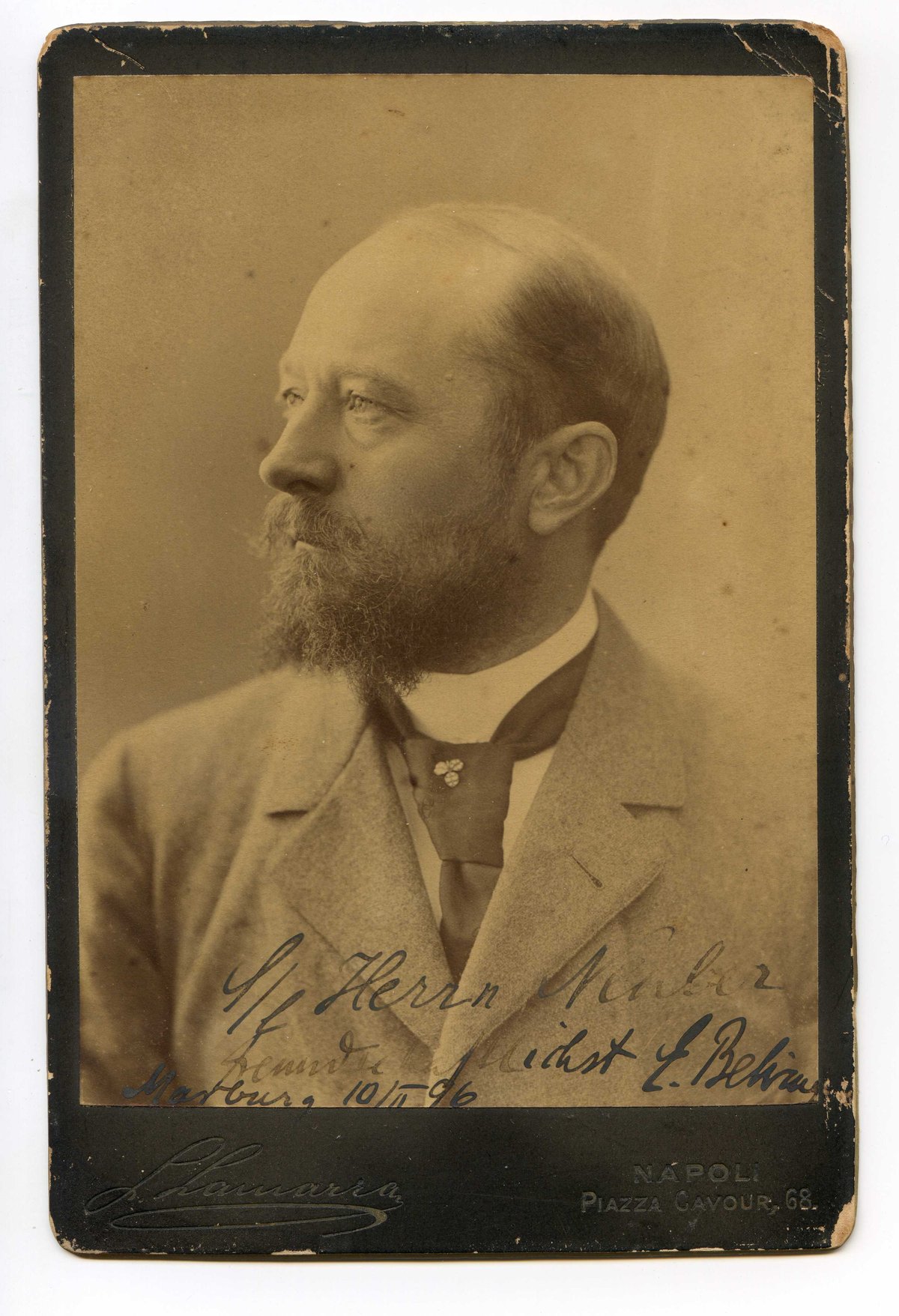
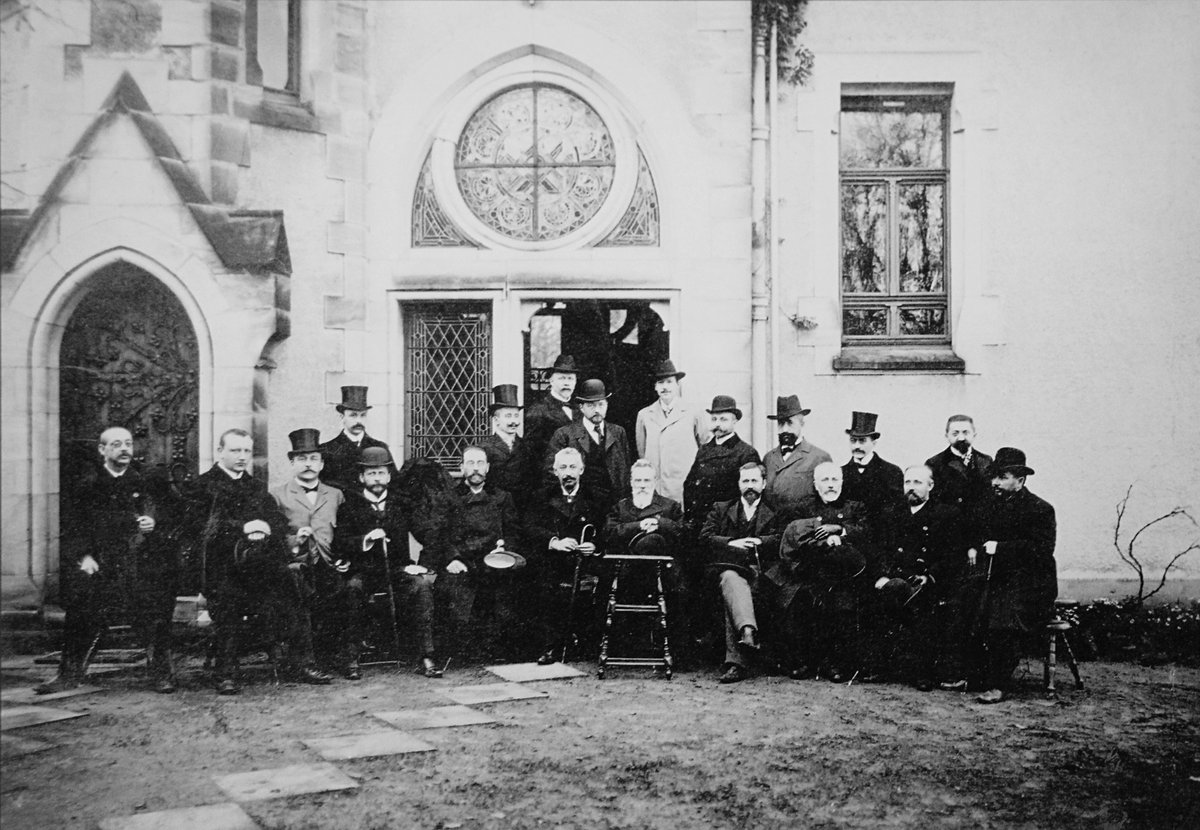
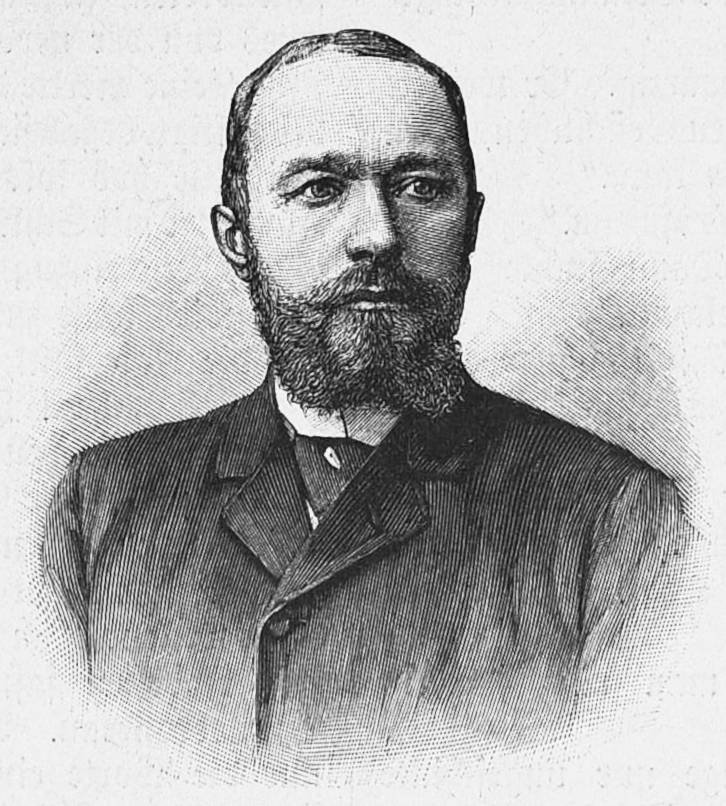
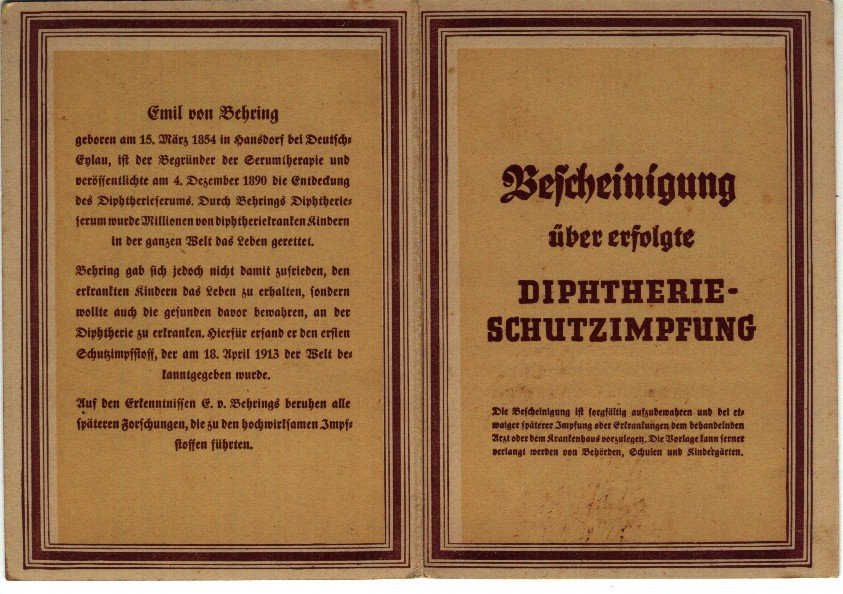
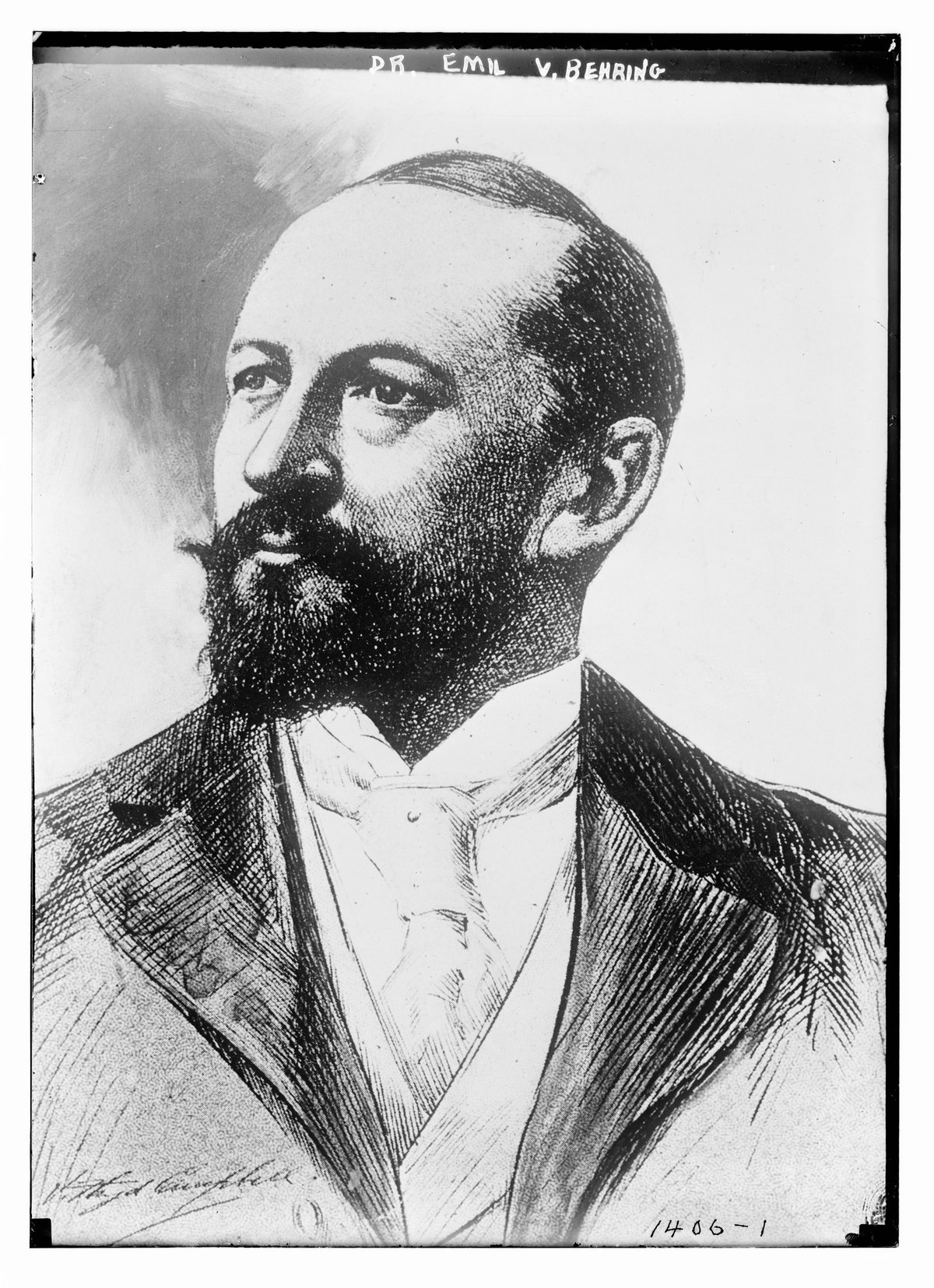
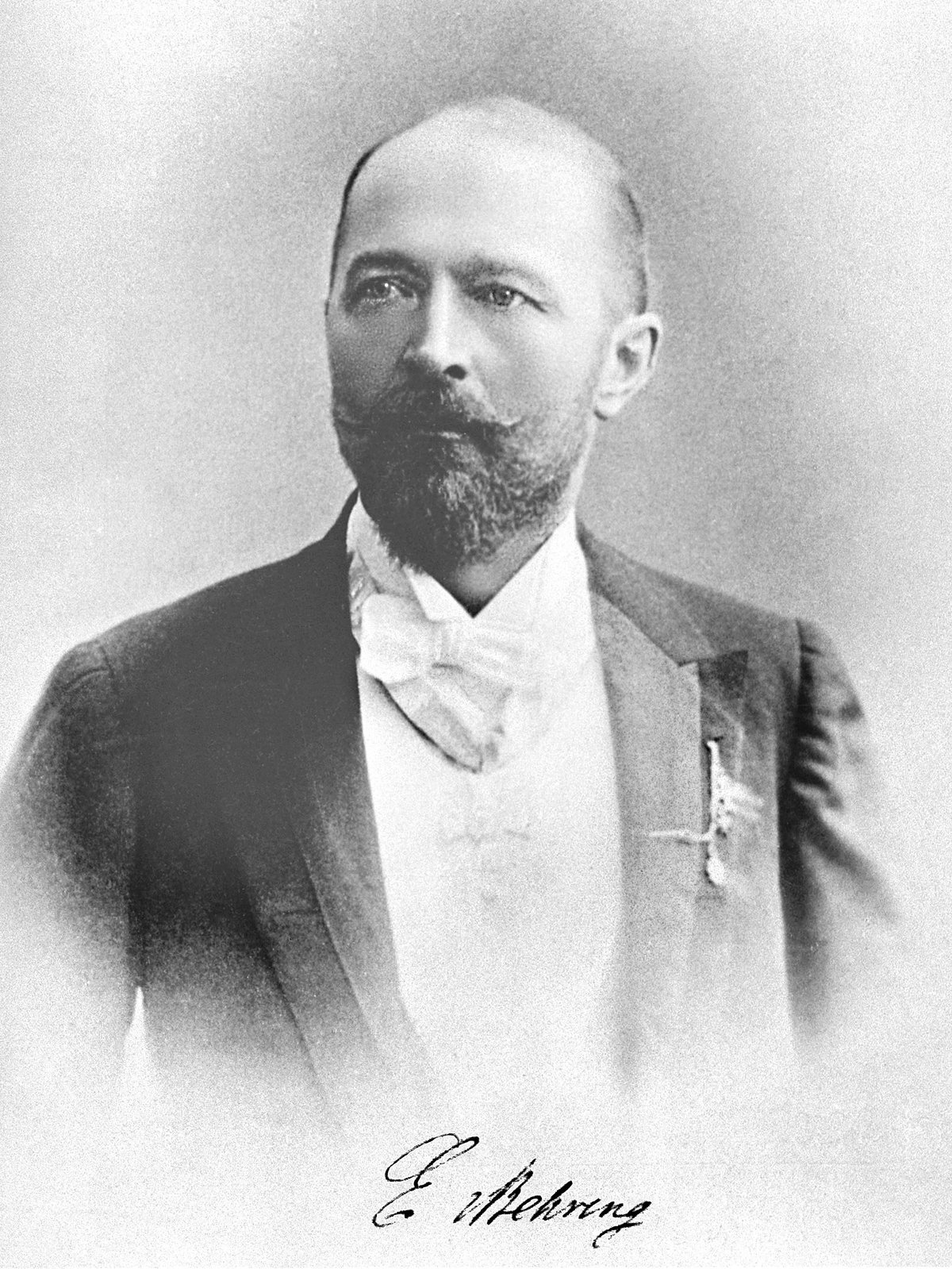
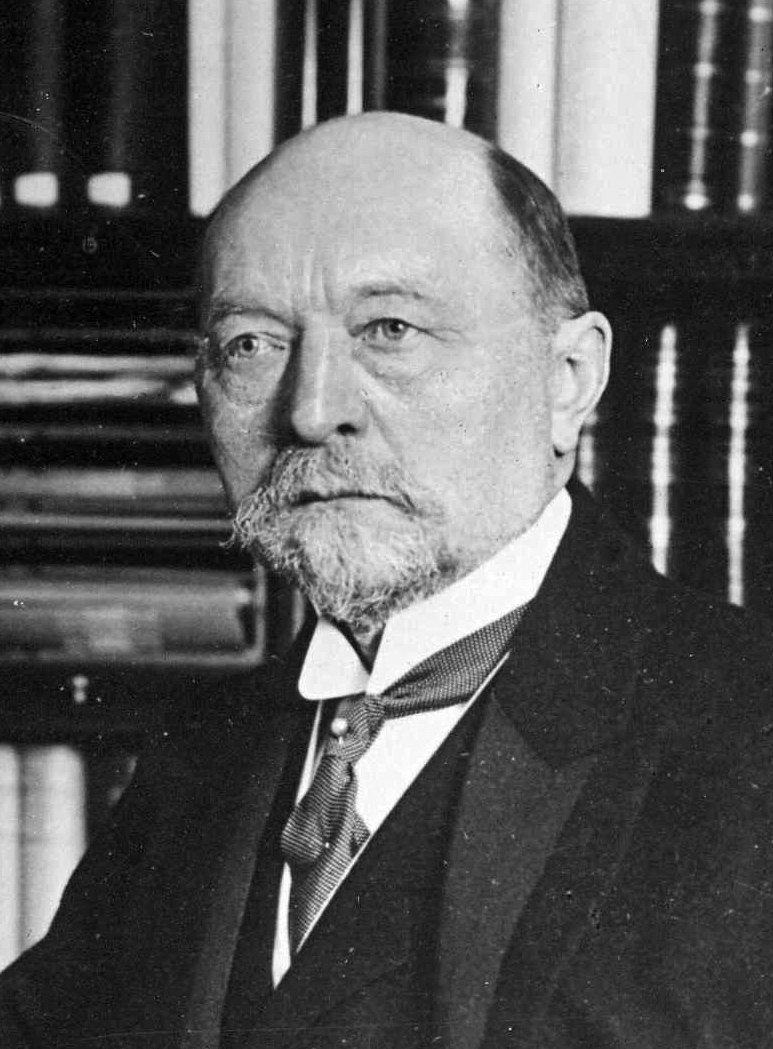
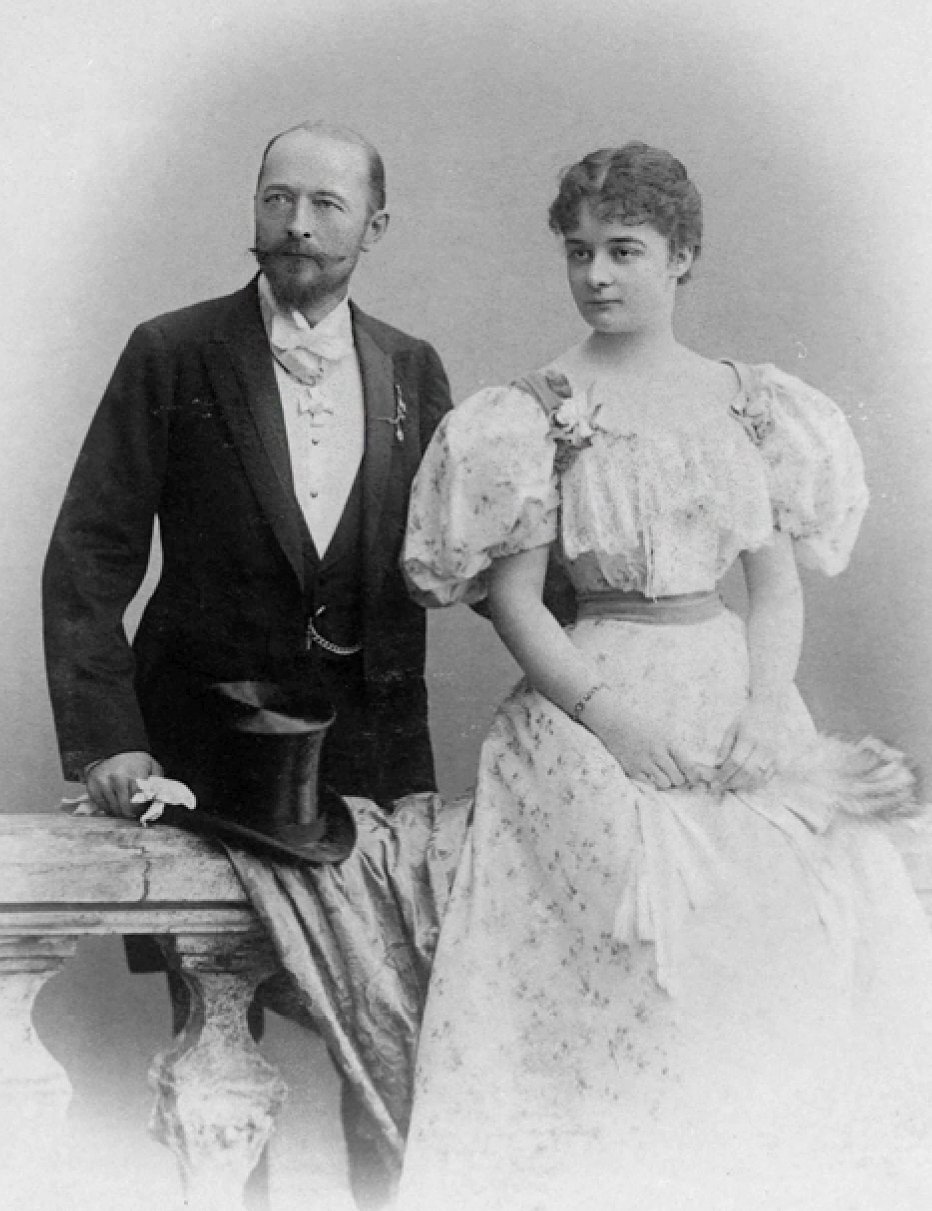
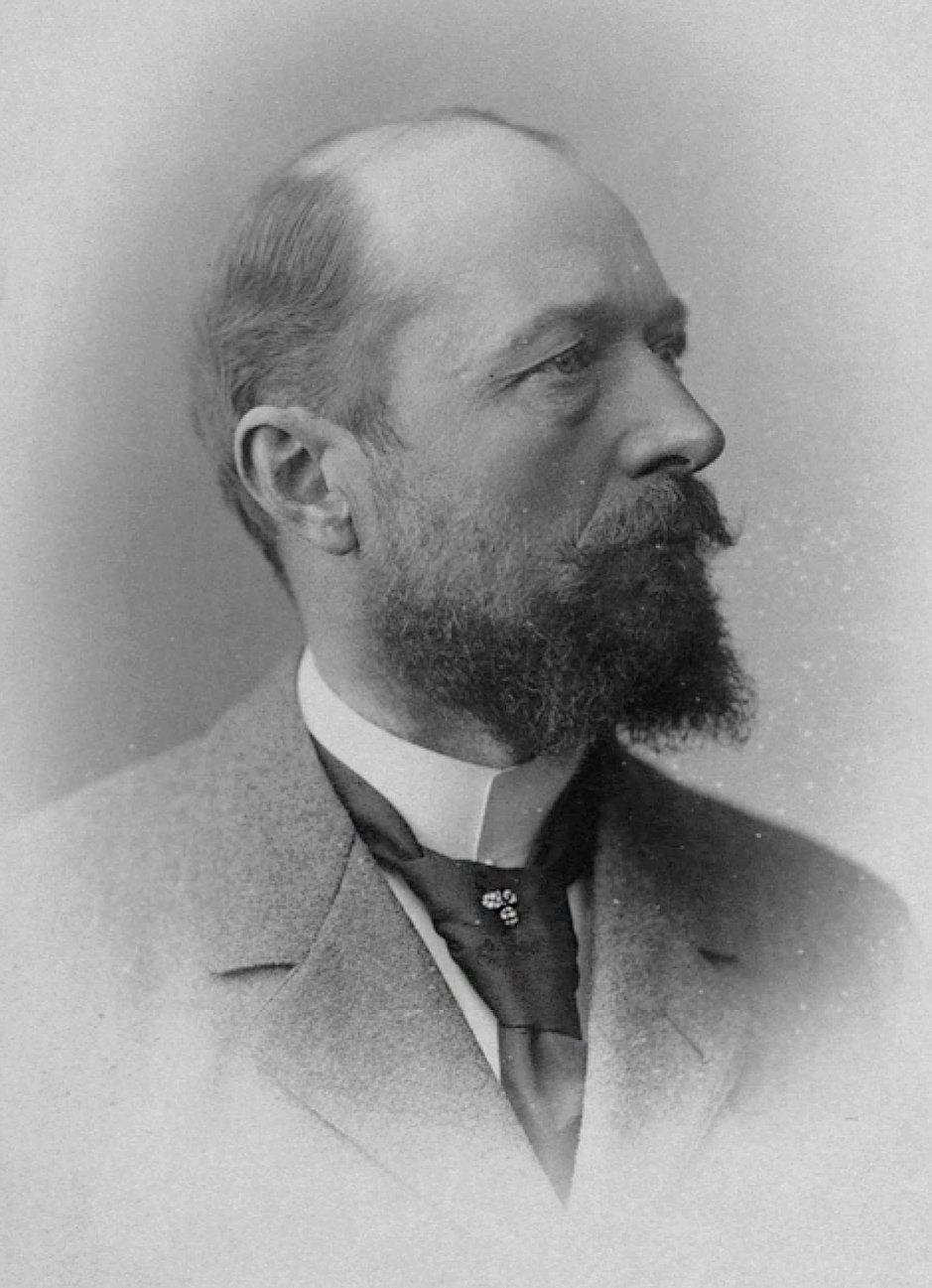
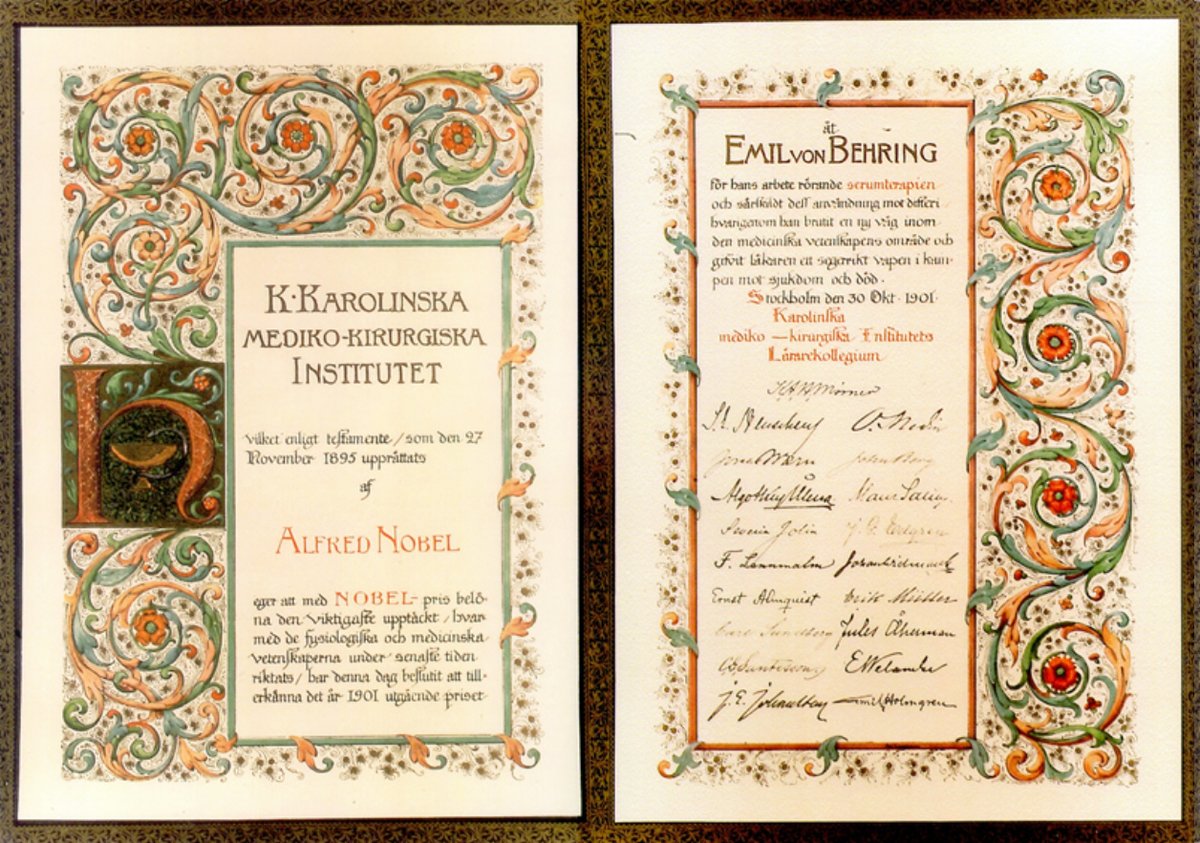
Born in 1854 in what is now Poland, Behring developed therapeutic sera for diphtheria and tetanus. His work earned him the first Nobel Prize in Physiology or Medicine in 1901. His research and teaching at Philipps-Universität Marburg helped establish a tradition of medical research in the city (Britannica; Encyclopedia.com).
Behring arrived in Marburg in the late 19th century. His serum therapies reduced childhood mortality, saved lives during World War I and helped pave the way for modern immunology. He was dubbed the “Saviour of Children” (Wikipedia).
Established in 1904 using his Nobel Prize funds, the Behringwerke became a major producer of sera and vaccines. Its early work on diphtheria and tetanus sera later expanded to include polio, measles, mumps, rubella and influenza vaccines (GSK Marburg; Pharmaserv Logistics). The complex remains part of Marburg’s pharmaceutical landscape, and the city continues to host pharmaceutical research and production, including investment in modern facilities (GSK Marburg).
Marburg also commemorates Behring through educational programmes, libraries, research centres and events. The Emil-von-Behring-Bibliothek and the Medical History Research Center provide resources for visitors and scholars (Uni-Marburg; IGBCE Marburg).
What to see
Behring-Route
The signposted, self-guided Behring-Route links twelve locations associated with Behring and Marburg’s development as a centre of medical innovation (Marburg-Biedenkopf). The route is described as taking about 2 hours; another estimate gives 3–3.5 hours. It runs from Marburg Hauptbahnhof to Landgrafenschloss (Gisonenweg 5).
Highlights along the route include:
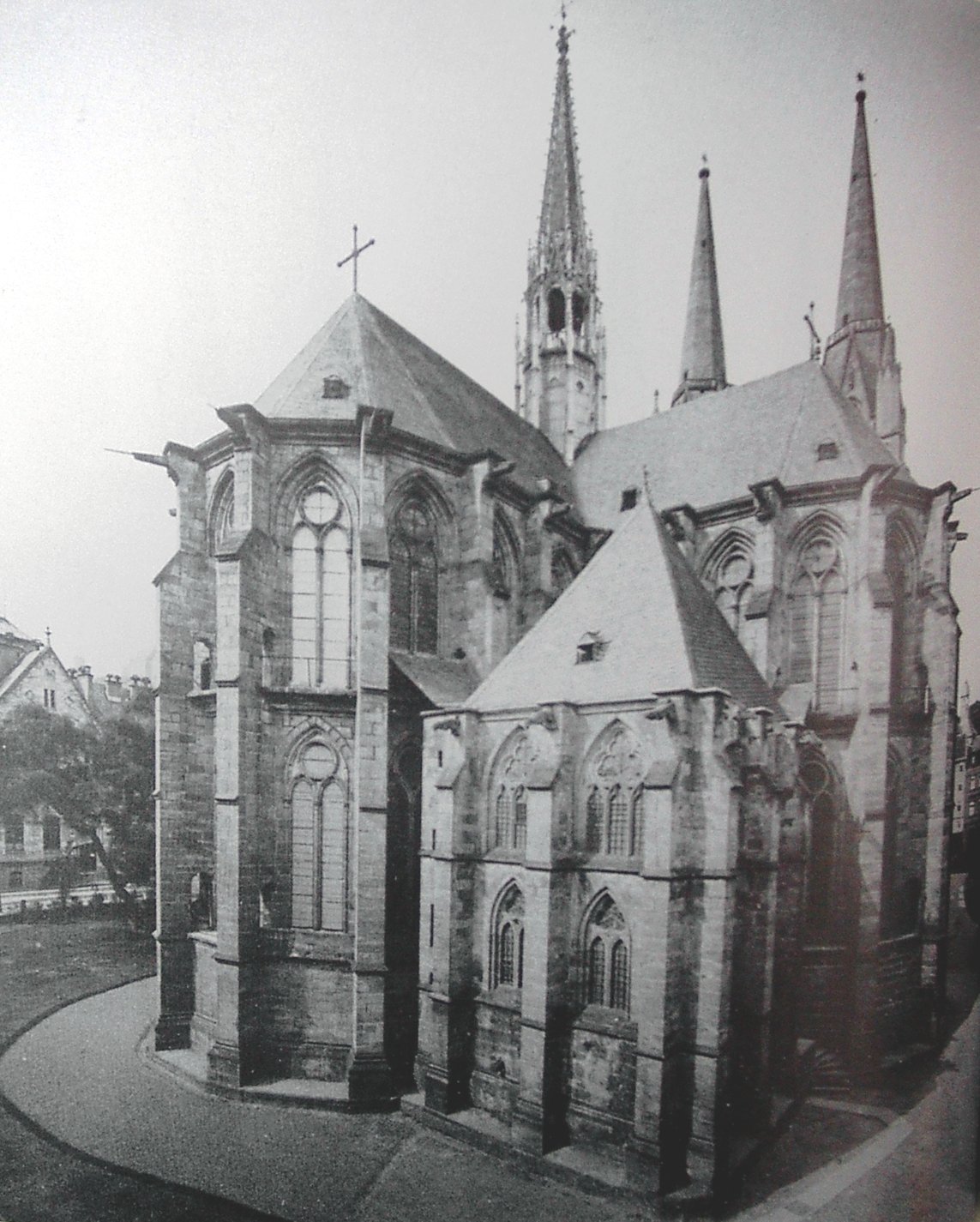
- Elisabethkirche A Gothic church and historical starting point.
- Institute of Hygiene (Pilgrimstein 2) Behring’s base for research, now with displays on public health and experimental therapy.
- Private laboratory (Gisonenweg 5) Viewable from outside on the route; informational plaques explain its historical importance.
- Behringwerke The pharmaceutical and research complex associated with Behring’s industrial legacy.
- Behring Mausoleum on Elsenhöhe A hilltop monument in parkland, with panoramic views.
- Natural reserves The route includes nature trails and rest stops.
- Landgrafenschloss An iconic castle and university symbol.
Emil von Behring Museum
The Emil von Behring Museum is located in Behring’s original laboratory at Philipps University. It displays original research equipment, medical instruments and documents related to the history of immunology. Its listed address is the Institute for Hygiene and Microbiology, Philipps University.
Behring Mausoleum
The mausoleum on Elsenhöhe is Behring’s resting place. Its parkland setting is suited to quiet reflection and photography.
Behringwerke
The Behringwerke industrial complex was established in 1904 and remains a prominent part of Marburg’s pharmaceutical and research landscape. Public access is limited, with tours available by appointment.
Practical visiting information
Opening hours and admission
- Institute of Hygiene Monday to Friday, 9:00 AM–5:00 PM; admission free.
- Behringwerke Guided tours by appointment on Tuesdays and Thursdays at 10:00 AM and 2:00 PM. Tickets are €8 for adults and €5 for students and seniors.
- Behring Mausoleum Daily, dawn to dusk; admission free.
- Emil von Behring Museum Tuesday–Sunday, 10:00 AM–5:00 PM; closed Mondays. Admission is €10 for adults, €8 reduced, €20 for families, and free for children under 18.
- Academic sites generally Weekdays, 9:00 AM–5:00 PM; check whether an appointment is required.
Most sites are free, but some tours and events charge fees or require advance booking.
Route and guided tours
The Behring-Route is free to walk and open year-round during daylight, though some sites have their own opening hours. A map and guide are available from Marburg’s tourism portal.
Guided tours can be arranged through the tourist information centre. The listed Behring-Route options are:
- Full route 4 hours, €70–€90.
- Short route 2 hours, €60–€80; an accessible route, offered Fridays and Sundays at 16:00.
Tours are offered in German and English and can be booked through Stadtrallye Marburg. Group tours are also available by arrangement. Advance booking is recommended. Tour information is also available through IGBCE Marburg.
Getting there and accessibility
Marburg can be reached by train or car, and local buses connect to major sites. Marburg Hauptbahnhof is the main rail access point. Public parking is available near the university, city centre and old town; public transport is recommended for visitors arriving by car. The city centre is pedestrian-friendly.
Many locations are wheelchair accessible, and the museum and short walking route are listed as accessible. Urban sections of the Behring-Route are wheelchair accessible, though some historical sites may have limited access and natural sections include inclines. Contact sites in advance about specific access needs.
Tours, facilities and events
The annual Emil von Behring Day in March includes lectures, exhibitions and special tours. Cafés and seating areas are available along the route; bring water or snacks for the nature sections.
Tips
- Check opening hours, ticket details and appointment requirements before visiting.
- Book tours in advance.
- Photography is permitted at most outdoor locations; restrictions may apply indoors.
- The route is most often recommended from spring to early autumn for weather and accessibility; spring through autumn is also noted as a pleasant period for visits, events and exhibitions.
- Online photo galleries and virtual tours are available through the museum’s website and Tourenplaner Rheinland-Pfalz. High-quality images and virtual experiences are also available on Marburg’s tourism website.
- The museum offers audio guides for a small fee in multiple languages.
- The museum and route information can be checked online; some institutions offer online exhibits.
- The Stadtrallye Marburg website provides further information. The Marburg tourism portal has maps and event updates.
- Download the Audiala app for up-to-date information and guided experiences.
Nearby places
Marburg’s historic centre, old town, restaurants and shops are within walking distance of the museum. Other nearby attractions include Marburg Castle, the Old Botanical Garden, the university campus, museums and gardens. Restaurant reservations are recommended on weekends. Hotels nearby range from boutique to family-friendly options.
Frequently asked questions
What are the Behringwerke visiting hours?
Guided tours are available by appointment on Tuesdays and Thursdays at 10:00 AM and 2:00 PM.
Is there an admission fee for Behring-related sites?
Most sites are free. Behringwerke tours cost €8 for adults and €5 for students and seniors; some other tours and events may also charge. The museum charges €10 for adults, €8 reduced and €20 for families, while children under 18 enter free.
Are guided tours available, and how can I book one?
Yes. Self-guided and expert-led tours are available. Tours can be arranged through the local tourist office, the museum or Stadtrallye Marburg; booking in advance is recommended. Information is also available from IGBCE Marburg. Printed and digital guides are available.
Can I visit the Behringwerke?
Public access is limited. Special tours are available by appointment.
What are the museum hours?
Tuesday–Sunday, 10:00 AM–5:00 PM; closed Mondays.
Is the museum accessible?
Yes. The museum and short walking tour are wheelchair accessible. Contact the site in advance for details.
Are sites accessible for visitors with mobility issues?
Many are accessible, although older buildings may pose challenges and some natural areas have inclines. Check with sites in advance.
Are audio guides available?
Yes. Audio guides are available for a small fee in multiple languages.
Is parking available?
Yes. Parking is available near the university, city centre and old town.
Are virtual resources available?
Yes. Some institutions offer online exhibits, photo galleries and virtual tours; check their websites.