Place
Germany Updated Oct 2026
At dusk, the Elbe throws pale light onto Dresden’s Baroque riverfront, while across the water the courtyards of Neustadt fill with café chatter and the clink of glasses. Dresden, Germany, can seem like a city restored to a single grand image; a few streets away, it has a very different pulse. The contrast is part of what makes it worth staying for.
 Photo: Levent Simsek / Pexels
Built from cited sources · see the method · How we make our guides →
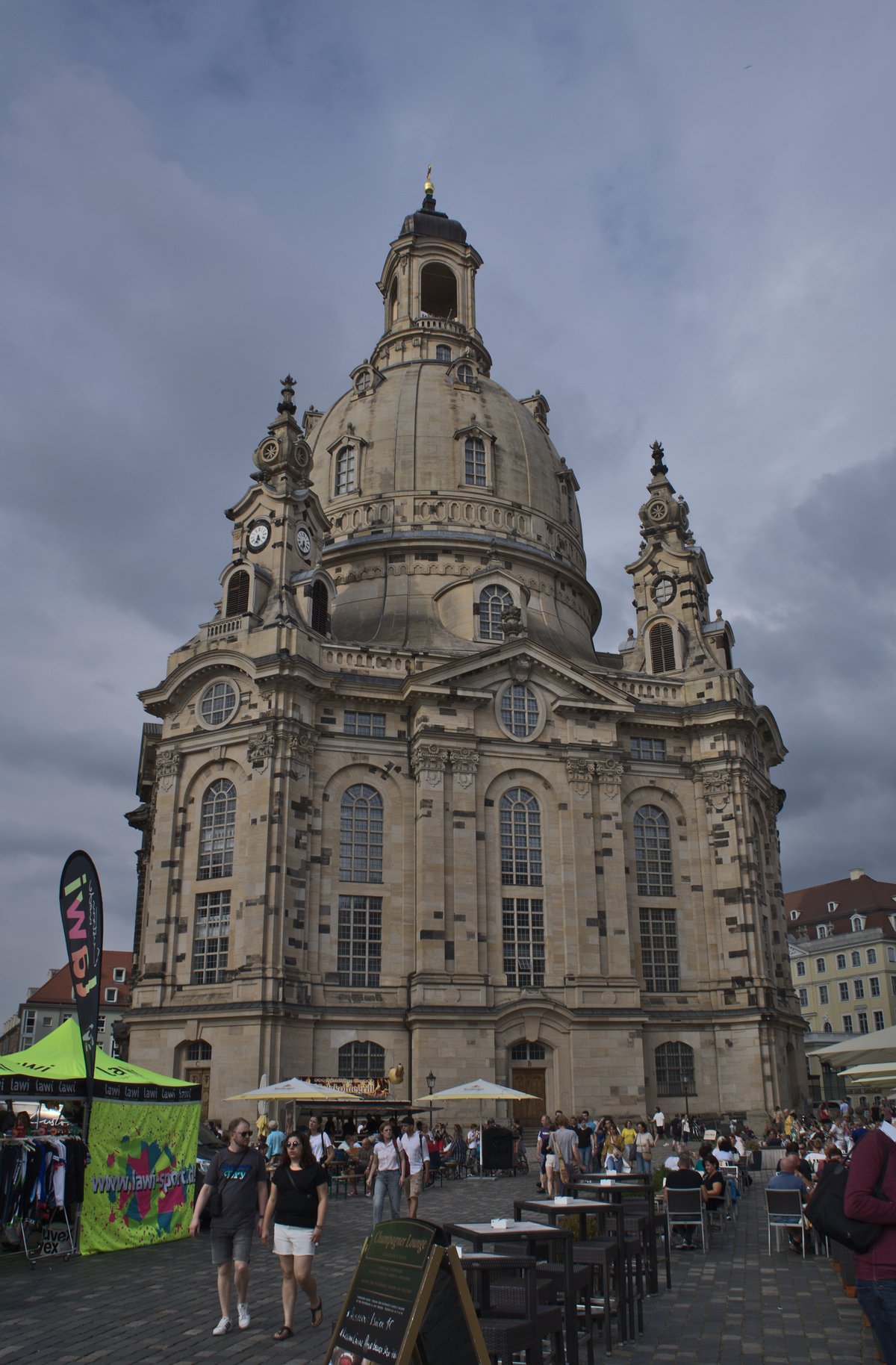
The rebuilt center carries its history in plain sight. After the February 1945 bombing, the Frauenkirche stood as a ruin and memorial through the GDR decades; its reconstruction, completed in 2005 with surviving stones worked into the new masonry, left dark patches against lighter stone.
Dresden’s royal collections are woven into the city rather than tucked away at its edges. At the Zwinger, Baroque courtyards lead to galleries holding Raphael’s Sistine Madonna, while the Royal Palace’s Green Vault displays the jeweled excess of Saxon court life.
The Elbe keeps the city from feeling like a museum: riverside meadows lead toward villa-lined districts, the Blue Wonder bridge and the hillside railways of Loschwitz. The valley gained UNESCO World Heritage status in 2004 and lost it in 2009 after the Waldschlösschen Bridge dispute—a reminder that Dresden is still a living city, making choices about what it wants to preserve.
Not every monument, just the ones we'd walk you past ourselves.

Where to wander, by quarter — each with its own rhythm.
Before you go
Curated from places in this city. Same price as official sites.


Prices shown are indicative — final pricing and availability are confirmed at checkout. Audiala may receive a commission from bookings made via these links.
From Sorbian river settlement to a city repeatedly remade
Archaeological evidence places Bronze Age communities in the Elbe Valley around this time, long before Dresden appears in written records. The river’s crossings and fertile banks drew people here early; the city’s beginnings are older than its name.
West Slavic communities settled along the Elbe, laying down the roots of Dresden’s earliest known urban area. The name is usually traced to Old Sorbian Drežďany, often interpreted as “people of the forest” or “swamp-forest dwellers.”
A document settling a border dispute under Margrave Dietrich of Meissen contains the first confirmed written mention of Dresden: “Acta sunt hec dresdene.” The wording is spare, but it gives the city a firm foothold in the historical record.
A document describes Dresden as a *civitas*, a town with a recognized civic standing. That small administrative word marks a change from settlement to a place with a growing public and commercial life.
During the Hussite Wars, raiders attacked Dresden and burned parts of its outer settlement. The assault exposed how vulnerable the town remained beyond its defenses, even as the fortified core endured.
The Treaty of Leipzig divided Wettin lands between the brothers Ernst and Albrecht. Dresden became the seat of Albrecht’s Albertine line, setting the city on course to become Saxony’s political center.
A major fire destroyed roughly half of Dresden’s medieval core, including the parish church of St. Nicholas. Rebuilding changed the city block by block, leaving a deep mark on a town that had only recently risen in prominence.
Duke Henry the Pious formally introduced the Protestant Reformation in Dresden and Ducal Saxony. In 1547, the Albertine ruler Maurice gained Saxony’s electoral title, raising Dresden from ducal seat to the capital of an elector’s state.
Frederick Augustus I converted to Catholicism to secure election as King Augustus II of Poland, beginning the Saxon-Polish personal union. His court’s appetite for ceremony, collecting, and architecture would give Dresden its unmistakable Baroque character.
Construction began on the Zwinger, designed by court architect Matthäus Daniel Pöppelmann with sculptor Balthasar Permoser. Planned for court festivals and royal collections, its pale stone pavilions turned open courtyards into a stage for Saxon power.
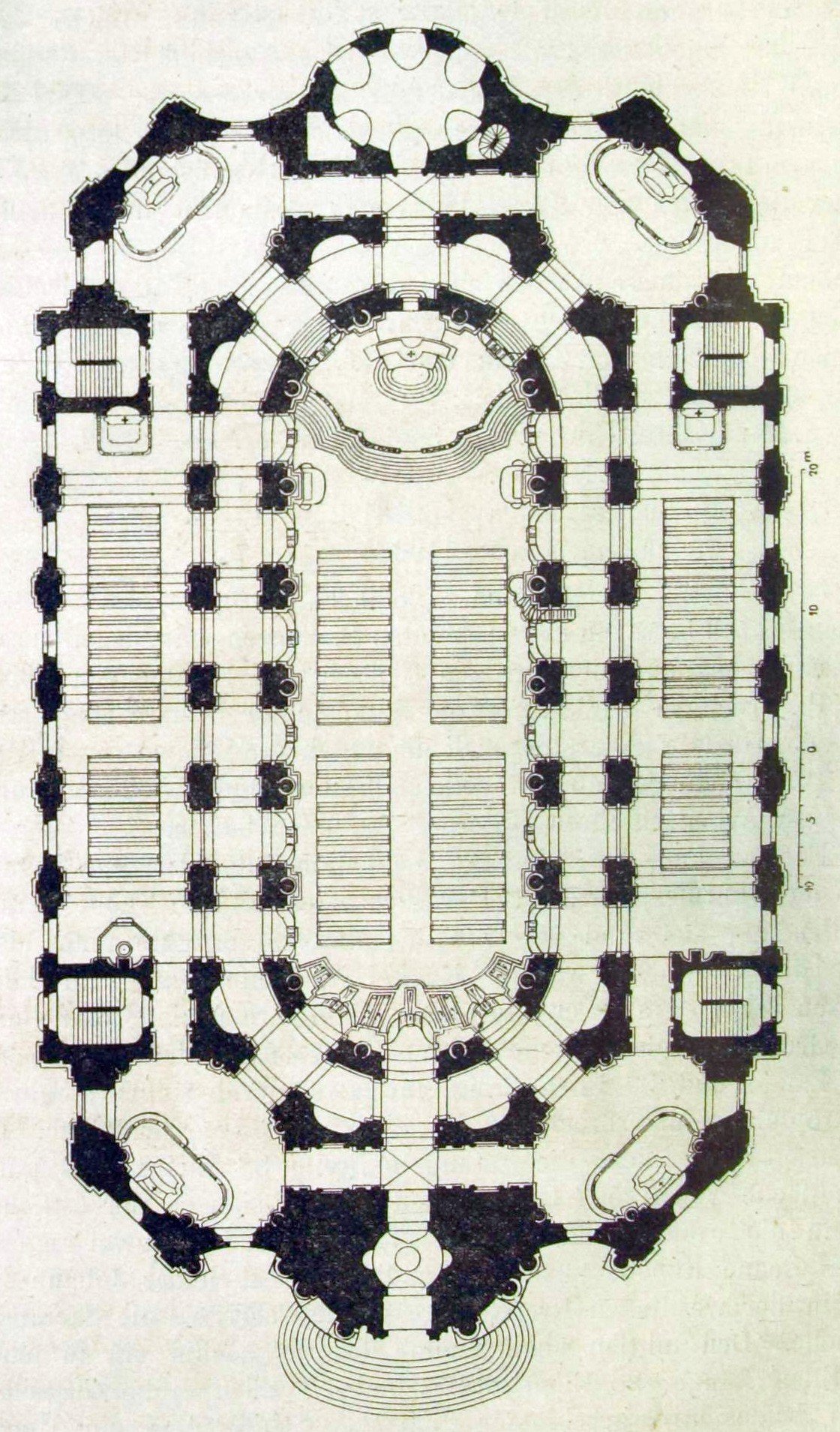
Architect George Bähr began work on the Frauenkirche, whose great stone dome earned the name *Steinerne Glocke*, or “stone bell.” Completed in 1743, it gave Protestant Dresden a landmark whose broad silhouette would remain part of the city’s memory even after its destruction.
Frederick the Great invaded Saxony and occupied Dresden at the start of the Seven Years’ War. In 1760, Prussian artillery battered the city during a siege, destroying hundreds of homes and badly damaging the Kreuzkirche.
The painter Caspar David Friedrich settled in Dresden, where he would live and work for the rest of his life. The city’s studios and galleries formed his base, while the river valley beyond its streets fed the quiet, searching light of his Romantic art.
After aligning with Napoleon and the Holy Roman Empire’s collapse, Elector Frederick Augustus III became King Frederick Augustus I of Saxony. Dresden now stood at the center of a kingdom, though its fortunes remained tied to the shifting balance of European power.
On August 26 and 27, Napoleon’s forces defeated the larger Allied Army of Bohemia on Dresden’s outskirts. Rain-soaked ground and the Elbe crossings shaped the fighting; the victory was Napoleon’s last major success on German soil.
The Leipzig–Dresden Railway opened as Germany’s first long-distance railway line. Steam and iron altered the pace of travel between the two Saxon cities and gave Dresden a new route for people, goods, and industry.
Richard Wagner’s opera *Rienzi* premiered in Dresden, where he served as Royal Saxon Court Kapellmeister. He went on to bring *The Flying Dutchman* and *Tannhäuser* to the city’s stage before his part in the 1849 uprising forced him to flee.
From May 3 to 9, revolutionaries demanded constitutional reform and acceptance of the Frankfurt Constitution. Mikhail Bakunin took part, and Wagner joined the uprising; Saxon and Prussian troops put it down in street fighting that left the city under military control.
The Kingdom of Saxony became part of the newly unified German Empire. Dresden retained its royal court and regional importance, while rail links and industry tied the old capital more tightly to a larger national economy.
Art students in Dresden founded *Die Brücke*, an Expressionist group that included Karl Schmidt-Rottluff, Ernst Ludwig Kirchner, Fritz Bleyl, and Erich Heckel. They rejected polished academic convention for hard outlines and raw color, turning Dresden into a birthplace of modern German art.
King Frederick Augustus III abdicated on November 13 during Germany’s revolution. After more than eight centuries of Wettin rule, Dresden became the capital of the Free State of Saxony within the new republic.
British and American air raids ignited a firestorm that destroyed much of Dresden’s historic center; official investigations later estimated 20,000 to 25,000 deaths. The Frauenkirche collapsed into a mound of blackened stone, and streets that had held homes, churches, and workshops became a field of rubble.
The East German state dissolved its Länder and reorganized the country into districts, making Dresden the administrative center of Bezirk Dresden. Reconstruction brought new housing and state buildings, while the Frauenkirche ruins were left standing as an anti-war memorial.
Thousands gathered around Dresden’s main station as trains carrying East German refugees from Prague passed through on their way west. Clashes with police gave way to mass peaceful demonstrations, and on October 8 the civic dialogue group known as the Gruppe der 20 took shape.
German reunification restored the Free State of Saxony, with Dresden as its capital. The city entered a period of rebuilding and repair, facing the physical legacy of wartime destruction alongside the changes brought by the end of the GDR.
The Elbe crested at 9.40 meters, flooding the Hauptbahnhof and reaching into the Zwinger courtyards and Semperoper. The water left mud across the city center and caused more than €6 billion in damage across Saxony.
UNESCO inscribed the Dresden Elbe Valley as a World Heritage Site, recognizing the relationship between the city, river, gardens, and historic architecture. The listing would prove fragile: a bridge dispute soon set Dresden against the organization meant to protect that river view.
The rebuilt Frauenkirche was consecrated after a reconstruction that began in 1994. Builders worked charred stones from the original ruin into the new sandstone walls, so the dark patches still visible on the church are part of its fabric, not decoration.
UNESCO delisted the Dresden Elbe Valley after ruling that the Waldschlösschen Bridge project compromised the integrity of the historic river views. The dispute had a lasting physical result too: the four-lane bridge opened in 2013, changing a view once recognized as part of the world’s heritage.
Construction began on ESMC’s semiconductor plant in Dresden, a joint venture led by Taiwan’s TSMC with Bosch, Infineon, and NXP. The project puts new factories and clean-room technology beside a city better known for palaces and ruined churches, extending Dresden’s long connection to precision industry.
Author and poet · 1899–1974
Born and raised in Dresden
Kästner grew up in Dresden and later turned its streets into part of the imaginative world behind books such as Emil and the Detectives. The city still has his museum in Neustadt; he might like that children can meet the writer without first meeting a monument.
Philologist and diarist · 1881–1960
Professor in Dresden
Klemperer taught Romance languages in Dresden until the Nazi regime dismissed and persecuted him. His diaries record how political violence entered ordinary speech and daily life, a history that gives the city's rebuilt streets a sharper edge.
Novelist · 1922–2007
American prisoner of war in Dresden
As a POW, Vonnegut survived the February 1945 bombing in the underground cellar of a slaughterhouse; that experience later shaped Slaughterhouse-Five. A visitor seeing Dresden's restored center now encounters the place behind his book, not the city frozen inside it.
Composer · 1813–1883
Raised and employed in Dresden
Wagner spent part of his youth in Dresden, later became Royal Saxon Court Kapellmeister and saw early works performed there. His involvement in the 1849 May Uprising forced him to flee; today the Semperoper stands as a reminder of the musical city he left behind.
Composer and conductor · 1786–1826
Dresden Court Theatre musical director
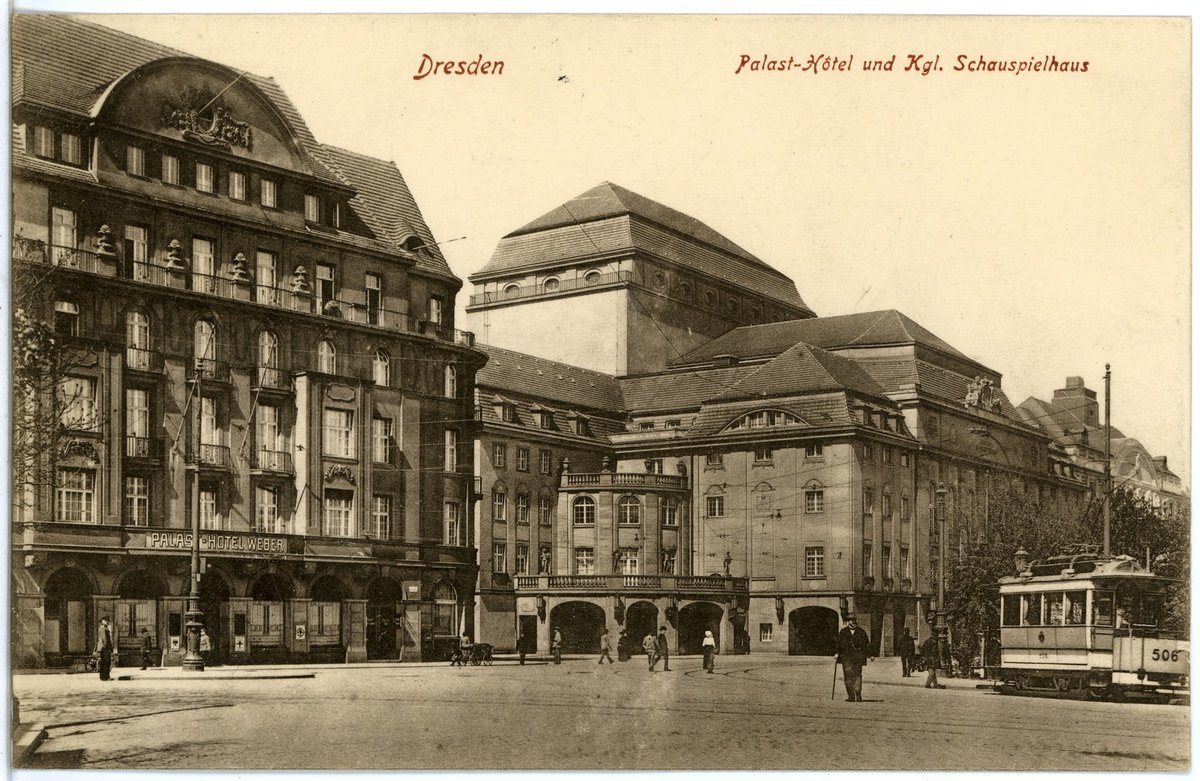
During his decade directing music in Dresden, Weber helped build the city's opera life and composed Der Freischütz. The work's dark forests feel a long way from the bright stone of the Altstadt, which is precisely why the connection stays with you.
Composer · 1585–1672
Kapellmeister at the Saxon court in Dresden
Schütz spent much of his working life shaping music for Dresden's electoral court, bringing Italian musical ideas into German sacred and vocal works. The city's long relationship with serious music began centuries before the Semperoper's curtain rose.
Expressionist painter and printmaker · 1884–1976
Co-founded Die Brücke in Dresden
While studying architecture in Dresden, Schmidt-Rottluff helped form Die Brücke in 1905 with fellow students, including Ernst Ludwig Kirchner. The group pushed against polished academic art; Dresden's museums now place that restless modernism within reach of the Baroque rooms it once challenged.
Where locals actually book dinner — not the tourist menus.
Small things that change how the city treats you.
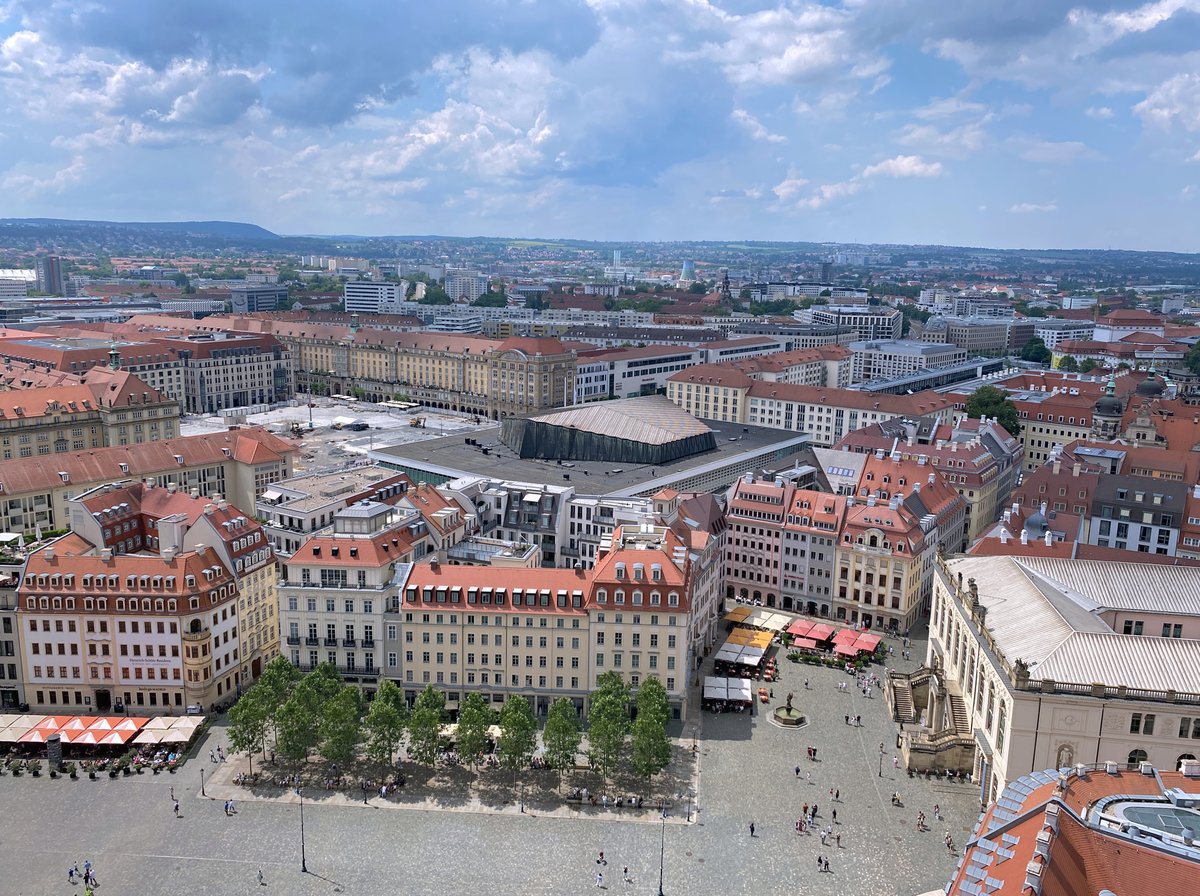
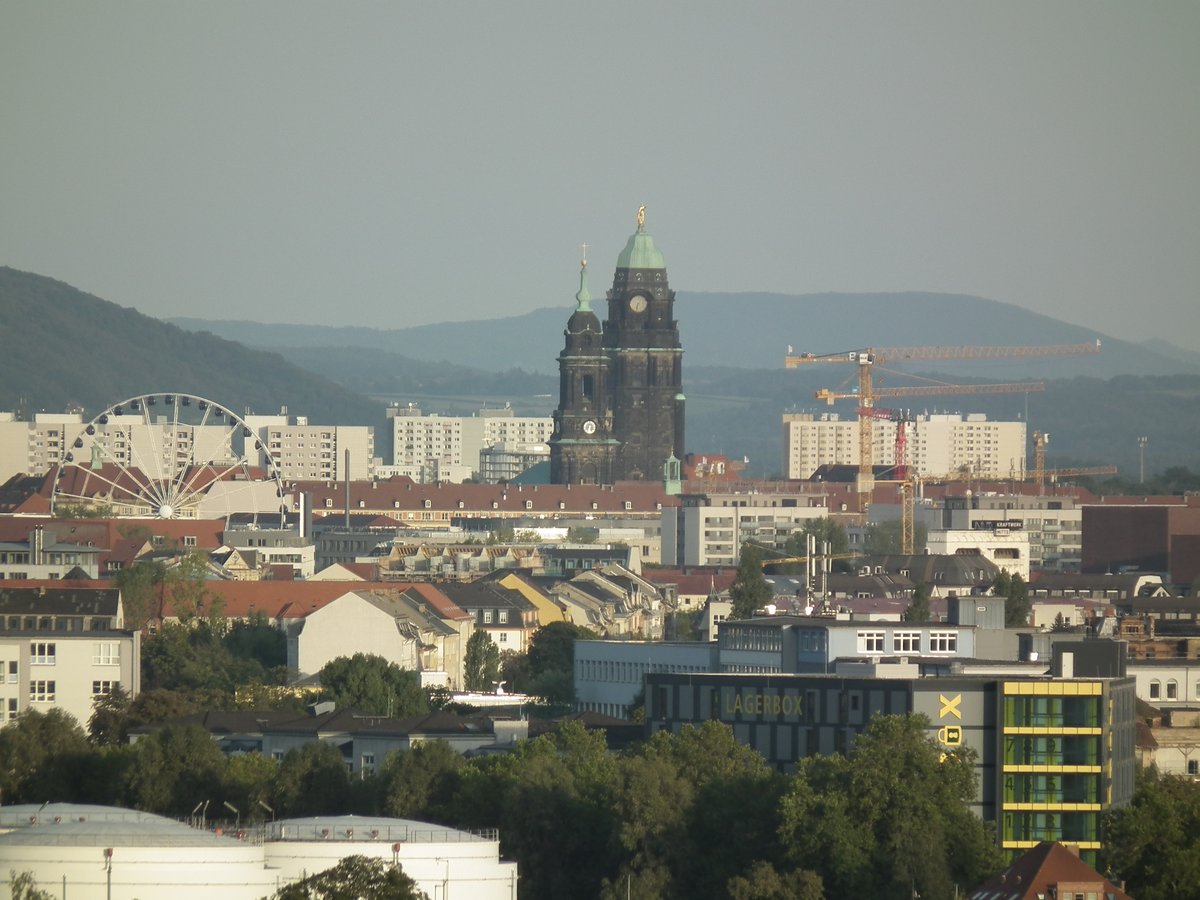
The city, as it actually looks.
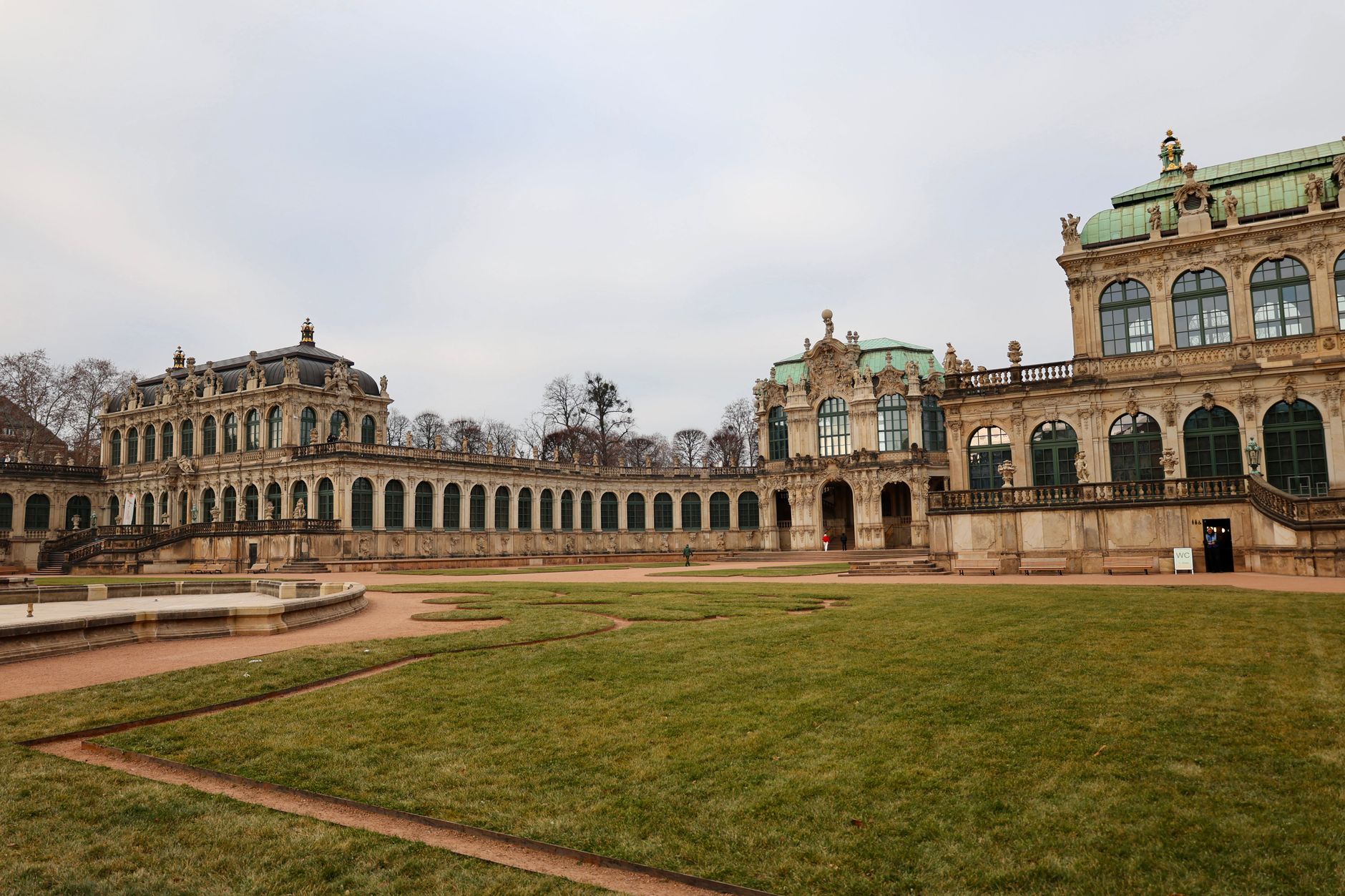

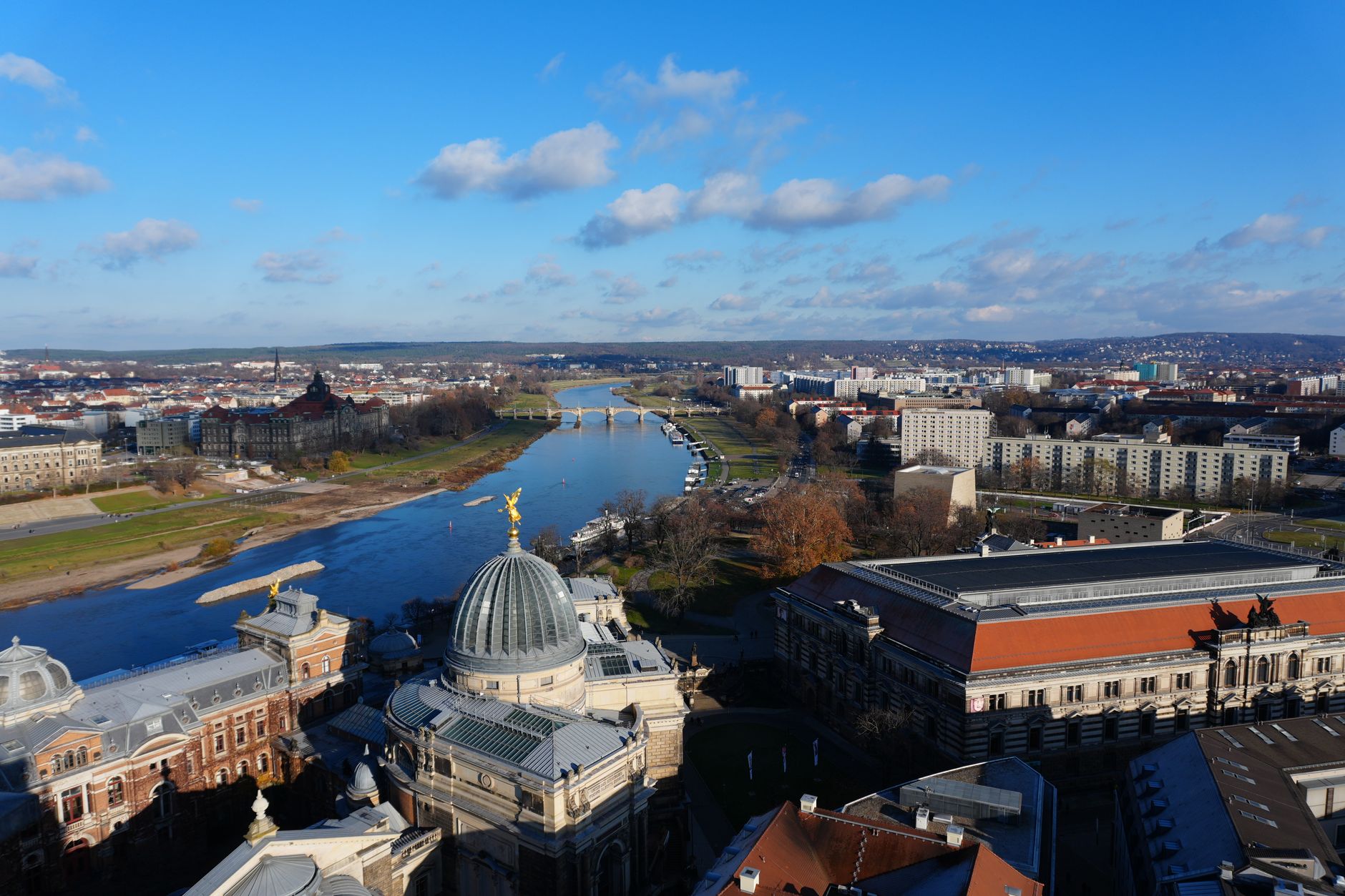


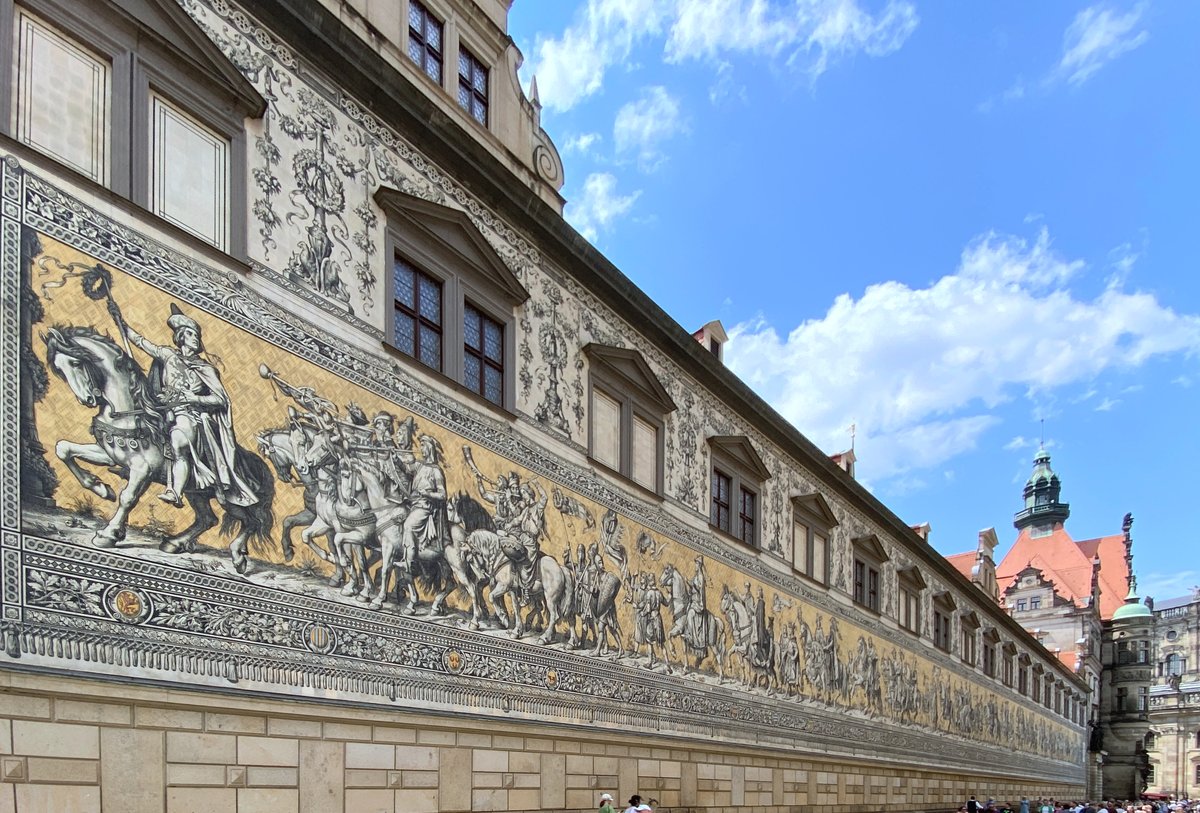
Yes—especially if you care about art, architecture and how cities remember destruction. In the compact Old Town, the Frauenkirche, Zwinger, Royal Palace, Semperoper and Fürstenzug tell different chapters; cross the Elbe for Neustadt's cafés and courtyards.
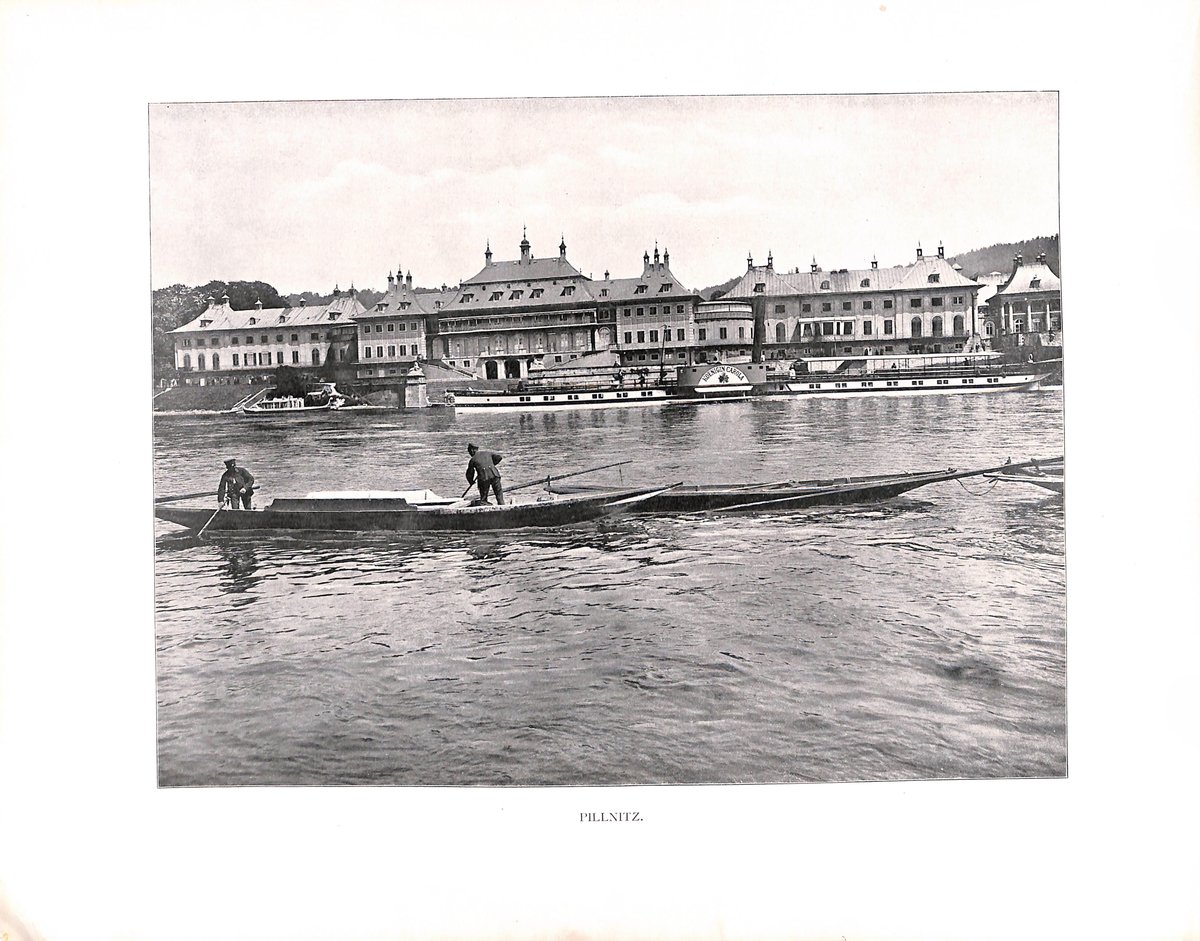
Two full days cover the Old Town and one major museum at a comfortable pace. Stay three if you want several collections, time in Neustadt or a trip to Pillnitz without turning every stop into a timed sprint.
You can walk between many central sights, then use DVB trams and buses for longer trips. Check current fares on the official DVB app or website; a day ticket may suit repeated rides, but compare it with single fares first.
Dresden is manageable for most visitors with ordinary city precautions. Keep valuables zipped in crowded markets and on busy trams, and don't leave phones or wallets visible on café tables.
Yes: Brühl's Terrace, the Fürstenzug mural and walks along the Elbe let you see much of the city's character without museum admission. Budget separately for collections and public transport, and carry some cash for smaller stalls and pubs.
Late spring and early autumn suit walking between the river, historic center and Neustadt. Choose Advent for the Striezelmarkt, Dresden's Christmas market tradition dating to 1434, and expect a very different winter visit.
59 places to discover





Showing 1–48 of 59 places
Saved and recently read places — kept on this device only.
Photos may have been resized or cropped.