


Early Automotive Heritage
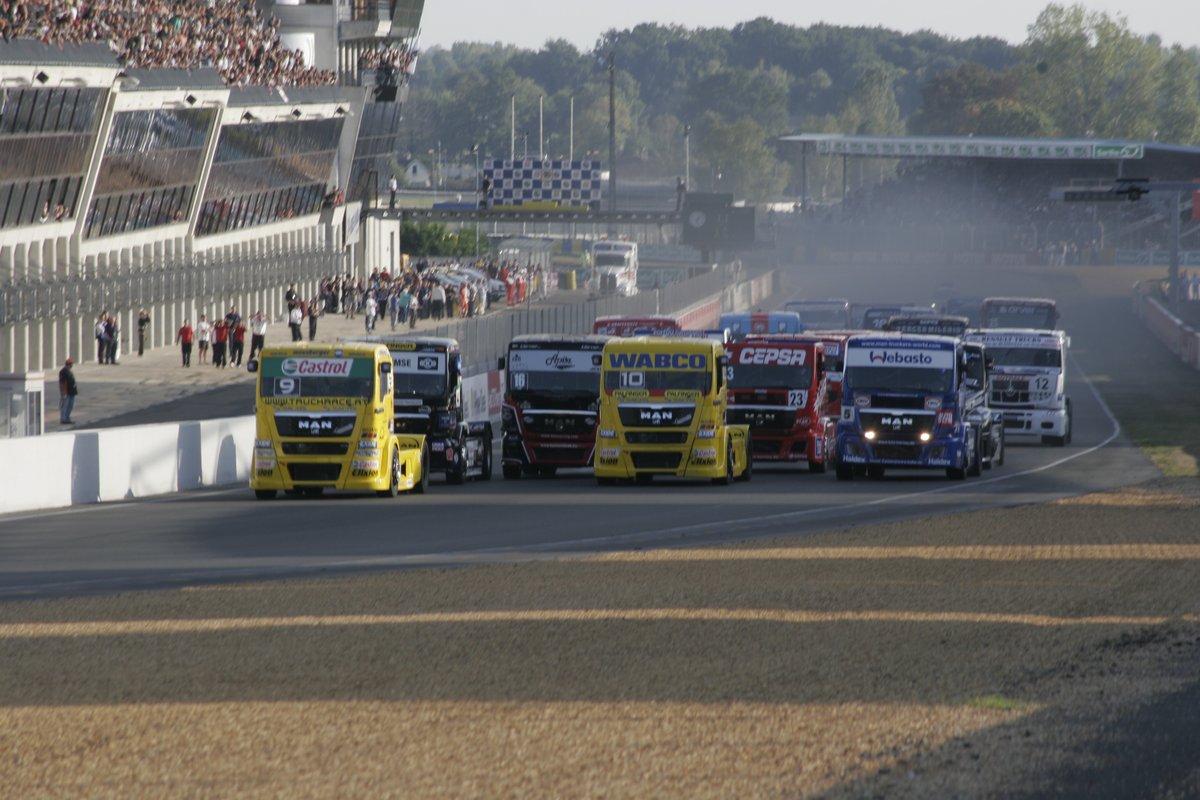
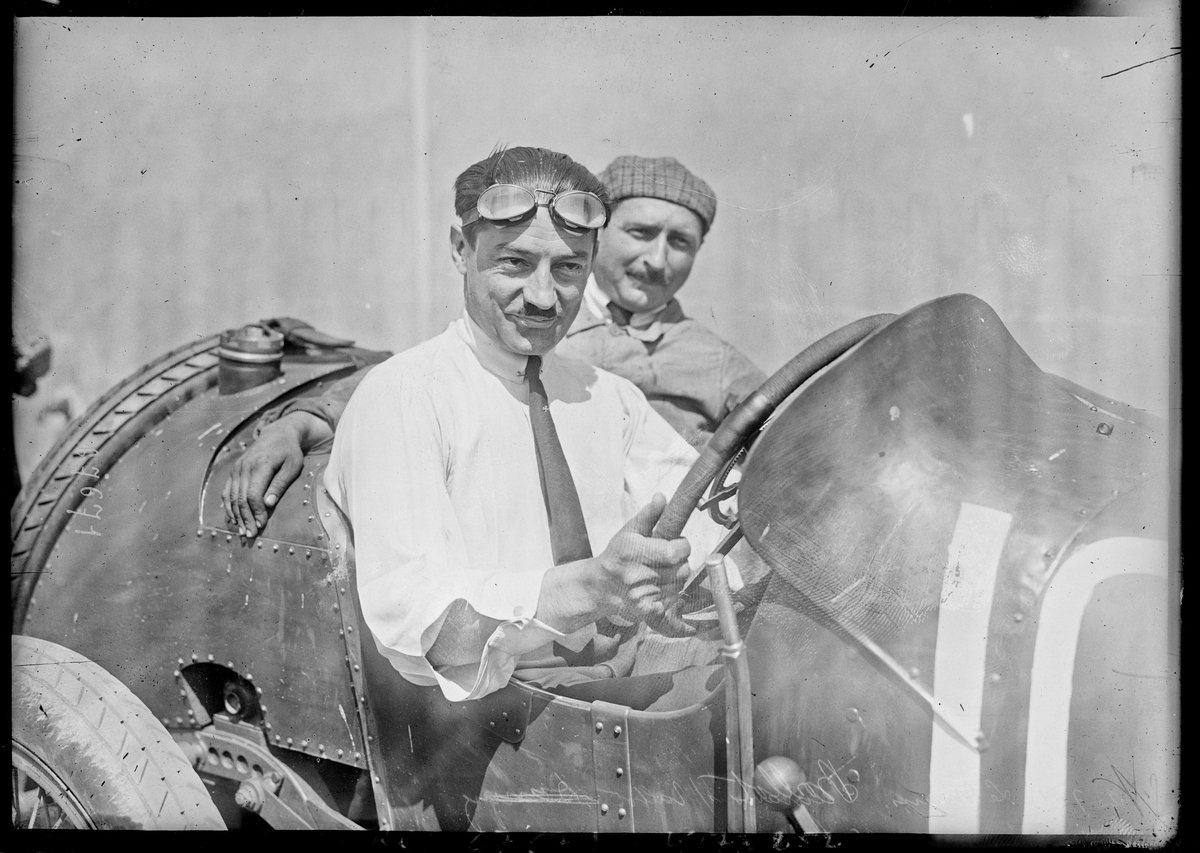
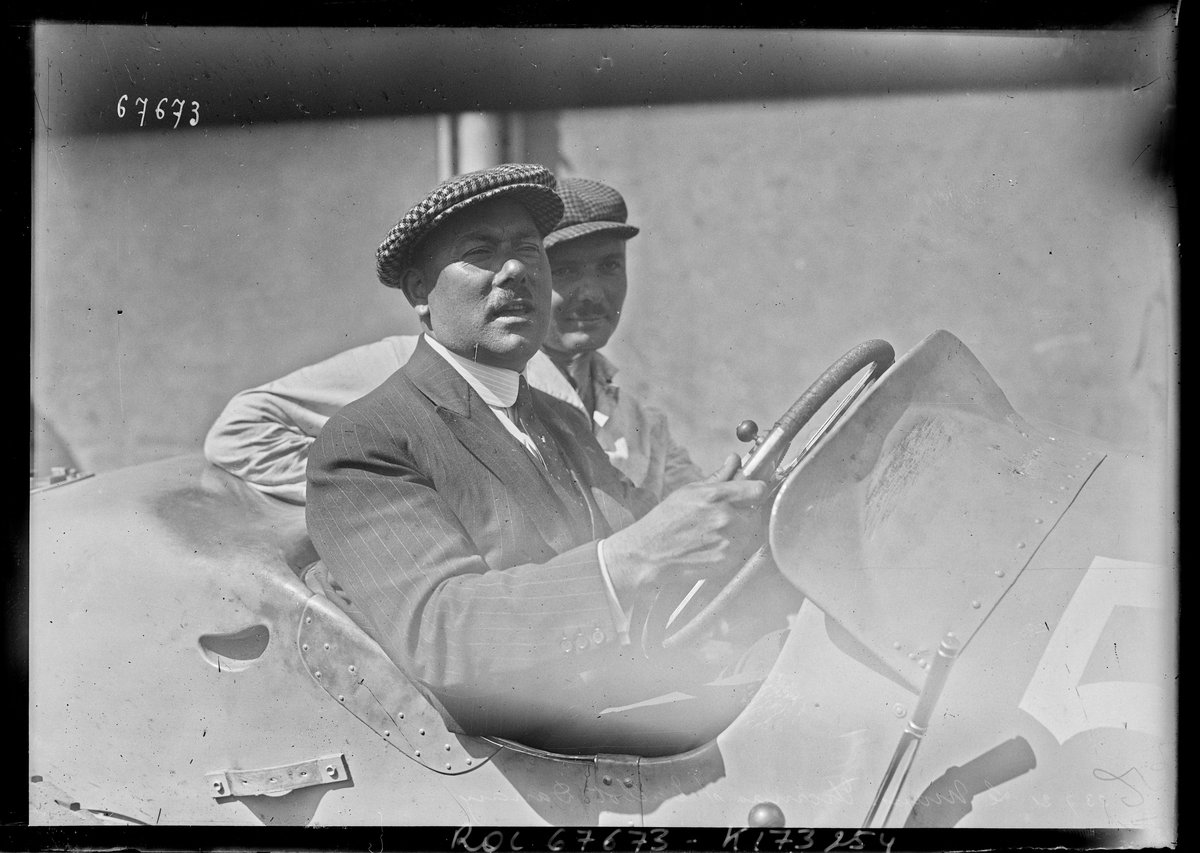
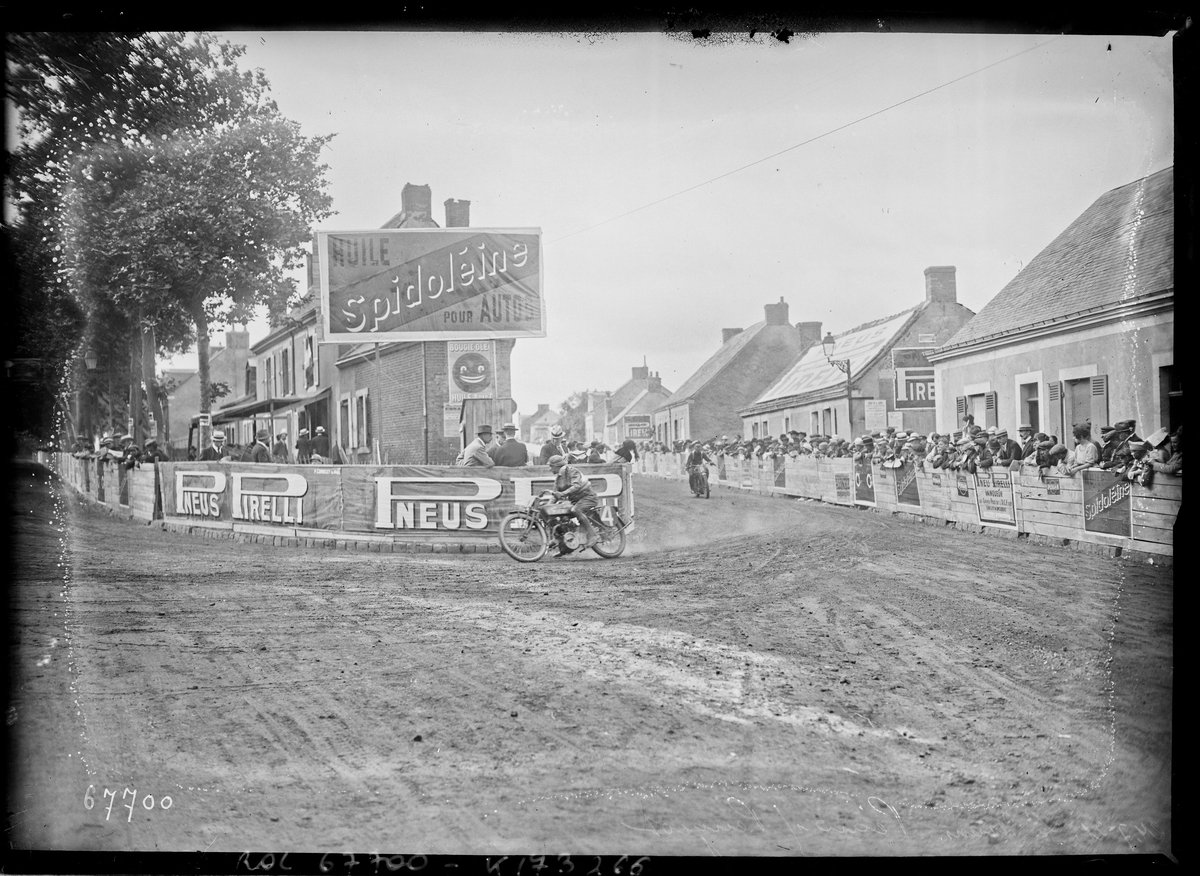
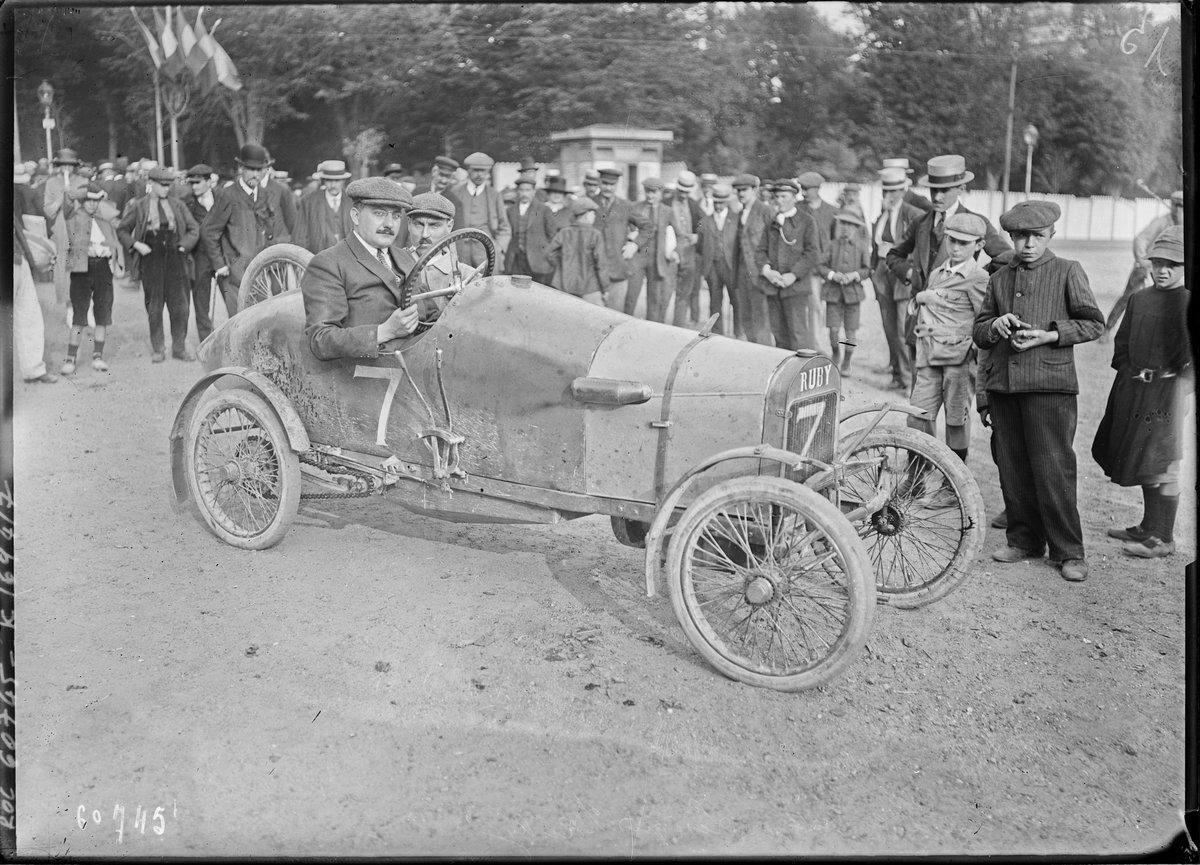
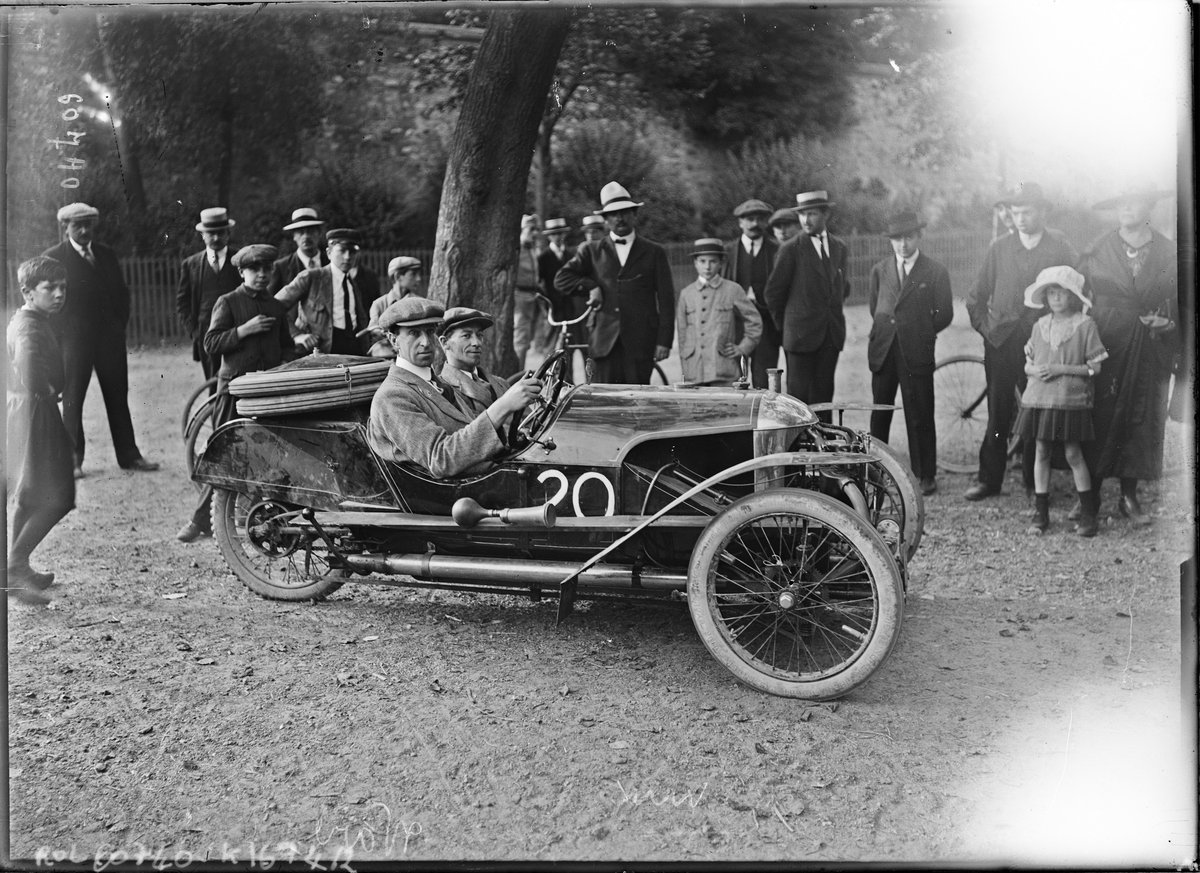
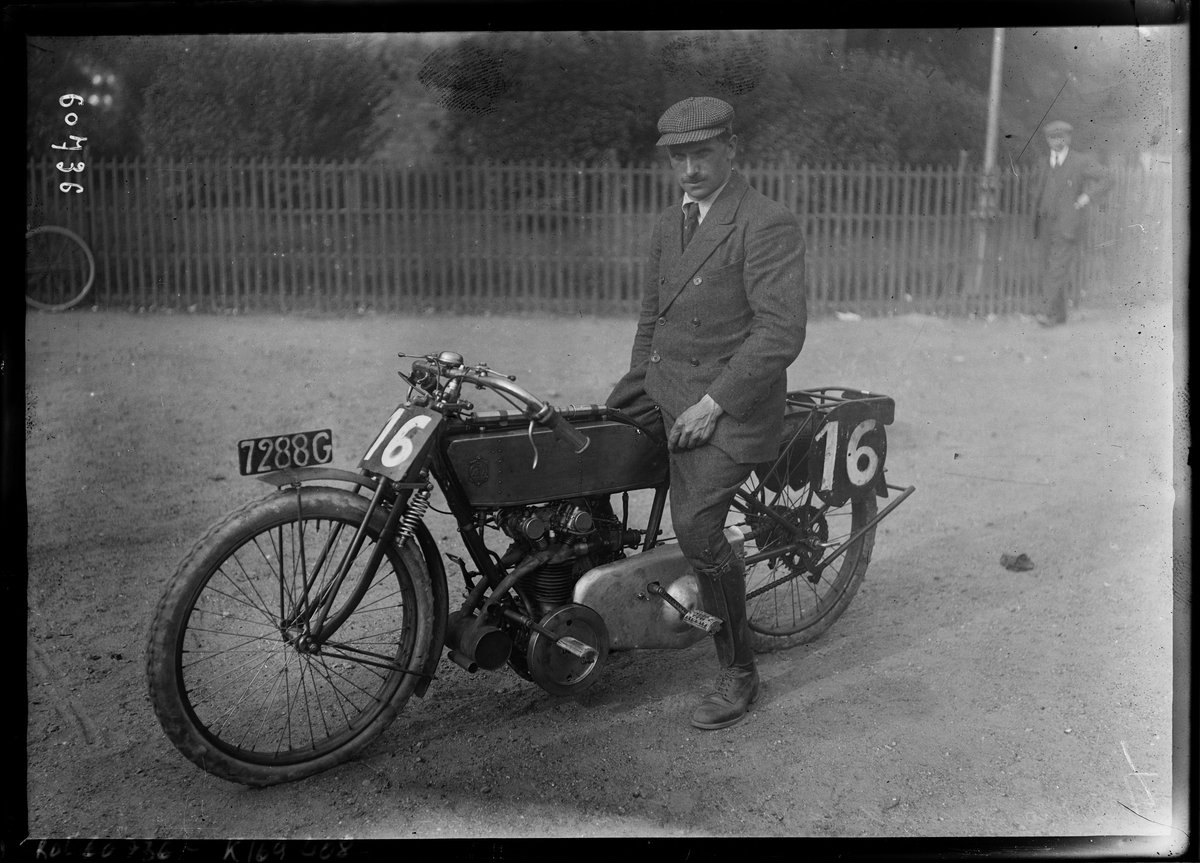
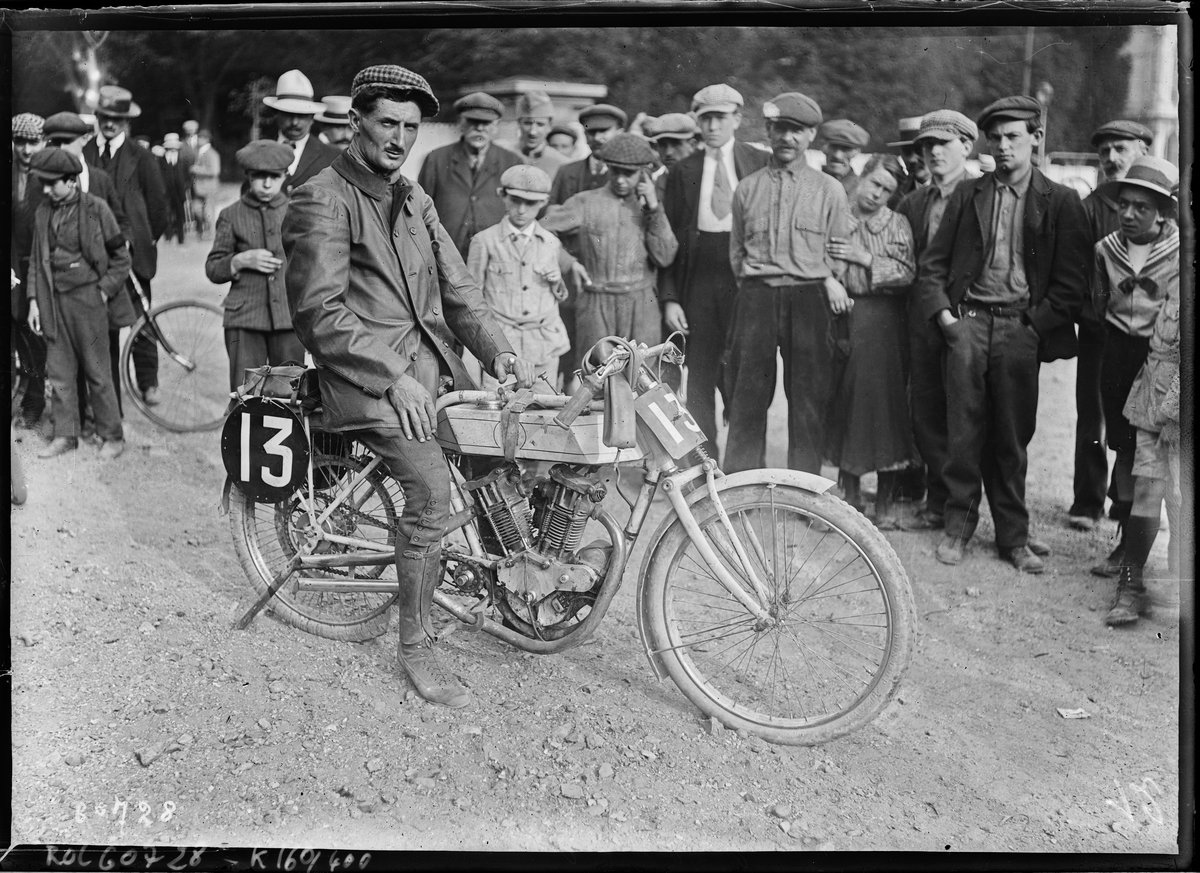
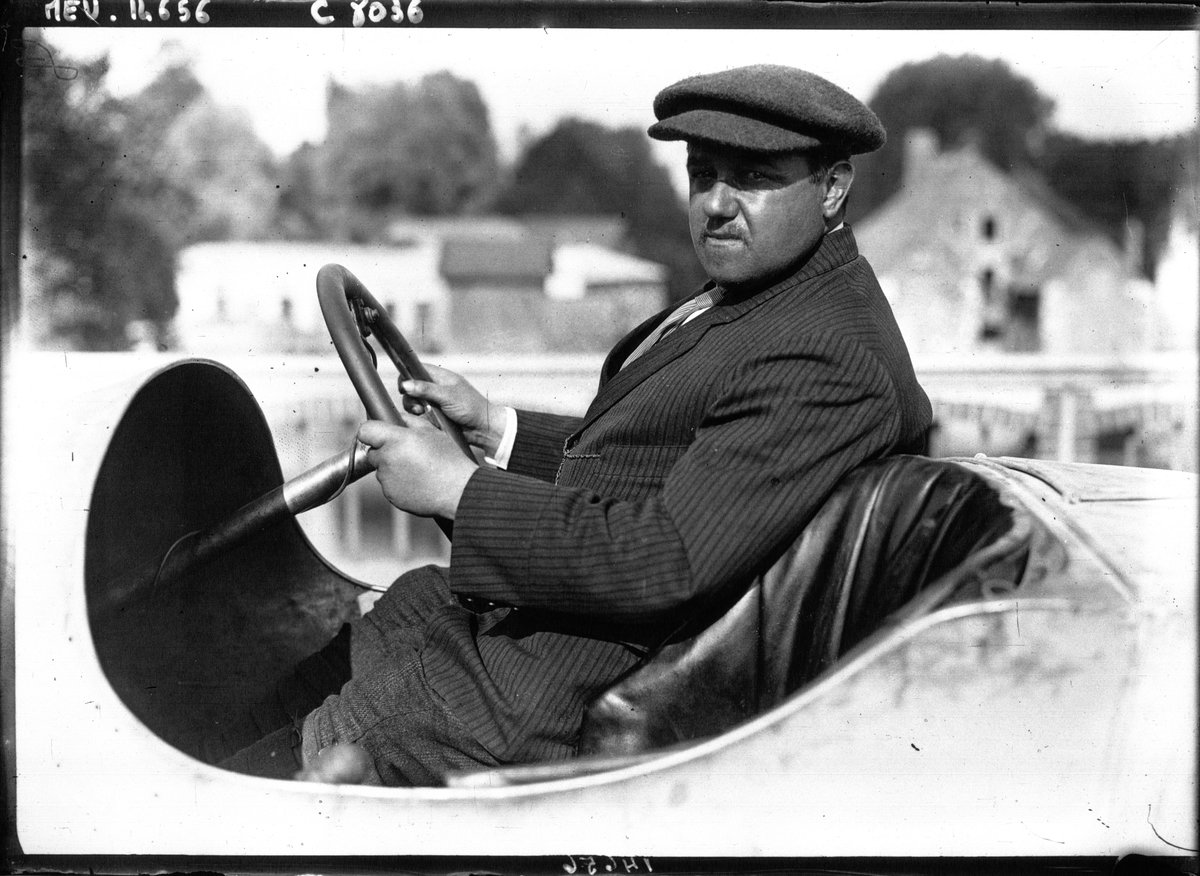
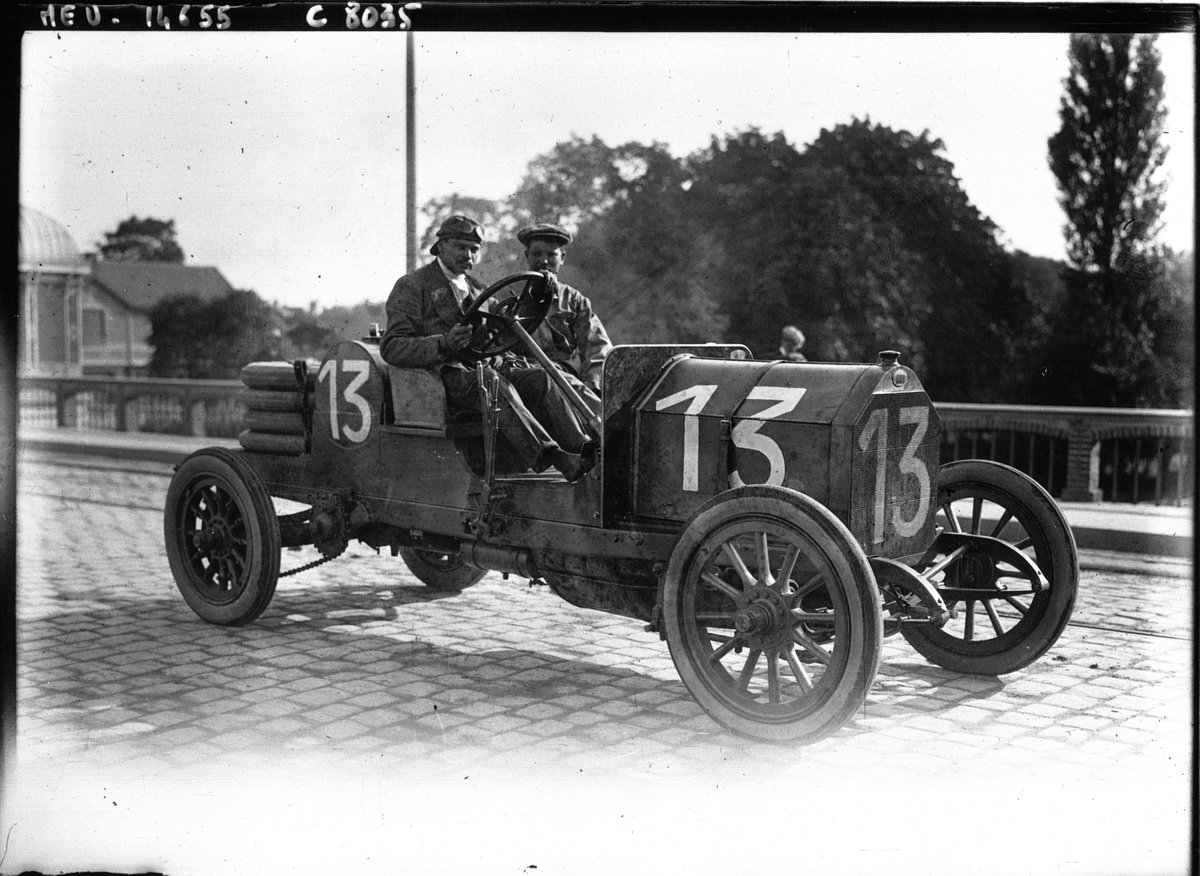
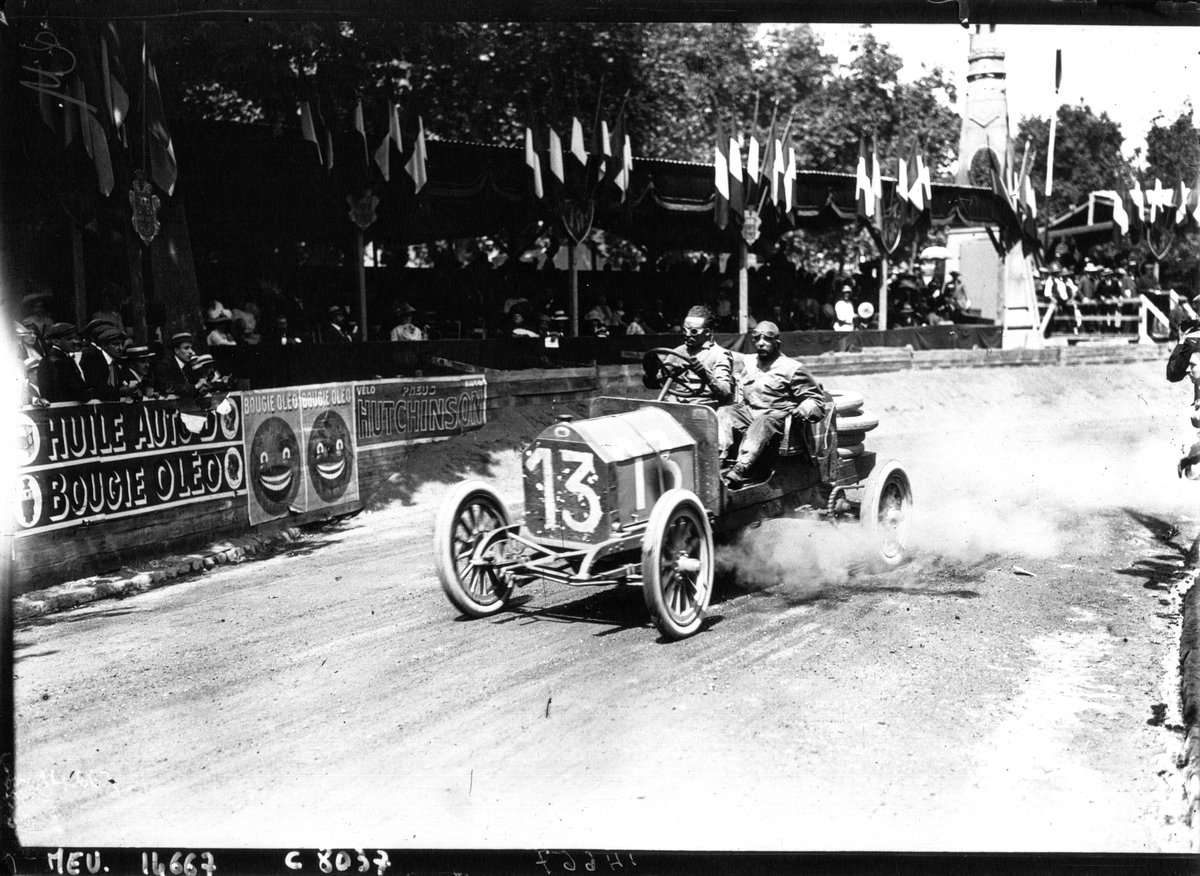
The Sarthe region, and Le Mans in particular, played a pivotal role in the early days of motoring. Notably, in 1906, the Automobile Club de France chose Sarthe to host its inaugural Grand Prix, setting the stage for a century of motorsport innovation. The region’s passion for cars was evident from the start, with early car builders and enthusiasts paving the way for global automotive progress (Sarthe Tourism).
Birth of the 24 Hours of Le Mans
Conceived in 1922 by Georges Durand, Charles Faroux, and Émile Coquille, the 24 Hours of Le Mans was first run in 1923 as a test of endurance and reliability for both vehicles and drivers. The original circuit measured 17 km and wound through public roads near Le Mans. The race format quickly evolved, moving from a cumulative three-year contest to an annual event, with the first winners, Lagache and Léonard, covering over 2,200 km at an average speed of 92 km/h (Wikipedia).
Circuit Evolution and Safety
The Circuit de la Sarthe is unique, combining permanent track sections with public roads used only during race events. Over time, the layout was altered to improve safety, notably after the 1955 disaster which prompted the addition of chicanes and changes to pit arrangements. The Mulsanne Straight, once famed for speeds exceeding 400 km/h, was fitted with chicanes in 1990, reducing top speeds and enhancing driver safety. Modern regulations and advances in technology have ensured the circuit remains both challenging and secure (HiConsumption, Wikipedia).
Le Mans: Innovation and Milestones
Le Mans has always been a crucible for automotive progress. From early experiments with aerodynamics and lighting to modern-day hybrid and fuel-saving technologies, manufacturers have used the race as a proving ground. Legendary moments include the 1966 Ford vs. Ferrari battle, the dominance of Porsche, and dramatic rivalries that have shaped motorsport history. The 24 Hours of Le Mans is now a cornerstone of the “Triple Crown of Motorsport,” sharing prestige with the Monaco Grand Prix and the Indianapolis 500 (Supercars Agent4Stars, GT-Report).
Circuit Layout and Key Sections
The current Circuit de la Sarthe is 13.626 km (8.467 miles) long, making it one of the longest in the world. Its unique blend of permanent and public roads creates a compelling challenge for drivers and a dynamic spectacle for spectators. Notable sections include:
- Dunlop Curve & Bridge Iconic starting point with elevation changes.
- Tertre Rouge Crucial for speed onto the Mulsanne Straight.
- Mulsanne Straight Famous for historic top speeds, now segmented by chicanes.
- Indianapolis & Arnage Technical corners demanding precision.
- Porsche Curves & Ford Chicane Fast, flowing bends leading to the finish (Racing Circuits, Wikipedia).
Visiting Information
Visiting Hours & Tickets
General Visiting:
- Off-Season The circuit and museum are open daily from 10:00–18:00 (Oct–Apr) and 10:00–19:00 (May–Sep) (lemans-musee24h.com).
- Race Week (2025)
- Sun, June 8: 7:00–20:00
- Tues, June 10: 13:00–22:00
- Wed, June 11 & Thurs, June 12: 8:00–2:00 (overnight)
- Fri, June 13: 8:00 onwards (continuous)
- Until Sun, June 15: Continuous access until 18:00
(24h-lemans.com)
Tickets:
- General Admission ~€12 (includes museum access; children discounted/free) (budgetyourtrip.com).
- 24 Hours of Le Mans Event
- General Admission: from €70
- Grandstand: €100–€300+
- Camping & Hospitality: variable
- Purchase Online at ticket.lemans.org or on-site (advance booking strongly recommended during race week).
How to Buy Tickets
Purchase tickets online via the official 24 Hours of Le Mans website or at authorized resellers. Early purchase is advised, especially for grandstands and hospitality.
Getting There & Accessibility
- Train Le Mans is 55 mins by TGV from Paris; special race week fares available (24h-lemans.com).
- Car Use A11 from Paris; park-and-ride facilities at motorway exits with free shuttles/trams (24h-lemans.com).
- Local Transport Setram tram and bus network connects city center/train station to the circuit.
- Air Le Mans-Arnage aerodrome serves private flights (24h-lemans.com).
- Accessibility Designated parking, viewing areas, and services for PRM. Detailed maps and info provided on the official site.
Facilities and Amenities
- Food & Drink Numerous food outlets and restaurants in the circuit “village”; supermarkets nearby (le-mans-guide.co.uk).
- Toilets & Showers Distributed across the site and campsites; may have queues during peak times.
- First Aid & Security Clearly marked first aid points; routine security checks at entrances.
- Parking Paid and free options; motorcycle, carpool, and park-and-ride lots available. No overnight stays in free parking (actu.fr).
Spectator Tips & Viewing Spots
- Best Views Dunlop Bridge, Tertre Rouge, Mulsanne Corner, Porsche Curves, Ford Chicane.
- Grandstands Main straight, Dunlop, Tertre Rouge, and Porsche Curves grandstands offer top views (Motorsport Travel Destinations).
- Camping Campsites around the circuit; book early (Le Mans Guide).
- Entertainment Ferris wheel, funfair, concerts, and a vibrant circuit village (motorsporttraveldestinations.com).
- Photography Best at Dunlop Bridge, Porsche Curves, and night racing for dramatic effects.
Guided Tours & Museum
- Guided Tours ~2 hours, access to race control, podium, and more. Book group tours 3+ weeks in advance (lemans-musee24h.com).
- Museum Over 100 vehicles and memorabilia; included with combination ticket (thegoodlifefrance.com).
Race Format and Classes
The 24 Hours of Le Mans features 62 cars in three main categories (GT-Report):
- Hypercar Premier class with cutting-edge tech.
- LMP2 Prototypes using standardized chassis/engines.
- GTE Am Production-based, mixed-pro/am lineups.
The race begins at 15:00 Saturday, finishing 24 hours later, with teams balancing speed, reliability, and strategy amid unpredictable weather and night conditions.
Activities & Local Attractions
- Old Town (Cité Plantagenêt) Medieval streets and Saint-Julien Cathedral.
- 24 Hours Museum A must for motorsport fans.
- Karting Track Europe’s largest, open to the public.
- Driver Parade Friday before the race in downtown Le Mans (24h-le-mans.com).
- Local Culture Explore châteaux, countryside, and French gastronomy (thegoodlifefrance.com).
FAQ
Q: What are the visiting hours outside race week?
A: 10:00–18:00 (Oct–Apr) and 10:00–19:00 (May–Sep).
Q: How can I buy tickets?
A: Online at ticket.lemans.org; advance booking is recommended.
Q: Is the circuit accessible for people with reduced mobility?
A: Yes, accessible parking, seating, and services are provided.
Q: Where are the best viewing spots?
A: Dunlop Bridge, Tertre Rouge, Mulsanne Corner, Porsche Curves, and Ford Chicane.
Q: Are guided tour bookings required?
A: Only for groups; individuals can join scheduled tours, but booking is advised (lemans-musee24h.com).