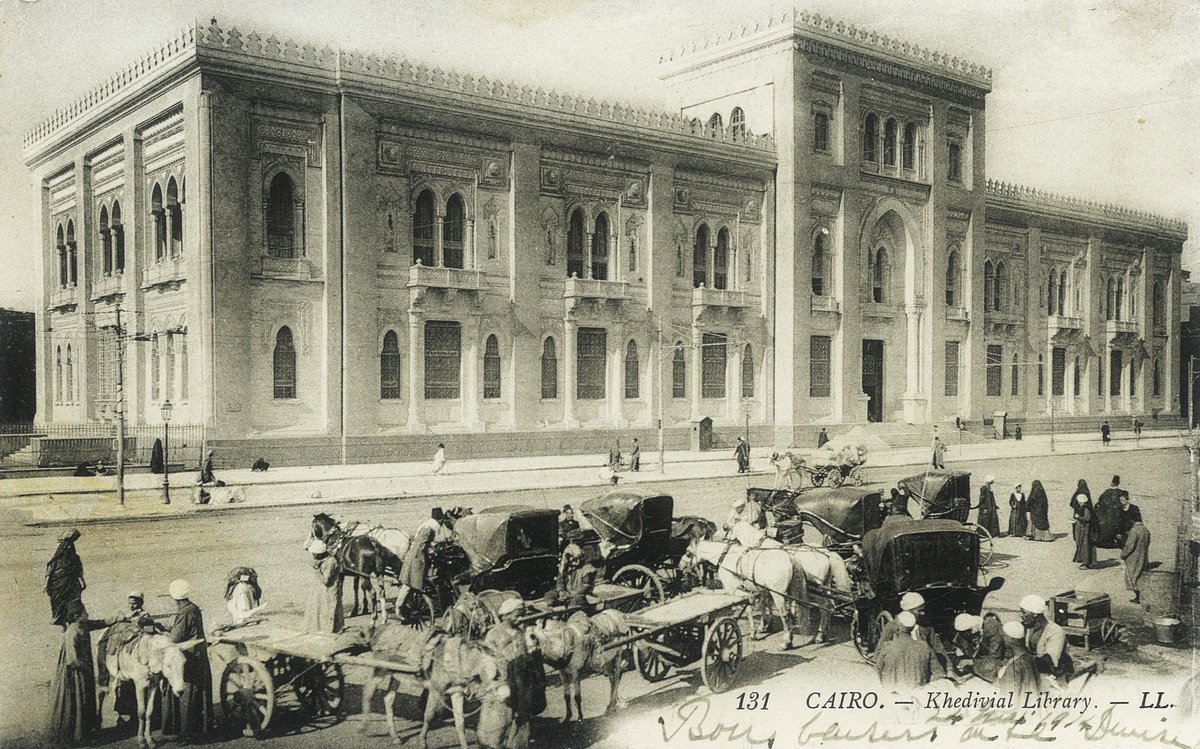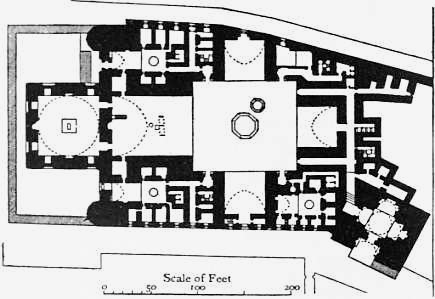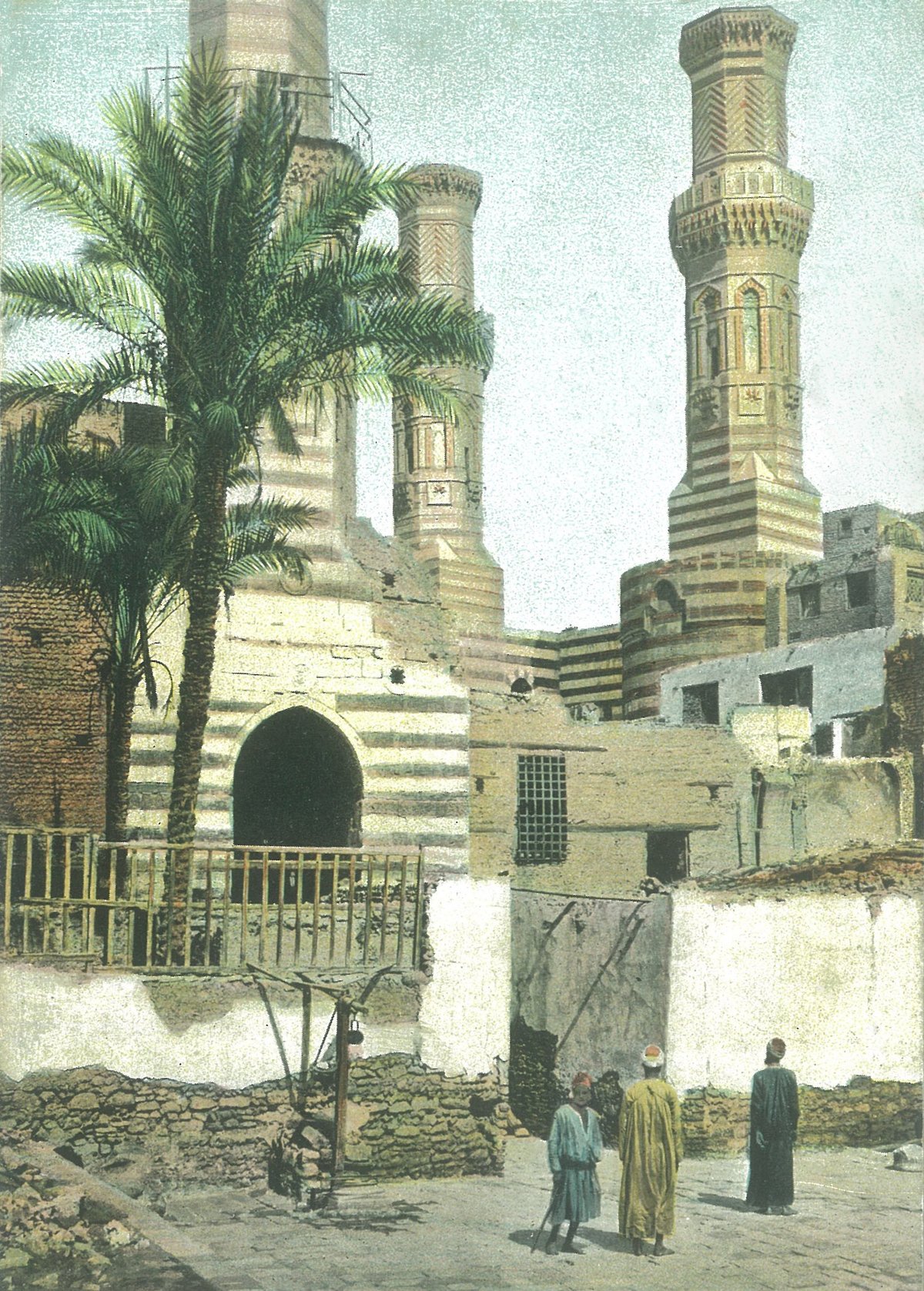
Cairo
location_on 30 attractions
calendar_month October-April (cooler days and easier walking)
schedule 3-5 days

Introduction

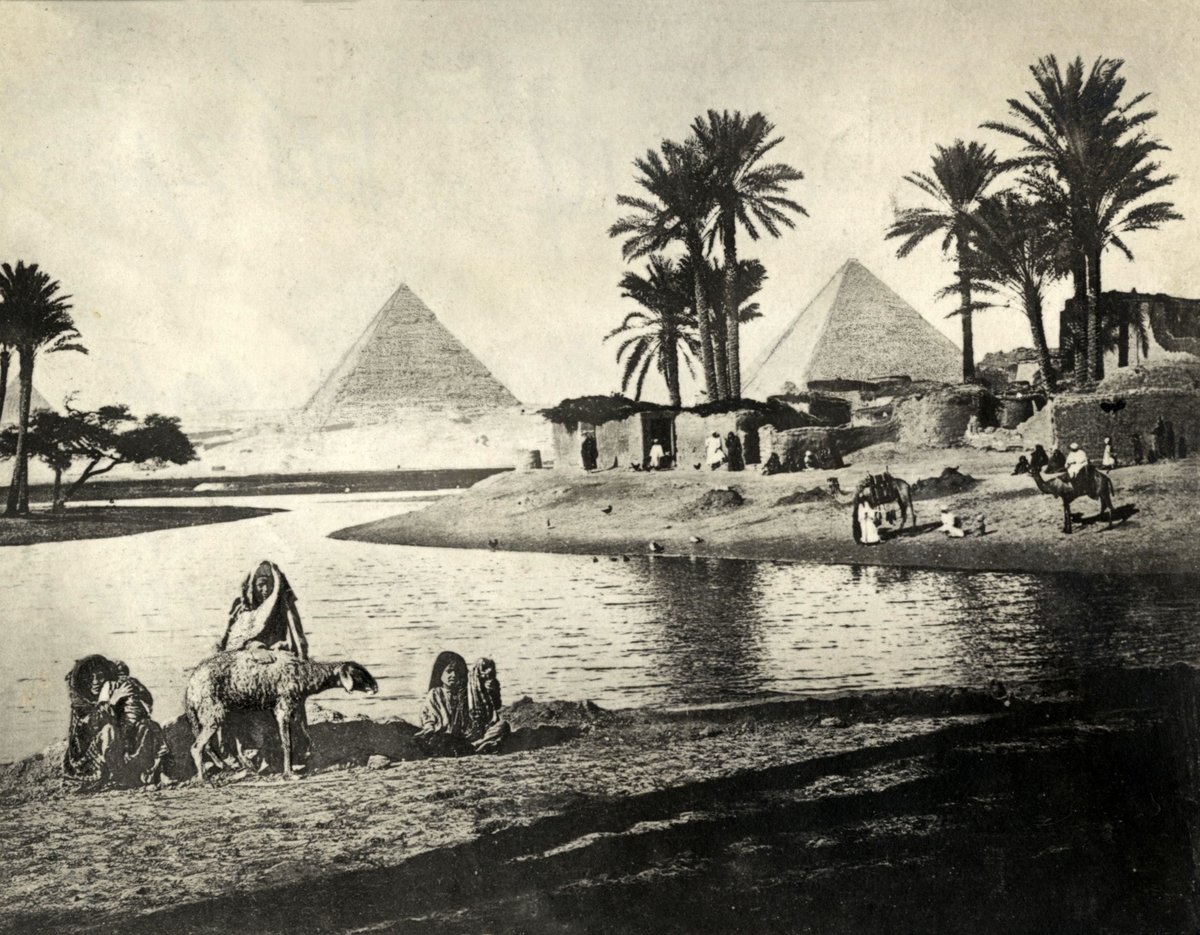
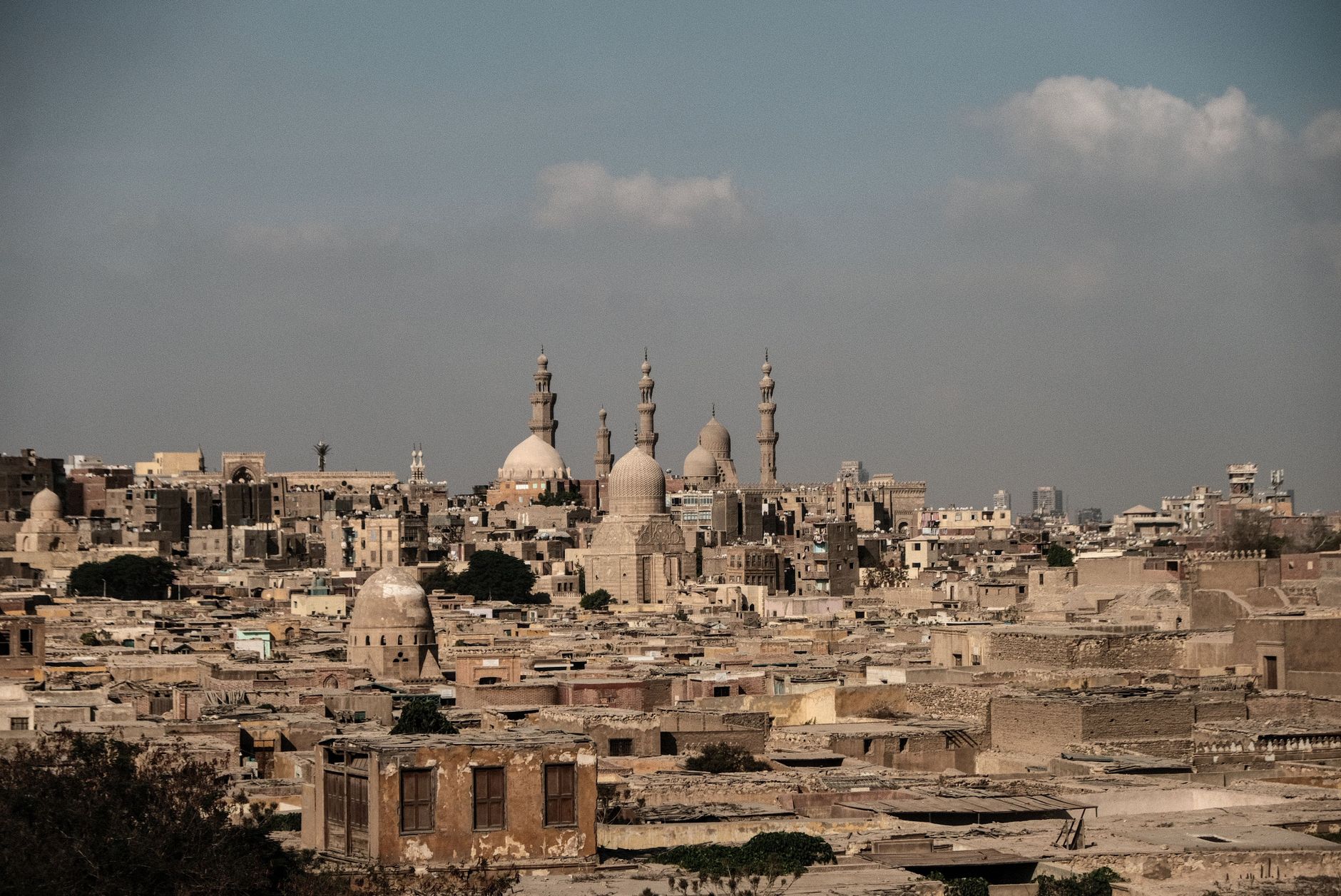
The first surprise in Cairo, Egypt is how the city sounds: a muezzin’s call skimming over traffic horns, then a spoon striking a tea glass in a lane older than many nations. People arrive for pyramids and leave talking about layers, because few capitals let Pharaonic stone, Fatimid gates, Coptic churches, belle-epoque facades, and neon cafe signs share the same skyline. Cairo does not present history in chapters; it stacks it, loud and alive, in real time.
Start west, where the Giza Plateau and the Grand Egyptian Museum now read as one cultural zone. GEM’s full opening in November 2025 changed the city’s rhythm: Tutankhamun’s treasures, Khufu’s boats, and broad new galleries under one roof, with late closing until 21:00 on Wednesdays and Saturdays. Then cross back toward Tahrir and Fustat, where the older Egyptian Museum and NMEC remind you that curation styles matter as much as artifacts.

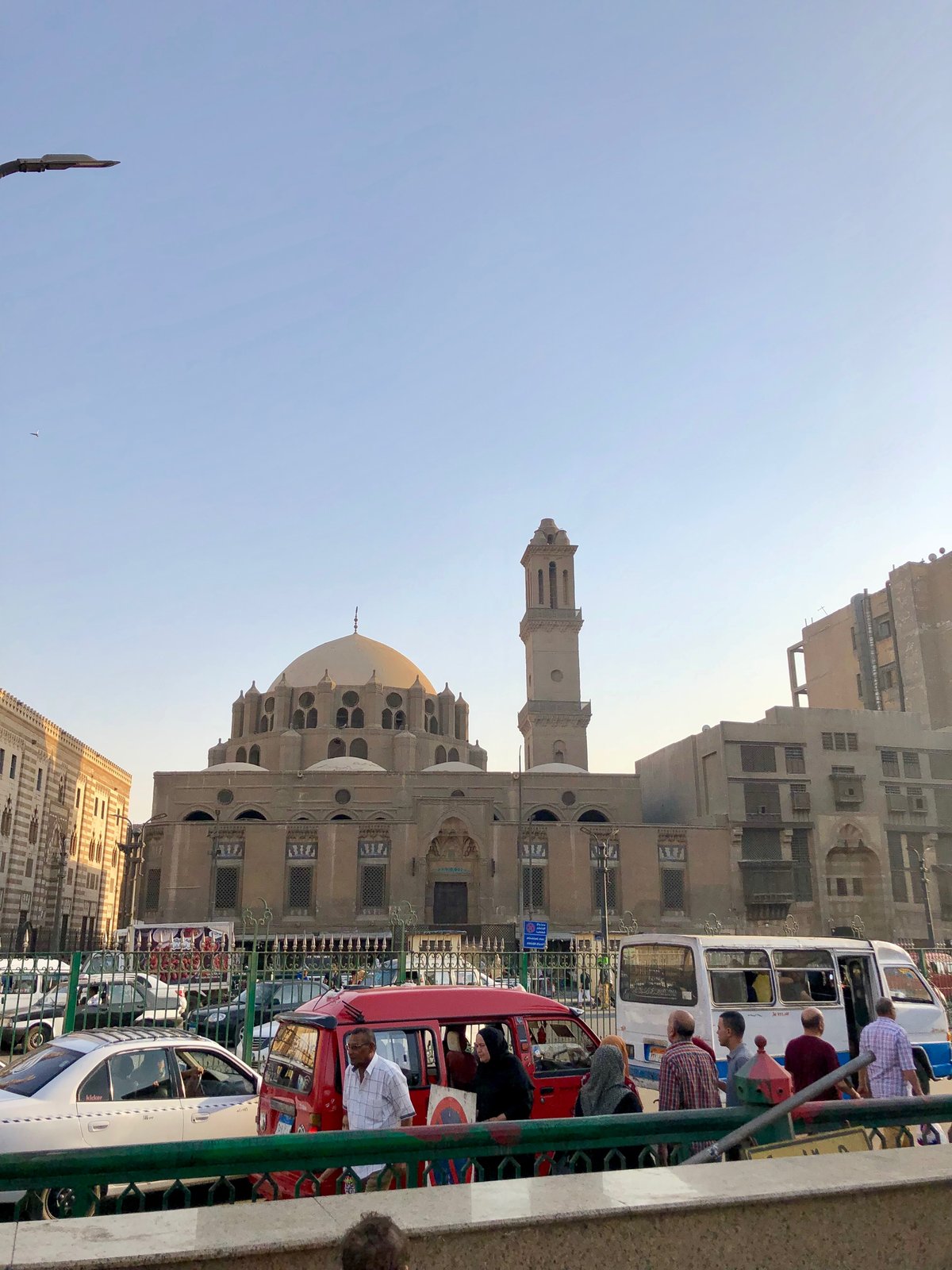
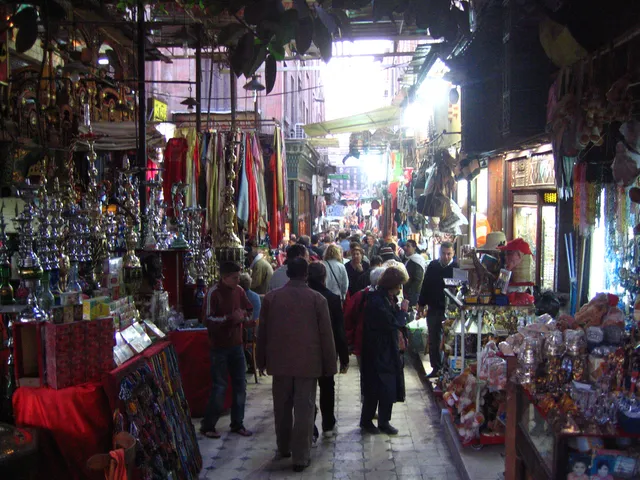
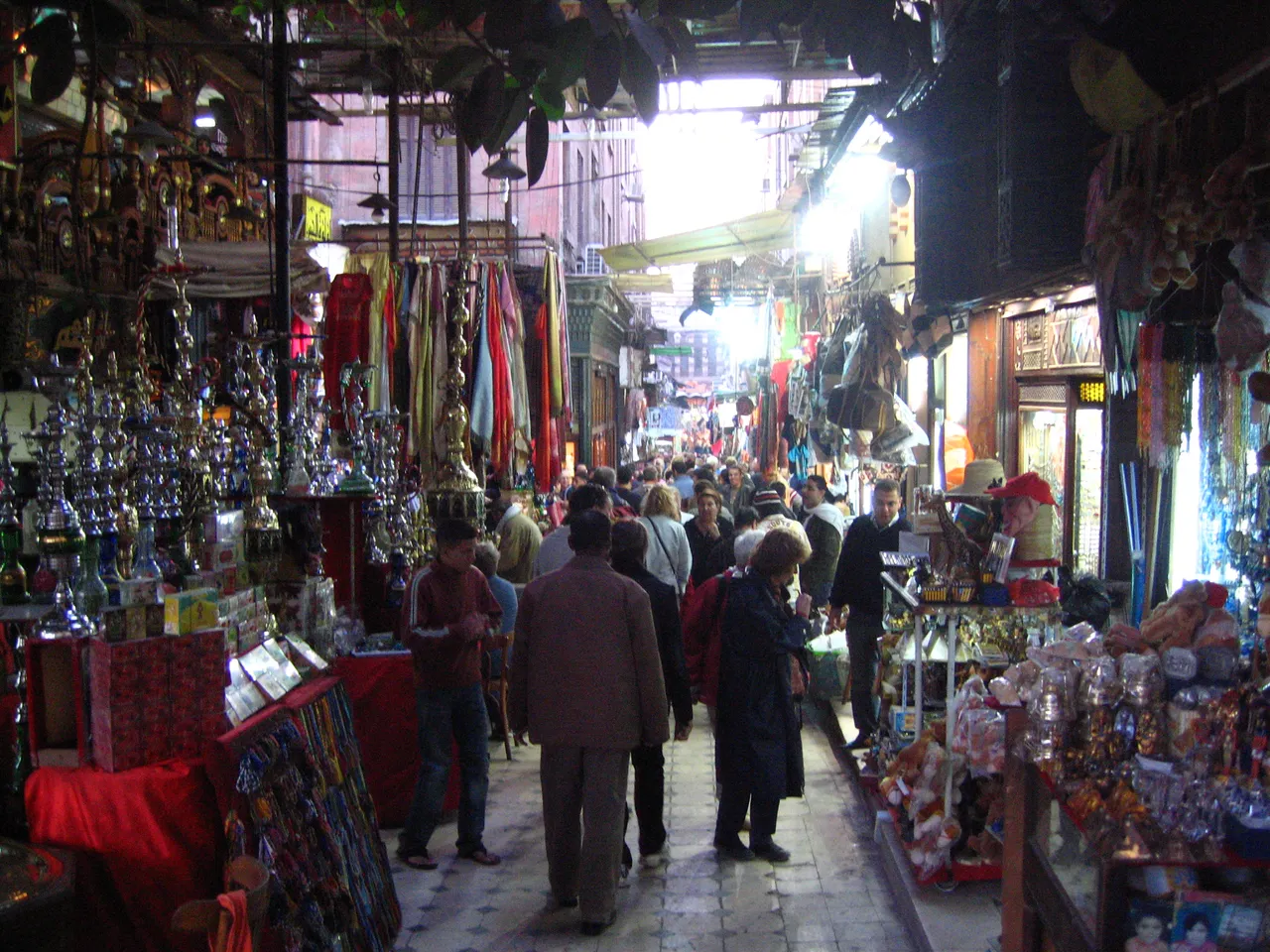
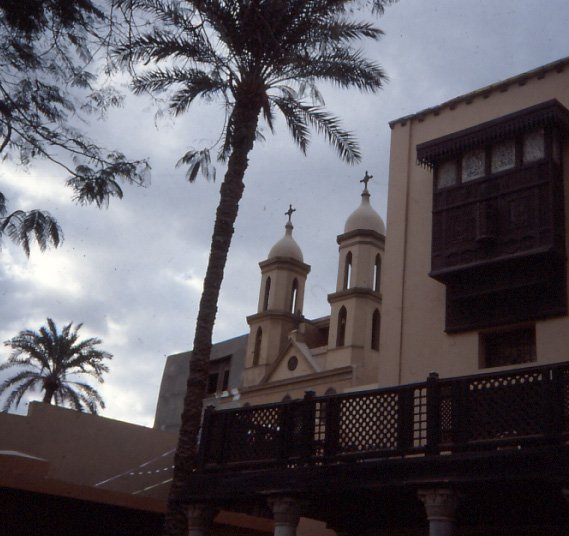
Historic Cairo is best understood on foot, not as a checklist. On Al-Muizz, light catches carved stone and mashrabiyya wood; in Khan el-Khalili, spice and coffee sit in the air while metalworkers hammer nearby. A short ride away in Old Cairo, the Hanging Church, Ben Ezra, and the Coptic Museum shift the mood from imperial scale to intimate continuity.

What makes Cairo stick is daily life between monuments: koshary in Downtown, a detour for shawarma in Heliopolis, tea at an ahwa, live music after 22:00, and traffic that forces you to choose neighborhoods wisely. Zamalek is the easy night out, Downtown the character choice, and East Cairo where many locals actually eat. The city changes your sense of time first, then your idea of what a capital can hold.

Places to Visit

The Most Interesting Places in Cairo

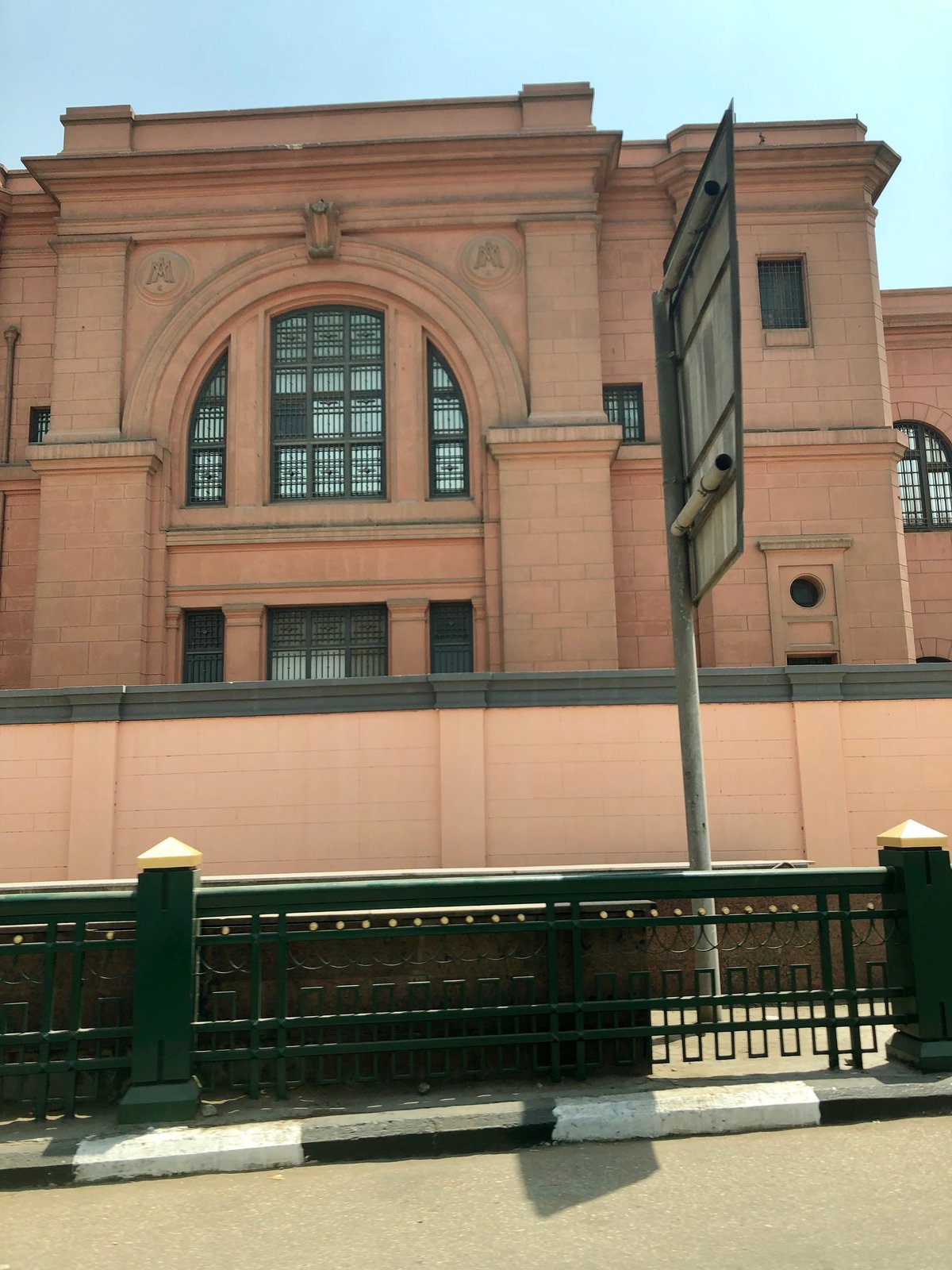
Egyptian Museum

Egyptian Museum

The Egyptian Museum in Cairo, also known as the Museum of Egyptian Antiquities, stands as a cornerstone for anyone eager to immerse themselves in the grandeur…

Giza Pyramids

Giza Pyramids

The Giza Necropolis, located on the Giza Plateau near Cairo, Egypt, is one of the most iconic and awe-inspiring archaeological sites in the world.

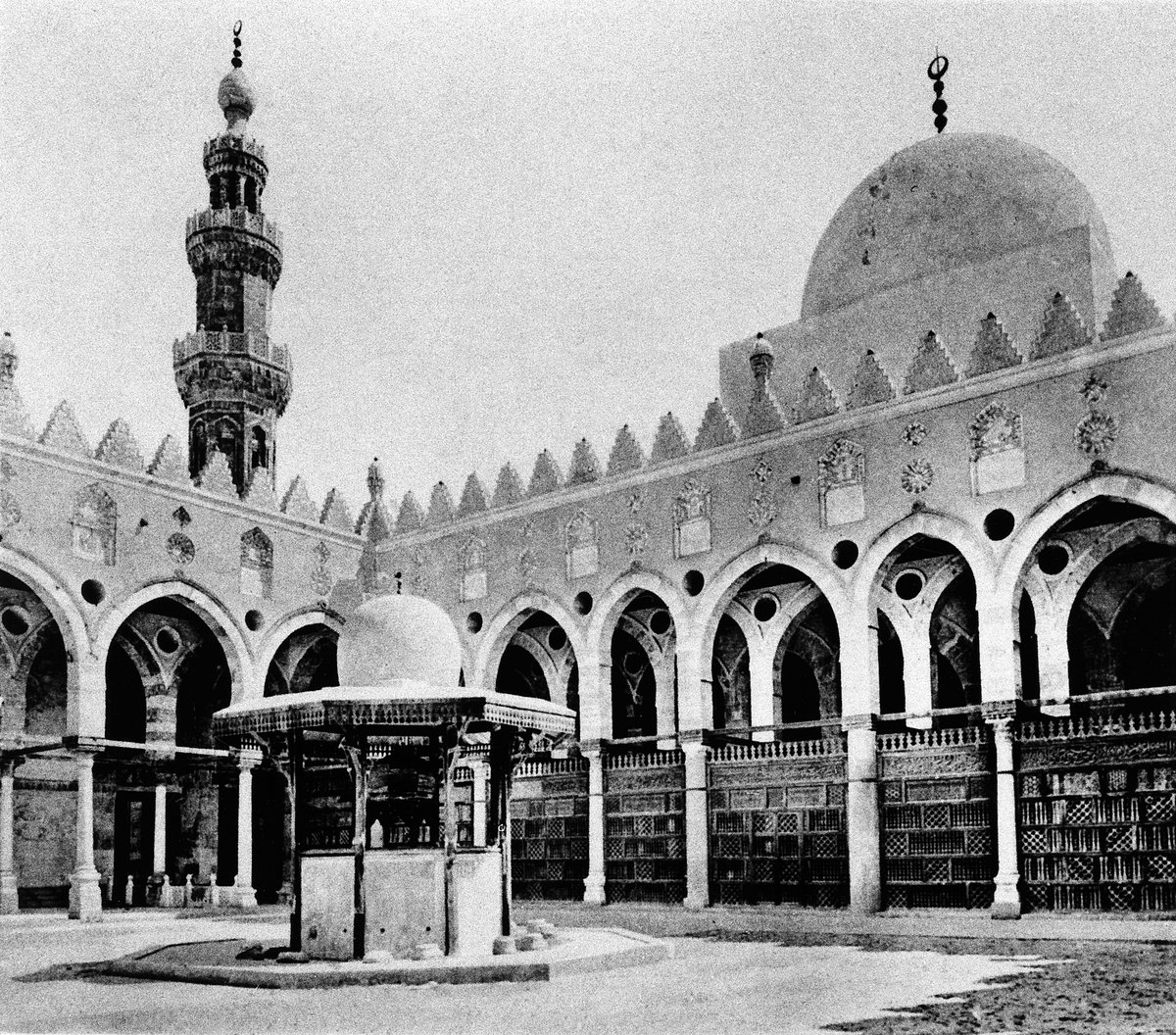
Al-Azhar Mosque

Al-Azhar Mosque

Standing as a monumental piece of Islamic heritage in the heart of Cairo, Al-Azhar Mosque is more than just a place of worship; it is a vibrant symbol of…

Tahrir Square

Tahrir Square

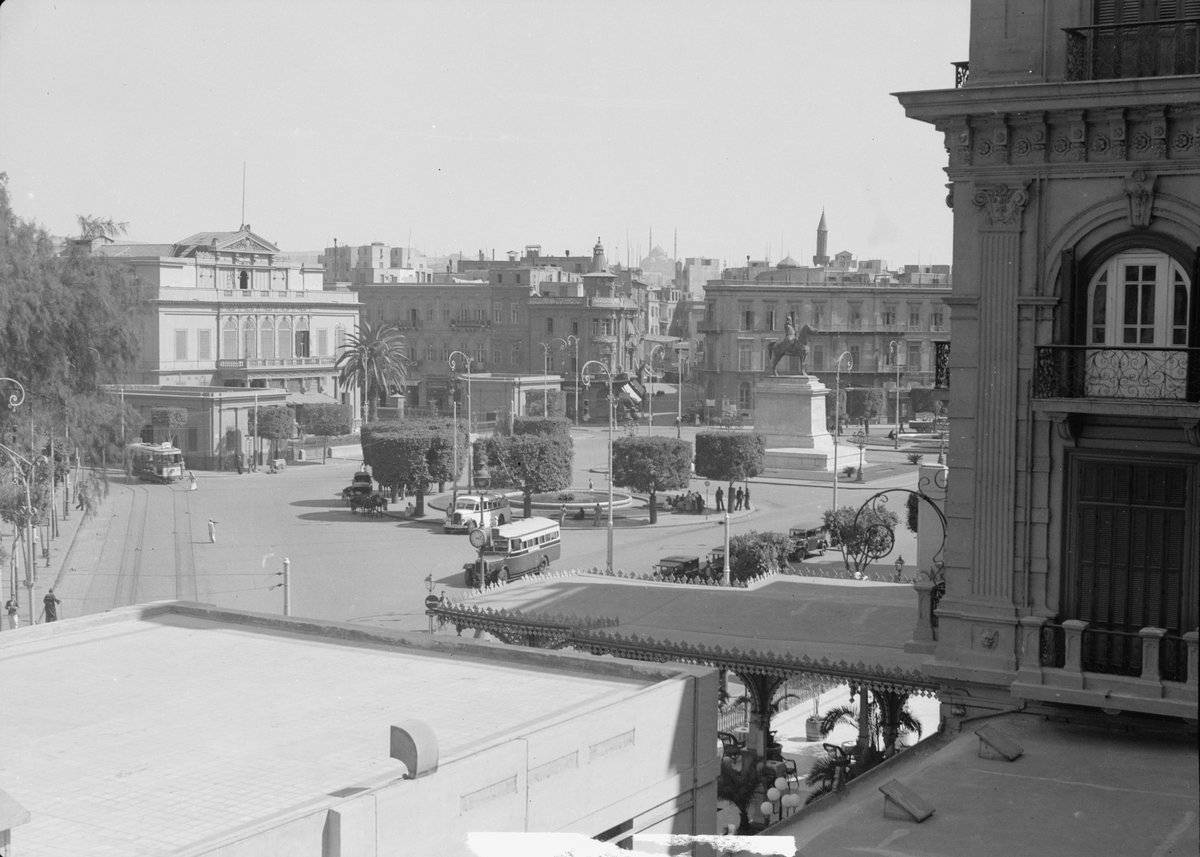
Tahrir Square, situated in the vibrant heart of downtown Cairo, stands as one of Egypt’s most iconic public spaces and a living testament to the nation’s rich…

Khan El-Khalili

Khan El-Khalili

Built on the graves of Fatimid caliphs, Khan El-Khalili still trades in tea, brass, prayer beads, and theater a few alleys from Al-Hussein Mosque.

The Great Sphinx

The Great Sphinx

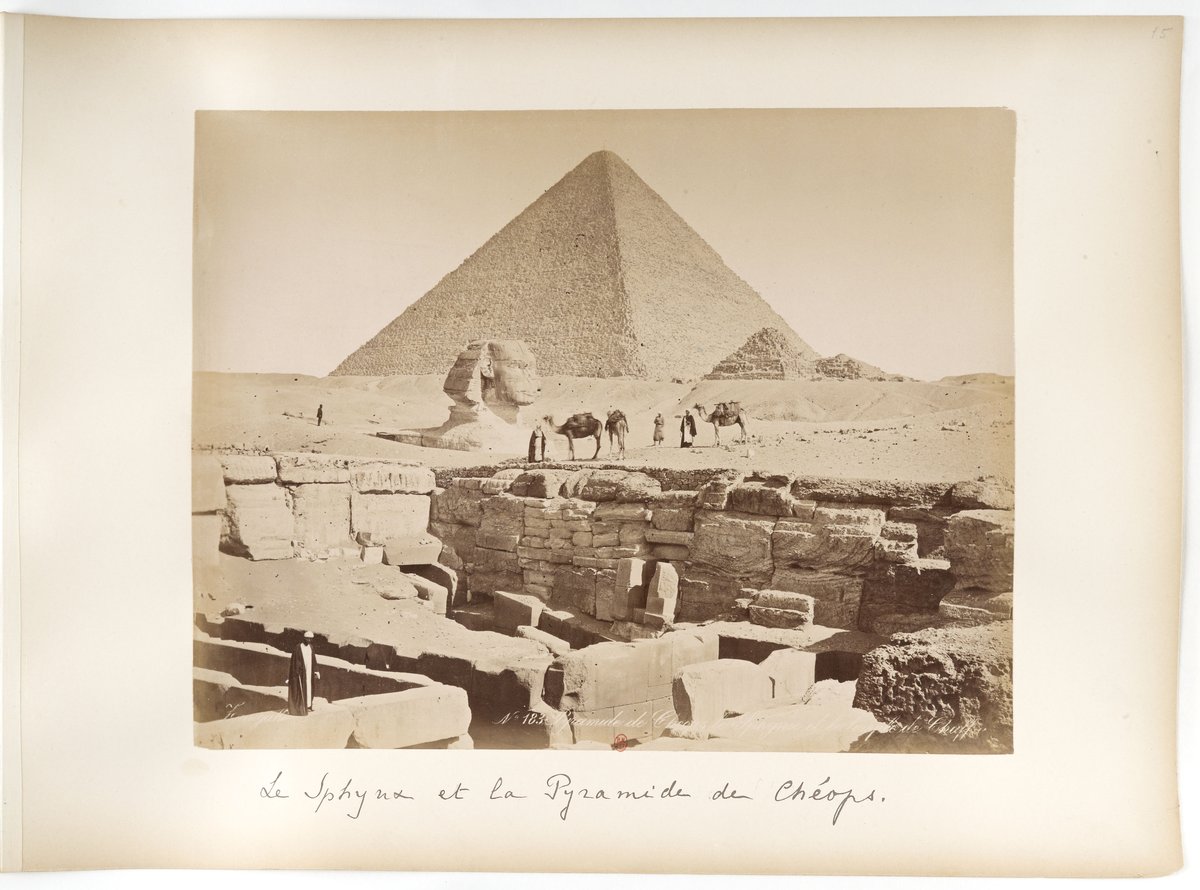
The Great Sphinx of Giza is one of the world's most iconic and enigmatic monuments, symbolizing the grandeur and mystery of ancient Egypt.

Mosque of Ibn Tulun

Mosque of Ibn Tulun

The Mosque of Ibn Tulun stands as one of Cairo’s most venerable and architecturally significant Islamic monuments, offering visitors an unparalleled window…

Cairo Opera House

Cairo Opera House

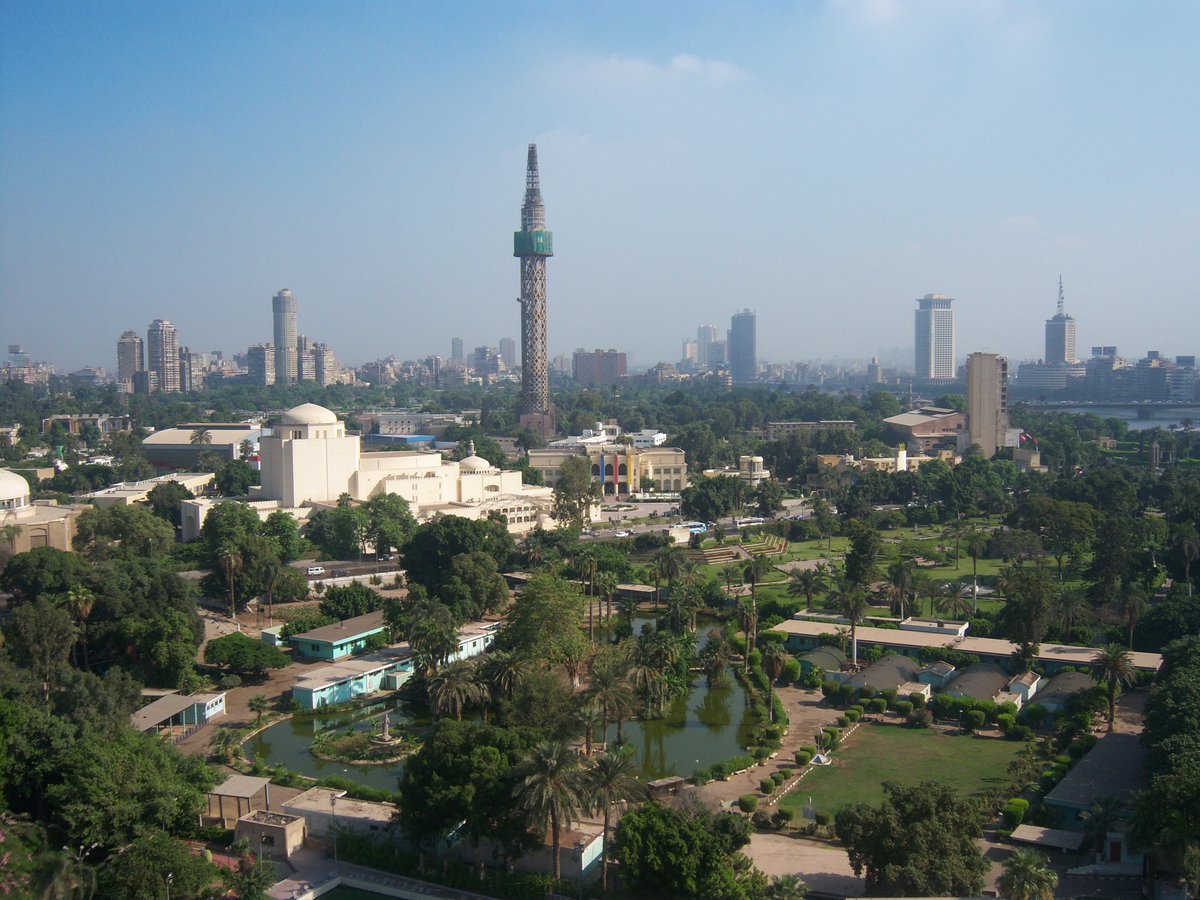
Nestled in the heart of Cairo’s vibrant Zamalek district on Gezira Island, the Cairo Opera House stands as a majestic testament to Egypt’s enduring dedication…

National Museum of Egyptian Civilization

National Museum of Egyptian Civilization

The National Museum of Egyptian Civilization (NMEC) in Cairo, Egypt, is a monumental institution dedicated to preserving and showcasing the rich tapestry of…

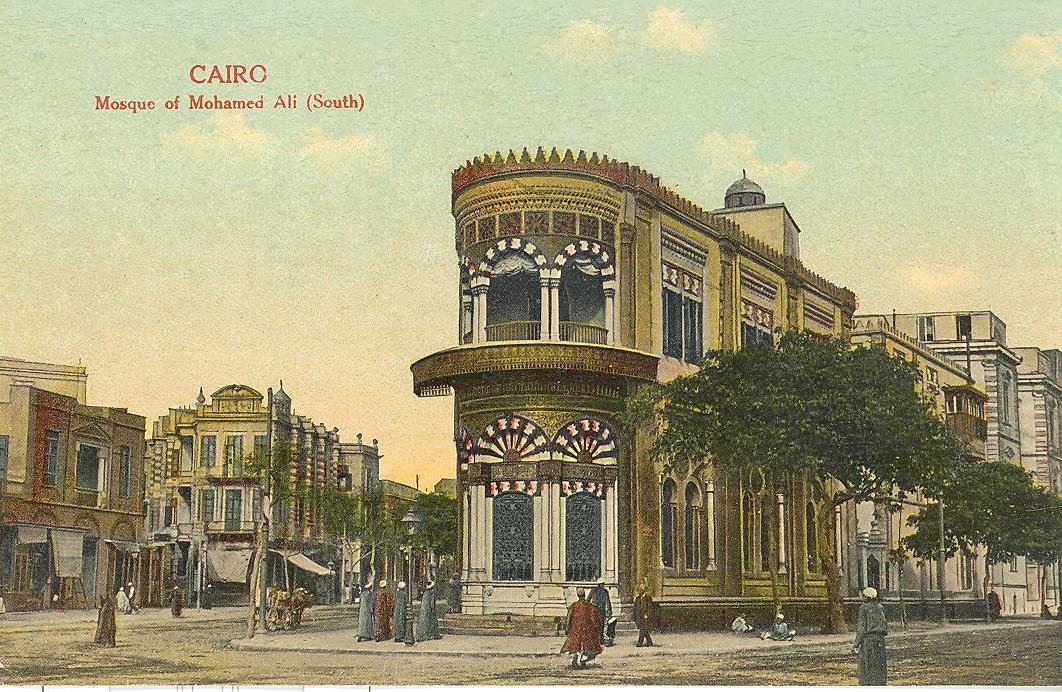
Muhammad Ali Mosque

Muhammad Ali Mosque

The Citadel of Saladin, also known as the Cairo Citadel, is a monumental fortress that stands as a testament to Egypt's rich history and architectural prowess.

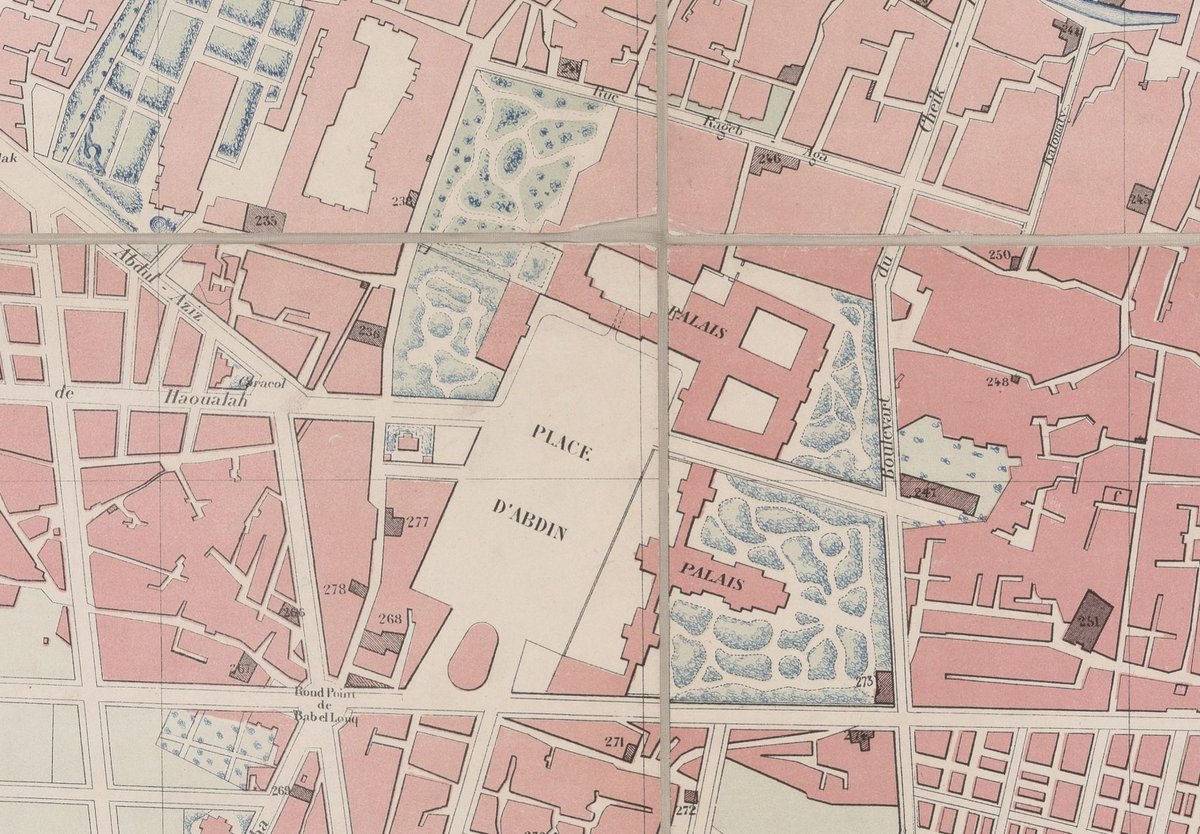
Abdeen Palace

Abdeen Palace

Abdeen Palace, located in Al Nozha, Cairo, Egypt, is a monumental symbol of the country's rich historical and architectural heritage.

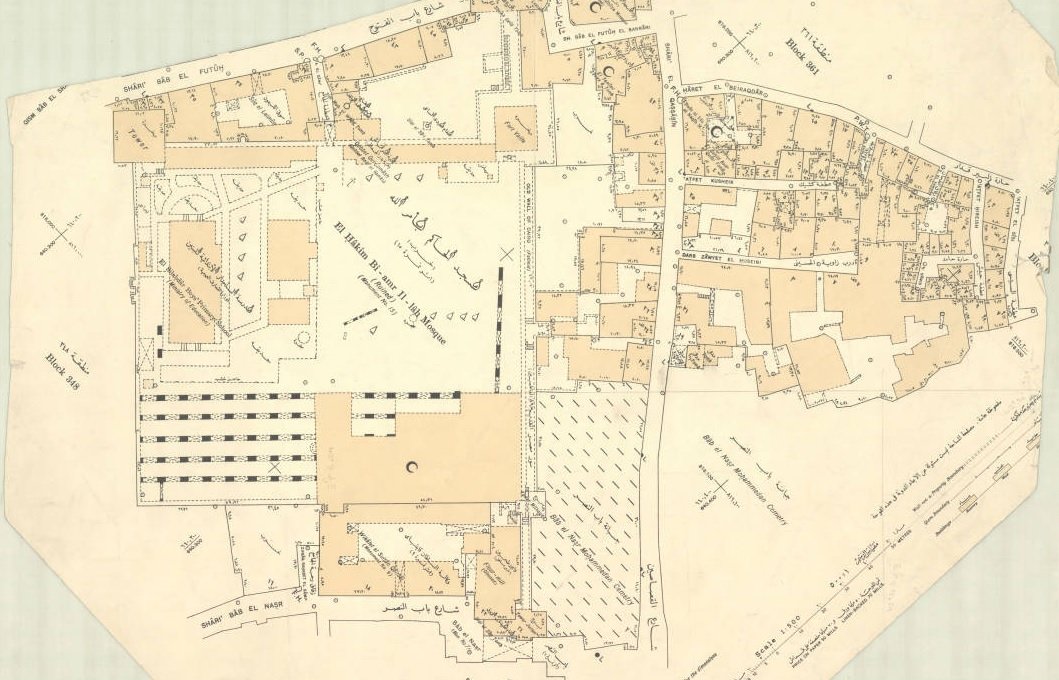
Al-Hakim Mosque

Al-Hakim Mosque

The Al-Hakim Mosque, also known as Al-Jame Al-Anwar, serves as one of Cairo's most prominent historical and architectural landmarks.

What Makes This City Special

Three Museums, Three Egypts

Cairo is one of the few capitals where you can read history in parallel: the Grand Egyptian Museum for pharaonic scale, the Egyptian Museum in Tahrir for old-school atmosphere, and NMEC for the long arc into modern Egypt. The surprise is how different each one feels under your feet and in your pace.

Islamic Cairo, Still Breathing

On Al-Muizz Street, at Bab al-Futuh and Bab Zuwayla, architecture is not sealed behind glass; it is stitched into markets, prayers, and daily noise. Go near sunset, when stone facades turn honey-colored and the lanes fill with spice smoke and metalwork echoes.

From Fatimid Stone to Art Deco

Cairo is not just pyramids and minarets: Downtown, Garden City, Zamalek, and Heliopolis add belle-époque planning, eclectic palaces, and Art Deco fronts. Baron Empain Palace and Abdeen/Manial together reveal how modern Cairo kept reinventing power and style.

Viewpoints That Reframe the City

Al-Azhar Park and the Citadel panoramas let you see Cairo as layers, not chaos: domes, towers, cemeteries, and flyovers in one sweep. It changes your map of the city in minutes.

Historical Timeline

Cairo, Written in Stone, Smoke, and Revolt

From Memphis and Giza to Tahrir and the Grand Egyptian Museum

gavel
c. 3000 BCE

Memphis Becomes the First Capital

South of today’s Cairo, Memphis rose as the political heart of early unified Egypt. Court ritual, taxation, and royal ideology took shape here beside the Nile’s shifting light and silt. Cairo’s later claim to centrality begins with this older capital’s gravity.

castle
c. 2550 BCE

Giza Pyramids Transform the Horizon

The pyramid field at Giza was built during the Old Kingdom for Khufu, Khafre, and Menkaure. These monuments fixed the west-bank desert as sacred royal ground for millennia. Even now, Cairo’s skyline still bends around their geometry.

castle
c. 300 CE

Babylon Fortress Guards the Canal

Roman authorities built the fortress of Babylon in what is now Old Cairo, controlling movement between Nile routes and the Red Sea link. Thick walls and towers made this a strategic choke point. Later Christian communities clustered around it, seeding Coptic Cairo.

swords
641

Conquest and the Birth of Fustat

Arab forces took Babylon, then founded al-Fustat beside it as Egypt’s first Muslim capital. Camp streets hardened into markets, mosques, and workshops. Cairo had not yet been named, but its urban ancestry had started.

church
876-879

Ibn Tulun Builds His Great Mosque

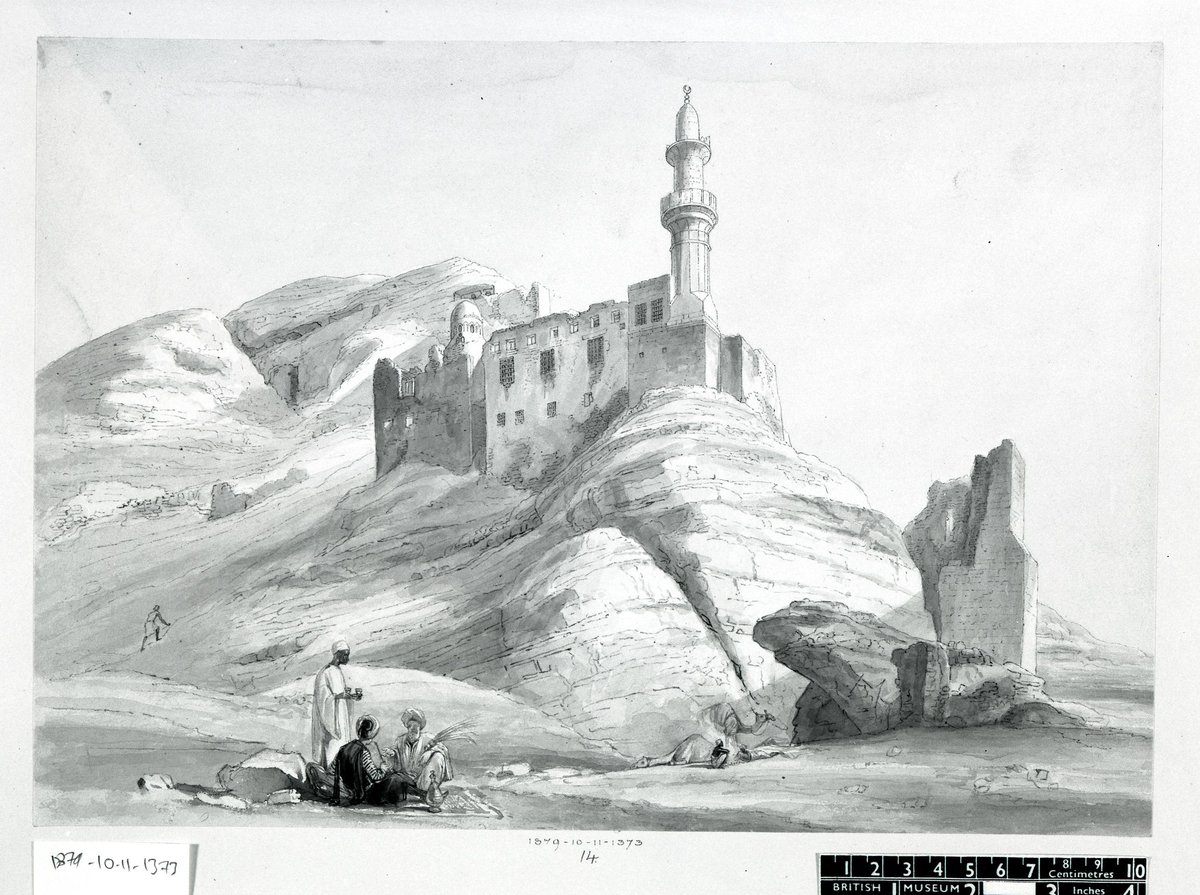
Ahmad ibn Tulun raised a vast brick mosque in his new city of al-Qata'i. Its spiral minaret, broad courtyard, and arcades still carry wind and footsteps differently from later Cairene monuments. The building survived dynastic collapse and became a durable memory of early autonomous rule.

gavel
969

Al-Qahirah Is Founded

Fatimid general Jawhar al-Siqilli founded a new royal enclosure north of Fustat, soon called al-Qahirah, 'the Victorious.' It began as a court city of palaces, barracks, and ceremonial avenues. This was the formal birth of Cairo proper.

school
972

Al-Azhar Opens for Prayer

Al-Azhar began under the Fatimids and quickly became more than a mosque. Over centuries it evolved into one of the Islamic world’s most influential centers of learning. In Cairo, scholarship became part of the city’s daily soundscape as much as commerce.

castle
1092

Bab Zuwayla Seals the Southern Gate

Bab Zuwayla rose as a major Fatimid gate, controlling entry to the city’s southern edge. Caravans, tax collectors, preachers, and soldiers passed beneath its towers. The gate helped define medieval Cairo as a walled organism with pulse points, not a loose sprawl.

local_fire_department
1168

Fustat Burns to Deny the Crusaders

Facing Crusader threat, the Fatimid vizier ordered Fustat set ablaze rather than let it fall. Smoke and ash covered Egypt’s old capital in one of the region’s great urban catastrophes. Political and demographic weight shifted more decisively toward Cairo.

person
1171

Saladin Rewrites Cairo’s Future

Saladin ended Fatimid rule and made Cairo the center of a Sunni Ayyubid state. In Cairo, he reorganized power, patronage, and military priorities with crusader pressure always in view. The city he inherited became the city he hardened.

castle
1176

The Citadel Rises Above the City

Construction began on the Citadel atop the Muqattam heights, intended to anchor defense and rule. From here, rulers could watch the city, command troops, and stage authority in stone. Cairo’s political center literally moved uphill.

gavel
1250

Mamluks Seize the Capital

The Mamluks took power and turned Cairo into the capital of a major eastern Mediterranean empire. Elite military households funded mosques, madrasas, and caravan networks across the city. Cairo entered one of its most productive architectural and intellectual ages.

local_fire_department
1303

Earthquake Shakes Minarets and Markets

A major earthquake on 8 August 1303 damaged monuments across Cairo and toppled minarets. Repair crews, endowments, and rulers poured resources into rebuilding. The disaster left scars, but also triggered a visible cycle of restoration.

local_fire_department
1348

Plague Devastates Mamluk Cairo

The Black Death reached Cairo and killed on a staggering scale, with modern estimates around 200,000 deaths in the main wave. Funerary processions, labor shortages, and fear reordered city life. Recurrent plague afterward kept the memory of fragility close.

person
1364

Al-Maqrizi, Cairo’s Memory Keeper

Born in Cairo, al-Maqrizi later wrote the city with unmatched topographic detail and historical bite. His work preserved streets, institutions, prices, famines, and dynastic change with a local eye. Much of how we narrate medieval Cairo still passes through him.

swords
1517

Ottoman Conquest Ends Mamluk Rule

Ottoman forces defeated the Mamluks and absorbed Egypt into an imperial province. The execution of the last Mamluk sultan, Tumanbay II, at Bab Zuwayla became a brutal symbol of transition. Cairo lost imperial primacy but remained a heavyweight city of scholars, artisans, and trade.

swords
1798

Napoleon Occupies Cairo

After the Battle of the Pyramids, French troops entered Cairo in July 1798. The city erupted in revolt in October, and repression followed. The occupation was brief, but it cracked open a new era of military and administrative transformation.

person
1805

Muhammad Ali Makes Cairo His Engine

Muhammad Ali took power and ruled from Cairo, using it as the command center of a modernizing state. Barracks, workshops, schools, and new bureaucratic routines concentrated in and around the capital. Cairo became the workshop of 19th-century Egypt.

swords
1811

Citadel Massacre Breaks Mamluk Power

At a ceremonial gathering in the Citadel, Muhammad Ali’s forces killed leading Mamluk emirs in a planned ambush. The event was swift, violent, and politically decisive. Cairo witnessed the end of a rival military aristocracy in one afternoon.

gavel
1863-1879

Ismail Refashions the Capital

Under Khedive Ismail, boulevards, squares, and new districts expanded west of the medieval core. Gaslight, facades, and planned avenues introduced a new urban rhythm beside older lanes and markets. Modern downtown Cairo was born in this period.

music_note
1871

Aida and a New Urban Stage

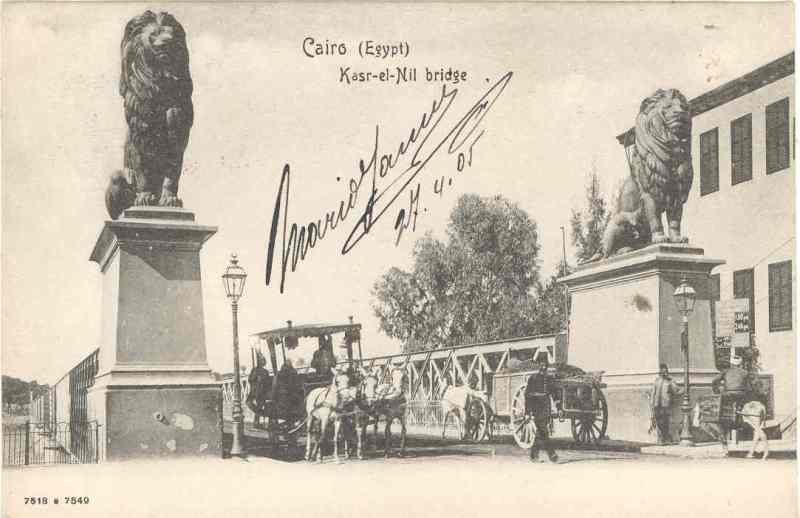
Verdi’s Aida premiered in Cairo during the Khedival spectacle era, signaling the city’s bid for global cultural stature. The same year saw the new Qasr al-Nil bridge linking key zones across the Nile. Culture and infrastructure advanced together, by design.

swords
1882

British Occupation Begins

British intervention after the Urabi crisis turned Cairo into the nerve center of a long occupation. Formal sovereignty and real control diverged, and nationalist politics hardened in response. The city’s ministries, barracks, and streets became arenas of imperial pressure.

person
1911

Naguib Mahfouz Is Born

Mahfouz was born in Cairo and spent his life writing its alleys, cafes, bureaucrats, saints, hustlers, and dreamers. His fiction made neighborhood detail carry national history. Through him, Cairo became one of world literature’s most lived-in cities.

person
1923

Umm Kulthum Arrives in Cairo

In the early 1920s, Umm Kulthum moved to Cairo and built the career that would define Arab music for decades. Radio studios, concert halls, and elite salons of the capital made her voice unavoidable. Cairo shaped her myth, and she gave the city a soundtrack.

local_fire_department
26 January 1952

Black Saturday Burns Downtown

The Cairo Fire tore through the downtown core, with hundreds of buildings damaged or destroyed in hours of chaos. Cinemas, hotels, shops, and cafes burned as police control collapsed. The blaze accelerated the monarchy’s loss of legitimacy.

gavel
23 July 1952

Free Officers Topple the Monarchy

Army officers seized power and ended the old royal order, with the republic following in 1953. Cairo became the command stage of a new nationalist state. Administrative centralization and mass politics now radiated from the capital.

factory
1987

Metro Tunnels a New Cairo

The first Cairo Metro line opened with an initial 29-kilometer segment, the first full metro system in Africa and the Middle East. Commutes, labor patterns, and the city’s daily tempo changed quickly. Underground rail became a practical answer to surface congestion.

gavel
2011

Tahrir Rewrites Political Possibility

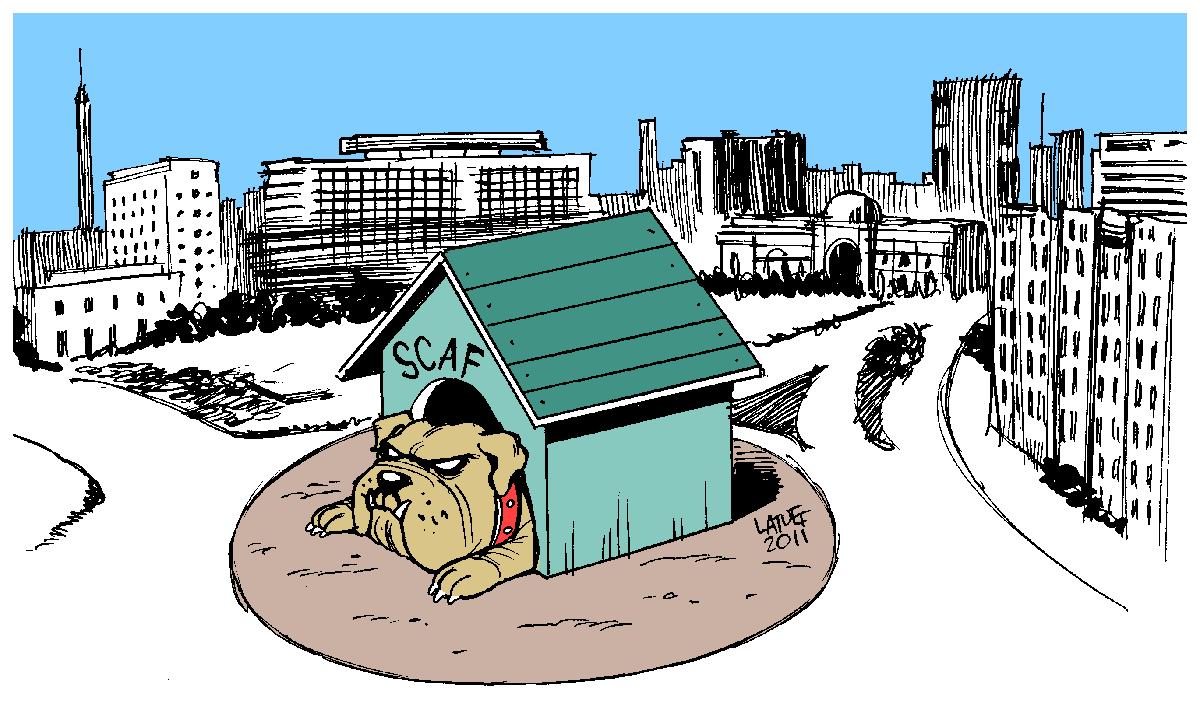
From 25 January to 11 February, Tahrir Square became the symbolic center of a national uprising. Protest camps, chants, and improvised clinics turned public space into political theater and survival zone at once. Mubarak’s fall showed how decisively Cairo’s streets could move the state.

public
3 April 2021

Pharaohs Parade Through the Night

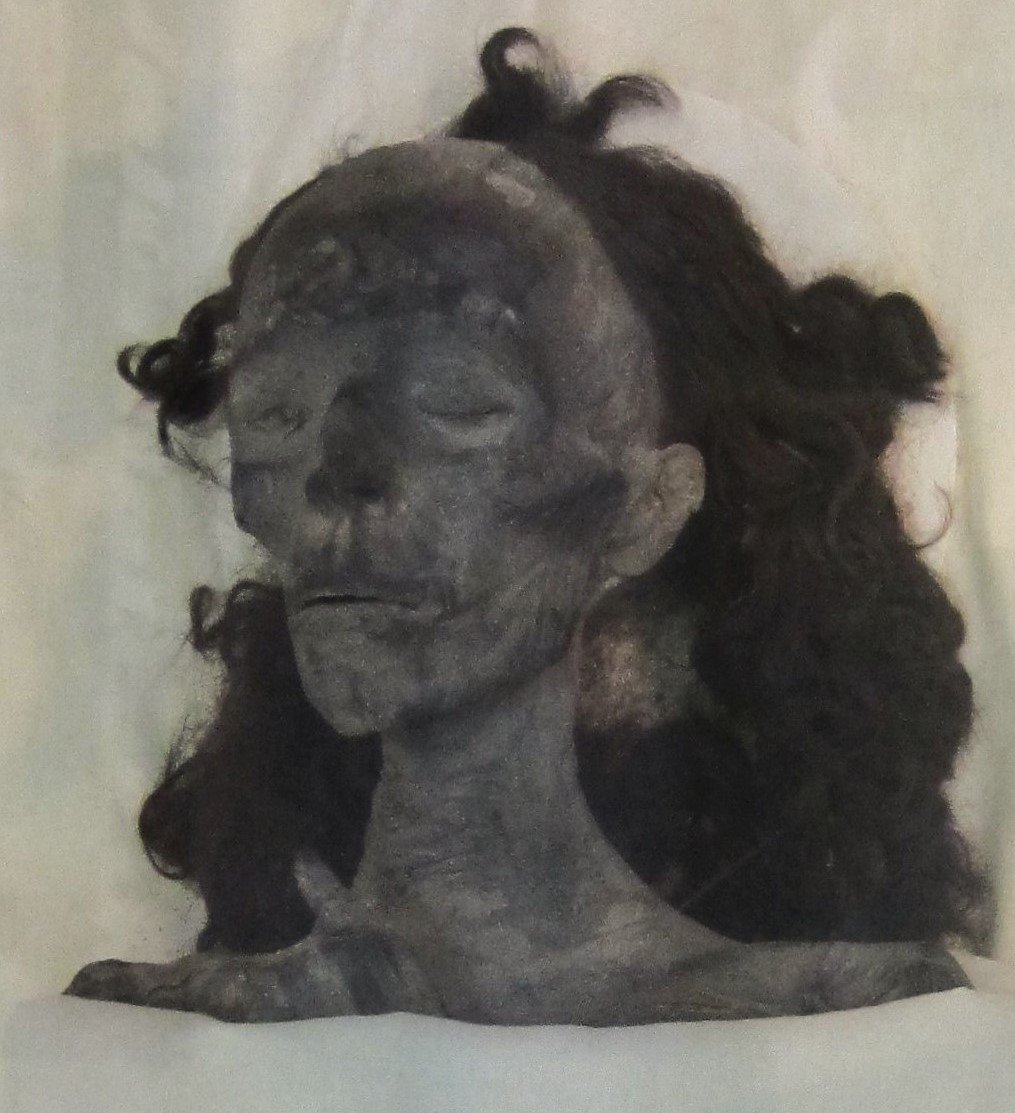
Twenty-two royal mummies traveled in a tightly choreographed procession to the National Museum of Egyptian Civilization in Fustat. Drums, torchlight tones, and televised pageantry fused archaeology with modern state spectacle. Cairo staged antiquity as a living civic narrative.

castle
1-4 November 2025

Grand Egyptian Museum Fully Opens

After years of delay, the Grand Egyptian Museum completed its full opening near Giza. Tutankhamun’s full collection, major galleries, and new visitor infrastructure reoriented Cairo’s museum geography. The city’s oldest stories gained their newest monumental frame.

schedule
Present Day

Notable Figures

Salah al-Din Yusuf ibn Ayyub (Saladin)

1137/38–1193 · Ayyubid ruler and military leader
Ruled Egypt from Cairo; initiated the Cairo Citadel project

Saladin treated Cairo as the command center of a new political era and began the Citadel that still defines the city's skyline logic. His project linked military strategy to urban form, not just to war. Standing on Citadel heights today, you can still read the city the way he needed to: as terrain, movement, and power.

Muhammad Ali Pasha

1769–1849 · Founder of modern Egypt's ruling dynasty
Ruled from Cairo; reshaped the Citadel and commissioned the Mosque of Muhammad Ali

Muhammad Ali made Cairo a stage for state-building, with the Citadel as its symbolic heart. The mosque he commissioned still dominates city panoramas, turning politics into architecture. His imprint is the moment Cairo's old fortress city started speaking in a modern imperial voice.

Taqi al-Din Ahmad al-Maqrizi

1364–1442 · Historian
Born in Cairo; chronicled Cairo's topography and society

Al-Maqrizi wrote Cairo at street level, recording neighborhoods, markets, institutions, and how people actually lived. He is one reason the medieval city is not just ruins but remembered urban life. In today's traffic-heavy megacity, his method still feels modern: watch the street first, then explain history.

Naguib Mahfouz

1911–2006 · Novelist and Nobel laureate
Born and lived in Cairo; made it central to his fiction

Mahfouz turned Cairo alleys, apartments, and coffeehouses into the emotional map of modern Egypt. In his novels, the city is never backdrop; it is the force shaping every family argument and private dream. Walk Downtown or old quarters after reading him and the streets feel like dialogue.

Umm Kulthum

1904–1975 · Singer
Built her career in Cairo after moving there in the early 1920s; died in Cairo

Cairo gave Umm Kulthum the audience, radio circuits, and institutions that turned her into the Arab world's most powerful voice. Her long monthly concerts made listening a civic ritual as much as entertainment. The city still carries that memory in its music culture, from formal halls to late-night gatherings.

Alaa al-Aswany

born 1957 · Novelist
Born in Cairo; wrote iconic fiction centered on Downtown Cairo

In The Yacoubian Building, al-Aswany used one real Downtown address to expose class tension, ambition, and disillusion in contemporary Cairo. His city is crowded with private bargains inside public decay and glamour. It is a reminder that Cairo's architecture is also social evidence.

Dalida (Iolanda Cristina Gigliotti)

1933–1987 · Singer and actress
Born and raised in Cairo (Shubra)

Before international stardom in Europe, Dalida's first world was multilingual, cosmopolitan Cairo. Her early life in Shubra sits inside the city's 20th-century story of migration, cinema, and modernity. She represents a Cairo that was always local and international at the same time.

Boutros Boutros-Ghali

1922–2016 · Diplomat and UN Secretary-General
Born in Cairo; taught at Cairo University; died in Cairo

Boutros-Ghali moved from Cairo classrooms to global diplomacy without severing his city roots. His long academic life in Cairo helped shape the legal and political thinking behind his international career. He embodies Cairo's role as both national capital and intellectual crossroads.

Plan your visit

Practical guides for Cairo — pick the format that matches your trip.

Practical Information

flight

Getting There

As of 2026, the main gateways are Cairo International Airport (CAI) in Heliopolis and Sphinx International Airport (SPX) west of Giza, with SPX often convenient for Pyramid/GEM-focused stays. Main intercity rail hubs are Ramses Station (Misr Station), Giza Station, and Bashteel Station (Upper Egypt services). Major road approaches include the Cairo Ring Road, Regional Ring Road, Cairo–Alexandria Desert Road, Cairo–Ismailia Desert Road, Cairo–Suez Road, and the Ain Sokhna corridor.

directions_transit

Getting Around

As of March 2026, Cairo Metro operates 3 lines: Line 1 (Helwan-New El Marg), Line 2 (Shubra El-Kheima-El Mounib), and Line 3 (Adly Mansour-Rod El Farag Corridor/Cairo University branches). Cairo Transport Authority buses and private minibuses cover most districts, while Adly Mansour is the key interchange to the eastbound LRT. After the fare change effective March 27, 2026, metro single tickets are EGP 10 (up to 9 stations), EGP 12 (up to 16), EGP 15 (up to 23), and EGP 20 (up to 39); there is no single city tourist pass.

thermostat

Climate & Best Time

Winter (Dec-Feb) is mild at roughly 9-22C, spring (Mar-May) ranges about 15-34C with occasional khamsin dust winds, summer (Jun-Sep) is usually 22-38C, and autumn (Oct-Nov) settles around 16-32C. Rain is sparse (roughly 20-30 mm per year), mostly in short winter showers. Peak tourism runs October to April, while May to September is quieter; the best balance is usually late October-November and March-April.

translate

Language & Currency

Arabic is the daily language (mostly Egyptian Arabic), with English common in hotels, museums, and ride-hailing apps but less reliable in older market districts. Currency is the Egyptian pound (EGP). In 2026, cards are widely accepted in mid- and high-end venues, but cash is still essential for small eateries, souq purchases, and many short taxi or microbus rides.

shield

Safety

Cairo in 2026 is generally manageable for visitors who stay alert to traffic and crowd density rather than headline fear. Use licensed taxis or app rides at night, and expect slower movement after 4:00 pm on major arteries. In Khan el-Khalili and around major monuments, keep valuables zipped, confirm prices before buying, and politely decline unofficial guiding offers you did not request.

Where to Eat

local_dining

Don't Leave Without Trying

Koshary Ful medames Taameya (Egyptian falafel) Molokhia Fatta Hamam mahshi (stuffed pigeon) Hawawshi Kofta and kebab Konafa Om Ali

InterContinental Cairo Semiramis by IHG

fine dining
Luxury hotel dining and cocktail bar (Egyptian and international) €€ star 4.8 (56310)

Order: Book a Nile-facing table and order an Egyptian mezze spread with grilled kofta, then finish with om ali.

This is one of the city’s highest-rated big venues, and the Nile setting carries the night. It works especially well when you want a polished meal without losing Cairo energy.

El Abd Pastry

quick bite
Classic Egyptian pastry and dessert bakery €€ star 4.5 (20919)

Order: Get a mixed sweets box: basbousa, konafa, ghorayeba, and butter cookies; add a scoop of classic ice cream.

El Abd is a Cairo institution, the kind of place locals trust for family gatherings and gift boxes. It is one of the easiest ways to taste the city’s sweet tooth in one stop.

schedule

Opening Hours

El Abd Pastry

Monday 9:00 AM – 12:00 AM
Tuesday 9:00 AM – 12:00 AM
Wednesday 9:00 AM – 12:00 AM
map Maps language Web

Kempinski Nile Hotel Garden City Cairo

fine dining
Refined hotel dining (Egyptian, Levantine, and international) €€ star 4.7 (12708)

Order: Go for a long Egyptian breakfast: ful, taameya, eggs, fresh baladi bread, and mint tea.

Garden City gives this place a calm, elegant feel that is hard to find elsewhere in central Cairo. It is a reliable pick for comfort, service, and a slower-paced meal.

schedule

Opening Hours

Kempinski Nile Hotel Garden City Cairo

Monday Open 24 hours
Tuesday Open 24 hours
Wednesday Open 24 hours
map Maps language Web

Akher Saa

local favorite
Egyptian fast-casual grills and home-style plates €€ star 4.0 (8841)

Order: Order rotisserie chicken or mixed grill with rice and molokhia for a dependable everyday Cairo meal.

This is the kind of practical local favorite you use when you want solid food fast, not a scene. The long opening hours make it useful any time of day.

schedule

Opening Hours

Akher Saa

Monday 7:00 AM – 12:00 AM
Tuesday 7:00 AM – 12:00 AM
Wednesday 7:00 AM – 12:00 AM
map Maps language Web

El Madina Restaurant

local favorite
Traditional Egyptian comfort food and charcoal grills €€ star 4.2 (7681)

Order: Try the mixed grill and hawawshi, then add molokhia or lentil soup for a full local spread.

Late closing hours and a crowd that is mostly local make this a strong after-hours food stop. It feels like real Cairo, not a staged version.

schedule

Opening Hours

El Madina Restaurant

Monday 9:00 AM – 4:00 AM
Tuesday 9:00 AM – 4:00 AM
Wednesday 9:00 AM – 4:00 AM
map Maps language Web

Le Pacha 1901

fine dining
Nile moored dining complex (seafood, grills, and international) €€€ star 4.3 (7126)

Order: Start with cold mezze, then move to seafood or mixed grill, and end with a late Nile-view drink.

Le Pacha is classic Cairo nightlife-dining: dramatic location, lots of choice, and a social crowd. It is a strong celebration pick in Zamalek.

schedule

Opening Hours

Le Pacha 1901

Monday 9:00 AM – 2:00 AM
Tuesday 9:00 AM – 2:00 AM
Wednesday 9:00 AM – 2:00 AM
map Maps language Web

Al-Yemeni Cafe

cafe
Yemeni-style tea cafe with light savory bites €€ star 4.5 (5505)

Order: Ask for Yemeni-style milk tea and pair it with honey-forward pastries or a simple savory breakfast plate.

This is a great stop when you want a tea culture break instead of another heavy meal. It has a loyal local following and an easy Downtown rhythm.

schedule

Opening Hours

Al-Yemeni Cafe

Monday 7:00 AM – 12:00 AM
Tuesday 7:00 AM – 12:00 AM
Wednesday 7:00 AM – 12:00 AM
map Maps

Eish + Malh

cafe
Egyptian bakery-cafe and breakfast house €€ star 4.0 (5966)

Order: Build an Egyptian breakfast table: baladi bread, foul, taameya, white cheese, and a shared feteer.

It is an easy, reliable way to eat like a local in central Cairo without overthinking it. Great for morning or late-night carb therapy.

schedule

Opening Hours

Eish + Malh

Monday 8:00 AM – 1:00 AM
Tuesday 8:00 AM – 1:00 AM
Wednesday 8:00 AM – 1:00 AM
map Maps language Web

Pier88 Nile River

fine dining
Upscale Mediterranean-Italian seafood and cocktail bar €€€€ star 4.4 (2571)

Order: Go seafood-first with carpaccio or risotto, then add a cocktail for sunset over the Nile.

Pier88 is polished, stylish, and built for big nights out. If you want a modern Cairo splurge with a river backdrop, this is one of the strongest picks.

schedule

Opening Hours

Pier88 Nile River

Monday 1:00 PM – 1:00 AM
Tuesday 1:00 PM – 2:00 AM
Wednesday 1:00 PM – 1:00 AM
map Maps language Web

Holm Cafe

cafe
Modern specialty coffee and brunch cafe €€ star 4.5 (2458)

Order: Take a flat white, one flaky pastry, and an all-day breakfast plate if you are settling in.

Holm is a solid Zamalek reset point between heavier meals. The quality is consistent and the vibe stays calm even when the city does not.

schedule

Opening Hours

Holm Cafe

Monday 8:00 AM – 11:00 PM
Tuesday 8:00 AM – 11:00 PM
Wednesday 8:00 AM – 11:00 PM
map Maps language Web

Room Art Space & Cafe - Garden City

cafe
Creative cafe with coffee, brunch, and light mains €€ star 4.4 (1702)

Order: Order a specialty coffee with a light brunch plate, then add dessert if you stay for an event.

You get food plus culture in one address, which is rare in central Cairo. It is a smart pick for a low-key afternoon that turns into an evening hang.

schedule

Opening Hours

Room Art Space & Cafe - Garden City

Monday 9:00 AM – 11:00 PM
Tuesday 9:00 AM – 11:00 PM
Wednesday 9:00 AM – 11:00 PM
map Maps language Web

Zitouni

fine dining
Refined Egyptian cuisine and luxury breakfast dining €€€€ star 4.6 (1303)

Order: Do the Egyptian breakfast spread: ful, taameya, fresh bread, local cheeses, and classic hot dishes.

Zitouni is one of the cleanest introductions to Egyptian classics in a polished setting. It is ideal when you want local flavors with top-tier service.

schedule

Opening Hours

Zitouni

Monday 6:00 – 11:30 AM
Tuesday 6:00 – 11:30 AM
Wednesday 6:00 – 11:30 AM
map Maps language Web
info

Dining Tips

  • check A service charge is often already on the bill; locals still leave around 5-10% extra in cash for good service.
  • check Carry small EGP cash for bakeries, classic cafes, and quick local stops even when many places accept cards.
  • check Lunch is commonly late (around 2:00-5:00 PM) and dinner often starts after 9:00 PM, especially on weekends.
  • check Reserve ahead for Nile-view and fine-dining spots, particularly Thursday and Friday evenings.
  • check Ask whether tax and service are included before ordering so the final total is clear.
  • check During Ramadan, opening hours and peak dining times shift heavily, so confirm same-day.
  • check Smoking is common in many cafes; ask for non-smoking seating if you prefer a cleaner section.
  • check For quick bites, choose places with high turnover and visibly fresh prep.
Food districts: Zamalek Garden City Downtown Cairo (Bab Al Louq and Abdeen) Adly and Sherif Basha corridor Dokki Heliopolis Khan El Khalili and Islamic Cairo Nile Corniche corridor

Restaurant data powered by Google

Tips for Visitors

route
Plan By District

Treat Cairo like several cities, not one map. Group your day into one zone at a time (for example: Giza + GEM, or Downtown + Tahrir, or Islamic Cairo + Khan) to avoid burning hours in traffic.

museum
Use GEM Evenings

The Grand Egyptian Museum galleries run 9:00-18:00 daily, with late closing at 21:00 on Wednesdays and Saturdays. Use those late slots for a cooler, less rushed museum session.

landscape
Stack West Cairo

The Pyramids, Sphinx, and GEM now work as one west-Cairo cluster. Doing them together saves transport time and keeps your ancient-Egypt day coherent.

payments
Carry Small Cash

Keep small notes for baksheesh and quick purchases. Practical guidance is typically around 5-10% in restaurants, and cash makes daily friction much lower.

checkroom
Dress For Context

Modest clothing is the low-friction default in Cairo, especially around mosques and traditional districts. In shared local meals, bread-as-utensil and using your right hand are polite norms.

restaurant
Eat Local First

Start with koshary in Downtown and ful/ta'ameya breakfasts before chasing global menus. Institutions like Abou Tarek and long-running local spots give you Cairo's real food rhythm for very little money.

nightlife
Choose Night Zones

For easy first-night options, Zamalek is Cairo's most reliable all-round nightlife district. If you want drinks, hotel bars and established venues are the most dependable bets.

event
Respect Ramadan Rhythm

In Ramadan, Cairo shifts late: nights get festive and busy, while daytime public eating in fasting-heavy areas is best kept discreet. Book iftar and suhoor plans ahead, especially at popular venues.

Explore the city with a personal guide in your pocket

Your Personal Curator, in Your Pocket.

Audio guides for 1,100+ cities across 96 countries. History, stories, and local insight — offline ready.

smartphone

Audiala App

Available on iOS & Android

download Download Now

Join 50k+ Curators

Frequently Asked

Is cairo worth visiting? add

Yes, especially if you want one city where Pharaonic, Coptic, Islamic, and modern layers all sit side by side. Cairo now has a major new anchor in the fully opened Grand Egyptian Museum (November 2025), while Historic Cairo and Old Cairo still deliver street-level depth. It is intense, noisy, and rewarding rather than polished.

How many days in cairo? add

Plan 3-5 days. Three days covers Giza + GEM, Islamic Cairo, and one museum/modern-city day; five gives you space for NMEC, Coptic Cairo, and a day trip like Saqqara-Dahshur or Fayoum. Less than three days usually feels rushed because transport time is real.

How do I get around cairo without losing hours in traffic? add

Cluster your itinerary by neighborhood and only cross town for a true institution. A practical pattern is one major zone per half-day, then a nearby evening area. Cairo rewards geographic discipline more than ambitious checklists.

Is cairo safe for tourists in 2026? add

For most visitors, Cairo is manageable if you travel with big-city awareness. Stick to busy, known areas, keep valuables low-profile, and pre-plan late-night returns. Cultural awareness matters too: modest dress and respectful behavior reduce friction in conservative settings.

Is cairo expensive for travelers? add

It can be very affordable if you lean into local food and neighborhood planning. Signature dishes like koshary, ful, and ta'ameya are filling and low-cost, while transport costs rise when you zigzag across the city. Your budget usually depends more on logistics and upscale nightlife choices than on core sightseeing.

What is the best area to stay in cairo for first-time visitors? add

Zamalek is the easiest all-round base for cafes, bars, and evening walks. Downtown is better if you want old institutions and historic atmosphere, while East Cairo works if your priorities are newer dining scenes. Choose based on your nightly routine, not just daytime landmarks.

How should I plan museums now that the Grand Egyptian Museum is fully open? add

Put GEM first for scale and the full Tutankhamun-focused experience, then keep at least one more museum day. The Egyptian Museum in Tahrir still offers a classic, central experience, and NMEC gives the broad civilizational arc plus the Royal Mummies Hall. Together they tell different parts of Cairo's museum story.

Can I find nightlife in cairo without clubbing? add

Yes, and that is often the better Cairo night. You can build evenings around ahwa tea, historic Downtown bars, live music spaces, independent cinema, or cultural venues like Opera House programming. In practice, Cairo nightlife runs from low-key tea tables to polished hotel lounges, not just dance floors.

Sources

Last reviewed:

All Places to Visit

110 places to discover
Egyptian Museum

Egyptian Museum

Giza Pyramids

Giza Pyramids

Al-Azhar Mosque

Al-Azhar Mosque

Tahrir Square

Tahrir Square

Khan El-Khalili star Top Rated

Khan El-Khalili

The Great Sphinx

The Great Sphinx

Mosque of Ibn Tulun

Mosque of Ibn Tulun

Cairo Opera House

Cairo Opera House

National Museum of Egyptian Civilization

National Museum of Egyptian Civilization

Muhammad Ali Mosque

Muhammad Ali Mosque

Abdeen Palace

Abdeen Palace

Al-Hakim Mosque

Al-Hakim Mosque

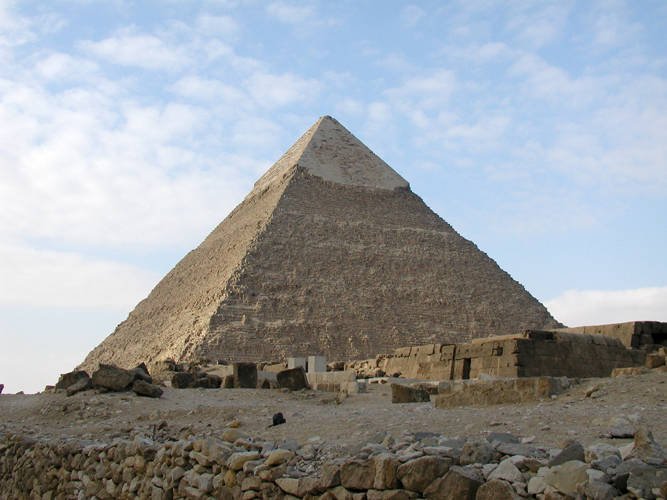
Pyramid of Khafre

Pyramid of Khafre

Al-Gawhara Palace

Al-Gawhara Palace

Gayer-Anderson Museum

Gayer-Anderson Museum

Al-Aqmar Mosque

Al-Aqmar Mosque

Al-Nasir Muhammad Mosque

Al-Nasir Muhammad Mosque

Mohamed Mahmoud Khalil Museum

Mohamed Mahmoud Khalil Museum

Museum of Islamic Art

Museum of Islamic Art

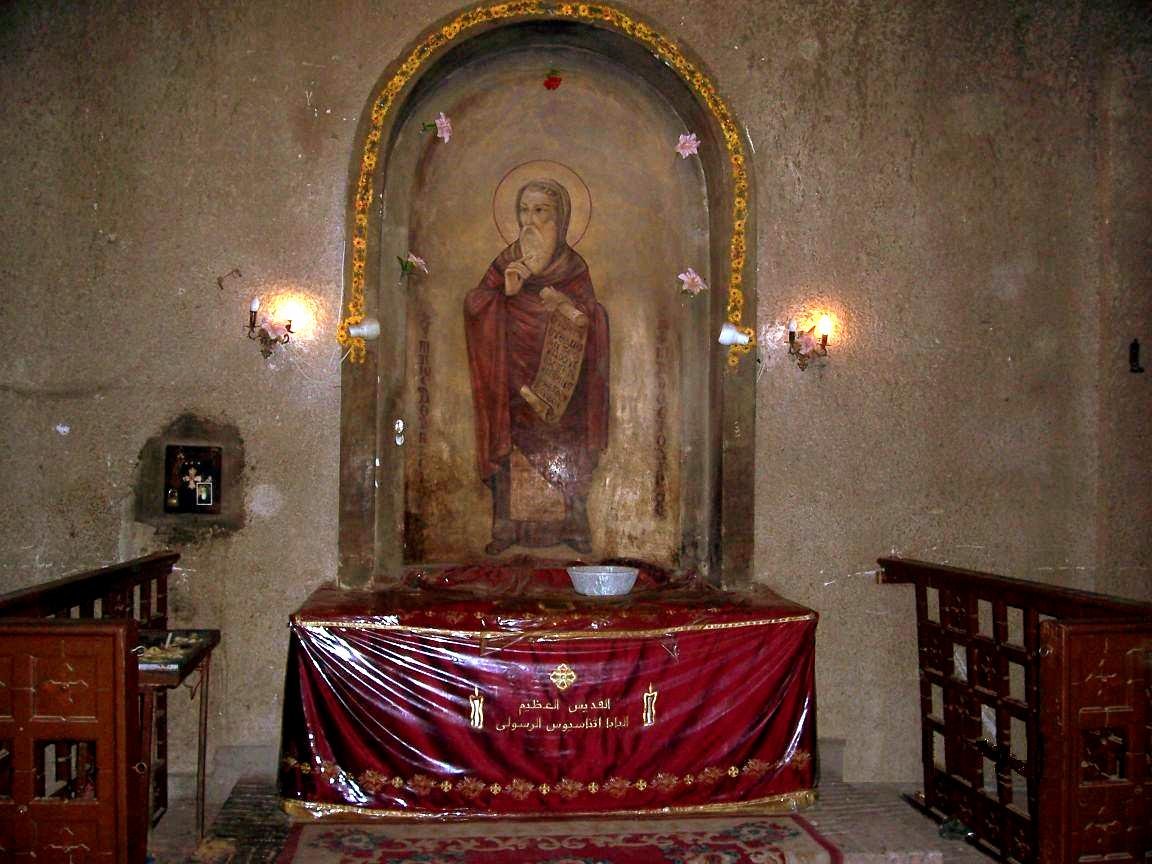
Hanging Church

Hanging Church

photo_camera

Museum of Islamic Ceramics

photo_camera

Agricultural Museum

Mosque-Madrassa of Sultan Hassan

Mosque-Madrassa of Sultan Hassan

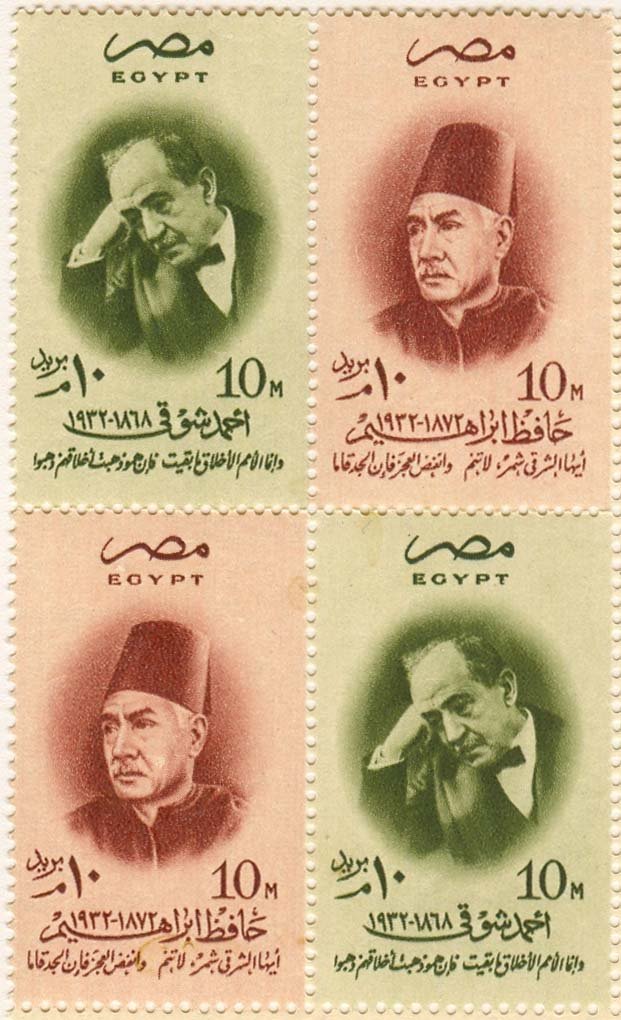
Ahmed Shawki Museum

Ahmed Shawki Museum

Beshtak Palace

Beshtak Palace

Qasr Al-Nil Bridge

Qasr Al-Nil Bridge

Sayeda Aisha Mosque

Sayeda Aisha Mosque

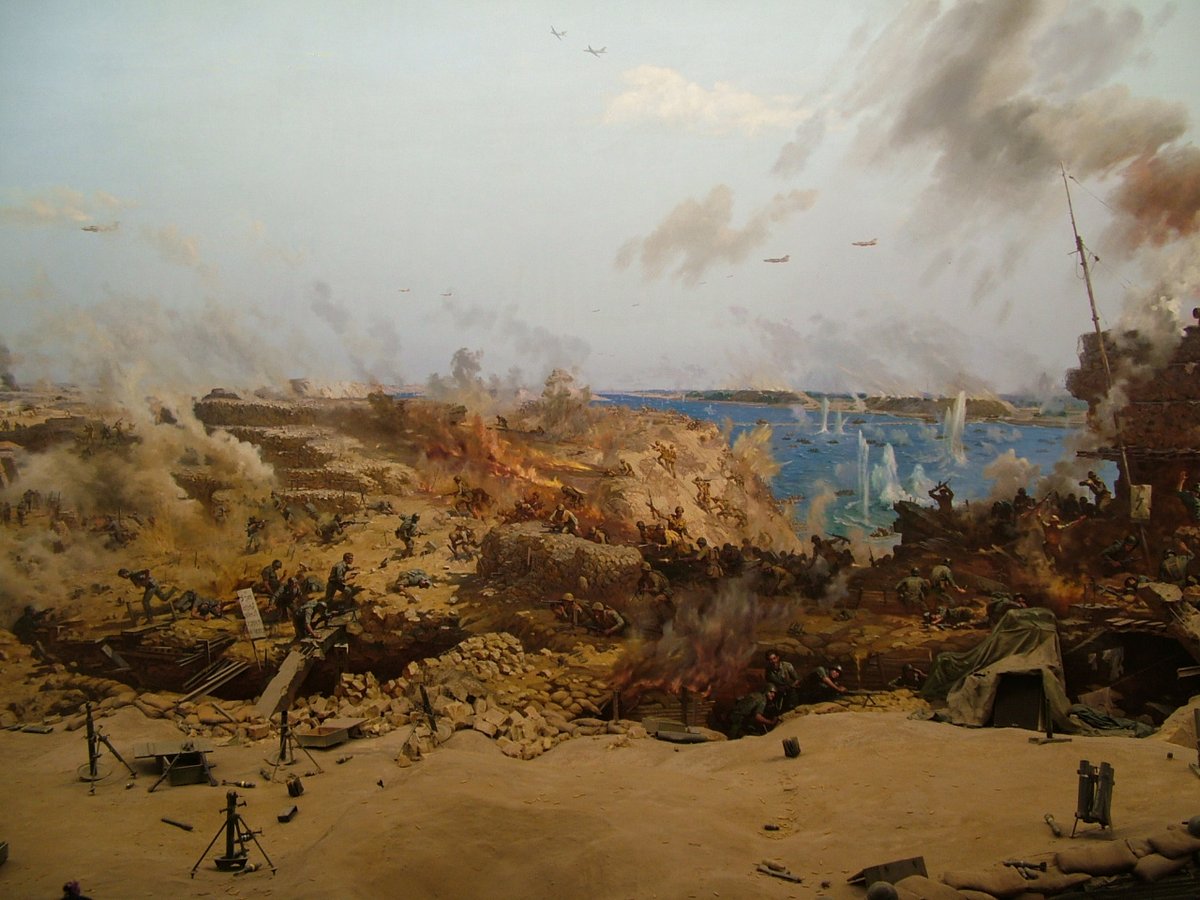
6Th of October Panorama

6Th of October Panorama

6Th October Bridge

6Th October Bridge

photo_camera

Egyptian Railway Museum

photo_camera

National Police Museum

Mostafa Kamel Museum

Mostafa Kamel Museum

photo_camera

Mosque-Sabil of Sulayman Agha Al-Silahdar

photo_camera

Mahmud Al-Kurdi Mosque

photo_camera

Amir Qijmas Al-Ishaqi Mosque

photo_camera

Gamal Eddin Youssef Istadar Mosque

photo_camera

Mukhtar Museum

photo_camera

Umm Kulthum Museum

photo_camera

Mosque and Khanqah of Shaykhu

photo_camera

Egyptian Postal Museum

Mosque of Al-Mahmudiya

Mosque of Al-Mahmudiya

photo_camera

Mosque of Taghribirdi

photo_camera

Mosque of Sayyida Sukayna

Bayt Al-Razzaz Palace

Bayt Al-Razzaz Palace

photo_camera

Sakakini Palace

Mosque of Ulmas Al-Hajib

Mosque of Ulmas Al-Hajib

photo_camera

Ramses Square

photo_camera

Tahra Palace

Gamal Abdel Nasser Mosque

Gamal Abdel Nasser Mosque

photo_camera

Gamal Abdel Nasser Museum

photo_camera

Mosque of Qanibay Al-Muhammadi

photo_camera

Al-Fath Mosque

Omar Makram Mosque

Omar Makram Mosque

Talaat Harb Square

Talaat Harb Square

Mosque of Al-Malika Safiyya

Mosque of Al-Malika Safiyya

photo_camera

Palace of Said Halim Pasha

photo_camera

Mosque of Qaytbay (Qal'At Al-Kabsh)

photo_camera

Egyptian Geographic Society Museum

photo_camera

Mosque of Aslam Al-Silahdar

Sultan Qaytbay Roda Mosque

Sultan Qaytbay Roda Mosque

photo_camera

Al-Rahman Al-Rahim Mosque

Opera Square

Opera Square

Mosque of Aitmisch Al-Bagasi

Mosque of Aitmisch Al-Bagasi

Demerdash Mosque

Demerdash Mosque

photo_camera

Nile Fountain

photo_camera

Church of the Virgin Mary

photo_camera

Ablaq Palace

Fustat

Fustat

photo_camera

Aisha Fahmy Palace

photo_camera

Annunciation Cathedral, Cairo

photo_camera

Moussa Dar'I Synagogue

Schahin Agha Mosque

Schahin Agha Mosque

photo_camera

Ahmad Katkhuda Mosque

photo_camera

Ets Hayim Synagogue

Cairo Citadel star Top Rated

Cairo Citadel

Imbaba Bridge

Imbaba Bridge

Mosque-Madrassa of Sultan Barquq

Mosque-Madrassa of Sultan Barquq

Madrassa of Al-Nasir Muhammad

Madrassa of Al-Nasir Muhammad

photo_camera

Pyramids of Queens

Gezira Center for Modern Art

Gezira Center for Modern Art

King Abdullah Sports City

King Abdullah Sports City

El Mataria

El Mataria

photo_camera

Bab Zuweila

Salihiyya Madrasa

Salihiyya Madrasa

Bab Al-Futuh

Bab Al-Futuh

Bab Al-Nasr

Bab Al-Nasr

Mausoleum of Sayyida Ruqayya

Mausoleum of Sayyida Ruqayya

Al-Mansour Qalawun Complex (Madrassa, Tomb and Hospital) star Top Rated

Al-Mansour Qalawun Complex (Madrassa, Tomb and Hospital)

Madrasa of Sarghatmish

Madrasa of Sarghatmish

Muhammad Bek Abu El Dahab Complex

Muhammad Bek Abu El Dahab Complex

Madrasa of Uljay Al-Yusufi

Madrasa of Uljay Al-Yusufi

Tomb of Salar and Sangar-Al-Gawli

Tomb of Salar and Sangar-Al-Gawli

photo_camera

Wikalet Al-Ghuri

photo_camera

Wikala of Qaytbay

Emir Qurqumas Complex

Emir Qurqumas Complex

Sabil-Kuttab of Khusraw Pasha

Sabil-Kuttab of Khusraw Pasha

photo_camera

Wikala of Bazar'A

Bab Al-Azab

Bab Al-Azab

Ḩadīqat Al Azbakīyah

Ḩadīqat Al Azbakīyah

photo_camera

Madrasah Al Kamiliya

Showing 100 of 110