Early Beginnings (1841–1861)
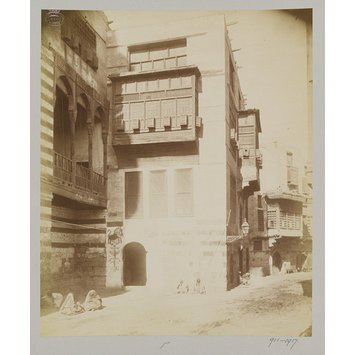
Established in 1841 by Samuel Shepheard and originally named the "Hotel des Anglais," the Shepheard Hotel was situated in the bustling al-Tawfikya district. Shepheard's connections with Egyptian rulers, especially Khedive Abbas, secured the hotel a prime Esbekieh Square location. It quickly became a gathering place for diplomats, officers, and wealthy travelers as Egypt opened to international trade and tourism.
Architectural Evolution (1861–1891)
After Samuel Shepheard sold the hotel in 1861, significant renovations followed, particularly after a fire in 1869. Under Bavarian hotelier Philip Zech, and with the designs of German architect Johann Adam Rennebaum, the hotel was reborn in 1891 with distinctive Victorian, Orientalist, and ancient Egyptian influences. Additions such as the Arab Hall (1898) and lush gardens further enhanced its international prestige.
Social and Political Influence
Far more than a hotel, Shepheard’s was a diplomatic and social epicenter. It welcomed statesmen like Winston Churchill and T.E. Lawrence, and played host to military headquarters during both World Wars. The legendary “Long Bar” and terraces were central to Cairo’s elite and expatriate life, especially during the British occupation and through the first half of the 20th century. (The Guardian)
Cultural and Literary Legacy
The Shepheard Hotel was immortalized in novels and travelogues by Agatha Christie, E.M. Forster, Evelyn Waugh, and Elizabeth Peters. Its blend of intrigue and glamour made it a frequent setting for stories of espionage, adventure, and romance. (Egypt Independent)
Decline and Destruction
By the late 1940s, the hotel’s grandeur faded, culminating in its destruction during the 1952 Cairo Fire—a defining moment in Egypt’s modern history that saw much of downtown Cairo razed.
Modern Shepheard Hotel and Restoration
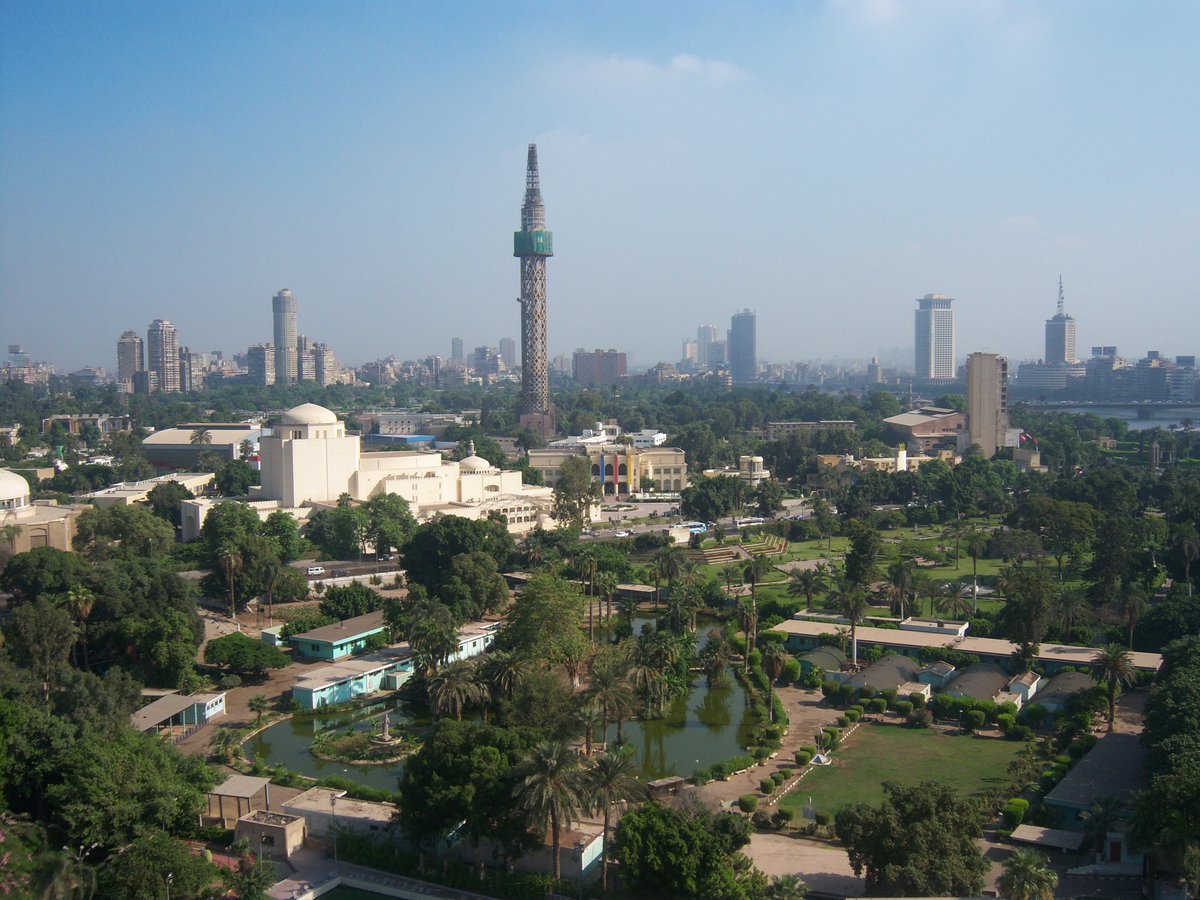
Rebuilt in 1957 in the Garden City district, the hotel’s modernist structure retained echoes of its past. After several decades of operation and a closure in 2014, the Shepheard is now undergoing a $90 million restoration led by the Mandarin Oriental Hotel Group and Paris-based designer Sybille de Margerie. The project aims to blend historic grandeur with contemporary luxury, ensuring the Shepheard reclaims its place as a cultural and diplomatic hub. (Arab News, TopHotel News)
Visiting Shepheard Hotel: Practical Information
Visiting Hours
- For Hotel Guests The hotel operates 24/7.
- For Visitors Public areas (lobby, restaurants, bars) are typically open 10:00 AM to 10:00 PM. Access may vary during restoration phases—check the official website for current details.
Tickets and Entry
- General Access No ticket is required to enter public spaces such as the lobby or bars.
- Guided Tours Special historical tours or event access may require advance booking and a fee. Inquire with the concierge or official website for details.
Accessibility
The hotel is designed for full accessibility, including ramps, elevators, and specially equipped rooms. Visitors with specific needs should contact the hotel in advance to ensure all accommodations are available.
Guided Tours and Events
The Shepheard Hotel periodically hosts historical tours, art exhibitions, and themed evenings celebrating its rich legacy. Information on upcoming events and tours is available on the hotel’s website or via the concierge desk. (Luxury Travel Advisor)
Top Photo Spots
- Lobby and “Long Bar” Capture restored interiors and historic memorabilia.
- Rooftop Restaurant Offers panoramic Nile and city views.
- Nearby Esbekieh Gardens and Downtown Ideal for architectural and street photography.
Nearby Attractions
The Shepheard Hotel’s central location in Garden City makes it a perfect base for exploring:
- Egyptian Museum Home to treasures of Tutankhamun and ancient Egypt (9:00 AM–5:00 PM).
- Khan El Khalili Bazaar A vibrant market for crafts and spices.
- Cairo Citadel Medieval fortification with panoramic views.
- Tahrir Square Historic focal point of modern Egyptian politics.
- Al-Azhar Mosque and Park Landmark of Islamic architecture and culture.
Frequently Asked Questions (FAQ)
Q: What are the Shepheard Hotel’s visiting hours?
A: Public areas are open 10:00 AM–10:00 PM. Hotel guests have 24/7 access.
Q: Do I need tickets to visit the Shepheard Hotel?
A: No ticket is needed for public spaces; guided tours may require booking and a fee.
Q: Is Shepheard Hotel accessible for people with disabilities?
A: Yes, accessibility features include ramps, elevators, and accessible rooms.
Q: Are guided tours available?
A: Yes, historical tours and cultural events are available by appointment.
Q: What other attractions are nearby?
A: Egyptian Museum, Khan El Khalili, Tahrir Square, Cairo Citadel, and Al-Azhar Mosque.
Q: How can I book a stay or guided tour?
A: Reservations are available via the official website or authorized travel agencies. (Shepheard Hotel booking)