What the Tatra T3R.P tram is in Plzeň
Plzeň, in the heart of the Czech Republic, is known for its historical charm, vibrant culture, and innovative spirit. The Tatra T3R.P is part of the city’s public transport heritage and reflects the engineering legacy of the Tatra T3 series, one of Central and Eastern Europe’s most iconic tram models since 1960. Its long service and continual modernization have made it part of Plzeň’s urban landscape (Trams Fandom Wiki; cs.wikipedia.org/wiki/Tatra_T3R.P).
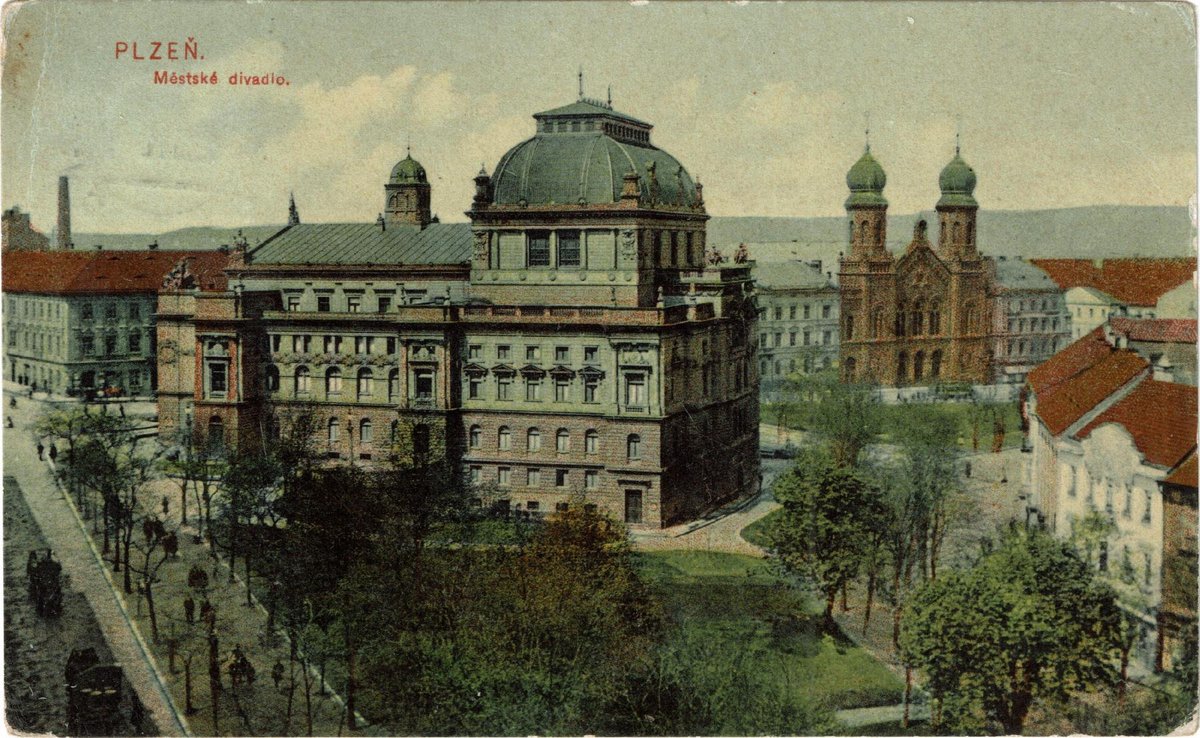
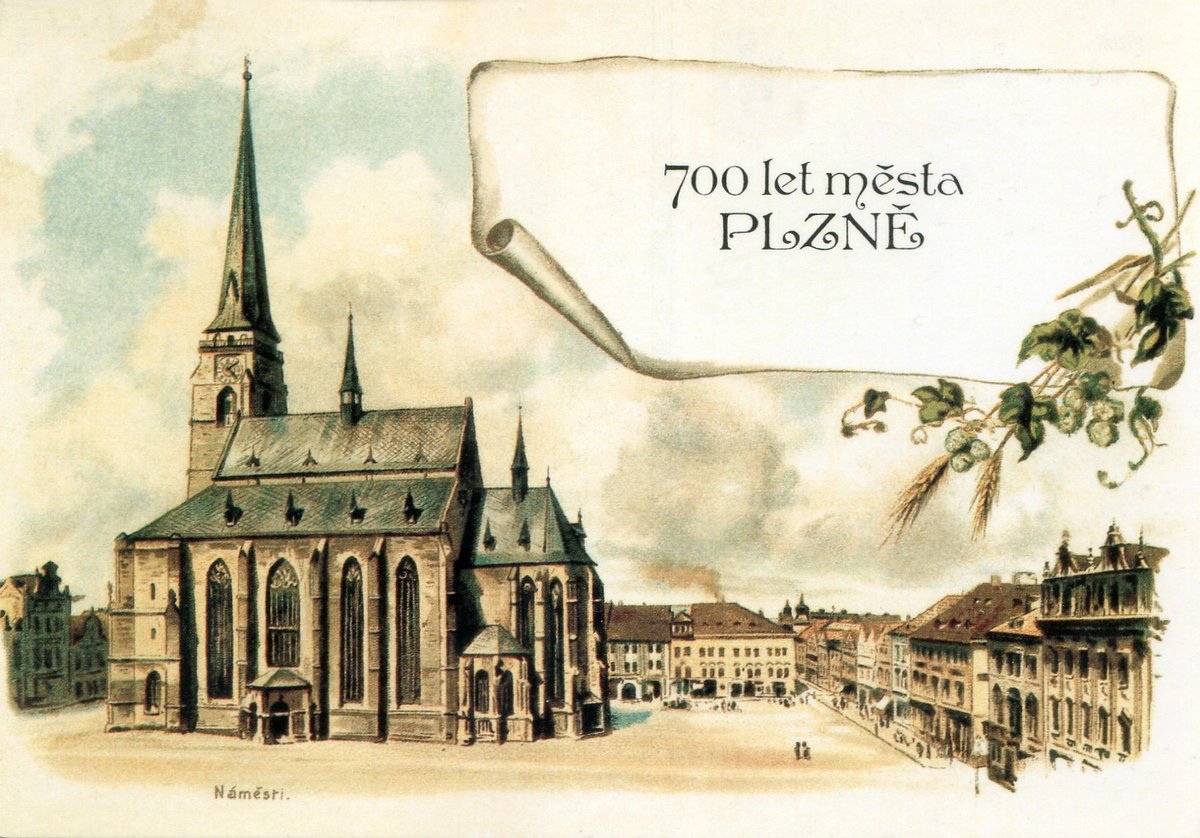
For visitors, a ride offers a way to experience Plzeň’s industrial and cultural history. Tram routes connect city districts and provide access to landmarks such as St. Bartholomew’s Cathedral and the Great Synagogue (plzenguide.com; synagogue-plzen.cz).
History
ČKD Tatra produced the Tatra T3 in Prague from 1960 until 1989. It became the world’s most widely manufactured tram, with nearly 14,000 units and over 120 sidecars delivered to cities across Central and Eastern Europe and the former Soviet Union (Trams Fandom Wiki). Designed as a lighter, more cost-effective successor to the T2, it used thinner walls and laminated seats to reduce weight and simplify manufacturing. Its robust, reliable, adaptable design helped establish it in tram fleets from Prague to Moscow. Its widespread use also meant maintenance expertise was common, contributing to its longevity.
By the late 20th century, the original T3 trams were aging, while new vehicles were expensive. The resulting modernization program produced the T3R.P: “R” stands for “rekonstrukce” (reconstruction), and “P” for “plzeňská” (of Plzeň), referring to the city’s upgrade project (Transphoto Article).
The collapse of ČKD in the 1990s opened the market for modernization, with companies including Alstom/Cegelec introducing new electrical systems. Hundreds of T3 trams were modernized to T3R.P standard between 1999 and 2014, extending their operational life in Plzeň by at least 15 years (cs.wikipedia.org/wiki/Tatra_T3R.P; tram-bus.cz).
The upgrades included new electrical systems and refurbished interiors; some units also gained low-floor sections. Tram 262, originally a 1988 T3SUCS, was modernized as a T3R.P in 2002 (Flickr Photo).
What to see
Technical features and upgrades
T3R.P trams use TV Progress equipment with IGBT transistors, improving reliability and energy efficiency while reducing maintenance (cs.wikipedia.org/wiki/Tatra_T3R.P; tram-bus.cz). Interior updates include side-mounted upholstered seating, anti-slip flooring, improved lighting, and modern passenger information systems, including LED panels and digital displays. Exteriors and liveries were also refreshed. In cases of excessive body wear, new shells were constructed, producing the T3R.PV variant.
Notable trams and events
- Tram 262 Originally a 1988 T3SUCS, modernized in 2002 (Flickr Photo).
- Tram 265 Featured during farewell events in 2025 (Transphoto Article).
- Tram 329 Began as a 1984 T3SUCS, was later modernized, and was partially rebuilt as a T3R.PLF (Flickr Photo).
In June 2025, Plzeň held farewell rides for the K3R-NT and T3R.P types. Special routes passed city landmarks, drawing locals and visitors to celebrate the trams’ legacy (Transphoto Article). Farewell rides and other special events continue to attract people interested in the city’s transport history (transphoto.org).
T3R.P trams have served as a backbone of Plzeň’s tram network for decades, connecting areas including Sady Pětatřicátníků, Křižíkovy sady, Gerská, Klatovská, and Náměstí Republiky (Transphoto Article). They have traditionally served all three main tram lines (plzenguide.com). They are gradually being phased out in favour of new low-floor models, although some units are preserved for heritage rides and special events. Their continued presence reflects Plzeň’s industrial past and commitment to sustainable transport (Trams Fandom Wiki).
Practical visiting information
Tram hours and tickets
Plzeň’s tram network operates daily from around 5 am to midnight. T3R.P trams can appear on regular lines and at special events, though they are also described as appearing mainly during special runs and events (en.wikipedia.org/wiki/Trams_in_Plzeň).
Tickets are available from ticket machines, mobile apps, drivers, kiosks, and contactless machines inside trams. Onboard tickets may cost more. A 30-minute ticket costs about 20 CZK; a 60-minute transfer ticket also costs about 20 CZK. Single-ride tickets and day passes are available. Validate tickets upon boarding to avoid fines.
For heritage rides and schedules, check the PMDP or city tourism website. Night buses run after tram service ends.
Accessibility
Some T3R.P trams have low-floor sections, but they are not fully low-floor. Newer trams offer better accessibility; for guaranteed accessibility, use a newer tram or check PMDP for details about heritage rides (PMDP official site).
Tips
- Ticketing and signage often offer English.
- Download tram network maps or pick up guides at tourist centres.
- Historic areas along scenic routes offer photography opportunities.
- Prefer newer trams for the best accessibility.
- Check PMDP or the city tourism website for heritage-ride schedules.
- The Audiala app is suggested for guidance and transport updates.
Nearby places
St. Bartholomew’s Cathedral
Located on Republic Square, St. Bartholomew’s Cathedral dates to the 13th century. It has Gothic architecture, stained glass, panoramic views, and the tallest church tower in the Czech Republic, at 102.6 meters.
Visiting hours and tickets:
- April–October: 9:00 AM–6:00 PM
- November–March: 10:00 AM–4:00 PM
- Adults: 100 CZK
- Students and seniors: 70 CZK
- Children under 6: free
- Family and group rates are available.
Tickets can be purchased at the entrance or online. Guided tours are available in English and German. Tram Lines 1 and 2 stop at Náměstí Republiky, close to the cathedral. Tickets are valid across trams, buses, and trolleybuses.
Spring and early fall are suggested for pleasant weather. The cathedral tower is a popular photography spot. Accessibility features are available; check ahead for special needs.
The Great Synagogue
Built between 1888 and 1893, the Great Synagogue is the second-largest in Europe and the third-largest in the world. Its architectural styles include Moorish, Byzantine, and Romanesque (synagogue-plzen.cz).
- Hours 9:00 AM–5:00 PM daily; check for holiday exceptions.
- Tickets Adults about 100 CZK; discounts are available for students, seniors, and families. Guided tours are available.
- Accessibility Wheelchair-accessible, with ramps and an elevator.
- Getting there Tram Lines 1, 2, and 4 stop near Republic Square, a short walk from the synagogue.
- Highlights Ornate interiors and stained glass windows; the synagogue hosts concerts and cultural events. Photography is allowed without flash.
Frequently Asked Questions (FAQ)
Can tourists ride T3R.P trams?
Yes. They appear on regular lines and during special events, including heritage rides and special runs.
Where can I buy tickets?
Tickets are available onboard, from ticket machines, at kiosks, from drivers, and via mobile app.
Are T3R.P trams accessible?
Some have low-floor sections; newer trams offer better accessibility.
Are there guided tours involving T3R.P trams?
Special events sometimes feature guided heritage rides.
What are the nearest tram stops to the main attractions?
Náměstí Republiky serves both St. Bartholomew’s Cathedral and the Great Synagogue.