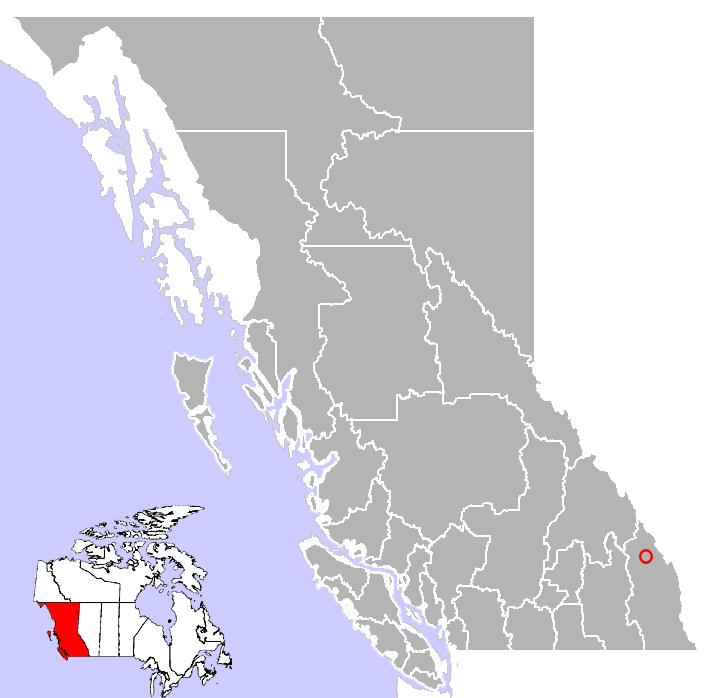
What Kootenay National Park and Radium Hot Springs are
Kootenay National Park and Radium Hot Springs are in British Columbia’s Columbia Valley. The park combines canyons, mountain peaks, wildlife habitats and mineral-rich hot springs. It is part of the Canadian Rocky Mountain Parks UNESCO World Heritage Site.
The Ktunaxa and Secwépemc Nations have deep cultural and spiritual connections to the land. The Village of Radium Hot Springs serves as the park’s southern gateway, with local amenities, dining and accommodations.
History and cultural significance
Indigenous heritage
For over 10,000 years, the Ktunaxa and Secwépemc Nations have maintained a close relationship with this land. The hot springs have been used for healing and ceremonies and remain integral to Indigenous identity and wellness. The Columbia Valley’s resources and travel routes were important to Indigenous livelihoods and culture. The tradition of using the mineral waters continues today (Newswire, Kootenay Rockies).
Exploration and park development
European exploration began in the early 19th century, with notable figures including David Thompson and James Sinclair. The springs have attracted visitors since the 19th century. Their discovery and development in the late 1800s led to visitor facilities and the Banff-Windermere Highway. The highway opened in 1923, and Kootenay National Park was established in 1920.
The Aquacourt and the springs today
The original 1920s bathhouse was destroyed by fire. The Aquacourt bathhouse opened in 1951 and is a designated heritage building, known for its modernist design. It has been renovated and upgraded for accessibility and flood resilience (Newswire, National Parks Traveler).
Radium Hot Springs hosts over 200,000 visitors annually. Events have included cultural festivals and the 2010 Winter Olympics torch relay (Newswire, National Parks Traveler).
Geology and conservation
Geothermal activity brings spring water to the surface at 44°C (111°F); it is cooled for soaking. The area features red cliffs, canyons and tufa rock formations (The Canadian Rockies, The Tourist Checklist).
The park protects diverse habitats and supports mountain goats, elk, bears and over 190 bird species. Bighorn sheep, elk and migratory birds are also seen in the area. Conservation work includes ecological research, sustainable tourism and upgrades intended to support flood resilience and ecological protection.
What to see and do
Attractions and trails
- Radium Hot Springs Pools Enjoy hot and cool pools and accessible facilities. See the Radium Hot Springs official site.
- Sinclair Canyon See the red cliffs and scenic viewpoints.
- Paint Pots Visit the ochre beds by trail; the trail is accessible and suitable for families.
- Marble Canyon Walk beside a limestone gorge crossed by bridges. The trail is suitable for families.
- Stanley Glacier Take a moderate hike with fossil viewing.
- Olive Lake Visit the picnic spot, which has interpretive signage and an accessible trail.
- Lower Bugaboo Falls A photographic spot in the park.
Activities
Highway 93 offers scenic drives and panoramic mountain views. Hiking options include Paint Pots, Marble Canyon, Stanley Glacier and the Kindersley-Sinclair Loop. Other activities include wildlife viewing, photography, guided tours, interpretive trails, camping, fishing and soaking in the springs.
Redstreak Campground is popular. Fishing requires a permit. Winter activities include snowshoeing, cross-country skiing and ice climbing. Wildlife viewing is best at dawn and dusk.
The park’s visitor centres offer maps, trail updates and educational exhibits. Accessible trails and picnic areas provide options for visitors of different ages and abilities.
Practical visiting information
Getting there and park entry
Kootenay National Park is accessed via Highway 93 South (the Banff-Windermere Highway), which connects to the Trans-Canada Highway. Radium Hot Springs is accessible via Highway 93/95.
A valid park pass is required for entry. Daily admission is $10.50 CAD per adult; youth under 17 are free. The Discovery Pass offers unlimited annual access.
Hours and hot springs tickets
Kootenay National Park is open year-round. Visitor centres typically operate from 9:00 AM to 5:00 PM in summer, with reduced hours in other seasons.
Radium Hot Springs Pools operate year-round. One reported schedule is daily, usually 10:00 AM–10:00 PM; another lists summer hours as 9 a.m.–11 p.m. and winter hours as noon–9 p.m. Hours may change seasonally (The Canadian Rockies).
Pool entry requires a ticket, available online or at the entrance. Adult entry is $8.00–$9.00 CAD. Prices vary by age and residency, with discounts for children, seniors, Canadian residents and Parks Canada pass holders. Advance purchase is recommended during peak times.
Accessibility and visitor centres
Kootenay National Park and Radium Hot Springs provide accessible facilities, including wheelchair ramps, accessible washrooms and designated parking. The Aquacourt has elevators, ramps and handrails, as well as amenities and rentals supporting visitors with mobility challenges (Ordinary Adventures). Radium Hot Springs pools and visitor centres are described as fully accessible. Accessible trails include Olive Lake and Paint Pots; contact visitor centres for detailed accessibility information.
- Kootenay National Park Visitor Information Centre 7556 Main Street East, Radium Hot Springs. Open seasonally. Contact [email protected] or visit the official website.
- Radium Hot Springs Visitor Information Centre Provides information about local accommodation, dining and activities (Radium Hot Springs Tourism).
Reservations, services and safety
Camping reservations open each January through the Parks Canada Reservation Service. Seasonal guided hikes, cultural events and interpretive programs are available. Check the Parks Canada events calendar.
Radium Hot Springs village has restaurants, groceries and gear shops. Invermere, 15 km south, has additional services. Dial 911 for emergencies; the nearest hospital is in Invermere.
Wi-Fi is limited. Pets are welcome in some areas but must be leashed and are restricted in certain zones. Drones require permits. Use designated fire pits and observe fire bans.
For current hours, ticketing, events and tours, consult Parks Canada and Radium Hot Springs. The Audiala app offers interactive maps, guided tours and travel tips.
Tips
- Late June to September offers the best weather and trail access; June–September is also the recommended period for full access.
- Winter is suitable for snowshoeing and wildlife spotting.
- Mountain weather varies, so pack layers and rain gear. Sturdy shoes, swimwear, sunscreen and bear spray are also listed as useful items.
- Keep food secured, leash pets and observe wildlife safely.
- Stay on marked trails and carry maps.
- Book accommodations and campsites early.
- Follow Leave No Trace, respect park rules and use designated fire pits.
Nearby places
The Village of Radium Hot Springs is the southern gateway to the park, with local shops, events, dining, accommodations and other amenities. The park is near Banff, Jasper and Yoho National Parks, making it a base for exploring the UNESCO-listed Canadian Rockies.
Radium Hot Springs is 258 km west of Calgary and 130 km north of Cranbrook. Invermere is 15 km south.
Frequently Asked Questions
Do I need tickets to visit Kootenay National Park?
A valid park pass is required for entry. Entry to Radium Hot Springs Pools is ticketed.
Are pets allowed?
Pets are welcome in some areas but must be leashed and are restricted in certain zones.
Is Wi-Fi available?
Wi-Fi is limited.
What are family-friendly trails?
Marble Canyon and Paint Pots trails are suitable for families.