Phnom Penh
location_on 14 attractions
calendar_month Nov–Feb (cool & dry)
schedule 3 days

Introduction

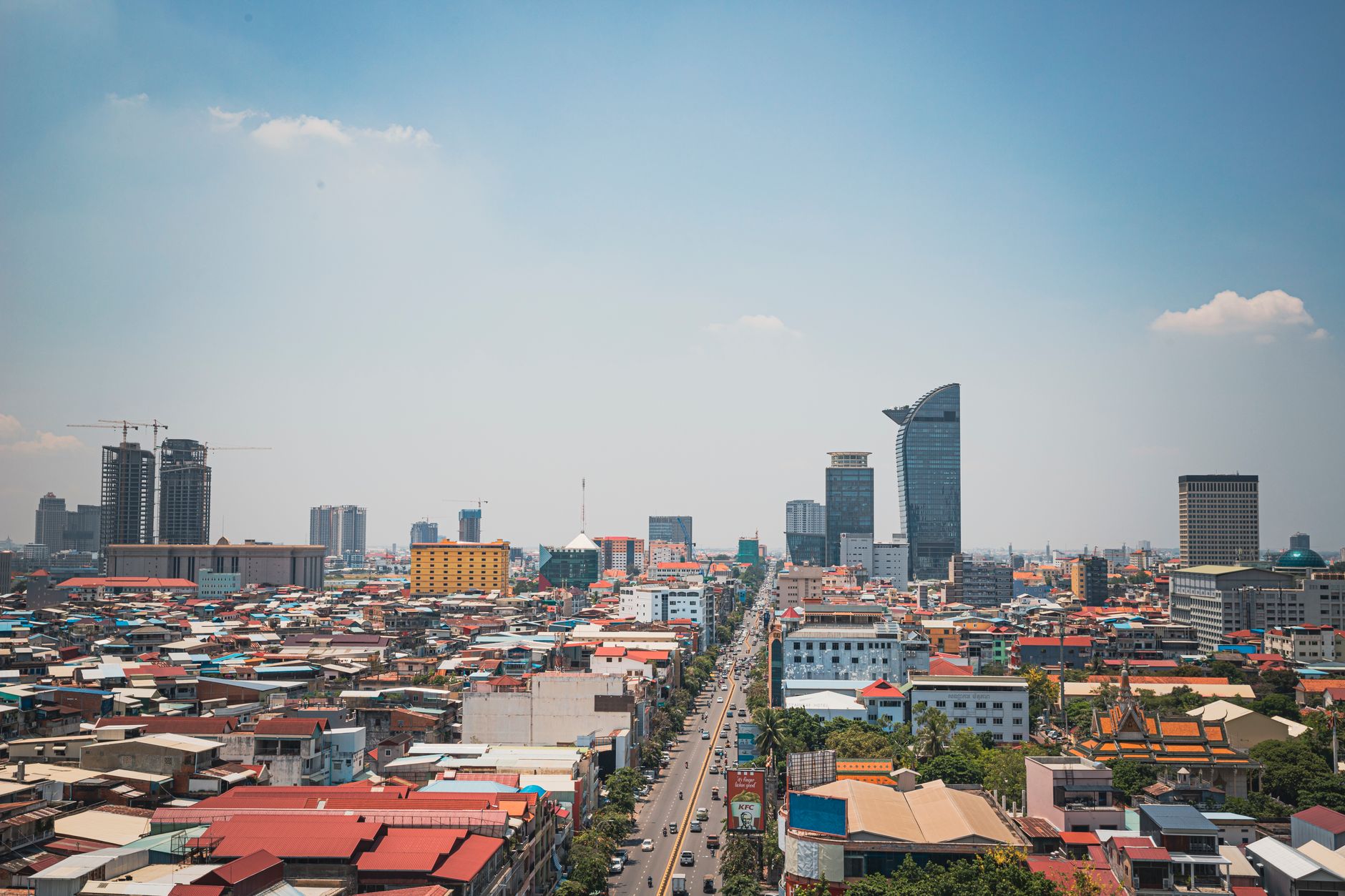
The first thing that hits you in Phnom Penh is the smell of fish sauce and diesel at 6 a.m., while a monk in saffron cloth glides past a Tesla showroom. Cambodia’s capital doesn’t ease you in—it drops you at the confluence of the Mekong and Tonle Sap rivers and lets the contradictions argue among themselves.

One block can span French-colonial shutters, a 1960s New Khmer modernist ministry, and a glass condo pitched to Chinese investors. The city’s soundtrack is tuk-tuk drivers humming Khmer remixes of K-pop, interrupted by the occasional crack of an AK-47 at a military shooting range on the city’s edge. You’ll learn to read the traffic: motos swerve around roasted-banana carts, and every fourth vehicle carries a live chicken.

What keeps you here is the refusal to choose between beauty and horror. You can breakfast on kuy teav noodles while looking across the river to Silk Island’s wooden houses on stilts, then spend the afternoon cataloguing skulls at Choeung Ek. By dusk, Bassac Lane’s bartenders are fat-washing bourbon with pork fat and star anise; by midnight, the riverside smells of frangipani and grilled squid, and someone is always selling lottery tickets under a red fluorescent halo.

Places to Visit

The Most Interesting Places in Phnom Penh

Royal Palace

Royal Palace

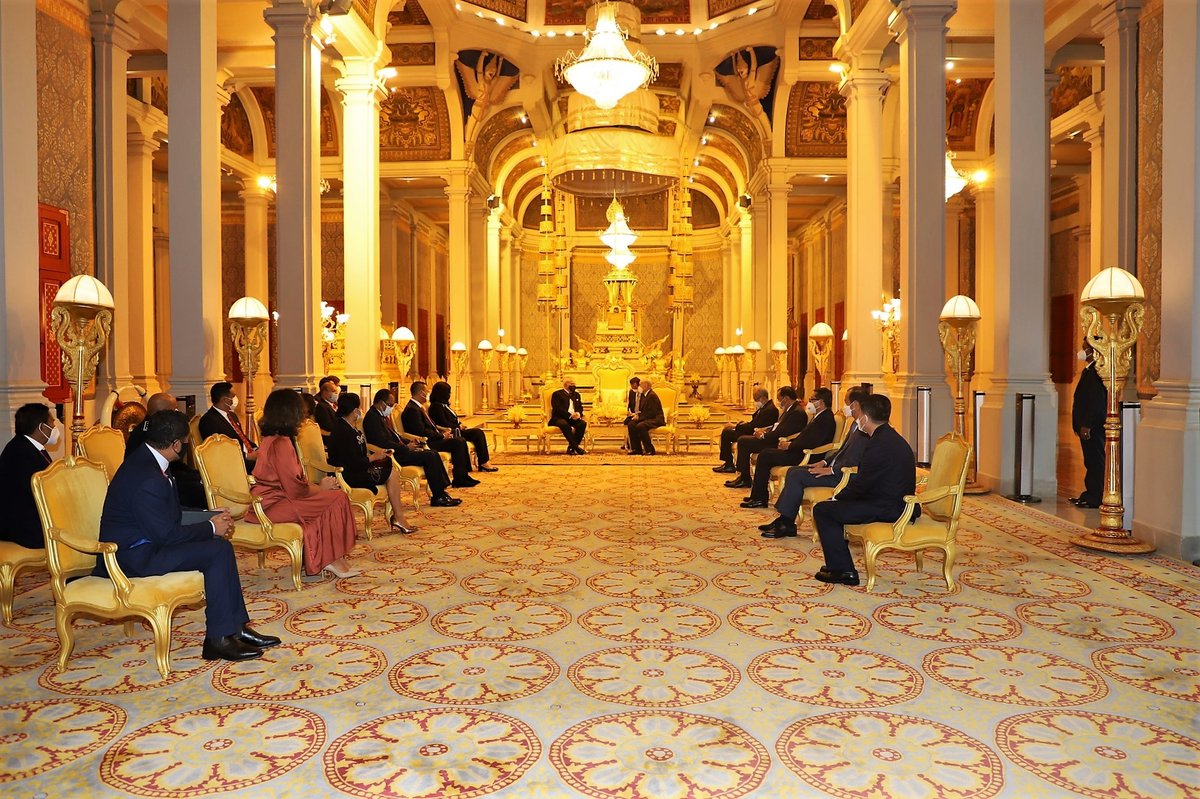
The Royal Palace Phnom Penh stands as a majestic emblem of Cambodia’s royal heritage, cultural identity, and architectural splendor.

landscape

Chroy Changva Bridge

The Chroy Changva Bridge, also known as the Cambodia-Japan Friendship Bridge, stands as a compelling symbol of Phnom Penh’s historical resilience, cultural…

National Museum of Cambodia

National Museum of Cambodia

Nestled in the vibrant heart of Phnom Penh, the National Museum of Cambodia stands as a paramount cultural landmark, inviting visitors to embark on an…

landscape

Independence Monument, Phnom Penh

The Independence Monument in Phnom Penh stands as a profound emblem of Cambodia’s resilient journey toward sovereignty and cultural renaissance.

Silver Pagoda, Phnom Penh

Silver Pagoda, Phnom Penh

Nestled within the heart of Phnom Penh’s Royal Palace complex, the Silver Pagoda, officially known as Wat Preah Keo Morakot or Wat Ubaosoth Ratanaram, stands…

Monivong Bridge

Monivong Bridge

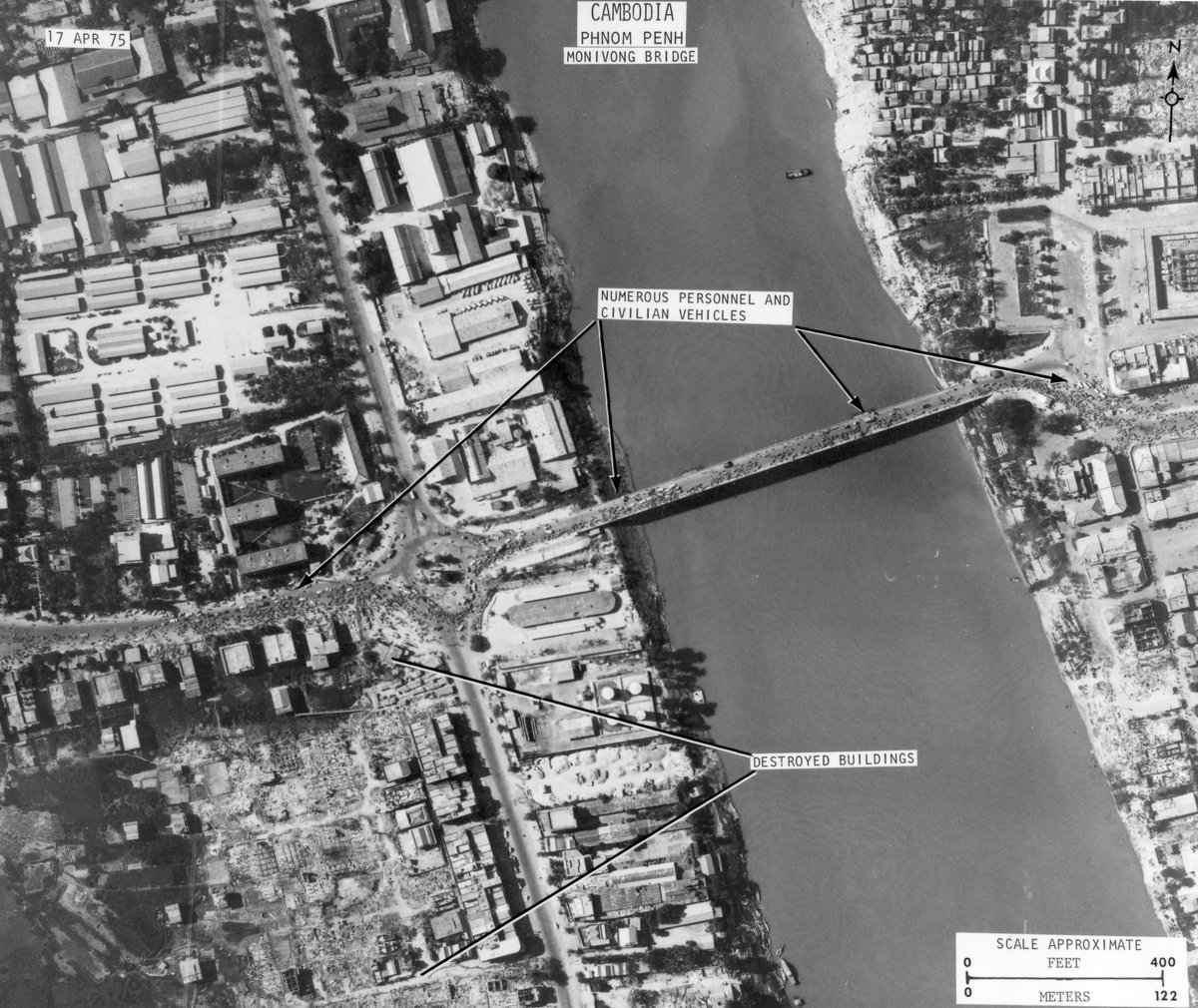
Monivong Bridge, spanning the Bassac River in Phnom Penh, Cambodia, stands as a vital urban landmark that seamlessly blends historical significance with…

landscape

Tuol Sleng Torture Center

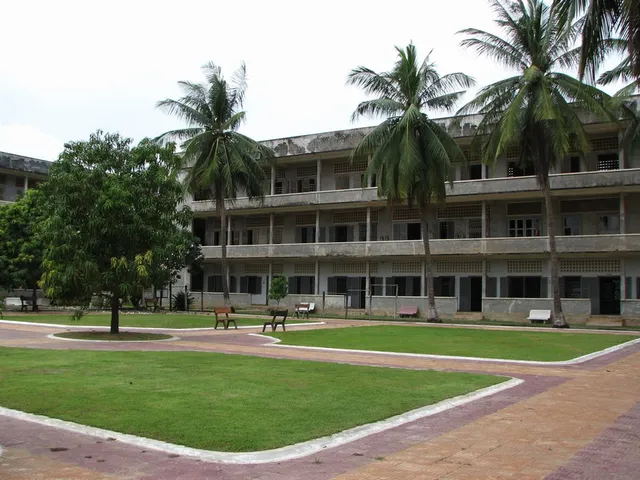
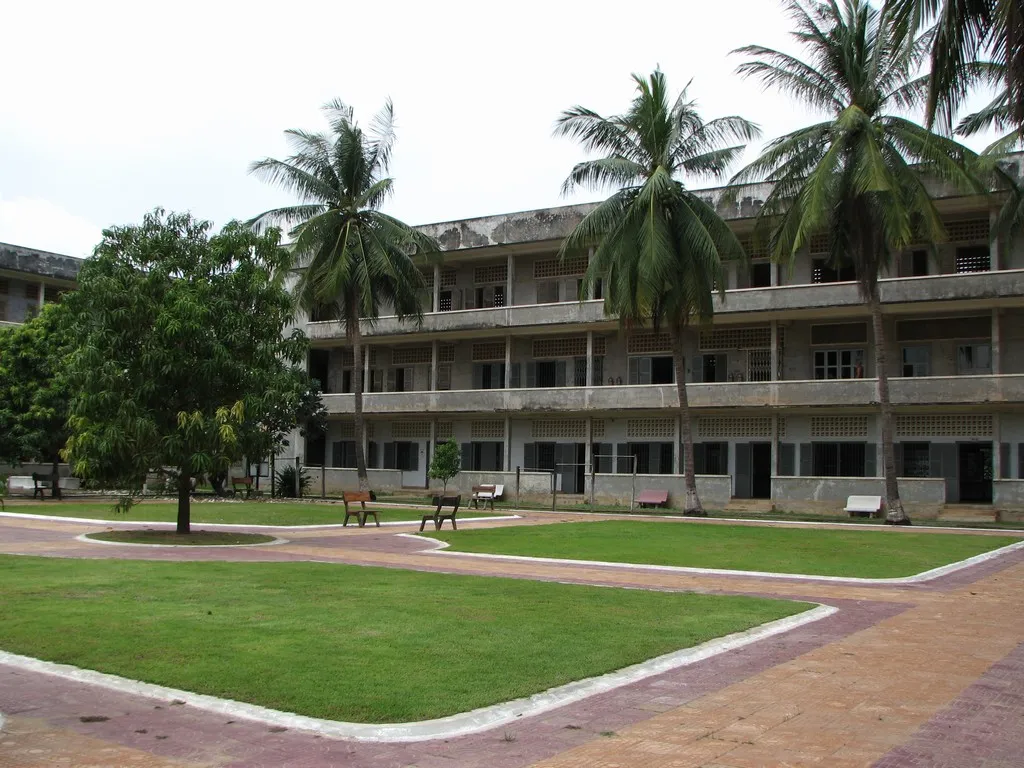
Tuol Sleng Genocide Museum, also known as Security Prison 21 (S-21), stands as one of Phnom Penh’s most poignant historical landmarks and a vital testament to…

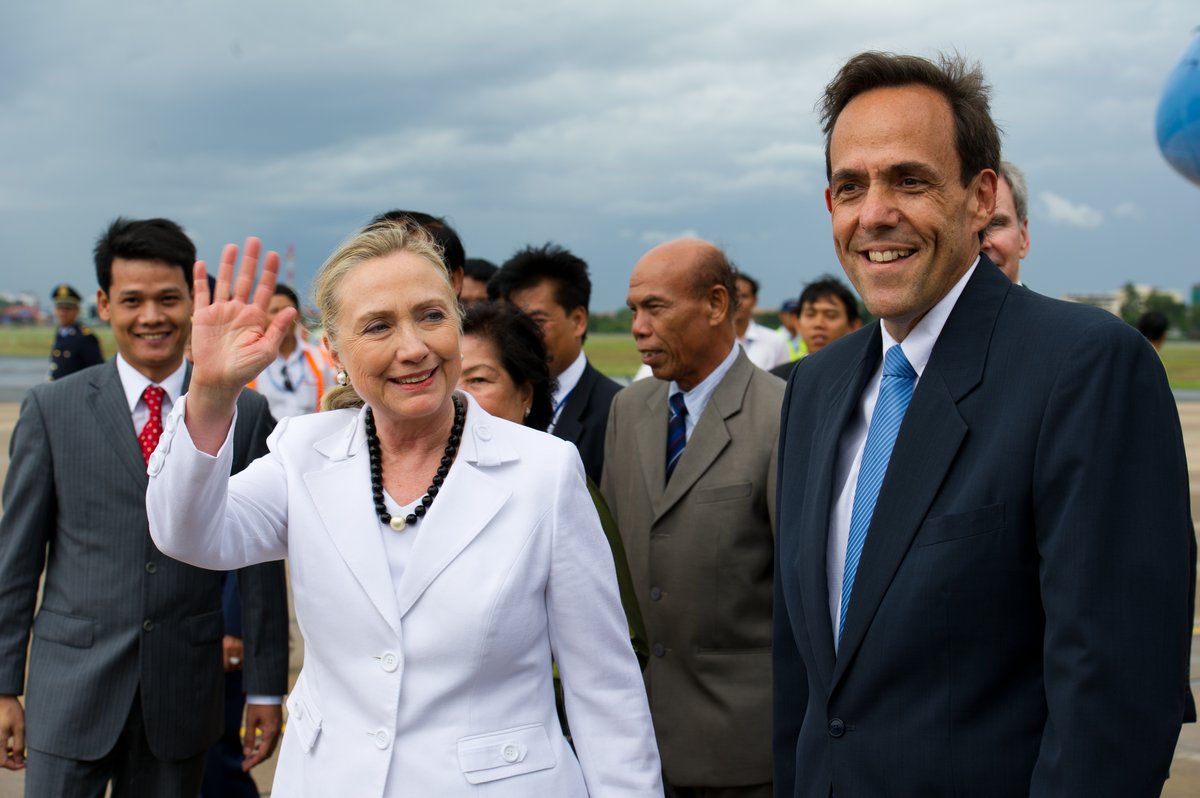
Phnom Penh International Airport

Phnom Penh International Airport

Phnom Penh International Airport stands as Cambodia’s primary aviation gateway, offering a unique blend of historical significance and modern travel…

landscape

Olympic Stadium

The Phnom Penh Olympic Stadium, officially known as the National Sports Complex, stands as one of Cambodia’s most significant and iconic landmarks, blending…

landscape

Wat Phnom

Wat Phnom stands as one of Phnom Penh’s most emblematic landmarks, offering visitors a unique window into the history, spirituality, and cultural identity of…

Central Market

Central Market

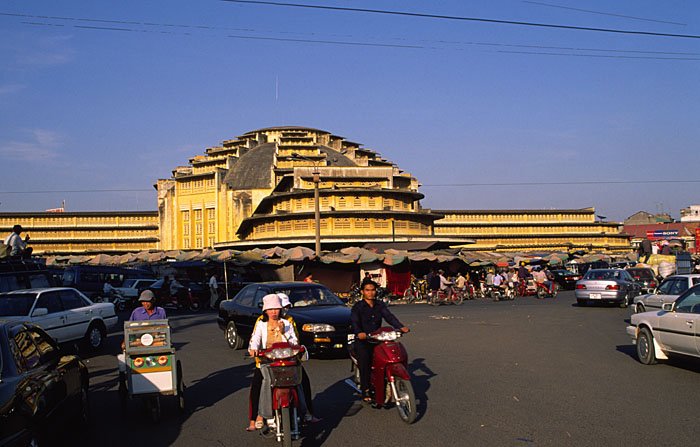
Central Market Phnom Penh, locally known as Phsar Thmey, is a vibrant emblem of Cambodia’s rich cultural heritage, architectural innovation, and bustling…

landscape

Wat Ounalom

Nestled in the heart of Phnom Penh along the scenic Sisowath Quay, Wat Ounalom stands as one of Cambodia's most iconic and historically significant Buddhist…

What Makes This City Special

Royal Palace & Silver Pagoda

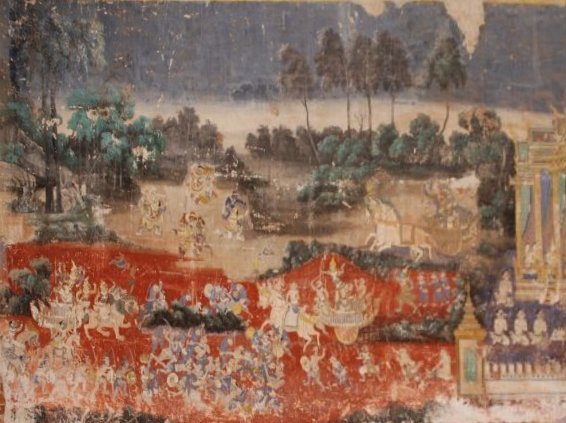
Gold-tiled roofs catch the 7 a.m. light like mirrors; inside the Silver Pagoda, 5 000 silver tiles click under your soles. The palace is still a working residence, so soldiers in white gloves motion you away from certain doors—half museum, half private fortress.

S-21 & Choeung Ek

Tuol Sleng’s former classrooms retain the exact iron beds and shackles photographed in 1979; audio guides use the survivors’ own voices. Twenty minutes south, Choeung Ek’s memorial stupa stores 8 000 skulls visible at eye level—quiet enough to hear the sugar-palm fronds rustle overhead.

Central Market’s Art-Deco Shell

Built in 1937, the domed hall is a 45 m-wide yellow disc with four arms stretched like an aeroplane. Under the central rotunda, gold dealers weigh rings on antique balance scales while moto drivers nap on their seats in the 34 °C shade.

Street 93 Murals & Bassac Lane

Graffiti crews from São Paulo to Seoul have sprayed Boeung Kak’s half-demolished blocks, turning rubble into open-air commentary. After dark, duck into Bassac Lane: a 70 m alley of shipping-container bars where bartenders infuse rum with pandan and lemongrass smoke.

Historical Timeline

Where the Mekong Learns to Remember

From riverside shrine to genocide memorial and back again

church
1372

Lady Penh Pulls Buddha from the River

A widow named Penh finds four bronze Buddhas entwined in a koki-tree trunk floating up the Mekong. She builds a hilltop shrine—Wat Phnom—that still crowns the city named after her. The spot becomes a pilgrimage magnet for fishers and traders who leave lotus blossoms and silver coins in the roots of the same banyan tree.

castle
1434

Capital Moves Downriver from Angkor

King Ponhea Yat abandons the sandstone ghost-city of Angkor and rows his court 300 km south to the confluence of the Mekong and Tonle Sap. He builds a wooden palace on the eastern bank; elephants drag stone lingas from the old capital to sanctify the new one. The move trades divine monumentality for riverine cash flow—taxes on Chinese merchant junks now fund the crown.

public
1497

Court Abandons Phnom Penh (Again)

Chronic malaria and Siamese raids persuade the court to drift back north to Pursat and Lovek. Phnom Penh shrinks to a floating village of Cham fishers and Chinese pepper traders. For three centuries the temples serve herons more than humans; monks ring bronze bells that echo across empty rice fields.

castle
1863

French Gunboat Hoists Tricolor

Commander Ernest Doudart de Lagrée anchors the gunboat Forfait off the muddy waterfront and presents King Norodom with an ultimatum: protection or annexation. The king signs. Within a year French surveyors lay out boulevards 20 m wide—wide enough for two ox-carts and a cyclone of dust. Brick villas with green shutters rise beside stilted Khmer shacks.

person
1866

Norodom Sihanouk Born in Royal Palace

A prince is born in the gilded pavilion that still hovers over the river like a wooden dragonfly. He will grow up playing tennis on French-built courts and filming amateur movies on the palace steps. By 1941 the French will crown him king, making him the pivot around which modern Phnom Penh spins.

castle
1937

Art-Deco Market Rises on Old Lake

French architect Jean Desbois drains a swamp and erects Phsar Thmei, a yellow-dome landmark shaped like a Babylonian zeppelin. 3,000 vendors move in: goldsmiths on the mezzanine, flower-girls in the basement, opium traders in the shadows. The central crossroads becomes the city’s financial pulse—dollars, piastres, and riel changing hands faster than the fans can spin.

gavel
1953

Independence Night on Norodom Blvd

At 23:30 on 9 November, the last French tricolor is lowered and the Cambodian flag—Angkor Wat on blood-red silk—snaps in the floodlights. 100,000 citizens cheer; cyclo drivers weave between tanks. Fireworks reflect in puddles left by afternoon monsoon rain. Sihanouk declares the city ‘a workshop for new Khmer dreams,’ and the 1960s architectural renaissance begins.

palette
1956

Vann Nath Paints the Riverfront

A 10-year-old future artist sells lotus-seed sweets outside the Royal Hotel to pay for pencils. Two decades later he will be the only surviving painter of Tuol Sleng prison, documenting torture chambers with the same steady hand that once sketched coconut palms. His 1978 watercolors of Phnom Penh under Pol Pot become evidence at a war-crimes court.

castle
1962

Chaktomuk Conference Hall Opens

Architect Vann Molyvann completes a brutalist fan of concrete that faces four rivers like a stone lotus. Inside, 1,000 molded seats tilt toward a stage where Sihanouk’s jazz band will play ‘April in Paris.’ The hall becomes the city’s intellectual cockpit—philosophy lectures at dusk, cinema clubs at midnight, secret political meetings at dawn.

swords
1970

Lon Nol Coup, Tanks on Monivong

At 08:30, rebel T-28 fighter-bombers strafe the palace; Sihanouk is in Moscow. General Lon Nol seizes power while radio stations loop Khmer Beatles covers. Within weeks 50,000 American GIs spill from R&R flights into bars on Street 51. The city’s neon doubles overnight; so does the price of rice.

swords
April 1975

Khmer Rouge Empty the City in 24 Hours

Red-scarved teenagers herd two million people into the countryside at gunpoint. Hospitals are cleared—patients push their own IV drips. The central market becomes a stable for cows. Silence replaces engine noise; only cicadas and the occasional burst of AK-47 fire disturb the tropical afternoon. Phnom Penh ceases to be a city and becomes a ghost collection of mildewed villas.

local_fire_department
1976

S-21 Opens in a High-School Turned Hell

The colonial-era Tuol Svay Prey High School is retrofitted into Security Prison 21: classrooms divided into 1 m × 2 m brick cells, balconies barricaded with barbed wire. Between 14,000 and 17,000 pass through; seven survive. Photographers snap mug shots under makeshift skylights—light so flat every cheekbone looks like a knife.

swords
7 January 1979

Vietnamese Tanks Liberate a Ghost Town

Rusty T-54s crash through the northern gate at dawn. They find a city of corpses and silence: dogs roaming the central post office, rice rotting in presidential urns. Only 50,000 skeletal residents creep back from the countryside. The first cinema to reopen shows Soviet cartoons to an audience of barefoot children who flinch at the sound of laughter.

person
1991

Haing Ngor Returns to Set ‘The Killing Fields’

The Oscar-winning actor—himself an S-21 escapee—rents the old French embassy to shoot scenes in the actual alley where he once hid under corpses. He hires 300 locals as extras, paying them in rice. When cameras stop, he teaches them to read scripts; many become the first generation of post-war film crew.

gavel
1993

UNTAK Elections, Purple Ink on Foreheads

22,000 UN peacekeepers turn the city into a tent city of ballot boxes. On polling day, 90 % of registered voters queue before dawn; monks in saffron robes dip fingers in indelible ink beside former Khmer Rouge cadres. The riverfront reopens its first ice-cream parlor; couples share cones under neon that finally spells ‘Coca-Cola’ instead of ‘Angkar.’

factory
2004

First Shopping Mall Shadows Wat Phnom

The 11-storey Sovanna Center sprouts parking decks where execution trucks once idled. Teenagers ride escalators in Hello Kitty slippers, texting on Nokia 3310s while monks below collect alms. Property prices triple in a year; cyclo drivers sleep on their pedals waiting for fares that now pay in dollars instead of riel.

public
2025

Genocide Sites Engraved on World Heritage List

UNESCO inscribes Tuol Sleng, Choeung Ek, and the lesser-known M-13 prison as ‘Memorial Sites of Global Importance.’ The designation freezes demolition plans for a luxury condo tower that would have cast shadow on mass graves. Tour guides now receive state training; they end stories not with ‘never again’ but with the price of rice the year their father vanished.

schedule
Present Day

Practical Information

flight

Getting There

Most international flights now land at Techo International Airport (KTI) in Kandal province, 30 km south of the centre. A pre-booked sedan via Grab or Viator costs USD 18–22 and takes 45–60 min depending on bridge traffic; there is no rail link. The old Phnom Penh Airport (PNH) still handles a few domestic routes.

directions_transit

Getting Around

No metro, tram or citywide bus card exists. Flag a tuk-tuk and fix the fare before you move: USD 2–3 for 2 km, USD 8 for airport runs. PassApp and Grab offer metered tuk-tuks and air-conditioned cars; payment in cash or QR. Cycling is possible but unpleasant—traffic lights are optional and sidewalks double as parking.

thermostat

Climate & Best Time

Cool-dry season (Nov–Feb) averages 22–30 °C and pulls the biggest crowds; guest-houses raise rates 20 %. Hot season (Mar–May) climbs to 35–40 °C by noon; temples empty between 11 a.m. and 3 p.m. Wet season (Jun–Oct) delivers 30-minute downpours around 4 p.m. and hotel discounts of 30–50 %; pack a poncho, not an umbrella—the wind snaps them in seconds.

payments

Money & Tipping

Dual currency: crisp USD for anything above $1, riel for small change (1 USD ≈ 4 100 KHR). Torn or graffiti-marked bills are refused outright. Tip drivers $1, restaurant staff 5–10 % only if no service charge is added; most street stalls round up to the next dollar and call it even.

shield

Safety

Phone-snatching gangs on 125 cc Hondas operate along Sisowath Quay after 10 p.m.; keep your handset in your left pocket, away from the street. Sidewalks drop suddenly into open drains—walk with a torch at night. Landmines are gone inside the city limits; stick to marked paths only on rural day-trips.

Where to Eat

local_dining

Don't Leave Without Trying

Fish Amok (Amok Trei) – creamy coconut curry steamed in banana leaves, Cambodia's national dish Beef Lok Lak – stir-fried marinated beef with lime-pepper dipping sauce Khmer Green Mango Salad – crisp, tangy, and refreshing Khmer Curry – aromatic and complex, varying by region and protein Nom Banh Chok – fermented fish noodle soup, a beloved breakfast dish Samlor Machou Trey – sour fish soup with vegetables Kroeung – Cambodian spice paste, the foundation of most traditional dishes

Khéma Restaurant - Pasteur

cafe
French-Cambodian Bakery & Cafe €€€ star 4.5 (1565)

Order: Their croissants are buttery perfection, and the Khmer-French fusion pastries show real culinary thought. Grab a coffee and watch the city wake up.

Khéma is where locals and expats collide over genuinely good French pastries with Cambodian soul. It's a rare spot that respects both traditions without pretension.

schedule

Opening Hours

Khéma Restaurant - Pasteur

Monday-Wednesday 7:00 AM – 10:00 PM
map Maps language Web

Khéma Restaurant - La Poste

cafe
French-Cambodian Bakery & Cafe €€ star 4.5 (918)

Order: The pain au chocolat is worth the trip alone. Pair it with their strong Vietnamese-style coffee for the perfect morning ritual.

The original Khéma location near La Poste is slightly more relaxed than Pasteur and attracts a loyal local crowd who've been coming for years. It's the real deal.

schedule

Opening Hours

Khéma Restaurant - La Poste

Monday-Wednesday 7:00 AM – 10:00 PM
map Maps language Web

Raffles Hotel Le Royal

fine dining
International Fine Dining €€ star 4.7 (2233)

Order: The Amok Trei (fish curry in banana leaf) here is refined without losing its soul—a masterclass in how to elevate a national dish. Their cocktails are also exceptional.

This is Phnom Penh's most storied hotel, and the dining here carries that weight. If you want to experience Cambodian classics in an elegant setting with impeccable service, this is where locals bring visitors they want to impress.

Red Apron

local favorite
Bar & Casual Dining €€ star 4.6 (22)

Order: Their lunch specials are solid and affordable. Come for the no-nonsense food, stay for the vibe and a cold beer with locals.

Red Apron is the kind of place where you'll see construction workers, office staff, and expats all eating together. It's unpretentious, reliable, and genuinely popular with people who live here.

schedule

Opening Hours

Red Apron

Monday-Wednesday 9:00 AM – 10:00 PM
map Maps

Mad Monkey Phnom Penh

quick bite
Bar & Casual Dining €€ star 4.6 (3188)

Order: Grab whatever daily special they're running—it's always honest food at a fair price. The beer is cold and the crowd is international but genuinely friendly.

Mad Monkey is a backpacker institution, but don't let that fool you. Locals eat here too, and it's one of the best places to get a real sense of Phnom Penh's social fabric. The food is secondary to the experience.

PPB BAKERY

quick bite
Cambodian Bakery €€ star 4.8 (4)

Order: Their fresh bread and pastries are baked early—arrive before 8 AM for the best selection. The local sticky rice pastries are criminally good.

PPB is where locals actually buy their morning bread and breakfast items. It's not fancy, but it's authentic and the quality is consistently high. This is real neighborhood bakery culture.

schedule

Opening Hours

PPB BAKERY

Monday-Wednesday 6:00 AM – 7:00 PM
map Maps

Connecting Hands Training Cafe

cafe
Cafe & Social Enterprise €€ star 4.8 (5)

Order: Their coffee is well-made and their pastries are fresh. The real draw is knowing your money supports job training for vulnerable youth in Phnom Penh.

This is a social enterprise cafe that trains young Cambodians in hospitality—and they take their craft seriously. It's a place where you feel good about spending money, and the product actually delivers.

Thing Thing Restaurant

local favorite
Cambodian Restaurant €€ star 5.0 (2)

Order: Everything—it's a small spot so they do a few things and do them well. The Khmer curries and rice dishes are the real stars. Ask what's fresh today.

Thing Thing is the kind of place that flies under the radar but delivers perfect, unpretentious Cambodian home cooking. Perfect ratings with minimal reviews often means locals have discovered something special.

schedule

Opening Hours

Thing Thing Restaurant

Monday-Wednesday 7:00 AM – 8:30 PM
map Maps
info

Dining Tips

  • check Cutlery: Cambodians use a spoon and fork for most meals. For soup, use a spoon and chopsticks. The fork is used to push food onto the spoon held in the right hand.
  • check Tipping: Not mandatory in casual spots. Leave small change if you wish. In upscale or tourist-oriented restaurants, a 10-15% tip is appreciated, though many automatically include a service charge.
  • check Payment: Cash (Riel or USD in small denominations) is standard at street food and local spots. Digital payment apps are increasingly common in urban centers.
  • check Reservations: For high-end restaurants like Raffles or established spots, calling a few days in advance is recommended, especially for weekend dining.
  • check Market timing: Peak hours for fresh markets are early morning (6:00 AM – 10:00 AM). Night markets operate from 6:00 PM onwards for evening snacks and social dining.
  • check Meal times: Breakfast is typically early, lunch between 12:00 PM and 1:00 PM, and dinner in the early evening.
Food districts: Tuol Tom Poung (Russian Market) – hub for authentic local food with a mix of street food and sit-down spots where locals dine Bassac Lane – trendy bars, cafes, and diverse eateries popular with both expats and locals Riverside – major dining artery with high density of restaurants and the famous Night Market Street 136 – well-known for street food, particularly popular in the evenings

Restaurant data powered by Google

Tips for Visitors

two_wheeler
Grab PassApp

Book tuk-tuks through PassApp instead of hailing on the street; prices are fixed and 30–40 % lower than tourist quotes.

attach_money
Dollar Bills

Carry small, crisp US $1 and $5 notes—torn or marked bills are refused everywhere, even for a 50 ¢ bottle of water.

local_cafe
Market Breakfast

Skip the hotel buffet; Street 440 market dishes out $1 Kuy Teav noodle soup at 06:30 while the broth is still fresh.

nightlight_round
Night Safety

After 22:00 keep your bag on the river-side shoulder along Sisowath Quay—motorbike snatchers work the curb lane.

temple_buddhist
Palace Dress

Shoulders and knees must be covered at the Royal Palace; they turn away tourists in sarongs shorter than mid-calf.

rainy
Wet-Season Deal

Hotels drop 40 % May–Sept; afternoon storms last 45 min—carry a compact umbrella and you’ll have the museums half-empty.

Explore the city with a personal guide in your pocket

Your Personal Curator, in Your Pocket.

Audio guides for 1,100+ cities across 96 countries. History, stories, and local insight — offline ready.

smartphone

Audiala App

Available on iOS & Android

download Download Now

Join 50k+ Curators

Frequently Asked

Is Phnom Penh worth visiting? add

Yes—two days here explains modern Cambodia better than a week in Siem Reap. The Khmer Rouge sites are sobering but essential, and the riverside cafés buzz with live music that Angkor can’t offer.

How many days in Phnom Penh? add

Plan three full days: one for the Royal Palace & National Museum, one for Tuol Sleng and the Killing Fields, one for Silk Island or Bassac Lane nights. Add an extra day if you want architecture tours or wildlife-center volunteering.

Is Phnom Penh safe for solo female travellers? add

Generally yes, but stick to ride-hailing after dark and avoid empty riverside stretches past 23:00. Petty theft is common; keep phones zipped in an inside pocket, not the table-top.

What does a tuk-tuk cost in Phnom Penh? add

PassApp rates start at 2 000 riel ($0.50) for 1 km; most city hops stay under $2. Drivers quoting $5 for the same ride bank on you not checking the app—negotiate or simply book online.

Can I use credit cards in Phnom Penh? add

Upscale restaurants and hotels accept cards, but everyone still prefers cash—ideally US dollars in mint condition. Carry a stack of ones for temples, street coffee, and museum lockers that only take exact change.

When is the best weather for sightseeing? add

November to February: 24 °C mornings, almost zero rain, and the Water Festival boat races in mid-November. March–April hits 38 °C; temples close at 17:00 and locals nap through the heat—plan dawn starts.

Sources

Last reviewed:

All Places to Visit

15 places to discover

Royal Palace

Royal Palace

photo_camera

Chroy Changva Bridge

National Museum of Cambodia

National Museum of Cambodia

photo_camera

Independence Monument, Phnom Penh

Silver Pagoda, Phnom Penh

Silver Pagoda, Phnom Penh

Monivong Bridge

Monivong Bridge

photo_camera

Tuol Sleng Torture Center

Phnom Penh International Airport

Phnom Penh International Airport

photo_camera

Olympic Stadium

photo_camera

Wat Phnom

Central Market

Central Market

photo_camera

Wat Ounalom

photo_camera

Wat Botum

photo_camera

Wat Langka

photo_camera

National Archives of Cambodia