Phnom Penh’s Universities and Royal Palace
Phnom Penh, Cambodia’s dynamic capital, brings together cultural heritage and modern development. The city is home to International University (IU), Phnom Penh International University (PPIU), and Paragon International University, as well as historical landmarks such as the Royal Palace. The universities offer different academic programs and campus facilities, while the palace provides a view of Cambodia’s royal history and Khmer architecture.
Official resources include Paragon International University, Phnom Penh International University, and the Royal Palace tourism site.
History
Established in the late 2000s, Paragon International University, formerly Zaman University, represents Cambodia’s commitment to raising higher education to international standards. It is in the Tuol Kork district, where its modern campus is part of Phnom Penh’s academic and urban landscape.
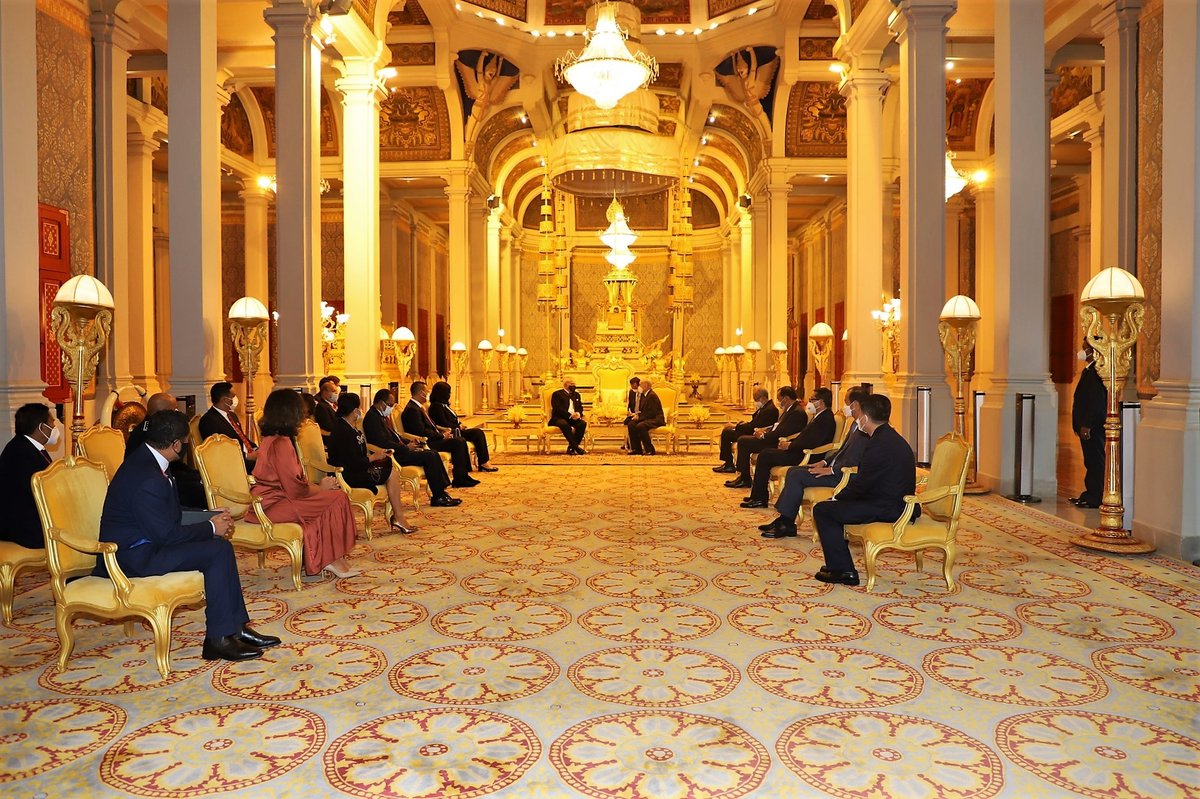
The Royal Palace, also known as Preah Barum Reachea Veang Chaktomuk, has served as Cambodia’s royal residence since the 1860s.
What to See and University Profiles
Paragon International University
The campus has modern classrooms, laboratories, libraries, and recreational spaces. The university hosts conferences, seminars, and cultural events throughout the year. Some events are open to the public and are often held in partnership with international organizations.
Phnom Penh International University (PPIU)
PPIU offers nationally and internationally recognized degree programs, with an emphasis on practical, hands-on learning (PPIU official website).
- Business and Management Finance, marketing, entrepreneurship, and international business, with experiential learning.
- Engineering and Technology Civil, electrical, and mechanical engineering, and IT, with industry-relevant curricula.
- Law Cambodian and international law, including moot courts and legal clinics.
- Humanities and Social Sciences Psychology, sociology, international relations, and communication.
- Health Sciences Public health and allied health sciences addressing national healthcare priorities.
Programs include four-year undergraduate bachelor’s degrees; graduate master’s programs focused on research and leadership; and professional and short courses (University Directory).
PPIU emphasizes project-based learning, internships, and research, with faculty drawn from academia and industry (Unication Partner Profile). It participates in projects including the EU-funded “Unify Communication by International Projects” (2023–2025), which encourages academic exchanges, joint research, and industry partnerships (Unication Project).
Academic mentorship, career services, language support, and research aligned with Cambodia’s development priorities are part of the PPIU experience. Students also take part in service-learning and NGO partnerships, applying their skills to real-world challenges. PPIU graduates are regarded in business, government, and civil society; the university reports strong employability and growing research output (Unication Partner Profile).
International University (IU)
IU’s main campus in Phnom Penh is central to its academic and student activities. Satellite campuses are in Kampong Chhnang, Battambang, Kampot, Pailin, and Banteay Meanchey, with plans for locations in Sihanoukville and Siem Reap (alluniversity.info, educatly.com).
Facilities include multimedia-equipped lecture halls and classrooms; specialized laboratories for medicine, dentistry, pharmacy, and sciences; a comprehensive library and e-learning platforms (topuniversitieslist.com); and a teaching hospital and simulation centers for clinical experience (educatly.com).
IU has approximately 3,000–3,999 students, creating a multicultural environment. Instruction is in English and Khmer, with health sciences taught primarily in English. Campus life includes intensive health sciences programs, student clubs, social events, and international exchanges (chain-cambodia.eu).
On-campus dormitories are limited, and most students live in nearby private apartments. Apartment rent is $100–$400 per month, and monthly living expenses excluding tuition range from $300–$600 (expat.com). The teaching hospital supports student health, and campus security is actively maintained.
Royal Palace
The palace grounds contain the Throne Hall, Silver Pagoda, and gardens, showcasing classic Khmer architecture. The Silver Pagoda has a floor tiled with pure silver and houses national treasures including the Emerald Buddha and golden Buddha statues.
Practical Visiting Information
Paragon International University
- Hours Monday to Friday, 8:00 AM–5:00 PM.
- Entry Free. The campus is open to visitors, but access to classrooms and specialized facilities may require prior permission.
- Tours Guided visits are available upon request. Arrange them in advance through the admissions office. Tours cover campus architecture, facilities, student life, university operations, academic offerings, and student activities.
- Facilities for visitors Cafes and small eateries operate during university hours. Limited visitor parking is available; confirm availability in advance.
- Maps Campus maps and navigation guides are available on the university’s official website.
PPIU Admissions and International Students
PPIU offers streamlined admissions, visa assistance, and English-medium programs for international students, with cultural integration support (Phnom Penh Travel Guide).
International University
Internships are available through career services and international partnerships. Study loans are available, while scholarship options are limited. For arranging a campus visit, contact the admissions office through the official profile.
Royal Palace
- Hours 8:00 AM–5:00 PM daily; last admission is at 4:30 PM.
- Tickets Adults: $10 USD; students with ID: $5 USD; children under 12: free.
- Tickets are available at the entrance or through the official Cambodia tourism website.
- Guided tours in English and other languages, as well as audio guides, are available.
- The site is wheelchair accessible and has appropriate facilities. Visitor amenities include restrooms, shaded seating, and a souvenir shop.
- Photography is generally permitted outdoors. Flash and tripods are restricted inside the Silver Pagoda.
Tips
- Paragon is easiest to experience on a weekday during university hours. Arrange campus or facility tours in advance, and ask permission before photographing classrooms or student activities.
- Regular classes at Paragon are for enrolled students, though some public seminars and events may welcome visitors.
- Public transportation, taxis, and ride-hailing services provide access to Paragon. Tuk-tuks are the preferred transport in the city for IU students.
- At the Royal Palace, dress modestly, remove shoes in temples, and stay hydrated. Buying tickets from authorized sources is recommended.
- Cambodians often receive discounted Royal Palace entry with proper ID; confirm at the ticket counters. The dry season, November–February, is suggested for a visit in comfortable weather.
- For updated information and trip planning, consult official university and tourism websites, as well as interactive tools such as the Audiala app.
Nearby Places
The Tuol Kork district, where Paragon International University is located, has local markets, cultural venues, and historical sites that offer a broader picture of Phnom Penh’s heritage.
Near the Royal Palace are:
- National Museum of Cambodia: Khmer artifacts collection.
- Wat Phnom: Historic hilltop Buddhist temple.
- Sisowath Quay Riverside: Dining and entertainment district.
Frequently Asked Questions
Paragon International University
Are there any entry fees to visit Paragon International University?
No. Entry is free, and guided tours require prior arrangement.
Can tourists attend classes or lectures?
Regular classes are for enrolled students, but some public seminars and events may welcome visitors.
Is parking available for visitors?
Yes, but parking is limited. Confirm availability ahead of your visit.
Are dining options available on campus?
Cafes and small eateries operate during university hours.
Where can I find campus maps?
Maps and navigation guides are available on the university’s official website.
International University
How can I arrange a campus visit?
Contact the admissions office through the official profile.
What accommodation options exist?
On-campus dormitories are limited; most students rent nearby.
Are internships available?
Yes, through career services and international partnerships.
In what language are courses taught?
Courses are primarily in English, especially in health sciences, with some courses in Khmer.
Is financial aid available?
Study loans are available; scholarship options are limited.
Royal Palace
Is photography allowed?
Photography is permitted outdoors; flash and tripods are restricted inside the Silver Pagoda.
Can I visit at night?
No. The palace is open from 8:00 AM to 5:00 PM.
Are English tours available?
Yes. Guided tours and audio guides are available in English.
Do Cambodians get discounted entry?
Often, with proper ID; confirm at the ticket counters.
When is the best time to visit?
November–February, during the dry season, for comfortable weather.