
What the Pavillon Of Four Directions Is
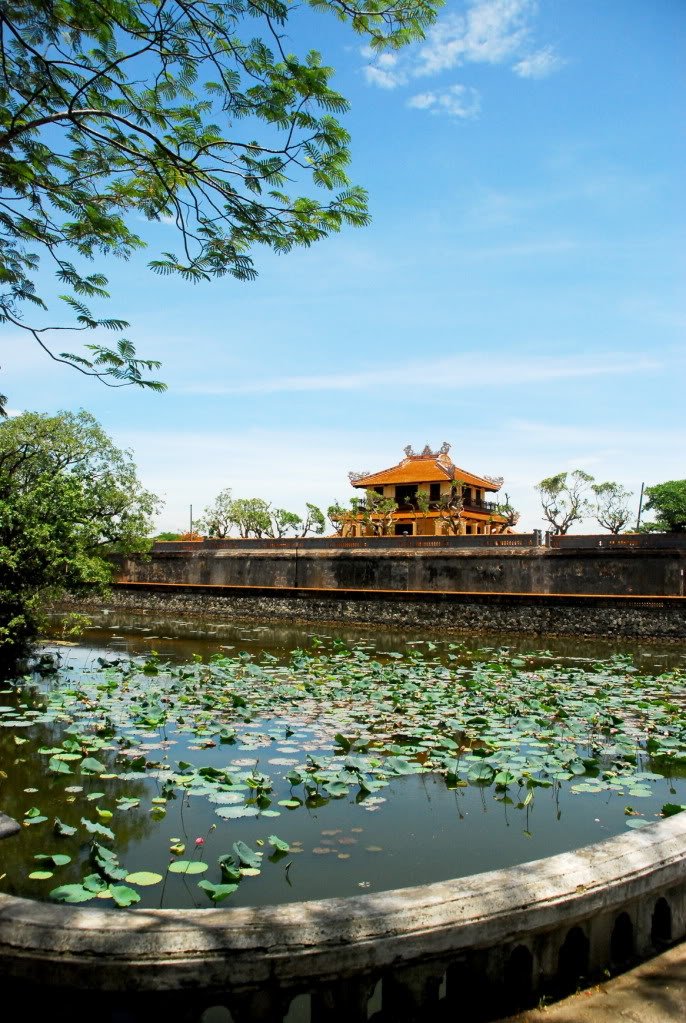
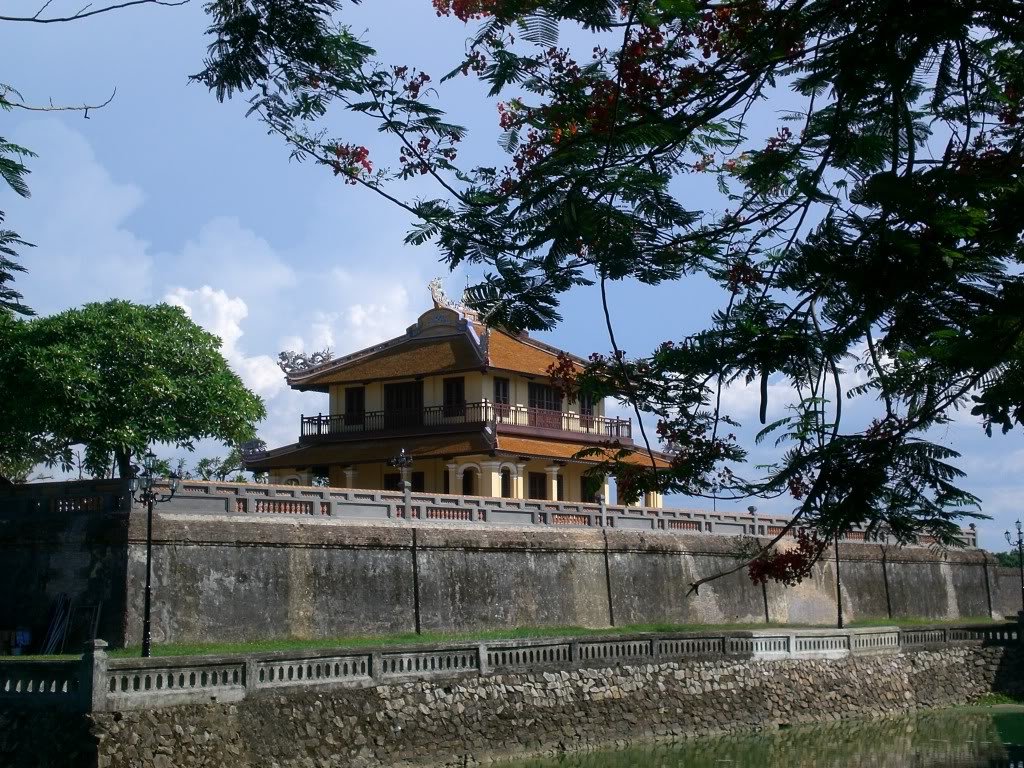
The Pavillon Of Four Directions, or Tứ Phương Vô Sự, is part of the Hue Imperial City, a UNESCO World Heritage Site (UNESCO). Located within the Forbidden Purple City, it is known for its Vietnamese architecture and feng shui principles. Its name translates as “Peace in All Directions.”
History and Cultural Significance
Constructed during the reign of Emperor Minh Mang (1820-1841), the pavilion served as a retreat for the emperor and his court. It also hosted state ceremonies, cultural events, and foreign dignitaries. Its name and design reflect the emperor’s desire for harmony and peace, the Nguyen Dynasty’s commitment to Vietnamese traditions, and a reverence for nature.
The pavilion also served as a scholarly retreat and venue for poetry readings, musical performances, and calligraphy exhibitions, contributing to the preservation of Vietnamese cultural heritage.
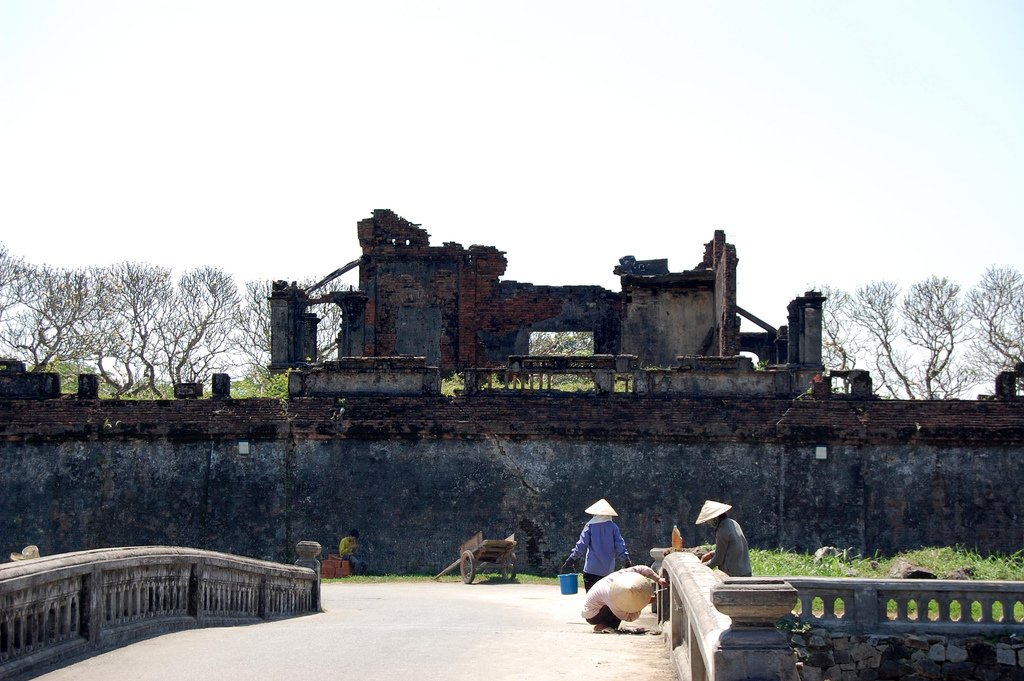
The structure was damaged during the Vietnam War and affected by natural disasters. Restoration efforts have sought to preserve its historical and architectural integrity, using traditional materials and techniques. Skilled craftsmen repair or replace damaged elements, and the surrounding gardens and water features have also been restored.
What to See
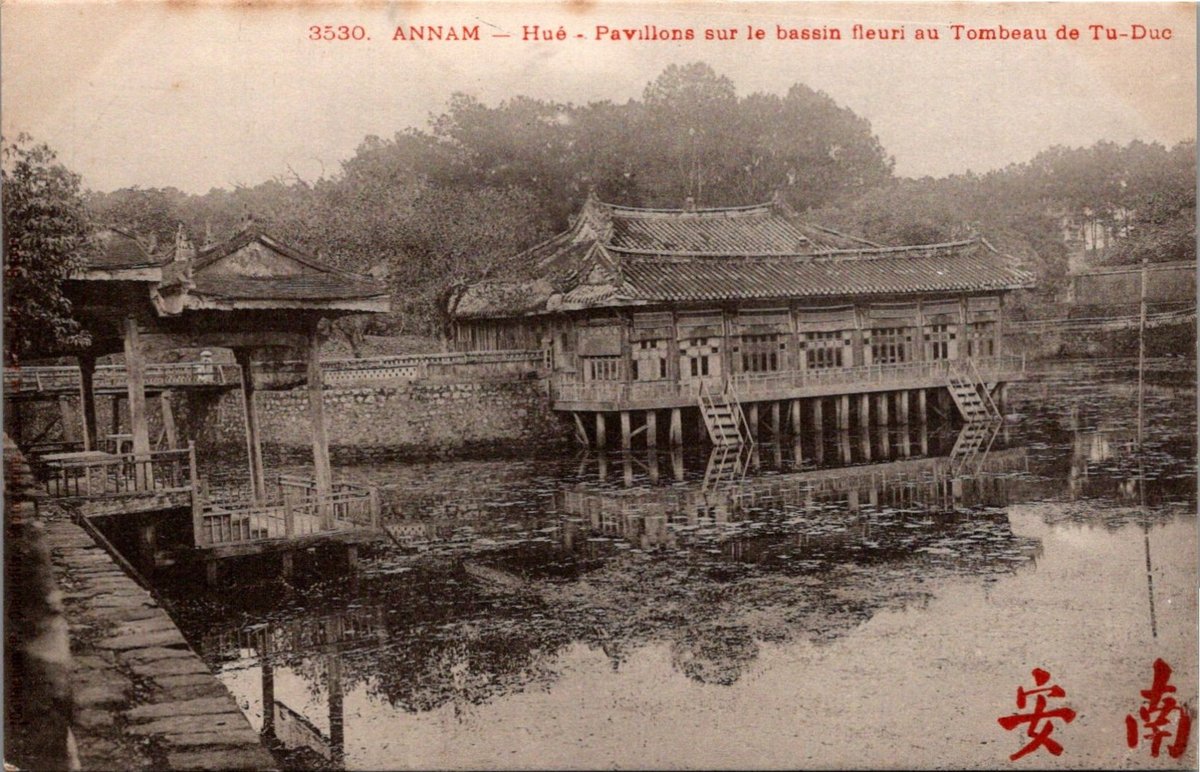
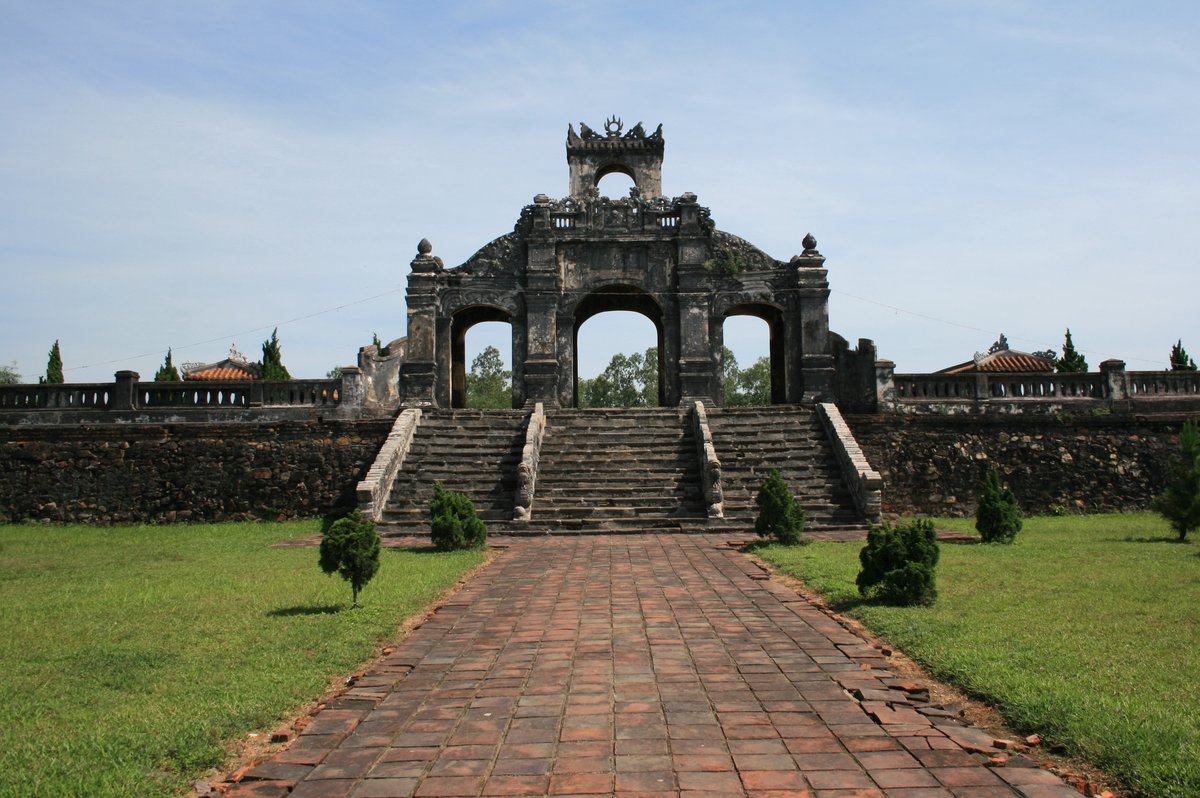
The pavilion stands on a raised platform among gardens and water features. Its open-air design provides natural ventilation and panoramic views. Intricately carved wooden columns and lacquered finishes showcase Nguyen Dynasty craftsmanship; the structure uses durable ironwood.
The multi-tiered roof has upward-curving eaves, said to ward off evil spirits, and glazed ceramic tiles that protect it from the elements. Dragon and phoenix motifs on the glazed tile roof symbolize imperial power and prosperity. The pavilion’s design follows feng shui principles intended to promote balance and harmony.
Practical Visiting Information
Hours and Tickets
The Imperial City, including the pavilion, is listed as open daily from 7:00 AM to 5:30 PM. Another listing gives daily hours of 8:00 AM to 5:30 PM. Seasonal variations or special events may affect opening hours, so check before visiting.
Entrance fees are given as approximately 200,000 VND for adults and 30,000 VND for children. Another listing gives the Imperial City entrance fee as approximately VND 150,000 (about $6.50 USD). Access to the pavilion is included in the Imperial City ticket. The ticket is also described as covering the Hue Museum of Royal Antiquities.
Getting There and Tours
The Imperial City is accessible from Huế city center by taxi or cyclo (a type of bicycle rickshaw). Renting a scooter is another option, with rental prices around $5 per day.
Guided tours are available through travel agencies in Huế or online. They provide explanations of the pavilion’s history and cultural significance; prices typically range from $10 to $30 per person, depending on the tour’s duration and inclusivity.
Accessibility
Ramps and pathways are available, and guided tours can be tailored to accommodate special needs. The Imperial City is described as relatively accessible to visitors with mobility issues, although some areas have uneven surfaces or steps. Check with site management or a tour operator in advance about specific accessibility needs.
Tips for Visitors
- When to visit The dry season runs from February to April, with less rainfall and moderate temperatures. August may suit visitors seeking fewer crowds, though occasional rain showers are possible. Temperatures in August typically range from 28°C to 34°C (82°F to 93°F), with rain mostly in the afternoon or evening. Early morning or late afternoon visits can help avoid heat and crowds.
- What to wear Wear light, breathable clothing and comfortable walking shoes. Dress modestly; avoid shorts, tank tops, and revealing clothing. A hat, sunglasses, and sunscreen can help protect you from the sun.
- Photography The pavilion offers opportunities to photograph its architecture and historical setting. Softer light is available early in the morning and late in the afternoon. Be mindful of other visitors, avoid flash photography inside buildings, and consider bringing a tripod for more stable shots.
- Respect and safety Follow site rules and local customs, particularly at religious and historical sites. Stay hydrated in the hot, humid climate and secure valuables, especially in crowded areas.
Nearby Places
Within the Imperial City, visitors can explore other sites, including the Tomb of Minh Mang and the Hue Museum of Royal Antiquities. The Hue Museum of Royal Fine Arts is also listed among nearby attractions.
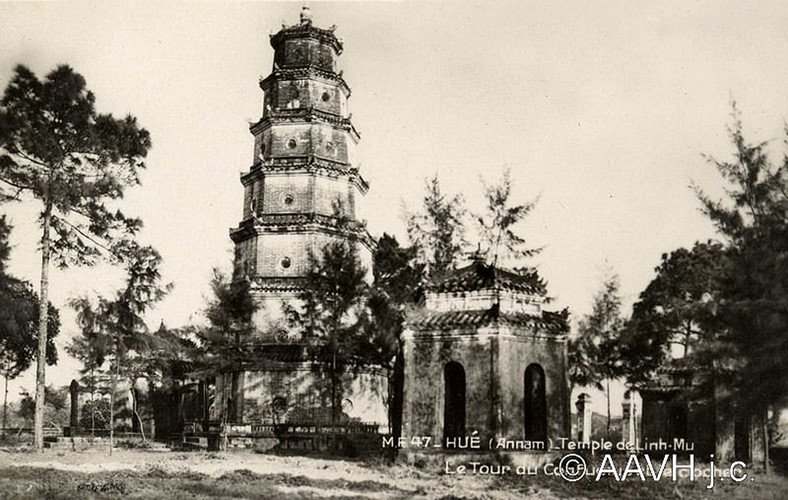
Other places to visit include Thien Mu Pagoda, also known as the Pagoda of the Celestial Lady. Its seven-tiered pagoda overlooks the Perfume River and is a working monastery. The Tomb of Khai Dinh and the Hue Museum of Royal Fine Arts are also suggested nearby attractions.
Huế cuisine includes Bún Bò Huế, a spicy beef noodle soup; Bánh Bèo, small steamed rice cakes topped with shrimp, pork, and crispy shallots; and Nem Lụi, grilled pork skewers served with rice paper and fresh herbs. Food tours offer visits to local eateries and street food stalls. Souvenir shops in and around the Imperial City sell traditional Vietnamese handicrafts, clothing, and other memorabilia, including conical hats, silk scarves, and lacquerware. Bargaining is common in local markets. Nearby accommodation and local transportation options are available.
FAQ
- What are the visiting hours? See the hours listed above; two schedules are reported.
- How much are tickets? See the entrance fee amounts listed above; two prices are reported.
- What should I wear? Wear light, breathable clothing and comfortable walking shoes, and dress modestly.
- Are guided tours available? Yes. Tours can be booked through travel agencies in Huế or online.
- Is the pavilion accessible to visitors with mobility issues? Ramps and pathways are available, but some areas have uneven surfaces or steps. Check with site management about specific needs.