Alamo Nature Park in McAllen
Alamo Nature Park is in McAllen, Texas, in the heart of the Rio Grande Valley. Its wetlands, riparian zones and native brushlands support a variety of plant and animal species, some endemic to the region. The park is part of the World Birding Center network, which spans nine sites in the Rio Grande Valley, and is a popular destination for birdwatching. Learn more at the World Birding Center.
History and conservation
Established in the early 21st century, the park was created as part of a broader effort to preserve the Rio Grande Valley’s ecological landscape. The land was once among the region’s ranchlands, used for cattle grazing and agriculture, which significantly altered native vegetation and wildlife habitats.
The park is near the historic town of Alamo, founded in the early 20th century and named after the Alamo Mission in San Antonio. Its educational programs address the area’s history and cultural heritage, including the influence of Indigenous peoples and early settlers. One account also describes the park as having been part of San Antonio’s history for centuries, “offering a glimpse into the region’s...past.”
Conservation work includes restoring native habitats, protecting endangered species, reforestation, invasive-species management and water-quality monitoring. The park collaborates with local universities and research institutions on ecological studies and environmental education (Texas Parks and Wildlife Department).
What to see and do
Birdwatching and wildlife observation
The park’s location along migratory routes makes it a birdwatching hotspot, especially during spring and fall migrations. Birds visitors may see include the Green Jay, Altamira Oriole and Great Kiskadee. For information on bird species and migration patterns, visit the World Birding Center.
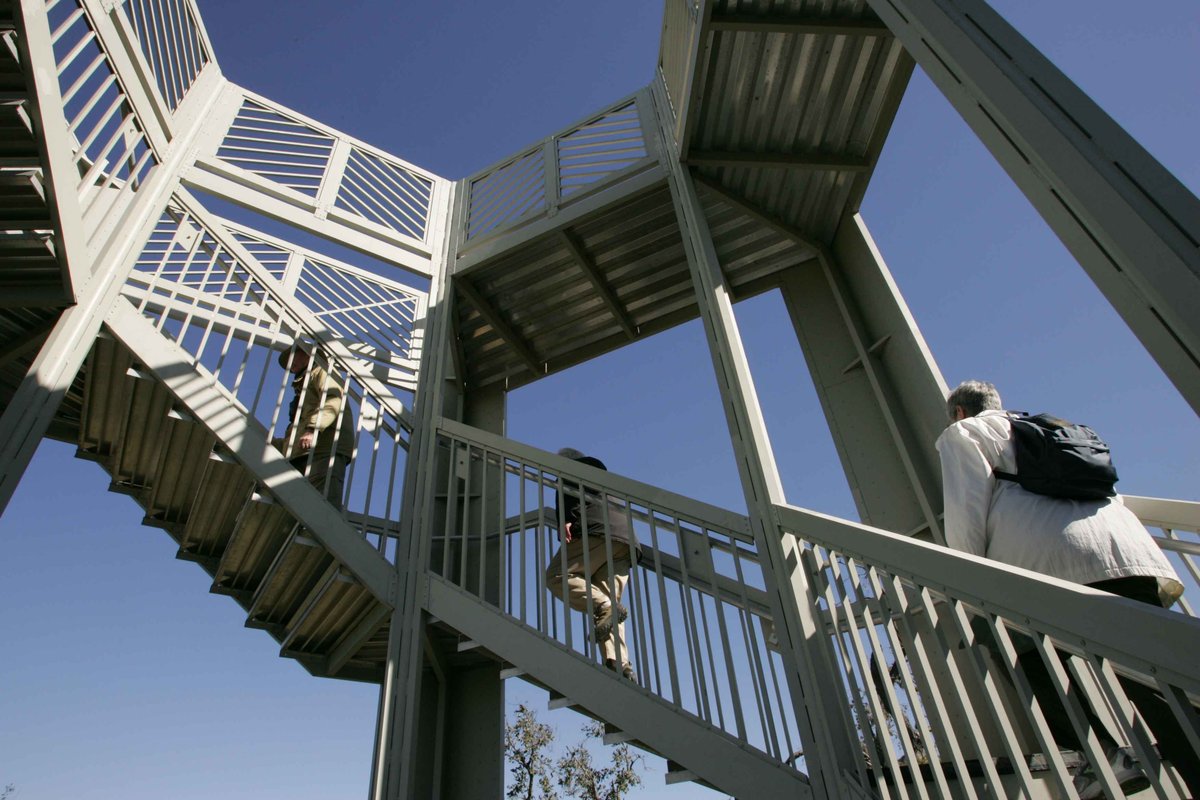
Wildlife also includes white-tailed deer, armadillos and bobcats. Wetlands are home to amphibians and reptiles, including frogs, turtles and snakes. Observation decks and blinds are positioned around the park to let visitors watch wildlife without disturbing its habitat. The National Wildlife Federation offers tips on wildlife observation.
Trails and nature
Well-maintained trails pass through wetlands, woodlands and grasslands and cater to different skill levels. The most popular route is a 2.5-mile loop with scenic views and opportunities to spot wildlife. Trail maps and guides are available at the visitor center. Interpretive signs along the trails describe local flora and fauna and the park’s conservation work.
The Butterfly Garden features native plants that attract Monarchs, Gulf Fritillaries and Zebra Longwings. Signs and guided tours explain the butterfly life cycle and the importance of conservation. More information about butterfly species is available from the North American Butterfly Association.
Picnicking and photography
Picnic areas have tables, benches and grills in scenic locations. They are suitable for family gatherings and small group events; some have shaded areas. Visitors are encouraged to bring their own food and beverages, as there are no on-site dining facilities. See the Alamo Nature Park Visitor Information for picnic guidelines.
The park’s varied habitats offer subjects and backdrops for landscape and wildlife photography. Photography workshops and guided tours are available, and the National Geographic Photography Guide provides photography tips and techniques.
Education, events and volunteering
Programs for visitors of all ages include guided nature walks, birdwatching tours and workshops on native-plant gardening and wildlife conservation. Other offerings include birding workshops and wildlife photography classes. The annual Birding Festival features expert-led tours, lectures and family-friendly activities. The park also holds community events such as nature festivals and volunteer days. Event information is available through Alamo Nature Park Events and the Alamo Nature Park Events Calendar.
Volunteers can take part in habitat restoration, wildlife monitoring and educational outreach. Details are available on the Alamo Nature Park Volunteer Page.
Conservation, community and future plans
The park’s community programs encourage residents to take part in conservation and learn about their natural surroundings. Its educational programs and community engagement also support environmental stewardship.
The park attracts thousands of visitors each year, including people travelling from outside the region. Their visits support local hotels, restaurants and retail shops, and birdwatching has helped establish McAllen and the surrounding area as a key ecotourism destination in Texas.
Future plans include expanding the trail system, enhancing educational facilities and increasing conservation efforts. The park also aims to strengthen partnerships with local schools and community organizations, develop new programs and events, and attract a broader audience.
Practical visiting information
Hours and admission
Published visiting hours differ: one listing gives 7:00 AM to 7:00 PM daily, while another gives 8:00 AM to 6:00 PM daily. The latter hours are also written as 8 AM to 6 PM. The park is described as open year-round.
Admission is free. Donations are welcome to support the park’s conservation efforts and maintenance. Some special events and guided tours may have associated fees or separate ticket prices.
Visitor center and tours
The visitor center has educational exhibits and resources, and trail maps and guides are available there. Guided tours are offered for birdwatching, hiking and photography. Advance booking is recommended, both to ensure availability and to let the park know about accessibility requirements. Check the Alamo Nature Park Events Calendar for schedules.
Accessibility
The park has accessible trails, restrooms and picnic areas, and wheelchair rentals are available. Parking includes designated spaces for visitors with disabilities. The main entrance is wheelchair accessible, with ramps and wide doorways.
The visitor center has ramps, automatic doors and accessible restrooms. Its information desks are at a height suitable for wheelchair users, and staff are trained to assist visitors with various needs. Some accessible trails are paved and relatively flat; signage along them describes flora and fauna in large, readable fonts. Accessible restrooms are available at the visitor center and along major trails, with grab bars, wide stalls and lower sinks.
Designated picnic areas include accessible tables and benches and are near parking lots and restrooms; some have shade. Guided tours can be tailored to participants’ needs. Visitors with hearing impairments can request assistive listening devices at the visitor center, and some displays have audio descriptions.
Service animals are allowed throughout the park; visitors are encouraged to bring documentation. Water stations for service animals are available at various points. Emergency call boxes along trails and in remote areas connect directly to park rangers and emergency services. Visitors are also advised to carry a mobile phone.
The park welcomes accessibility feedback. Comment cards are available at the visitor center, and online feedback can be submitted through the Alamo Nature Park website. More details are available in the Alamo Nature Park Accessibility Information.
Visitor tips
The cooler months from November to March are described as the optimal time to visit. Temperatures during that period range from 50°F to 75°F; summer temperatures often exceed 100°F. Spring and fall are peak periods for bird migrations.
Wear comfortable, weather-appropriate clothing: lightweight, breathable fabrics in warmer months and layers in cooler weather. Sturdy walking shoes or hiking boots are useful on uneven terrain. Bring plenty of water, especially in hotter months, along with sunscreen, a hat and sunglasses. Binoculars and a camera are recommended for birdwatching and photography; a park map, available at the visitor center, can help with navigation.
Stay on marked trails, both to avoid getting lost and to protect natural habitats. Keep a safe distance from wildlife and use insect repellent against mosquitoes and other insects. If hiking alone, it is advisable to tell someone your plans and expected return time.
Nearby places
Nearby McAllen attractions include the International Museum of Art & Science, Quinta Mazatlan—a historical adobe mansion and nature preserve—and the McAllen Nature Center. More information on local historical sites and attractions is available from the McAllen Tourism Website.
Another nearby-attractions listing also names the Alamo Mission, the San Antonio River Walk and the San Antonio Museum of Art.
FAQ
What are the park’s visiting hours?
The listed hours differ: daily from 7:00 AM to 7:00 PM, or daily from 8:00 AM to 6:00 PM (also listed as 8 AM to 6 PM).
Is there an admission fee?
Admission is free. Donations are welcome, and some special events and guided tours may have fees or separate ticket prices.
What should I bring?
Comfortable walking shoes, water and insect repellent are recommended. Binoculars and cameras are useful for birdwatching and photography; sunscreen, a hat and sunglasses are also recommended.
When is the best time to visit?
The park is open year-round. November to March is recommended for cooler temperatures, while spring and fall are peak times for bird migrations.
Are guided tours available?
Yes. Tours are offered for birdwatching, hiking and photography. Advance booking is recommended; schedules are available through the Alamo Nature Park Events Calendar.
Is the park accessible to visitors with disabilities?
Yes. The park has accessible trails, restrooms and picnic areas, as well as wheelchair rentals and guided tours with accessibility considerations.
Can I bring food and drinks?
Yes. Visitors are encouraged to bring their own food and beverages because there are no on-site dining facilities. Picnic areas have tables, benches and grills.
Can I bring a pet?
Only service animals are allowed within the park.
How can I volunteer?
Volunteer opportunities include habitat restoration, wildlife monitoring and educational outreach. Details are available on the Alamo Nature Park Volunteer Page.
For further information and updates, visit the park’s official website.