
History and Cultural Significance
Ancient Roots and the Synod of Whitby
Archaeological evidence indicates that Whitby’s headland was inhabited as early as the late Bronze Age, with Roman signal stations later taking advantage of its strategic vantage (English Heritage). The abbey itself was founded in 657 AD by King Oswy of Northumbria, under the leadership of St. Hilda. As a double monastery, it was a center for Christian learning and home to Cædmon, the earliest known English poet.
The Synod of Whitby in 664 AD, held at the abbey, unified the English church with Roman Christian practices, a turning point in England’s religious history (History Hit).
Viking Destruction and Medieval Revival
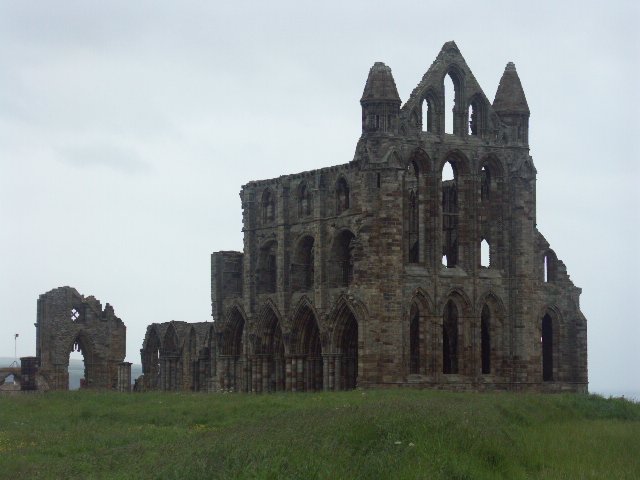
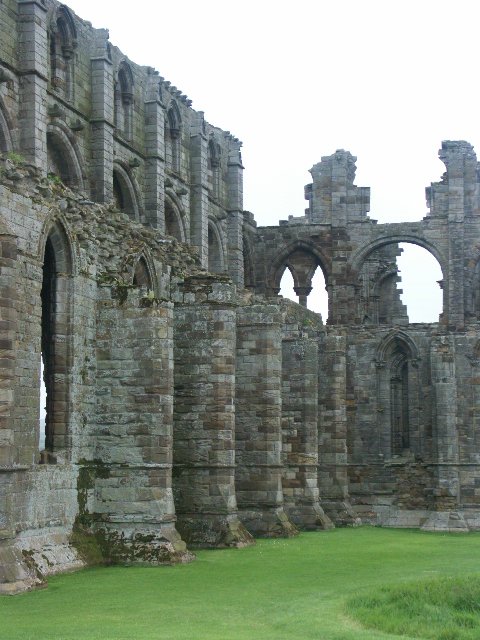
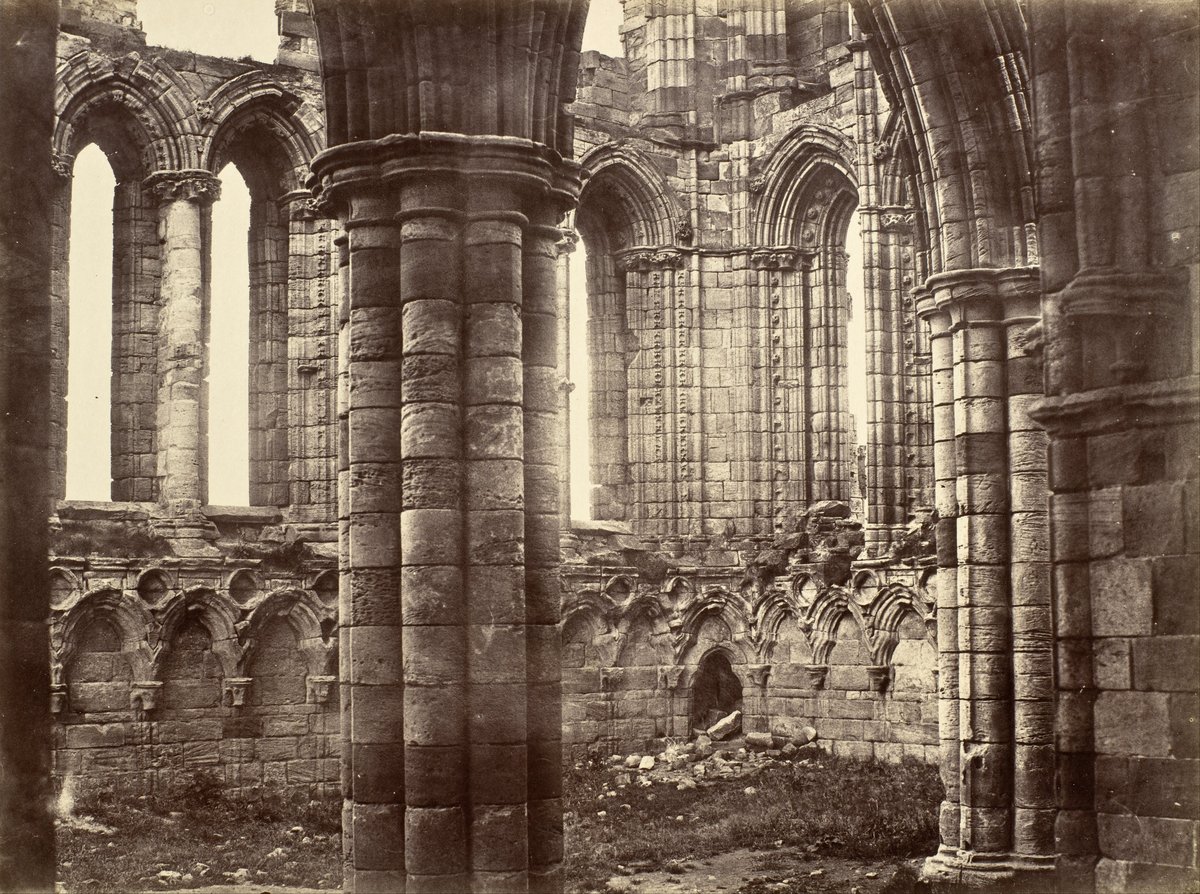
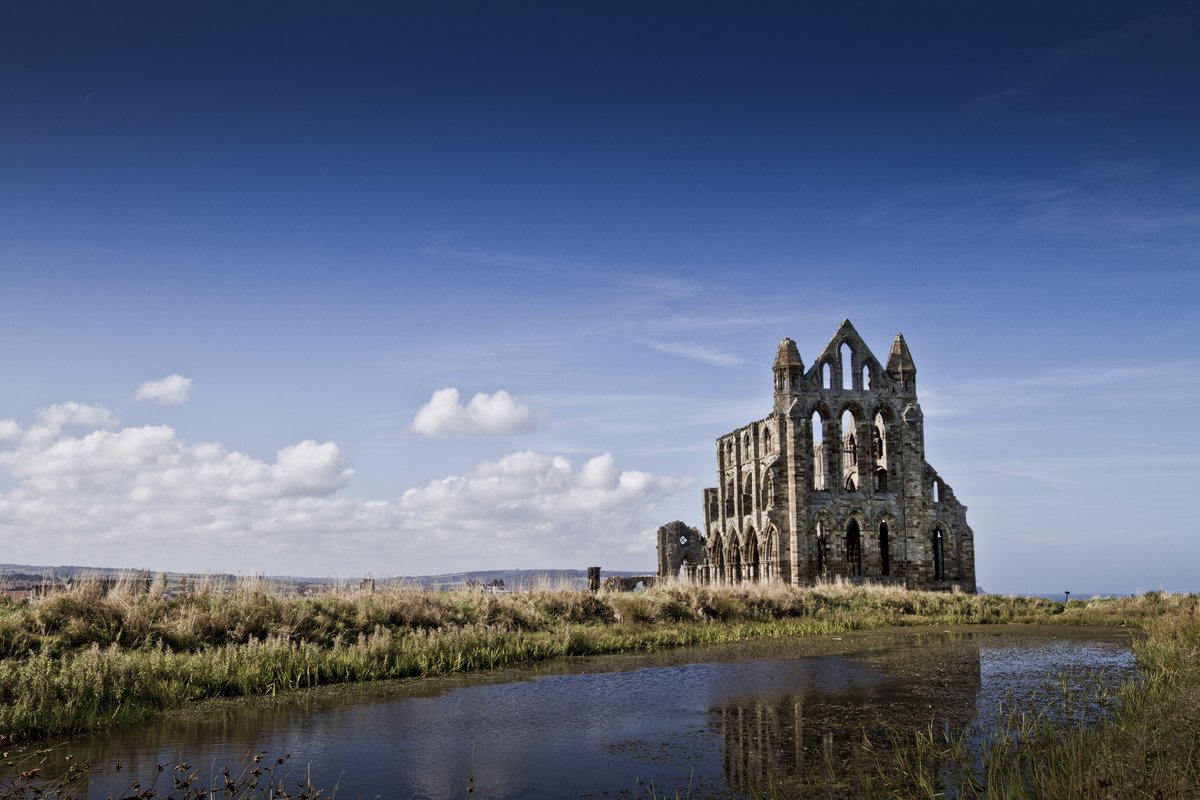
Viking raids in the late 9th century left the abbey in ruins until its Benedictine revival in 1078. The majestic Gothic structures seen today mostly date from the 13th and 14th centuries (Historic England). The abbey flourished until the Dissolution of the Monasteries under Henry VIII, which led to its suppression in 1539.
Later History and Preservation
After centuries of decay, the Cholmley family built Abbey House on the site in the 17th century. Today, English Heritage maintains the ruins as a Scheduled Ancient Monument and Grade I Listed Building, preserving its legacy for future generations.
Whitby Abbey in Literature and Popular Culture
Bram Stoker’s Dracula—inspired by the abbey’s haunting silhouette—cemented its place in Gothic literary history (English Heritage). The site continues to inspire artists, writers, and filmmakers, and is celebrated in Whitby’s biannual Goth Weekends.
Visiting Whitby Abbey: Opening Hours, Tickets, and Facilities
Opening Hours
- April to October 10:00 AM – 6:00 PM
- November to March 10:00 AM – 4:00 PM
Hours may vary during special events or due to maintenance. Always check the English Heritage Whitby Abbey visitor page for the latest updates.
Ticket Prices (as of June 2025)
- Adults £10.90
- Children (5–17 years) £6.50
- Children under 5 Free
- Family (2 adults + up to 3 children) £28.00
- Concessions (seniors, students, disabled visitors) £9.80
- English Heritage Members Free
Discounted tickets are available online if booked in advance. All tickets include access to the ruins, museum, and grounds. (English Heritage)
Accessibility and Visitor Facilities
- Wheelchair Access Accessible visitor centre and viewing platform; some uneven terrain in the ruins.
- Toilets Modern and accessible facilities in the visitor centre.
- Parking Accessible parking 100 metres from the entrance; drop-off available at the visitor centre.
- Gift Shop & Café On-site shop and a café serving refreshments.
- Picnic Areas Benches and green spaces are available.
For detailed information, see the accessibility guide.
Getting There and Travel Tips
By Car
- Address Abbey Lane, Whitby YO22 4JT
- Parking is available near the entrance. During peak times, parking fills quickly; arrive early.
By Public Transport
- Train Whitby station is a 20-minute walk from the abbey.
- Bus Regular services connect Whitby with regional towns.
On Foot
- The iconic 199 Steps from Church Street offer a scenic, but steep, climb to the abbey.
- Public footpaths from the town and cliffside provide gentler access.
Best Time to Visit
- Spring and autumn offer mild weather and fewer crowds.
- Early mornings and late afternoons provide the best light for photography.
- Special events, like the Illuminated Abbey in October, offer unique experiences but may be busier (The Whitby Guide).
Nearby Attractions
- 199 Steps Iconic staircase with panoramic views.
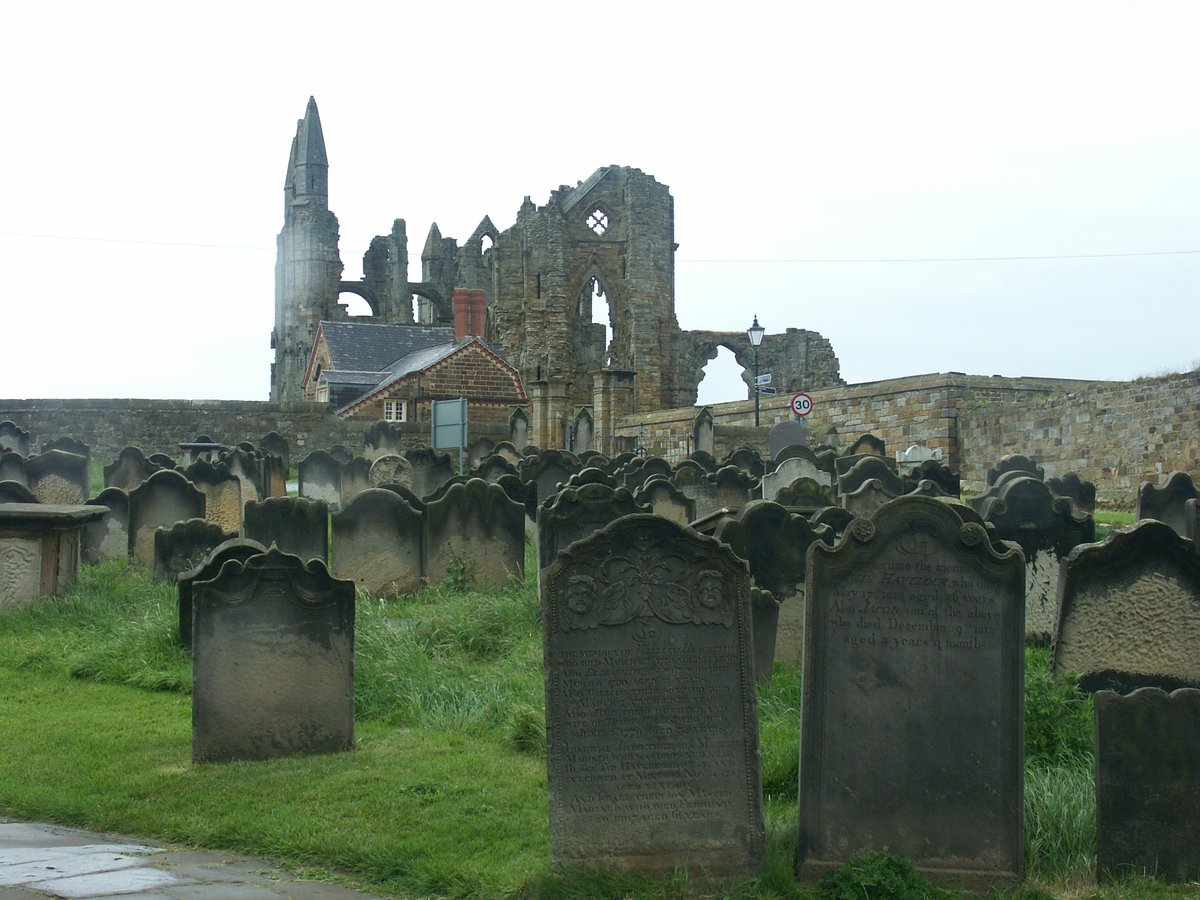
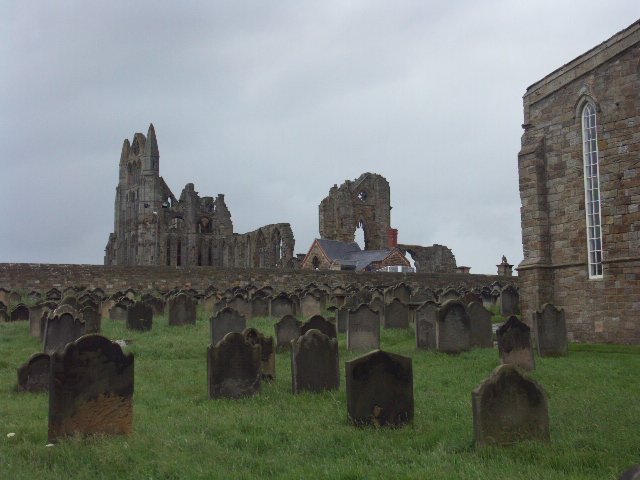
- St. Mary’s Church 12th-century church with a famous graveyard.
- Whitby Town Centre Maritime heritage, shops, and eateries.
- Captain Cook Memorial Museum Celebrating the famous explorer.
- Pannett Park Gardens and local museum.
- North York Moors National Park Coastal walks and wildlife.
Special Events and Cultural Connections
- Illuminated Abbey Dramatic October lighting event with performances (The Whitby Guide).
- Whitby Goth Weekends Celebrations of Gothic culture and literature.
- Historical Reenactments Living history and educational events.
- Family Activities Workshops and interactive trails.
Check the events calendar for upcoming occasions.
Guided Tours, Museum, and Photography
- Guided and Audio Tours Available for deeper historical insight.
- Museum in Cholmley House Exhibits on the abbey’s history, artefacts, and Anglo-Saxon poetry.
- Photography Allowed for personal use; tripods and drones may have restrictions.
For self-guided experiences, GPS-triggered audio tours can be booked (Eventbrite).
Practical Tips for Visitors
- Footwear Wear comfortable shoes for uneven surfaces.
- Weather The cliff-top location is exposed—dress in layers.
- Picnics Enjoy in designated areas.
- Dogs Welcome on leads in the grounds; not permitted in museum or café.
- Safety Supervise children and avoid climbing on ruins.
Frequently Asked Questions (FAQ)
Q: What are Whitby Abbey’s opening hours?
A: Generally open 10:00 AM–5:00 PM (April–October), 10:00 AM–4:00 PM (November–March). Check the official site for updates.
Q: Can I buy tickets online?
A: Yes, online booking is recommended for discounts and guaranteed entry.
Q: Is the abbey accessible for wheelchair users?
A: The visitor centre and some viewing areas are accessible. Some ruins have uneven terrain.
Q: Are there special events?
A: Yes—Illuminated Abbey, Goth Weekends, historical reenactments, and family activities.