

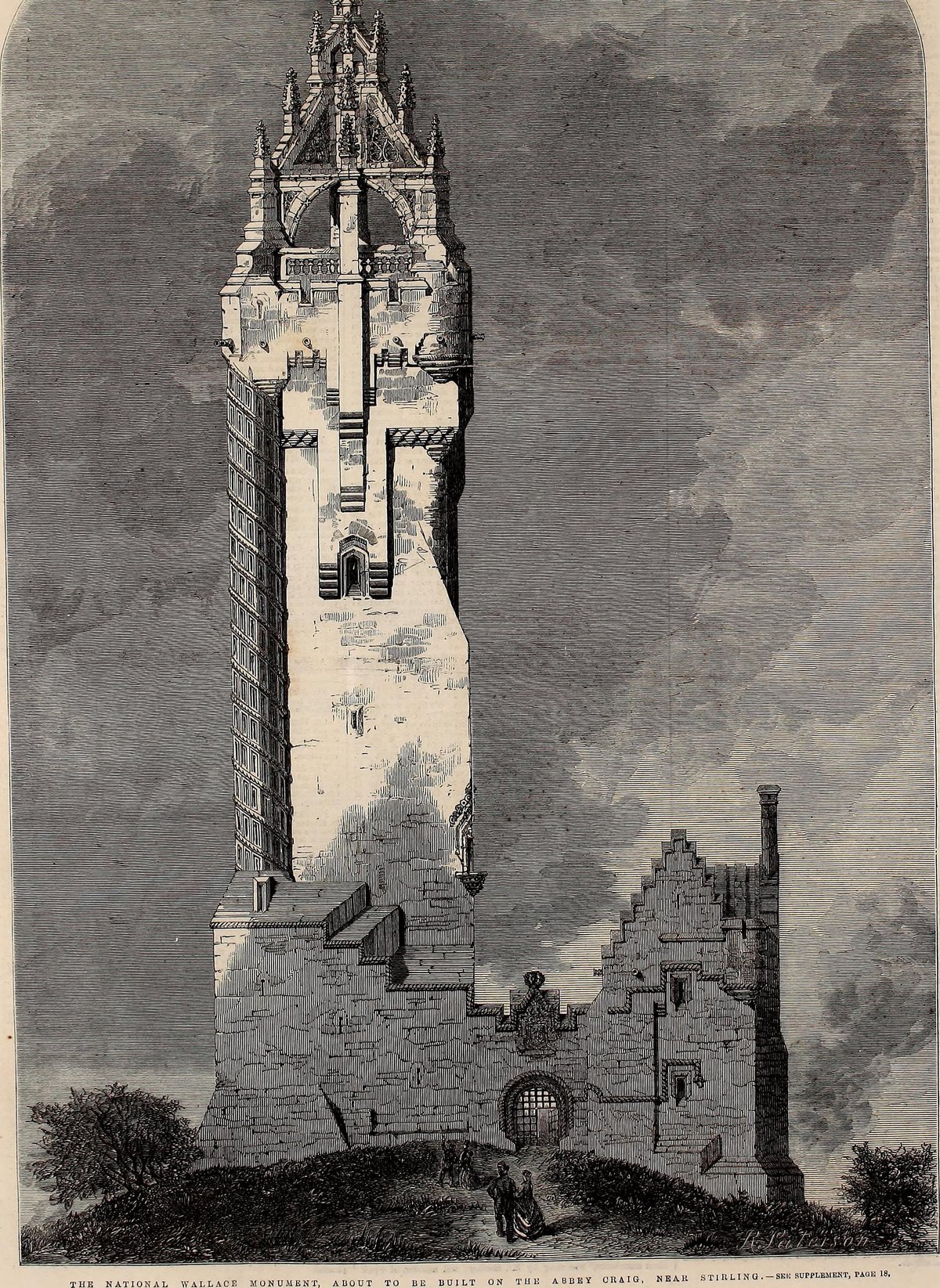

History of the National Wallace Monument
Origins and Conception
The idea for the National Wallace Monument was conceived in the early 19th century, during a period of heightened nationalistic sentiment in Scotland. The movement to honor Wallace gained momentum in the 1820s, but it wasn't until the 1850s that concrete plans were put into place.
Fundraising and Design Competition
In 1851, the Wallace Monument Committee was formed to oversee the project. The committee launched a nationwide fundraising campaign, appealing to the public's sense of patriotism. The campaign was highly successful, raising over £10,000, a substantial sum at the time. The committee then held a design competition, which attracted numerous entries from prominent architects. The winning design was submitted by John Thomas Rochead, a Glasgow-based architect known for his Gothic Revival style.
Construction and Inauguration
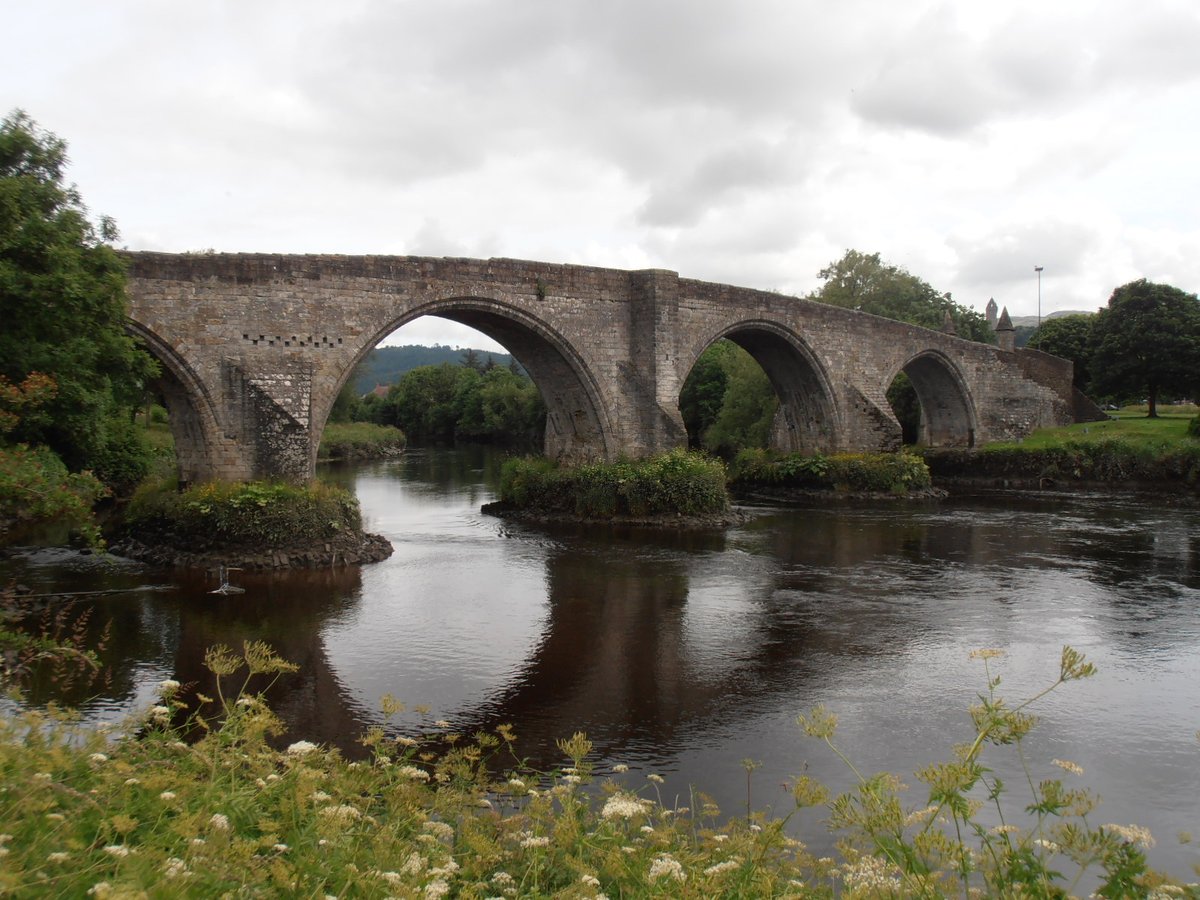
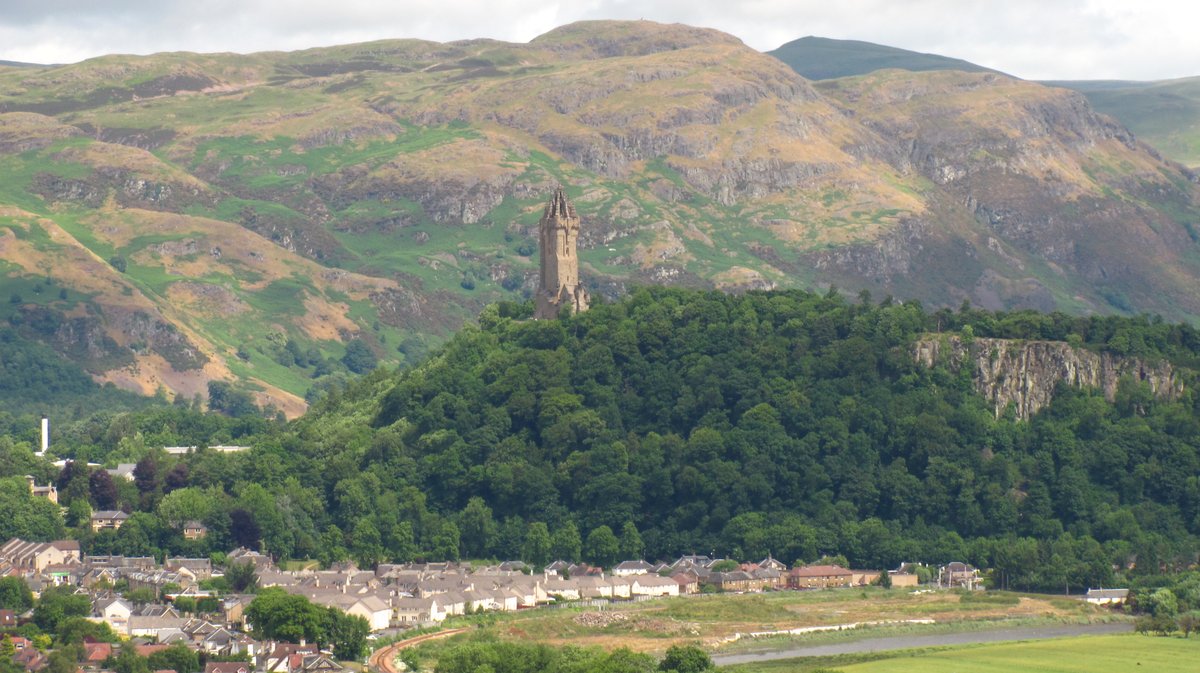
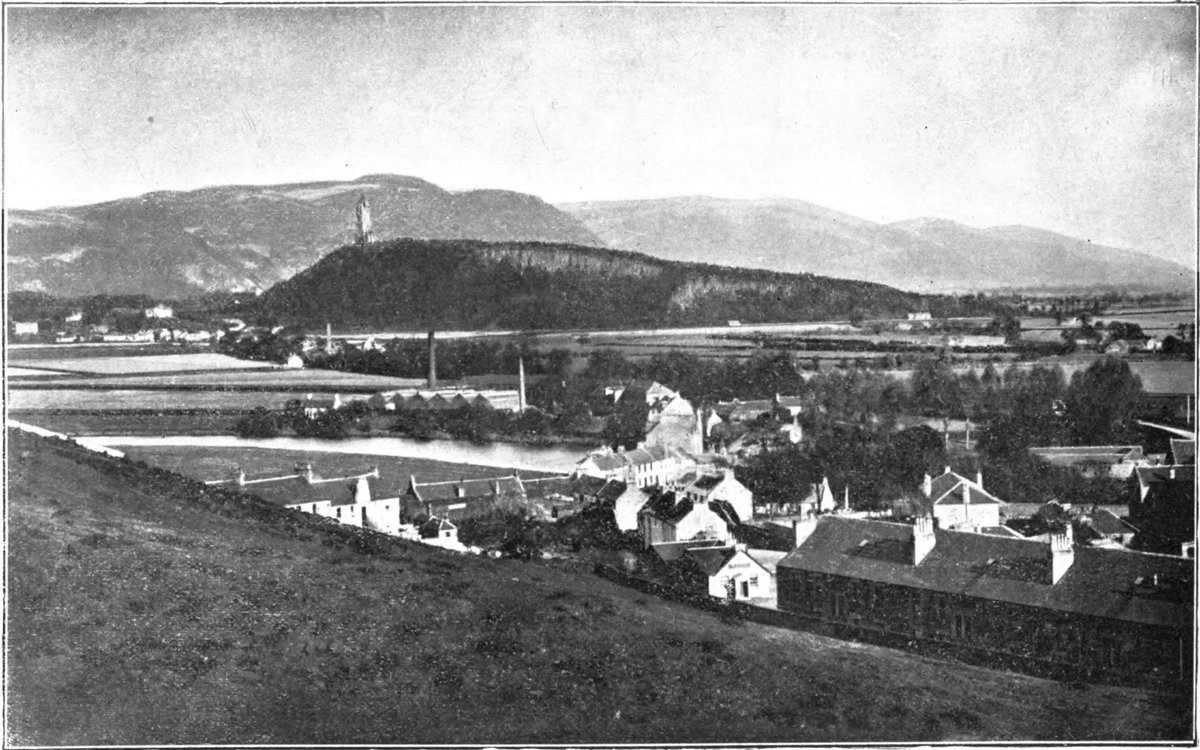
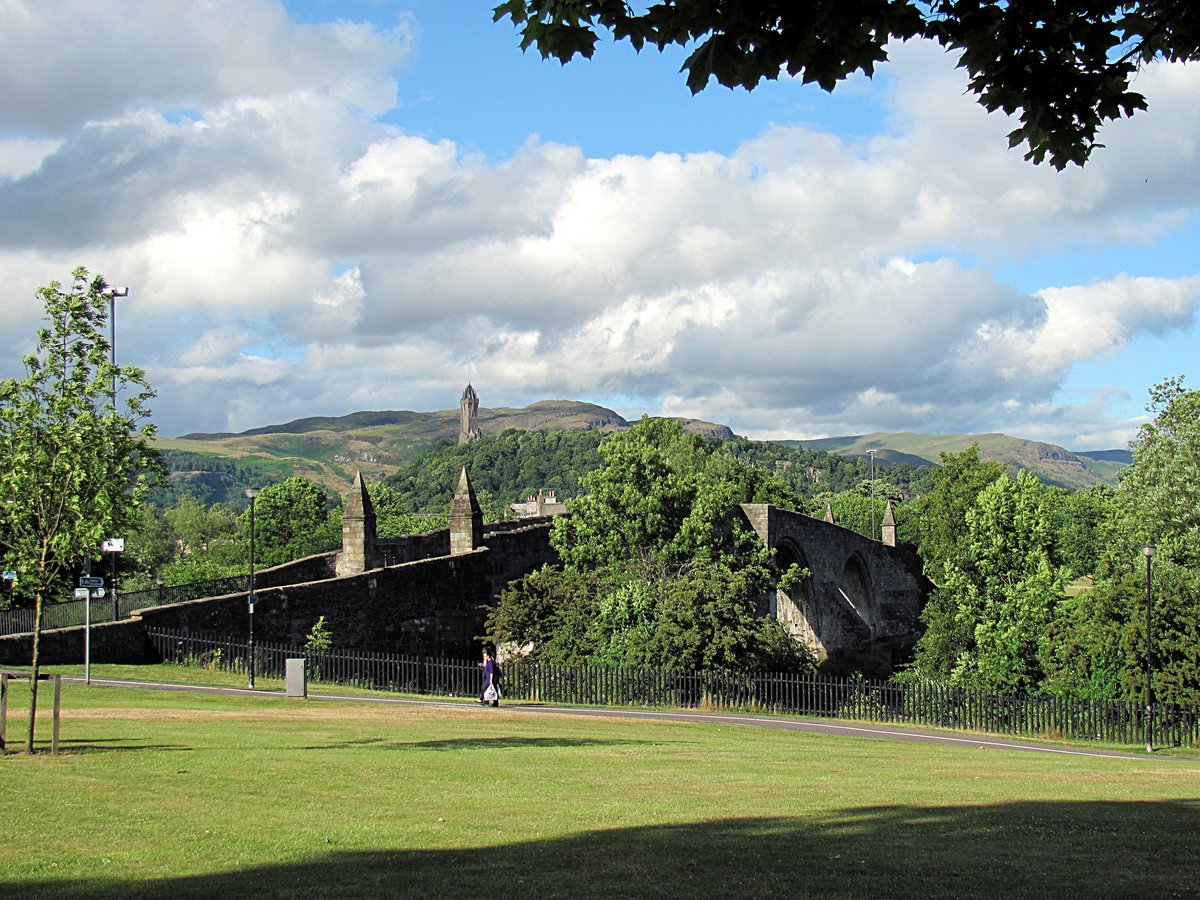
Construction of the monument began in 1861 on the Abbey Craig, a hilltop overlooking Stirling. The location was chosen for its historical significance; it was near the site of the Battle of Stirling Bridge, where Wallace achieved a significant victory against the English in 1297. The construction process was arduous, involving the transportation of large quantities of stone to the hilltop site. Despite these challenges, the monument was completed in 1869 and officially inaugurated on September 11 of that year. The inauguration ceremony was a grand affair, attended by thousands of people, including notable figures such as the Duke of Atholl and the Earl of Elgin.
Architectural Features
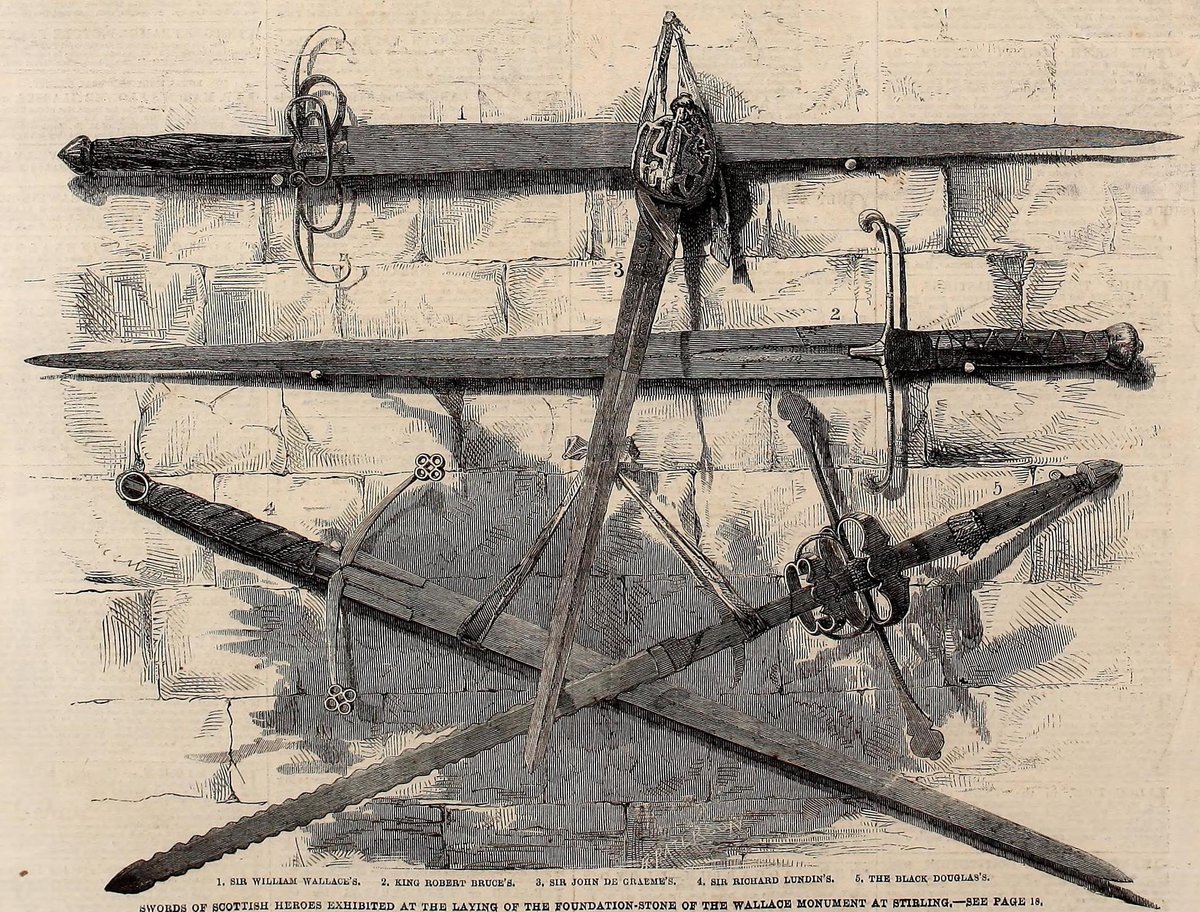
The National Wallace Monument stands at 67 meters (220 feet) tall and is constructed from sandstone. Its design is a striking example of Victorian Gothic architecture, featuring a combination of turrets, spires, and intricate carvings. The monument is divided into several levels, each with its own unique features. The ground floor houses the Hall of Arms, which contains a series of exhibits related to Wallace's life and the Wars of Scottish Independence. The first floor is home to the Hall of Heroes, which features busts of notable Scots, including Robert the Bruce and Sir Walter Scott. The top floor is an observation deck, offering panoramic views of the surrounding countryside.
Visitor Experience
Visitors to the National Wallace Monument can explore its various levels and exhibits, each offering a unique insight into Wallace's life and the history of Scotland. The Hall of Arms features a collection of medieval weapons and armor, while the Hall of Heroes showcases busts of notable Scots. The observation deck provides stunning views of the surrounding landscape, including the Ochil Hills, the River Forth, and the city of Stirling. The monument also offers guided tours, interactive displays, and a gift shop where visitors can purchase souvenirs.
Visitor Information
Ticket Prices
Tickets can be purchased online or at the monument. Prices for 2024 are approximately £10.75 for adults, £6.75 for children (5-16), £9.75 for seniors, and £28.50 for family tickets. Special discounts are available for groups and seniors.
Opening Hours
The monument is open daily from 10:00 AM to 5:00 PM, with extended hours during the summer months. Always check the official website for the most up-to-date information on opening hours.
Guided Tours
Guided tours are available and provide an in-depth look at the monument's history and significance. Tours can be booked in advance through the official website.
Special Events
Throughout the year, the monument hosts a variety of events, including historical reenactments, educational programs, and cultural festivals. Check the events page for detailed information.
Travel Tips
How to Get There
The National Wallace Monument is easily accessible by car, train, and bus. Ample parking is available for visitors. For public transport, Stirling is well-connected by train and bus services. From Stirling train station, local buses or taxis can take you to the monument. For detailed schedules, check ScotRail and Traveline Scotland.
Best Times to Visit
The best times to visit are during the spring (April to June) and autumn (September to October) when the weather is mild, and the crowds are smaller. Summer months (July and August) can be busy, so early morning visits are recommended to avoid the rush.
Accessibility Information
The monument has limited accessibility for those with mobility issues due to the steep climb and numerous stairs inside. However, the visitor center and the surrounding grounds are more accessible. For detailed information, visit the accessibility page.
Nearby Attractions
Stirling Castle
One of Scotland's grandest castles, located just a short distance from the monument. More information can be found on the Stirling Castle website.
The Battle of Bannockburn Experience
An immersive experience that brings the history of the Battle of Bannockburn to life. Visit the Bannockburn Visitor Centre website for details.
The Church of the Holy Rude
A medieval church with significant historical ties to the Scottish monarchy.
Educational Impact
The National Wallace Monument plays a vital role in educating the public about Scottish history. It offers a range of educational programs for schools and community groups, including guided tours, workshops, and interactive exhibits. These programs aim to bring history to life, engaging visitors of all ages and fostering a deeper understanding of Scotland's past. The monument also collaborates with local universities and historical societies to conduct research and promote historical scholarship.
Cultural Significance
The National Wallace Monument is more than just a historical landmark; it is a cultural icon that embodies the spirit of Scotland. It serves as a source of inspiration for artists, writers, and musicians, who draw upon Wallace's legacy in their work. The monument has been featured in numerous films, books, and songs, further cementing its place in popular culture. It also plays a central role in Scotland's tourism industry, attracting visitors from around the world and contributing to the local economy.
Future Prospects
Looking ahead, the National Wallace Monument is poised to continue its role as a symbol of Scottish heritage and pride. Plans are underway to further enhance the visitor experience, with proposals for new exhibits, interactive displays, and digital resources. The monument's management is also committed to ongoing preservation efforts, ensuring that this iconic structure remains a testament to Scotland's rich history for generations to come.
FAQ
- What are the National Wallace Monument visiting hours? The monument is open daily from 10:00 AM to 5:00 PM, with extended hours during the summer months. Check the official website for the most up-to-date information.
- How much are tickets to the National Wallace Monument? Ticket prices for 2024 are approximately £10.75 for adults, £6.75 for children (5-16), £9.75 for seniors, and £28.50 for family tickets. Discounts are available for groups and seniors. Tickets can be purchased online or at the monument.
- Are guided tours available? Yes, guided tours are available and provide an in-depth look at the monument's history and significance. Tours can be booked in advance through the official website.
- What other attractions are nearby? Nearby attractions include Stirling Castle, the Battle of Bannockburn Experience, and the Church of the Holy Rude.