About Rajavithi Hospital
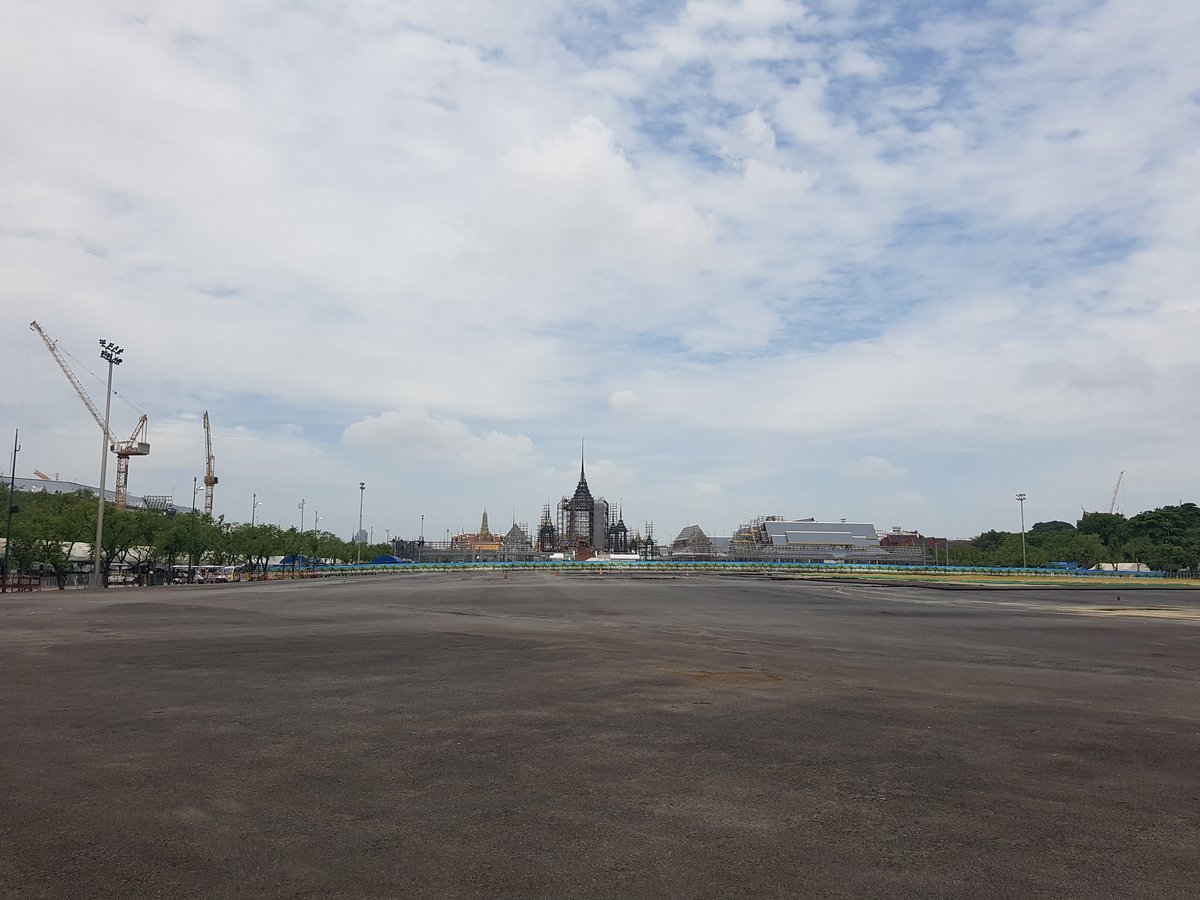
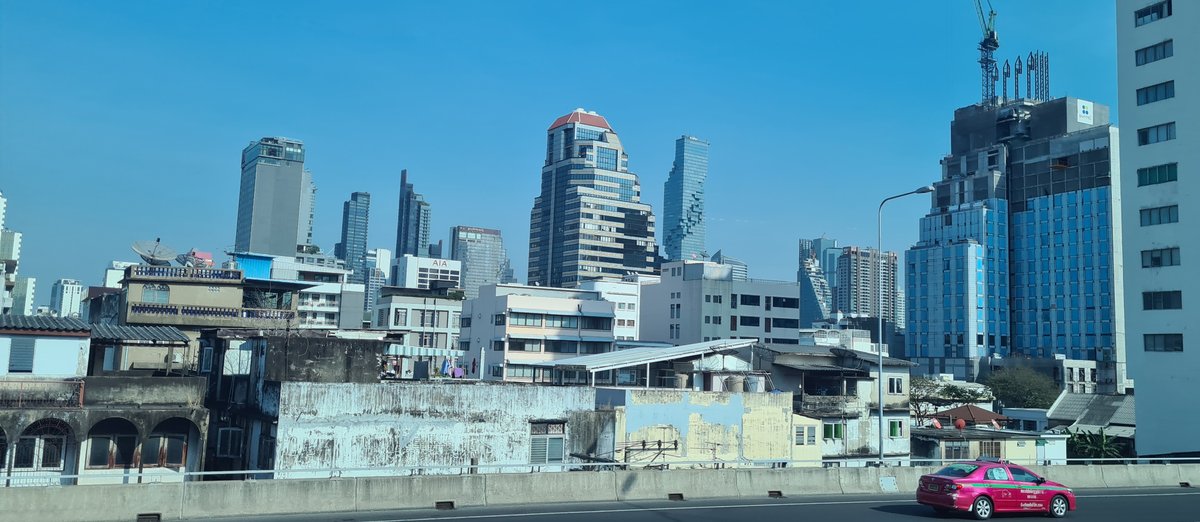
Rajavithi Hospital is a major public healthcare institution in Bangkok, Thailand. Located in the Ratchathewi district near Victory Monument, it serves local and international patients and is affiliated with leading Thai medical universities. The hospital is known for comprehensive care, medical innovation and its role in Thailand’s public healthcare system (ExpatDen; Alfred Tesla; The Thaiger).
History and development
Rajavithi Hospital opened on February 27, 1951, as the Women’s Hospital. Established under the Ministry of Public Health, it addressed the need for maternal and child healthcare in post-war Thailand and became known for obstetric and gynecological care. Its work helped lower maternal and infant mortality rates in Bangkok and surrounding provinces (ExpatDen).
By the 1970s, the hospital had expanded into general medicine, surgery and pediatrics. In the 1990s, it became a teaching institution, partnered with medical universities and grew to more than 1,000 beds. It established specialized departments in cardiology, oncology, orthopedics and infectious diseases, alongside advanced diagnostic and surgical technology (Alfred Tesla).
Rajavithi participates in Thailand’s Universal Coverage Scheme (UCS), launched in 2002 to provide affordable healthcare to all citizens. It also contributes to vaccination campaigns, maternal-child health programs and epidemic responses. During the COVID-19 pandemic, it became a central treatment and testing site (ExpatDen).
In 2020, Rajavithi became the first public hospital in Thailand to introduce robot-assisted surgery, in partnership with the Ministry of Public Health. Since then, more than 664 robotic procedures have been performed, including prostate, liver, gynecological, oral and lung surgeries. Reported outcomes include shorter recovery times and improved patient satisfaction; the initiative prompted robotic surgery to expand to other public hospitals in Thailand (The Thaiger).
The hospital trains medical students, residents and nurses in collaboration with major Thai universities. Its diverse patient base and facilities provide experience with complex cases, and its research contributes to national guidelines in maternal health, infectious diseases and surgical innovation (Alfred Tesla). It serves people from varied backgrounds, including low-income and marginalized groups, and its use of digital health and robotic technologies reflects Thailand’s ambition to lead in regional healthcare innovation (The Thaiger).
Visiting information
Hours, address and contact
- General visiting hours 8:00 AM–8:00 PM daily. Hours may depend on the department and health regulations; check ahead for updates.
- Address 2 Phayathai Rd, Thung Phaya Thai, Ratchathewi, Bangkok 10400, Thailand. The address is also given as 2 Phaya Thai Road.
- General inquiries +66 2 354 8107
- Emergency Department 24/7 service
- Official website Rajavithi Hospital
Getting there
The hospital is near Victory Monument BTS station. Public transport, taxis and motorcycle taxis are widely available. Phaya Thai station is also listed as a convenient stop, around a 2-minute walk from the hospital.
| Mode | Nearest stop or station | Walking distance | Notes |
|---|---|---|---|
| BTS | Phaya Thai | 2 min | Interchange with ARL |
| ARL | Phaya Thai | 2 min | Direct to Suvarnabhumi Airport |
| MRT | Blue Line (Bang Wa) | Transfer needed | Connects via BTS/ARL |
| Bus | Multiple lines | <5 min | Extensive city coverage |
| Train (SRT) | Phaya Thai | 2 min | Regional connections |
| Ferry | Panfa Leelard Pier | Short taxi ride | Scenic and avoids road traffic |
| Van shuttle | Victory Monument | 5 min | Service to IMPACT Muang Thong Thani |
The BTS SkyTrain’s Phaya Thai station on the Sukhumvit Line interchanges with the Airport Rail Link (ARL), which connects directly to Suvarnabhumi Airport. The MRT connects with the BTS/ARL network, and several city bus routes serve the hospital. Khlong Saen Saeb’s Panfa Leelard Pier is a short ride away. Shuttle vans run from Victory Monument to IMPACT Muang Thong Thani. From Suvarnabhumi Airport, take the ARL to Phaya Thai station and walk 2 minutes.
Hospital facilities and access
The hospital has ramps, elevators and accessible restrooms. Contact the hospital ahead of time about specific mobility requirements. Onsite parking is available but limited during peak hours.
Rajavithi comprises several buildings. English signage is available, though it may be limited. Some staff speak English, and English-speaking staff are available for international patients. For complex interactions, a Thai-speaking companion or translation app may help.
Tips for visitors
- Arrive early for outpatient services; queues may form as early as 5:00 AM (ExpatDen).
- Book appointments in advance to minimize waiting.
- Bring identification, a passport, insurance information and relevant medical documents, including medical history.
- Dress comfortably and be prepared for security screening.
- International patients usually pay upfront; cash and major credit cards are accepted.
- English-speaking pharmacies are available nearby.
- Hospital cafeterias and restaurants in and around the hospital offer diverse dining options.
- Exercise standard precautions regarding traffic and scams.
- Monsoon and Songkran festival periods may affect services.
- Thailand’s medical emergency number is 1669.
Nearby places
The Grand Palace
Built in 1782 by King Rama I, the Grand Palace served as the official residence of the Kings of Siam for more than 150 years. It is a symbol of the Thai monarchy and national heritage, known for its architecture, intricate murals and sacred temples. Wat Phra Kaew, within the complex, houses the revered Emerald Buddha.
Hours and tickets
- Open daily: 8:30 AM–3:30 PM; last admission at 3:00 PM.
- Closed on public holidays and during major royal ceremonies.
- General admission: 500 THB for foreign visitors.
- Thai nationals: free or discounted admission with valid ID.
- Children under 12: free.
- Tickets are available at the entrance or online through the Grand Palace Official Website.
Highlights
- Wat Phra Kaew Temple of the Emerald Buddha, with murals and sacred relics.
- Chakri Maha Prasat Hall A blend of Thai and European architectural styles, historically used for royal audiences.
- Outer Court Includes museums with royal artifacts and ceremonial items.
The palace is near the Chao Phraya River and accessible by river boat via Tha Chang Pier; taxis and tuk-tuks are also available. Most areas require walking. Wheelchair access is limited, but assistance is offered. Parking is limited, so public transport is recommended.
Modest attire is required: shoulders and knees must be covered. Photography is restricted inside the Emerald Buddha temple. Food and drinks are not available inside the palace, though vending areas are nearby. Guided tours and audio guides are available, and tours are offered in multiple languages. Royal ceremonies and public celebrations take place on major holidays. Allow 2–3 hours for a thorough visit. Arriving early can help avoid crowds and heat.
Nearby sights include Wat Pho, the Temple of the Reclining Buddha and a center of traditional Thai massage; Wat Arun, across the river; and National Museum Bangkok, which exhibits Thai art and history.
Wat Arun
Wat Arun, or the Temple of Dawn, is a Bangkok landmark known for its Khmer-style prang, porcelain mosaics and riverside setting. Dating to the Ayutthaya era and expanded in the early 19th century, it is named after Aruna, the Hindu god of dawn. The main prang rises about 70 meters and is decorated with colorful tiles and seashells.
- Hours Open daily, 8:00 AM–6:00 PM.
- Tickets 100 THB for foreigners; free for Thai nationals.
- Tours Guided tours are available on-site and through local operators.
Visitors can take a ferry from Tha Tien Pier on the river’s east bank, travel by taxi or tuk-tuk, or take the BTS to Saphan Taksin station and continue by river boat. The temple grounds are generally accessible, but climbing the central prang involves steep steps; visitors with mobility issues should plan accordingly.
Photography is allowed except where signs prohibit it. The best light is at dawn or late afternoon; sunsets and river reflections offer photo opportunities. Dress modestly, covering shoulders and knees, bring water and sunscreen, and respect the temple’s religious significance. The grounds close at 6:00 PM, but the temple is lit at night and can be viewed from the river.
Nearby places include the Grand Palace and Wat Phra Kaew, a short boat ride away; Wat Pho; and Tha Maharaj, a riverside dining and shopping area.
FAQ
Rajavithi Hospital
What are the visiting hours?
General visiting hours are 8:00 AM–8:00 PM daily, but confirm with your department.
Is parking available?
Yes, but it is limited, especially during peak hours. Public transport is recommended.
Does the hospital offer English-speaking services?
English-speaking staff are available for international patients, though only some staff speak English.
How do I reach Rajavithi Hospital by public transport?
Use Victory Monument BTS or Phaya Thai BTS/ARL stations. Phaya Thai station is about a 2-minute walk away.
Are accommodations available nearby?
Yes. Hotels and guesthouses are within walking distance.
What documents are needed for registration?
Bring a passport, insurance information and relevant medical history.
How can I get there from Suvarnabhumi Airport?
Take the Airport Rail Link to Phaya Thai station, then walk 2 minutes.
Are food options available?
Yes. Food is available within and around the hospital.
What mobility accommodations are available?
Ramps and elevators are available. Contact the administration about specific requirements.
The Grand Palace
Can I buy tickets online?
Yes, through the official website.
Is there parking?
Parking is limited; public transport is recommended.
Are food and drinks available?
Not inside the palace, but vending areas are nearby.
How long should I plan for a visit?
Allow 2–3 hours for a thorough visit.
Wat Arun
Are guided tours available?
Yes, on-site and through tour companies.
Can I visit at night?
The grounds close at 6:00 PM, but the temple is lit at night and can be viewed from the river.
Is photography allowed?
Yes, except where signs prohibit it.