Bulle

Switzerland

Bulle

Bulle is the working capital of Gruyère country — a 13th-century Savoyard castle, a top-rated regional museum, and the practical base for cheese, chocolate and Pre-Alps.

location_on 6 attractions
calendar_month Late spring to early autumn (May-September)
schedule 1-3 days

Introduction

The smell hits you before the cheese does: warm milk, hay, and woodsmoke drifting through a market square in Bulle, the small Swiss town that quietly runs the Gruyère region. Most visitors treat it as a bus change on the way to the postcard village of Gruyères, eight kilometres south. They are missing the better town.
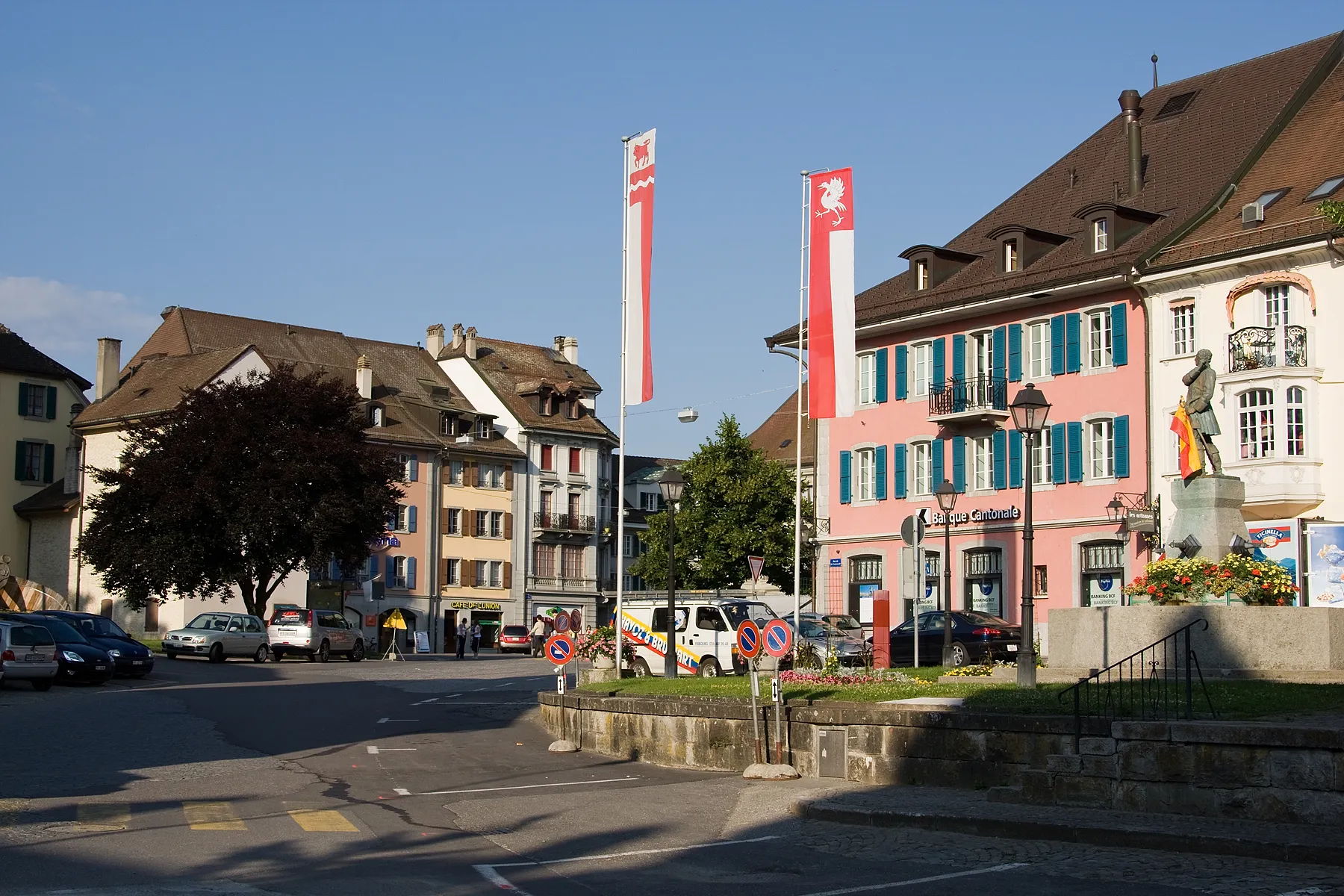
Bulle is the capital of the La Gruyère district in the Canton of Fribourg, French-speaking and unhurried, sitting at the foot of the Fribourg Pre-Alps with roughly 26,000 people in its agglomeration. This is where the dairy farmers come to sell, where the cheese cooperatives keep their offices, and where the cantonal administration occupies a 13th-century castle as if it were no big deal. The double cream that tops your meringue in every café for fifty kilometres? It comes from these pastures.

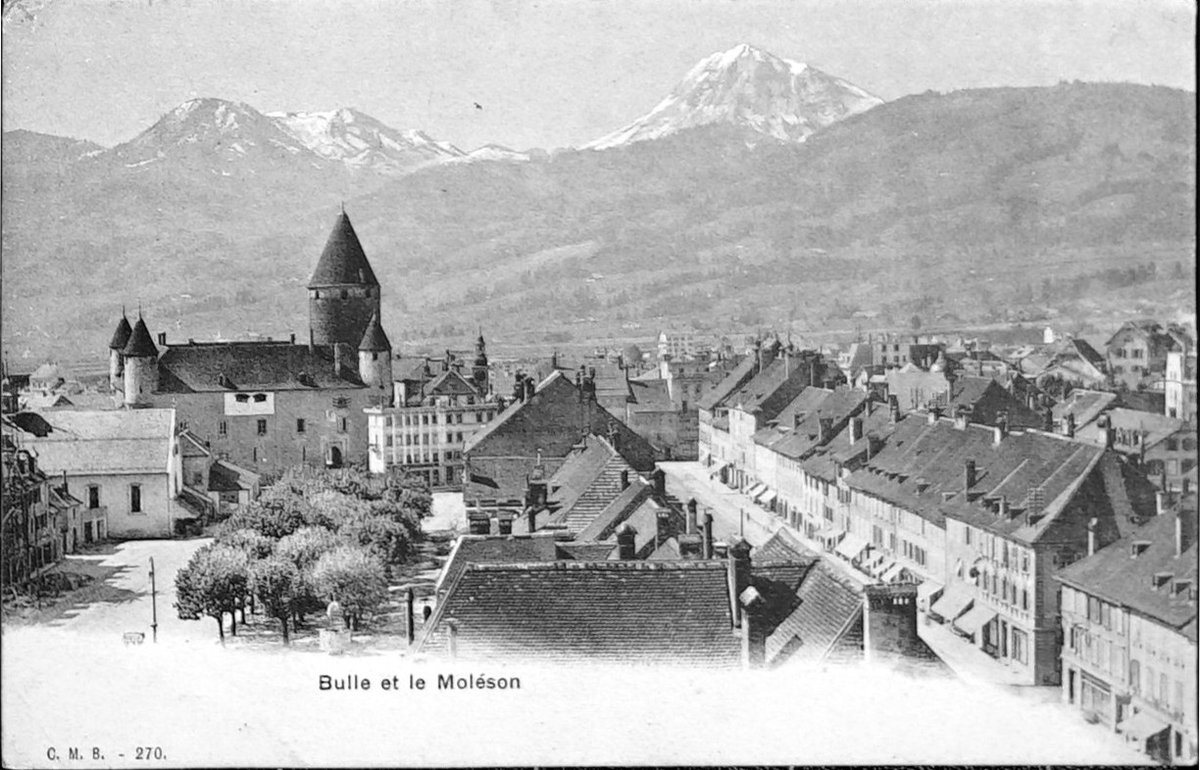
The town's character is practical, Francophone, and slightly under-marketed — which is exactly its appeal. Locals will tell you the folk markets, livestock fairs and concerts attract a mixed crowd, by which they mean farmers in muddy boots and Geneva day-trippers in the same café queue. The cobbled Grand-Rue runs past pastel shopfronts toward the square keep of the castle, and the rhythm of the place changes entirely on market days.

Use Bulle as your base rather than your detour. Gruyères village, Maison Cailler in Broc, the Moléson cable car and Lac de la Gruyère all sit within a fifteen-minute drive, but the hotels here cost less, the restaurants serve locals, and the railway station puts you on direct trains to Montreux and Fribourg. The town earns its keep.

Places to Visit

The Most Interesting Places in Bulle

What Makes This City Special

Gruyère's working capital

Bulle is the market town of the Gruyère AOP cheese district — the place farmers come to trade, not a postcard hilltop village. The double cream here is so thick a spoon stands up in it, and locals eat it with meringues and wild blueberries.

A 13th-century Savoyard fortress

The Château de Bulle, built under the Bishop of Lausanne at the end of the 1200s, anchors the old town with four corner turrets and a stout keep. It still houses cantonal offices, so you can't tour the interior — but from May to September it's the starting point for free guided walks through the historic centre.

Gateway to the Pre-Alps

Bulle sits at the foot of the Fribourg Pre-Alps, with Moléson (2,002 m), Lac de la Gruyère and the cliffside village of Gruyères all within a 15-minute drive. It's the practical base most travellers miss in favour of the prettier hilltop next door.

A cultural hub punching above its weight

For a town of roughly 26,000, Bulle keeps an unusually full calendar of folk markets, livestock fairs, concerts and exhibitions. The Musée Gruérien — currently mid-renovation through 2026–2027 — is the region's ethnographic anchor, with recreated historical interiors and the cult-favourite Quincaillerie Morard hardware-store display.

Practical Information

flight

Getting There

The nearest international airports are Geneva (GVA), roughly 90 minutes by train, and Zurich (ZRH), about 2h15. Trains run direct from Geneva and Lausanne to Bulle via Romont or Palézieux, arriving at Bulle station in the town centre. By road, take exit 5 (Bulle) off the A12 motorway between Bern and Vevey.

directions_transit

Getting Around

Bulle itself is walkable in 20 minutes end to end, so there's no metro — TPF (Transports publics fribourgeois) runs the local Mobul bus network covering the town and immediate surroundings. For excursions in 2026, the regional GoldenPass and TPF lines link Bulle to Gruyères (8 km), Broc (Maison Cailler) and Charmey; the Fribourg Region Guest Card, given free by most hotels, covers public transport across the canton during your stay.

thermostat

Climate & Best Time

Summers (June–August) sit around 18–25°C with frequent afternoon thunderstorms rolling off the Pre-Alps; winters drop to -2 to 4°C with regular snow above 800 m. Spring and autumn hover between 8 and 16°C and bring the alpine transhumance — the Désalpe cattle processions in late September are the single best week to visit. Peak tourist months are July and August; May, June and September are quieter and arguably more pleasant.

translate

Language & Currency

Bulle is solidly French-speaking, though most hotel and restaurant staff handle English and German fine. Switzerland uses the Swiss franc (CHF), not the euro — some businesses accept euros but give change in francs at unfavourable rates, so pay by card or withdraw CHF from an ATM.

Where to Eat

local_dining

Don't Leave Without Trying

Gruyère AOP cheese Fondue moitié-moitié Vacherin Fribourgeois AOP Double crème de la Gruyère with meringues Cuchaule with moutarde de bénichon Bénichon menu Jambon de la borne Poire à botzi AOP

Com’ça

fine dining
Contemporary Swiss tasting menu €€ star 4.9 (892)

Order: Go for the full tasting menu with the wine pairing; reviews keep coming back to the inventive flavor combinations and the careful pacing of each course.

This is the place for a long dinner when you want to see what Bulle can do beyond fondue clichés. Guests talk about warm, deeply informed service and plates that feel thought through from the first pour to the last bite.

schedule

Opening Hours

Com’ça

Monday Closed
Tuesday Closed
Wednesday 7:00 – 11:00 PM
map Maps language Web

L'Ecu Restaurant

fine dining
Refined Swiss seasonal restaurant €€€ star 4.7 (450)

Order: Order the seasonal game menu when chasse is on, or one of the tartares if you want something lighter; both show up repeatedly in reviews.

L'Ecu leans classic without feeling dusty. It is one of the better picks in town for a proper Swiss dinner with polished service, and it makes the most sense in autumn when regional game starts showing up on the table.

schedule

Opening Hours

L'Ecu Restaurant

Monday Closed
Tuesday Closed
Wednesday 11:30 AM – 3:00 PM, 6:30 PM – 12:00 AM
map Maps language Web

Le 5ème Elément

local favorite
Modern European bistro €€ star 4.8 (304)

Order: The smoked salmon tataki is the dish people single out by name, and the portions sound generous across the board.

A strong all-rounder when you want a serious meal without the ceremony of a tasting menu. Reviews praise both the cooking and the fact that you leave full, which is not always guaranteed in polished dining rooms.

schedule

Opening Hours

Le 5ème Elément

Monday Closed
Tuesday 11:30 AM – 2:00 PM, 6:30 – 10:00 PM
Wednesday 11:30 AM – 2:00 PM, 6:30 – 10:00 PM
map Maps language Web

Rallye Restaurant

local favorite
Georgian-influenced European restaurant €€ star 4.8 (107)

Order: Get the plate with creamy garlic sauce, identified in reviews as chkmeruli, or the salmon if you want the safer bet.

This one has a point of view. The Georgian touch gives it more character than the generic restaurant label suggests, and diners keep mentioning attentive service and food with real flavor rather than just tidy presentation.

schedule

Opening Hours

Rallye Restaurant

Monday Closed
Tuesday 6:30 AM – 11:00 PM
Wednesday 6:30 AM – 11:00 PM
map Maps language Web

Koujena

local favorite
Mediterranean grill and mezze €€ star 4.8 (237)

Order: Order generously and share; reviews stress abundant portions, and this is the sort of place that makes most sense with several plates on the table.

Koujena is the easy recommendation when a group wants a relaxed dinner that still feels cared for. People mention kind staff, clean flavors, and portions that do not leave anyone negotiating for dessert space.

schedule

Opening Hours

Koujena

Monday 9:00 AM – 2:30 PM, 5:00 – 10:00 PM
Tuesday 9:00 AM – 2:30 PM, 5:00 – 10:00 PM
Wednesday 9:00 AM – 2:30 PM, 5:00 – 10:00 PM
map Maps language Web

Mahalo coffee shop

cafe
Specialty coffee and house bakes €€ star 4.9 (502)

Order: Try one of the less predictable drinks: the golden latte, beetroot latte, or a flat white if you care about the coffee itself; the banana bread and cinnamon roll get strong mentions too.

Station cafés are usually forgettable. This one is not. Mahalo has the kind of loyal following built on properly made coffee, staff who know what they are doing, and a menu that is curious without turning gimmicky.

schedule

Opening Hours

Mahalo coffee shop

Monday 8:00 AM – 5:00 PM
Tuesday 8:00 AM – 5:00 PM
Wednesday 8:00 AM – 5:00 PM
map Maps language Web

3t

cafe
Tea room and breakfast spot €€ star 4.9 (43)

Order: Come for breakfast: top-quality tea, a croissant or bun, fresh orange juice, and the homemade jams or marmalade that reviewers keep remembering.

3t sounds small, personal, and genuinely hospitable. If you want a calm start before a market morning or a train out of town, this is the sort of place that still explains the menu instead of sliding it across the table and walking off.

schedule

Opening Hours

3t

Monday Closed
Tuesday 6:00 AM – 7:00 PM
Wednesday 6:00 AM – 7:00 PM
map Maps language Web

Aux Parfums Des Saisons Pâtisserie - Traiteur Comte Michel

cafe
Patisserie, bakery, and seasonal sweets €€ star 4.9 (21)

Order: Order the homemade hot chocolate and whatever seasonal pastry is in the case; locals also rave about the Christmas log and celebration cakes.

Not every town bakery is worth a detour. This one probably is. Reviews point to serious pastry work, warm drinks done properly, and custom cakes that look as good as they taste.

schedule

Opening Hours

Aux Parfums Des Saisons Pâtisserie - Traiteur Comte Michel

Monday Closed
Tuesday 6:00 AM – 6:30 PM
Wednesday 6:00 AM – 6:30 PM
map Maps language Web
info

Dining Tips

  • check Thursday market starts from 8:00 AM at Place du Marché, between Château de Bulle and Église St-Pierre-aux-Liens; if Thursday is a public holiday, it moves to Wednesday morning.
  • check Saturday market starts from 8:00 AM at Place Saint-Denis and is mainly focused on food products.
  • check Bulle has held weekly markets since the 12th century, so market mornings are one of the most local ways to eat here.
  • check Lunch in French-speaking Switzerland usually runs about 11:30 AM to 2:00 PM, and many places offer a plat du jour or menu du jour.
  • check Apéro typically runs around 5:00 PM to 7:00 PM, often with drinks and small bites.
  • check Dinner is usually eaten between 7:00 PM and 9:00 PM, and in a town the size of Bulle many kitchens stop taking orders by about 9:30 PM.
  • check Service is included in Switzerland, so tipping is not required; for good service, locals often round up or leave about 5 to 10 percent.
  • check Regional dishes matter here: if a menu offers fondue moitié-moitié, Vacherin Fribourgeois, meringues with double crème, or a Bénichon specialty, that is the local lane to stay in.
Food districts: Place du Marché, the main Thursday market area between Château de Bulle and Église St-Pierre-aux-Liens Place Saint-Denis, the smaller Saturday market area focused on food products

Restaurant data powered by Google

Tips for Visitors

directions_bus
Use Bulle as your base

Bulle is the practical hub for the Gruyère region. From here, regional buses and trains reach Gruyères village, Moléson, and Maison Cailler in Broc within 15-25 minutes.

tour
Free castle walking tour

From May to September, the Château de Bulle is the meeting point for free 1 to 1.5-hour guided walks through the historic centre. Ask at the tourism office for the schedule.

museum
Check Musée Gruérien status first

The region's top-rated museum closed its basement on 3 February 2025 for roughly two years of expansion works. Confirm what's open via fribourg.ch before planning your visit around it.

restaurant
Try la crème double here

Order Gruyère double cream (crème de la Gruyère) with meringues or berries at a café in the old town. It's a regional specialty far richer than anything sold abroad as 'Swiss cream'.

calendar_month
Time your visit with the market

Bulle hosts traditional folk markets and livestock fairs that draw farmers from across La Gruyère. The Thursday market in the old town is the most authentic moment to see local life.

language
Bring basic French

Bulle sits in the French-speaking part of bilingual Canton Fribourg. A few words of French go further here than German or English, especially in the older cafés and at the markets.

Explore the city with a personal guide in your pocket

Your Personal Curator, in Your Pocket.

Audio guides for 1,100+ cities across 96 countries. History, stories, and local insight — offline ready.

smartphone

Audiala App

Available on iOS & Android

download Download Now

Join 50k+ Curators

Frequently Asked

Is Bulle worth visiting? add

Yes, but not as a destination on its own. Bulle is the practical base for exploring the Gruyère region — its castle, museum, and old town fill a half-day, and it's where you stay or change trains for Gruyères village, Moléson, and Maison Cailler.

How many days do you need in Bulle? add

One to three days. A single afternoon covers the old town and Château de Bulle, while two to three days lets you use Bulle as a base for Gruyères, the Cailler chocolate factory in Broc, Lac de la Gruyère, and a Pre-Alpine hike from Moléson.

What's the difference between Bulle and Gruyères? add

Bulle is a working market town of about 26,000 people and the administrative capital of the Gruyère district. Gruyères is a small fortified hilltop village 8 km south, far more touristy, with its famous castle and cheese dairy.

How do I get from Bulle to Gruyères village? add

Take the regional train from Bulle station toward Montbovon and get off at Gruyères, about a 10-minute ride. From the Gruyères station, it's a short uphill walk (or shuttle) to the medieval village.

What language is spoken in Bulle? add

French. Although Canton Fribourg is officially bilingual French and German, Bulle sits firmly in the Francophone part. Most tourism staff speak English, but signage and menus are French first.

When is the best time to visit Bulle? add

Late spring through early autumn (May to September). The free guided castle walks run in those months, the alpine pastures around Moléson are open, and the regional markets and dairy events are most active.

Is Bulle expensive? add

It's cheaper than Swiss hotspots like Zermatt or Lucerne but still firmly Swiss in price. Expect roughly 25-35 CHF for a sit-down lunch and 120-180 CHF for a mid-range hotel room in town.

Sources

Last reviewed:

All Places to Visit

3 places to discover

Bulle

Bulle

photo_camera

Musée Gruérien

photo_camera

Saint-Pierre-Aux-Liens Parish Church