
Place
Russia Updated Apr 2026
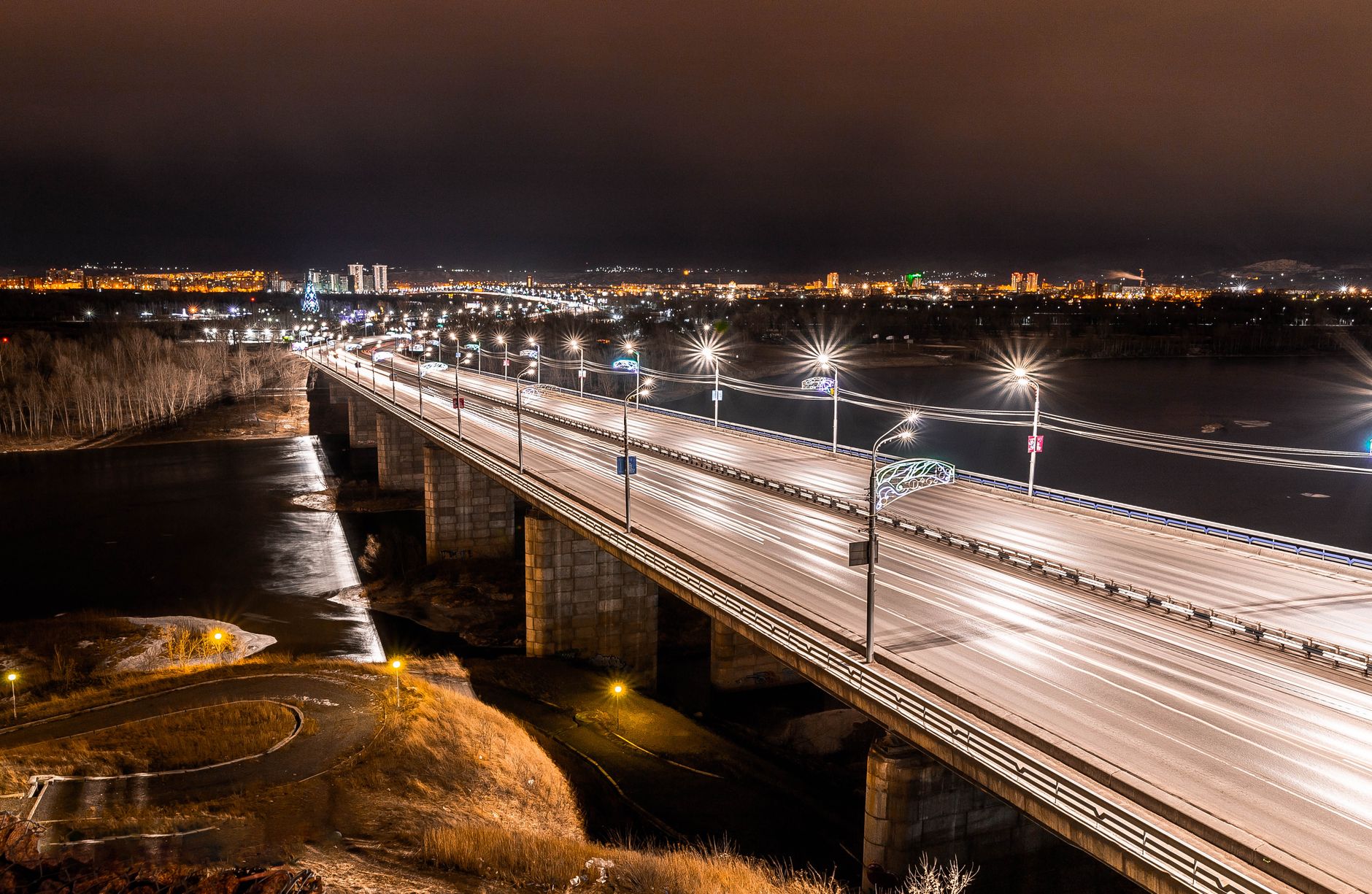
Your first impression of Krasnoyarsk, Russia, might be the sharp, mineral scent of the air. It smells of distance, of the Siberian taiga that presses against the city's eastern flank, and of the immense, cold Yenisei River that cuts through its center. This is the geographical heart of the country, a place where industrial ambition and raw wilderness meet in a silent, ongoing negotiation.
 Photo: Radik 2707 / Pexels
Built from cited sources · see the method · How we make our guides →
The city's character is most clearly expressed in Stolby National Park, where 189 ancient volcanic rock formations rise like a petrified city. Since 1925, a unique subculture called 'Stolbism' has thrived here—a freestyle rock climbing philosophy that's less about conquering peaks and more about a quiet, physical communion with stone. You'll see climbers without ropes, moving with a meditative focus that feels more like a ritual than a sport.
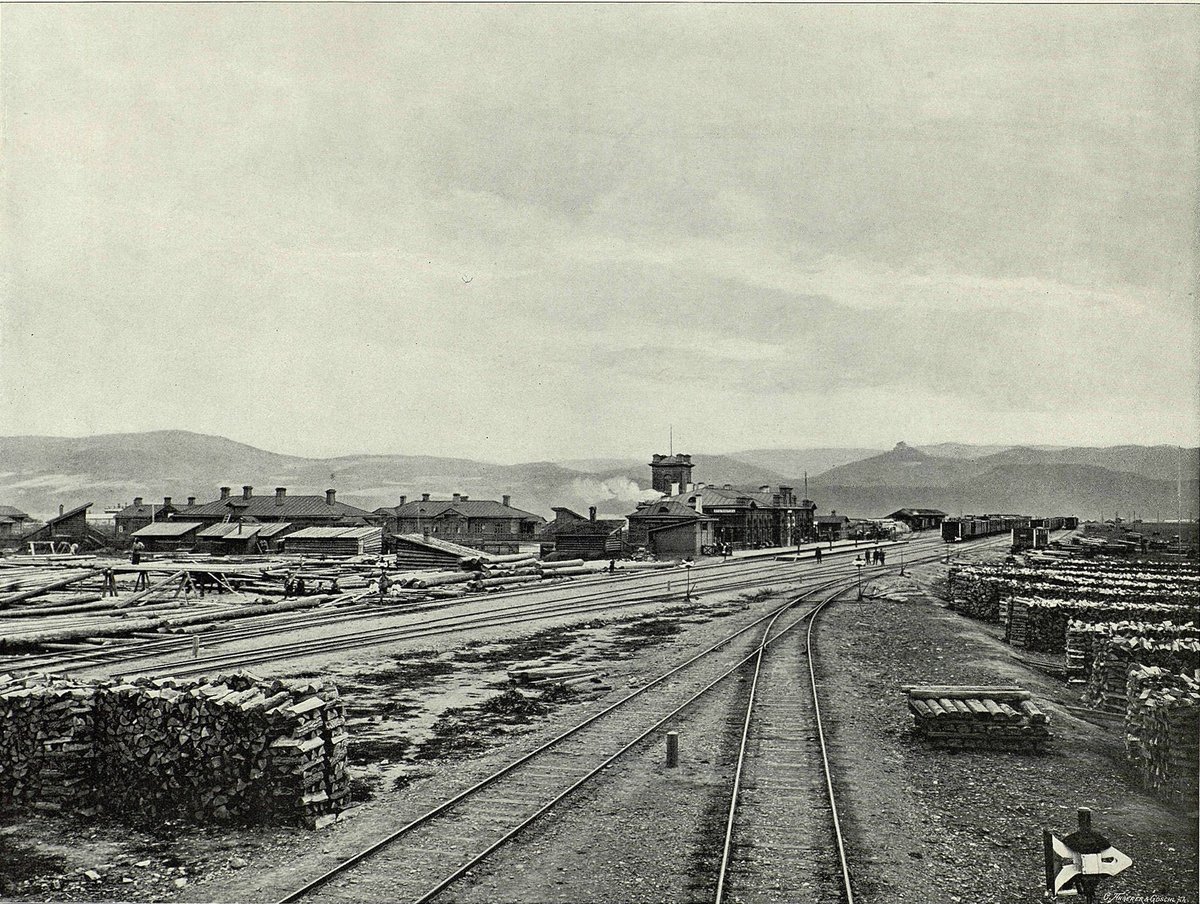
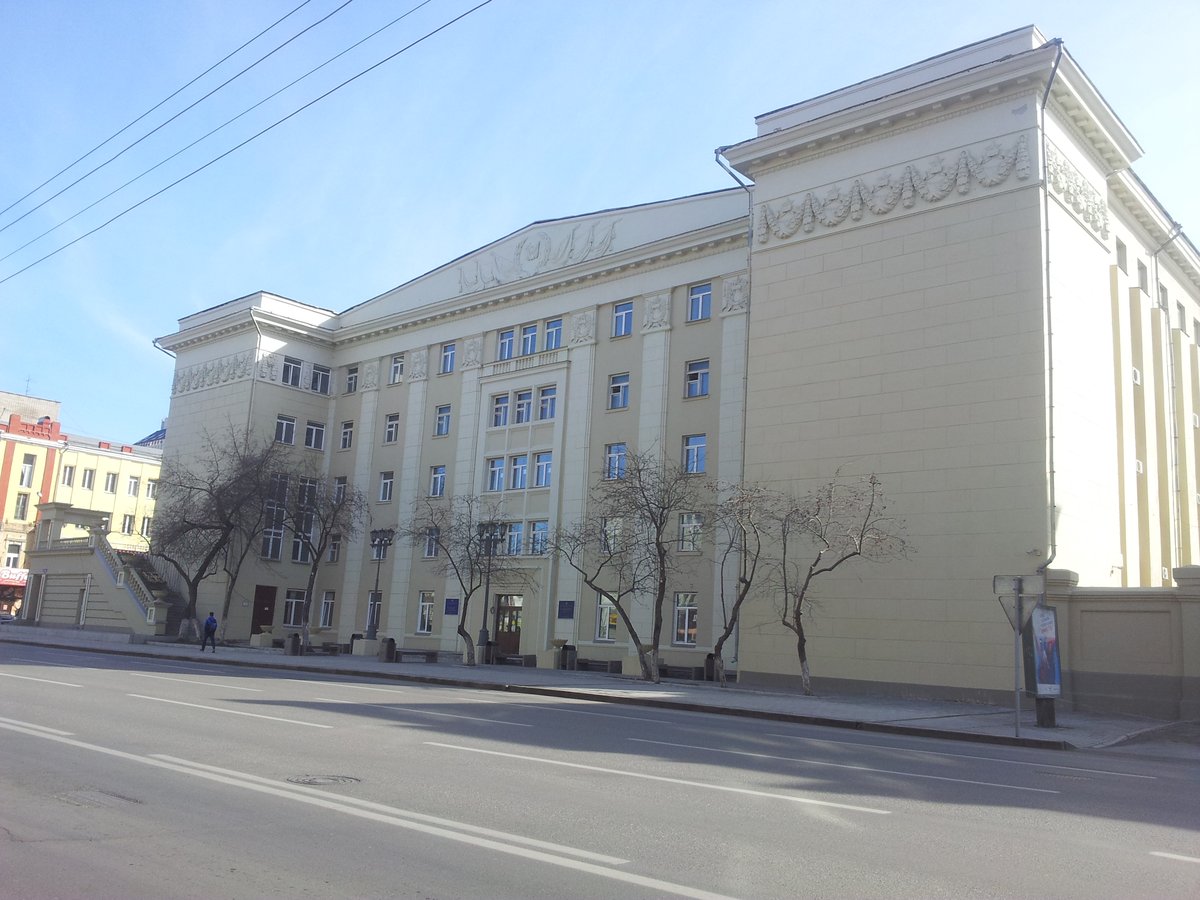
Krasnoyarsk wears its history in layers. Its left bank holds 18th-century merchant houses and the heavy, confident architecture of the Stalinist empire. Yet it has a modern pulse, too. Over 700 coffee shops create a network of warm refuges against the Siberian cold. In winter, when temperatures can plunge past -40°C, the mist from the hydroelectric dam freezes the surrounding forest into a silent, glittering crystal palace.
This is a city that measures itself against its river. The Yenisei is over two kilometers wide here, a vast, pewter-colored highway. The daily noon cannon fired from the hilltop chapel is less a military relic and more a timekeeper for this riverine life. Everything—from the power station's turbines to the quiet contemplation at the Tsar-Ryba viewpoint—orbits the relentless, powerful flow of water heading north to the Arctic.
Not every monument, just the ones we'd walk you past ourselves.


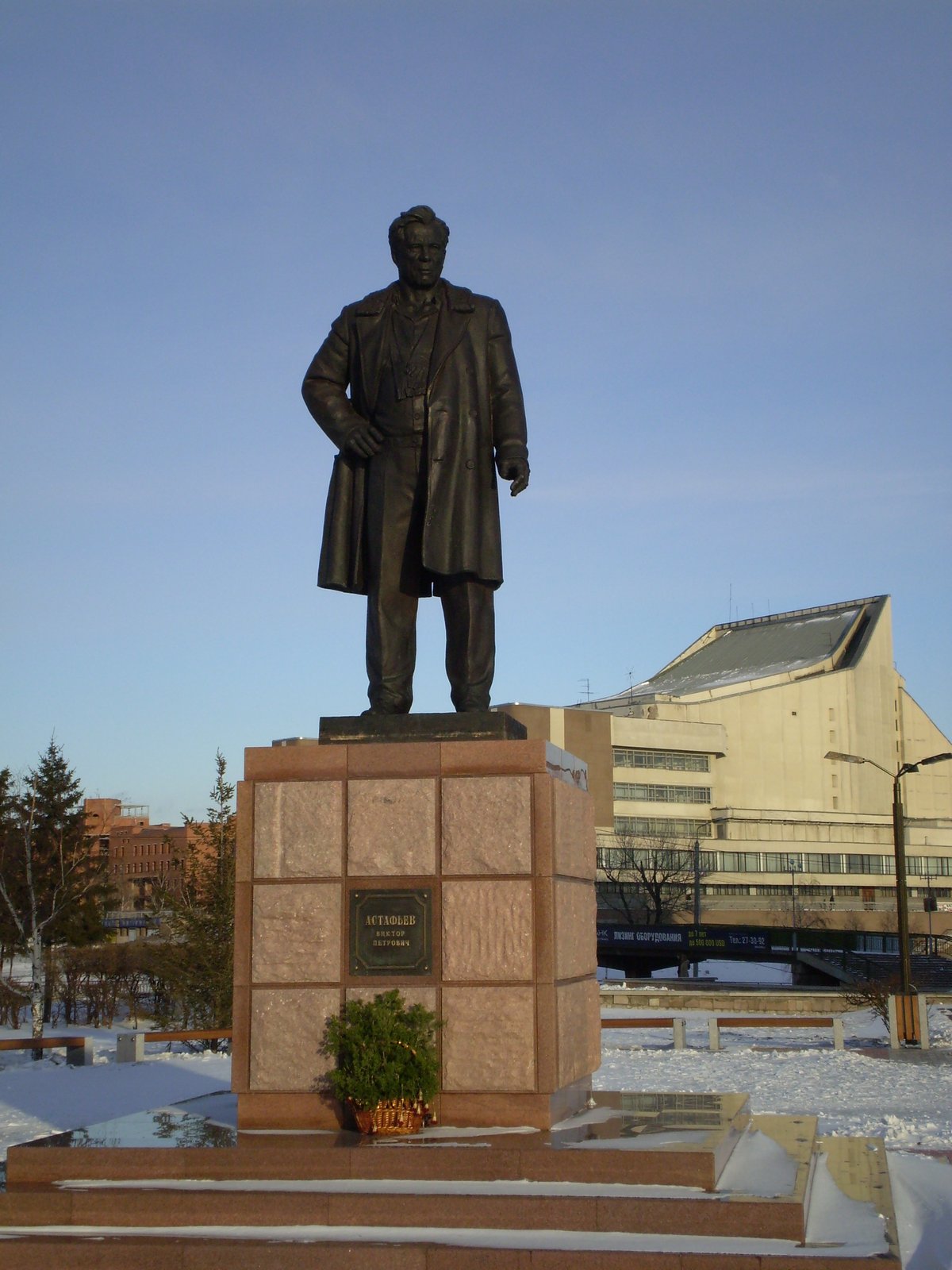
Where to wander, by quarter — each with its own rhythm.
Before you go
Where locals actually book dinner — not the tourist menus.
Small things that change how the city treats you.
The city, as it actually looks.


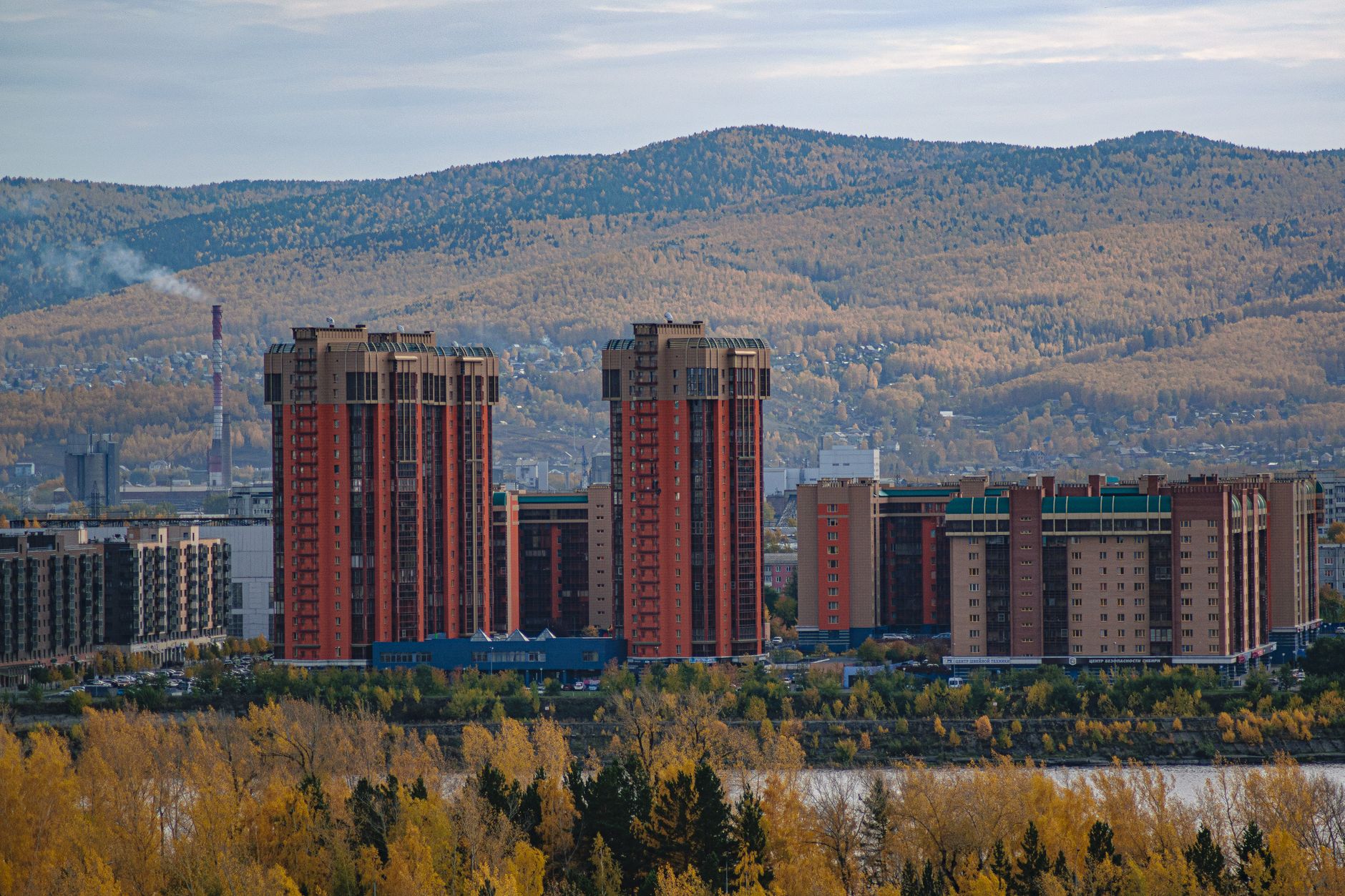


Yes, if you want to understand Siberia. It's where industrial grit meets raw taiga. The city's soul is Stolby National Park, a UNESCO-noted site for its unique rock-climbing subculture you won't find elsewhere.
Spend at least 3-4 days. One full day is non-negotiable for Stolby National Park. Another for the city center, embankment, and museums. Add a day for trips to the hydroelectric dam or Torgashinsky Ridge.
Visit in summer, from June to August. Temperatures are a manageable +25°C to +30°C, perfect for hiking Stolby and walking the Yenisei embankment. Winter plunges to -45°C – beautiful but brutal.
Take a bus. It's the most straightforward way. The park is the city's backyard, but it's vast. Research which gate or trailhead you need based on which rock formations you want to see.
Standard city precautions apply. It's an industrial hub, not a war zone. Use common sense after dark and trusted taxi apps. The real 'danger' is underestimating the scale of the wilderness on its doorstep.
Seek out 'Stolbism'. It's more than climbing; it's a century-old ethos of freestyle mountaineering and environmental respect. You'll see it in the climbers on the pillars – no official guides, just generations of shared technique.
22 places to discover




Saved and recently read places — kept on this device only.
Photos may have been resized or cropped.