Introduction
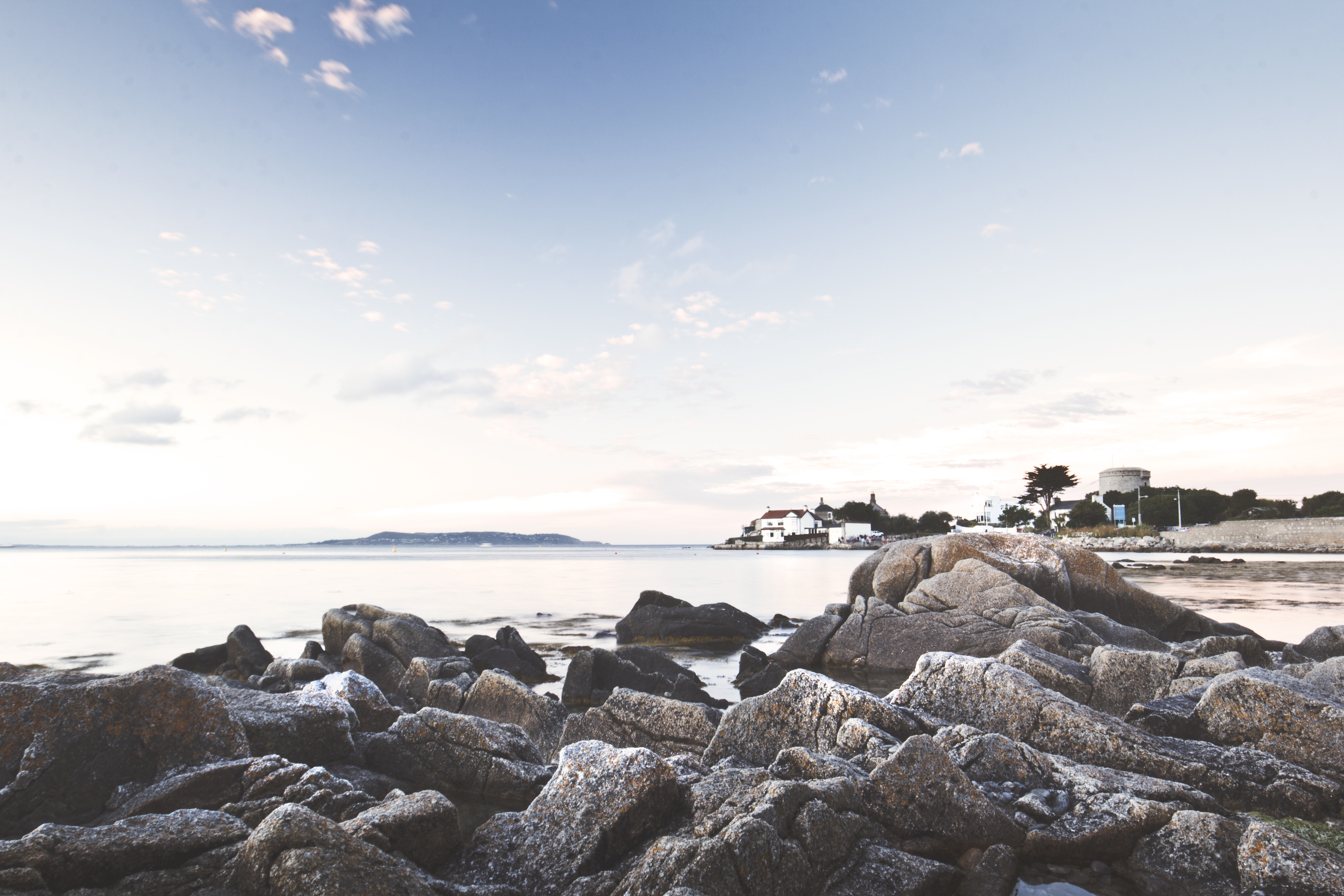
Overlooking the rugged coastline of Sandycove, just south of central Dublin, the James Joyce Tower and Museum is a remarkable intersection of Ireland’s military architecture and its celebrated literary tradition. Originally constructed in 1804 as a Martello tower to defend against a threatened Napoleonic invasion, the structure gained enduring fame as the setting for the opening of James Joyce’s Ulysses after Joyce’s brief stay in 1904. Today, the tower is both a pilgrimage site for literature lovers and a testament to the rich tapestry of Dublin’s cultural and historical legacy (Dublin Places to Visit; Babylon Radio; Visit Dublin).
Historical Background
From Coastal Defense to Cultural Landmark
The James Joyce Tower began life as one of nearly 50 Martello towers built across Ireland’s coast in the early 1800s, inspired by a Corsican fortification and intended as a defense against potential French attacks (Dublin Places to Visit). Its thick granite walls, narrow spiral staircase, and rooftop gun platform stand as relics of early 19th-century military engineering.
After the perceived threat receded, the tower was leased out for civilian use. In 1904, poet Oliver St John Gogarty rented the Sandycove tower, soon inviting James Joyce to join him. Joyce's short but eventful stay left an indelible mark on both the building and the literary world (Dublin Places to Visit).
Literary Significance: The Ulysses Connection
The tower’s role in Ulysses—where it serves as the setting for the opening scene with the characters Stephen Dedalus and Buck Mulligan—is one of the most famous literary associations in Dublin. Joyce’s experience in the tower inspired the atmospheric opening of his modernist masterpiece, and the space is meticulously preserved in homage to this connection. Artifacts and period furnishings evoke the tangible world of Joyce and early 20th-century Dublin (Irish Travel Hub; Visit Dublin City).
The Museum Experience
Authentic Setting and Collections
The tower’s interior is carefully reconstructed to reflect the 1904 period, with the round room preserved much as it was during Joyce’s stay. Exhibits include:
- Joyce’s personal possessions: walking stick, spectacles, and clothing
- Original manuscripts, letters, and rare editions
- Photographs and portraits of Joyce and his contemporaries
- Artifacts referenced in Ulysses, such as the “Plumtree’s Potted Meat” pot
- Military memorabilia from the tower’s defensive past (Touristy.ie)
Rooftop Views
A climb to the rooftop gun platform rewards visitors with panoramic vistas over Dublin Bay and the Wicklow mountains, a view immortalized in Joyce’s writing (Independent.ie).
Volunteer Expertise
Knowledgeable volunteers from the Friends of Joyce Tower Society staff the museum, offering informal guided tours and readings from Ulysses, bringing the literary and historical context to life (Irish Times).
Visiting Information: Hours, Tickets, and Accessibility
Opening Hours
- Summer (May–September): Daily, 10:00 am–6:00 pm
- Winter (October–April): Daily, 10:00 am–4:00 pm
- Special Hours: Extended opening for Bloomsday (June 16th) and festival events
Admission
- Free entry for all visitors; donations are welcomed to support the museum’s operation (DoDublin)
Access
- The museum is housed in a historic structure with narrow spiral stairs; only the ground floor is wheelchair accessible. Visitors with mobility concerns should contact the museum before arrival for assistance (Joyce Tower).
Getting There
- Public Transport: DART train to Sandycove & Glasthule station, followed by a 14-minute walk
- Parking: Limited street parking; public transport is recommended, especially during events (Visit Dublin)
Practical Tips & Nearby Attractions
- Duration: Most visitors spend 45–90 minutes exploring
- Photography: Permitted, but flash may be restricted in some areas
- Facilities: Restrooms available; no café on-site, but Sandycove and Glasthule offer dining options nearby
- Other Attractions: The Forty Foot swimming spot, Dún Laoghaire Harbour, DLR Lexicon Library, and Sweny’s Chemist (Visit Dublin)
Special Events: Bloomsday
Each year on June 16th, the tower is at the heart of Bloomsday celebrations, commemorating the day on which Ulysses is set. The festival features:
- Live readings and performances
- Theatrical reenactments
- Music, lectures, and family events
- Special guided tours and extended hours
Events are often free but can require advance booking due to high demand (Joyce Tower Events; Visit Dublin).
Frequently Asked Questions (FAQ)
Q: What are the James Joyce Tower visiting hours?
A: Summer: Daily 10am–6pm; Winter: Daily 10am–4pm. Check the official site for seasonal or special event updates.
Q: Is there an admission fee?
A: Admission is free; donations are appreciated.
Q: Is the museum accessible for visitors with disabilities?
A: The ground floor is accessible; upper levels are only accessible by stairs. Contact the museum for more information.
Q: Are guided tours available?
A: Informal guided tours are offered by volunteers and included with admission, subject to availability.
Q: How do I get there?
A: DART train to Sandycove & Glasthule station, then a short walk.
Discover More
The James Joyce Tower and Museum stands as a testament to Ireland’s layered history—combining the legacy of coastal defense with the enduring power of literary genius. With free admission, expert volunteer guides, and an unparalleled connection to Ulysses, it is a must-see for anyone interested in Irish culture. For up-to-date information on visiting hours, events, and group bookings, visit the official James Joyce Tower website. Enhance your literary journey with the Audiala app, and follow the museum on social media for the latest news and Bloomsday updates. Plan your visit and experience the spirit of Joyce’s Dublin firsthand!
Listen to the full story in the app
Your Personal Curator, in Your Pocket.
Audio guides for 1,100+ cities across 96 countries. History, stories, and local insight — offline ready.
Audiala App
Available on iOS & Android
Join 50k+ Curators
Sources
- verified
- verified
- verified
- verified
- verified
- verified
- verified
- verified
Last reviewed: