Sintra
location_on 15 attractions
calendar_month Spring (April–June) and early autumn (September–October)
schedule 2–3 days

Introduction

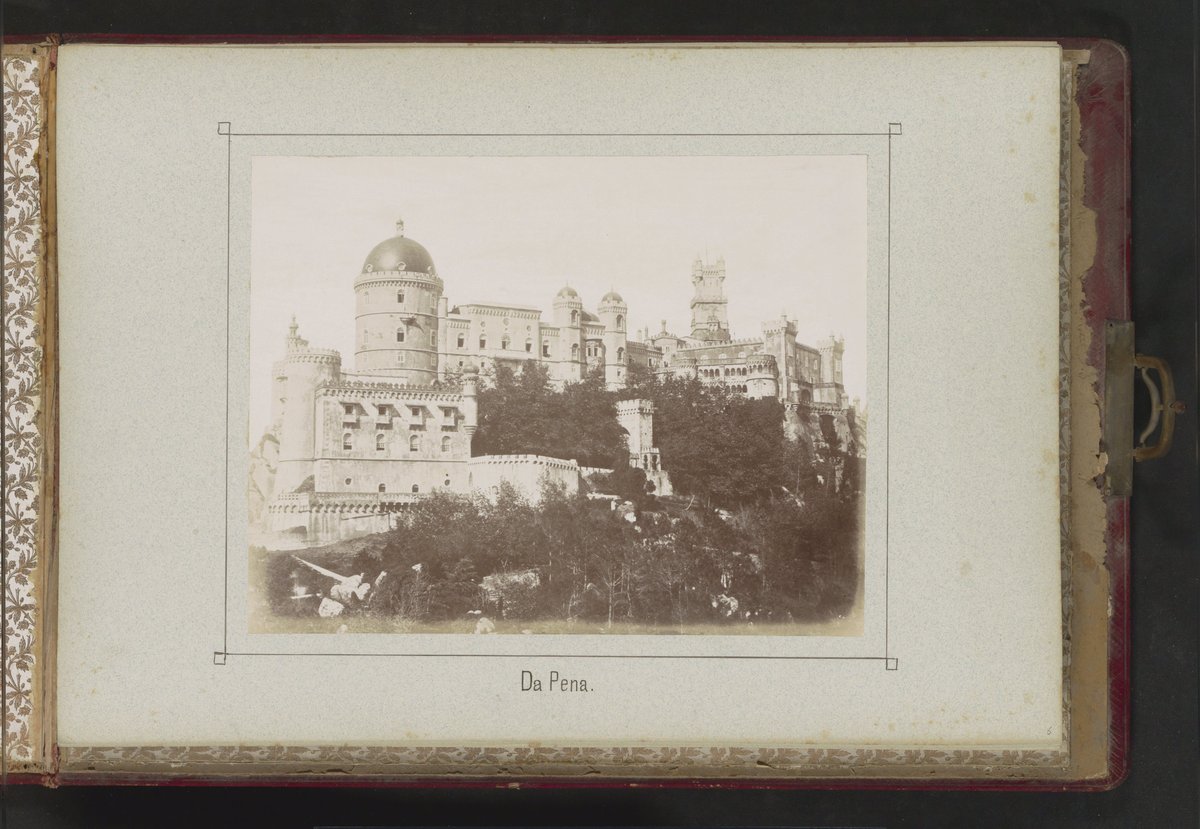
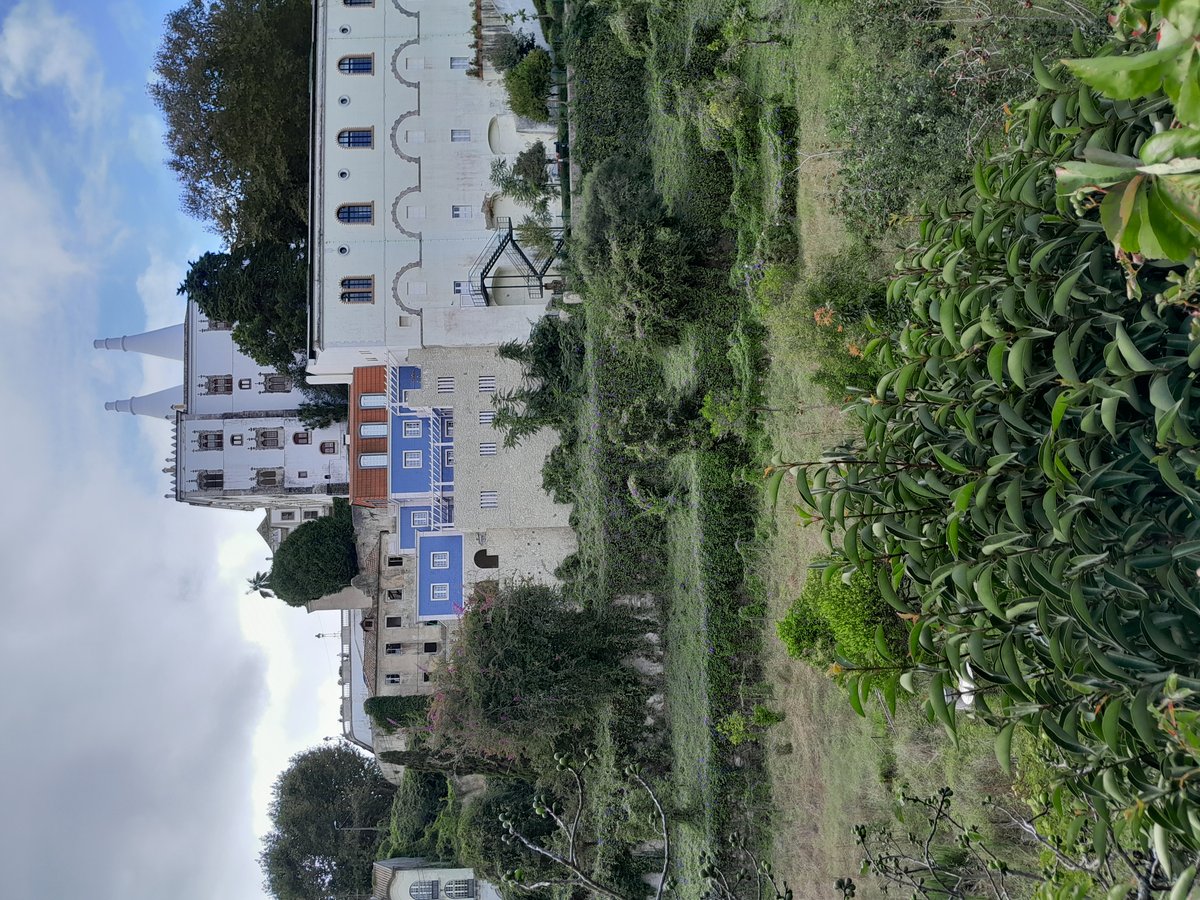
Fog rolls uphill at 8 a.m. and wraps the yellow onion domes of Pena Palace so tightly that Sintra, Portugal looks like a monarchist hallucination. One minute you’re in a pine-scented cloud forest, next you’re staring at Gothic-Moorish towers painted the color of blood oranges. Nothing about this granite ridge 30 minutes west of Lisbon behaves like the rest of Europe.
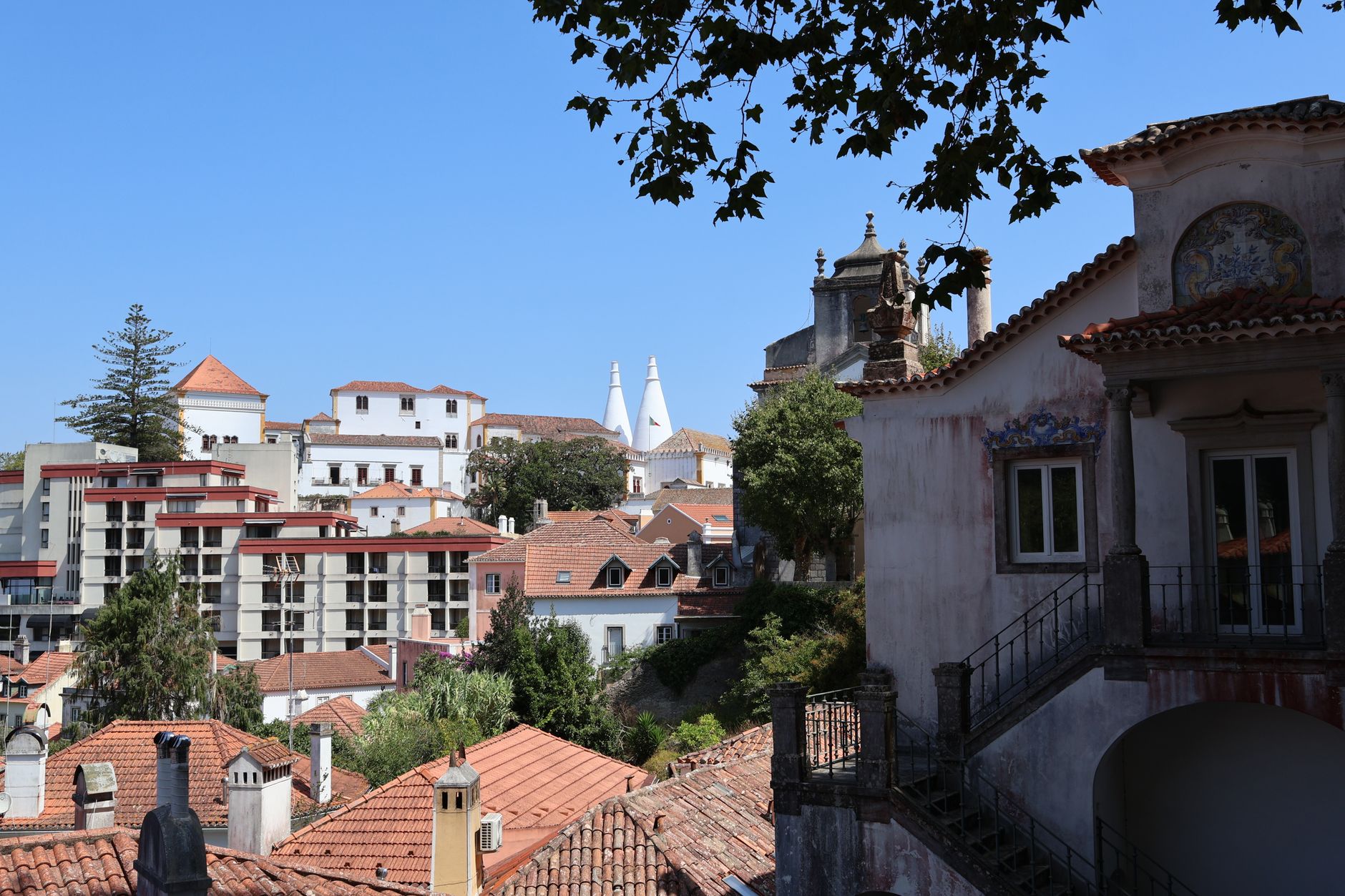
Romantics didn’t discover Sintra—they invented it. In 1840 Dom Fernando II ripped up a ruined monastery and built a castle that looks like it was sketched by a sleep-deprived opera set designer. The result turned the entire hill into the first Cultural Landscape ever listed by UNESCO, a place where architecture and wilderness negotiate like rival siblings. Walk the ramparts of the Moorish Castle and you’ll feel the Atlantic wind tunnel through 8th-century battlements; duck into the Initiation Well at Quinta da Regaleira and you’ll spiral down 27 meters of mossy stone that feels older than gravity.

Sintra isn’t only palaces. Travesseiros—flaky almond-and-egg pastries—cool on bakery racks while Colares vines, rooted in Europe’s westernmost DOC, age in 1930s cellars. The same tram that once carried wine barrels now rattles past dinosaur footprints on Praia Grande. Stay after dusk and the lights in the historic center dim, the fog thickens, and the place turns conspiratorial—less postcard, more secret society with very good seafood.

Places to Visit

The Most Interesting Places in Sintra

Quinta Da Regaleira

Quinta Da Regaleira

Quinta da Regaleira stands as one of Sintra’s most enigmatic and captivating historical sites, blending mysticism, rich symbolism, and eclectic architecture…

Sintra-Cascais Natural Park

Sintra-Cascais Natural Park

Located in the enchanting town of Sintra, Portugal, Restaurante Neptuno offers an extraordinary dining experience that combines rich history, architectural…

Pena Palace

Pena Palace

Perched majestically atop the Sintra Mountains, Palácio da Pena is not only a striking architectural marvel but also a profound emblem of Portugal’s rich…

Sintra National Palace

Sintra National Palace

The Palácio Nacional de Sintra, located in the picturesque town of Sintra, Portugal, is a remarkable testament to the country's rich historical and…

Monserrate Palace

Monserrate Palace

Parque de Monserrate, nestled in the enchanting hills of Sintra, Portugal, is a treasure trove of historical, architectural, and botanical wonders.

Sintra Natural History Museum

Sintra Natural History Museum

Nestled in the heart of Sintra, Portugal, A Praço stands as a captivating site of immense historical and cultural significance.

landscape

Fort of Guincho

Forte do Guincho, situated in the Sintra municipality of Portugal, is a historic fortification that offers visitors a unique glimpse into the nation's rich…

Newsmuseum

Newsmuseum

Nestled in the historical center of Sintra, Portugal, the News Museum is a modern marvel dedicated to the evolution of media and journalism.

Cabo Raso Lighthouse

Cabo Raso Lighthouse

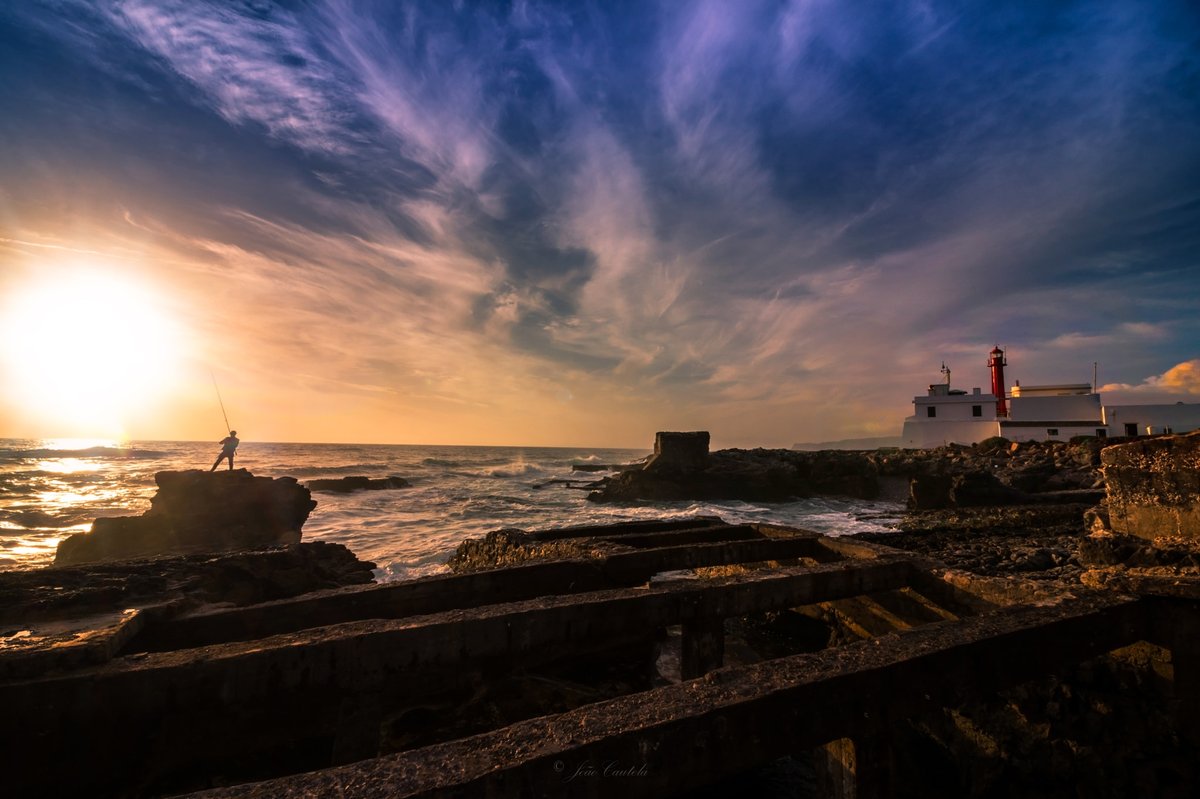
Farol do Cabo Raso, located in the scenic town of Sintra, Portugal, is a lighthouse of notable historical, architectural, and cultural importance.

landscape

Praia Da Arriba

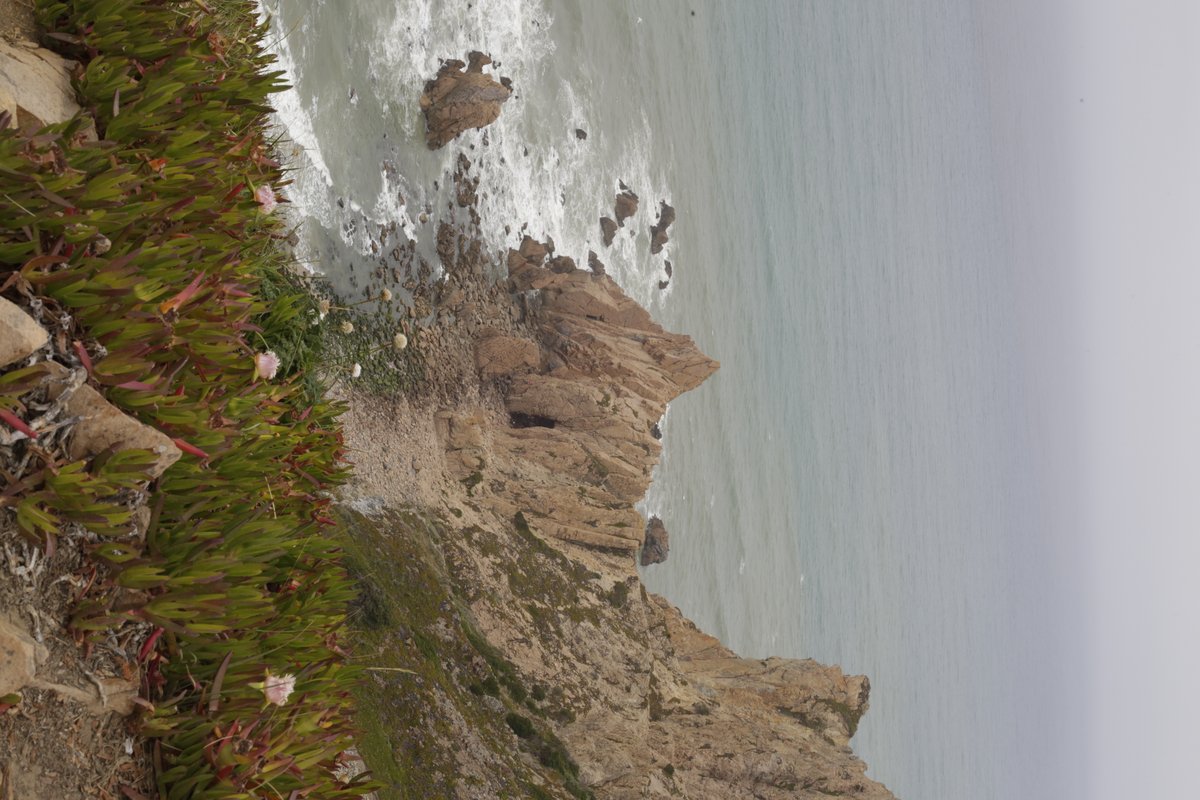
Nestled in the picturesque region of Sintra, Portugal, Praia da Arriba is a captivating destination renowned for its stunning landscapes, rich historical…

Bengaluru

Bengaluru

Praia da Aroeira, situated in the enchanting Sintra region of Portugal, is a destination that encapsulates a profound blend of history, culture, and natural…

landscape

Cabo Da Roca Lighthouse

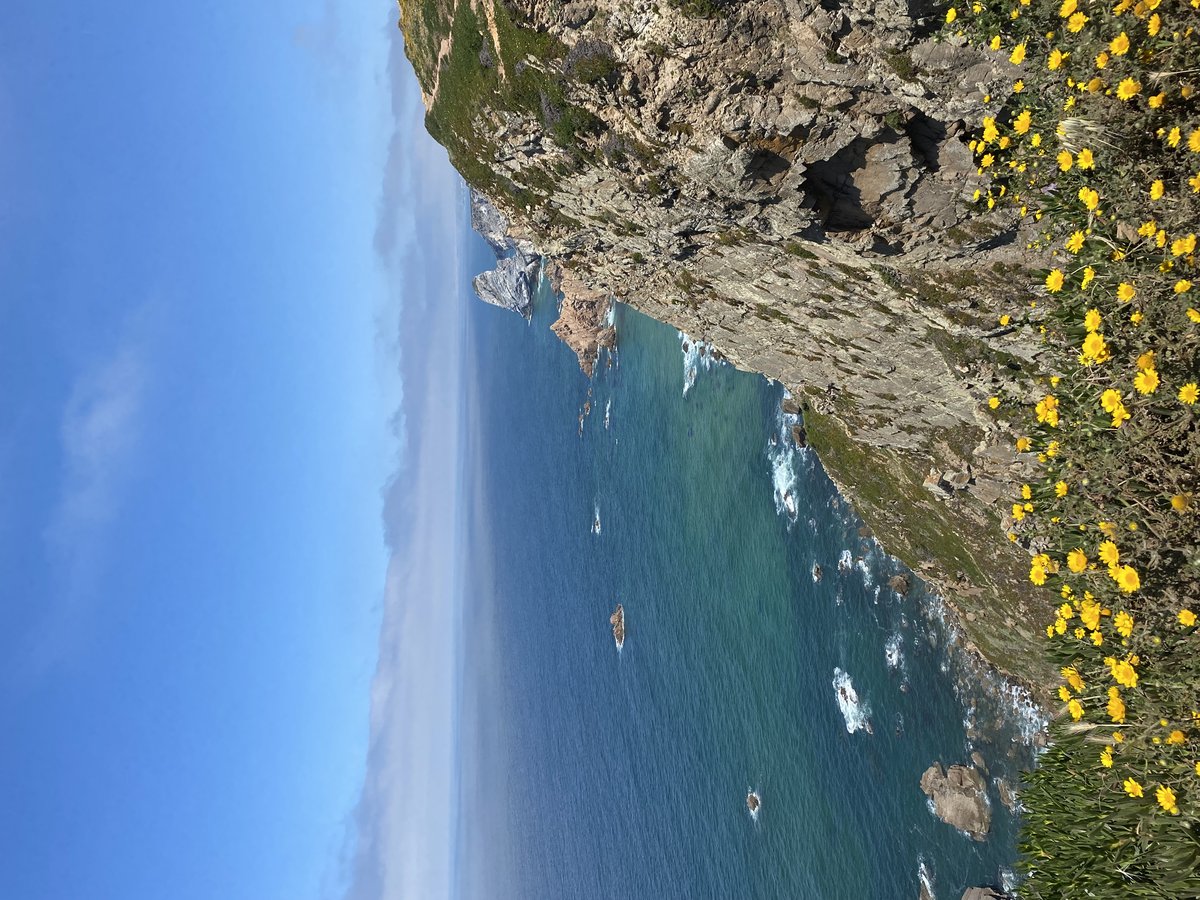
Farol do Cabo da Roca, located at the westernmost point of mainland Europe in Sintra, Portugal, is not only a beacon of maritime history but also a…

What Makes This City Special

Romantic Architecture Epicenter

Sintra is Europe’s first Romantic architectural landscape, where Pena Palace’s 19th-century technicolor ramparts rise 450 m above sea level and the Moorish Castle’s 10th-century stones frame Atlantic views. UNESCO lists the entire hills as a Cultural Landscape, not just a collection of monuments.

Hidden Gardens & Initiation Wells

Quinta da Regaleira’s 4 ha park drips with grottoes, tunnels, and a 27 m spiral well once used for esoteric rituals, while Monserrate’s botanical garden shelters tree ferns from Australia and Mexico in a 19th-century Indo-Gothic setting.

Europe’s Westernmost Wine

The rambling Colares vineyards, planted in beach sand to escape phylloxera, still produce DOC Colares wines—taste them at Adega Regional de Colares (founded 1931) before watching the sun fall off the continent at Cabo da Roca, 18 km west.

Living Culture Beyond Palaces

MU.SA occupies Sintra’s 1924 casino for contemporary art with free entry, while Centro Cultural Olga Cadaval programs concerts inside a converted Art-Deco cinema—proof the town’s creative pulse beats past the Romantic era.

Historical Timeline

Where Palaces Rose from Stone-Age Mist

From megalithic tombs to Romantic dreams in the clouds

castle
c. 2500 BCE

Megalithic Tomb Raised

On the ridge above today’s Moorish walls, farmers haul granite slabs to build the Tholos do Monge, a beehive tomb whose corridor still smells of damp earth and wood-smoke. The tomb anchors Sintra’s first sacred landscape, aligning its doorway with the winter-solstice sunrise over the Atlantic.

church
c. 50 CE

Roman Sun Shrine Erected

At Alto da Vigia, masons inscribe altars to Sol, Luna, and Oceanus—an open-air sanctuary where torches once flickered against the salt wind. Coins and dolphin-shaped lamps found here show Sintra was already a place where empire met ocean at the edge of the known world.

gavel
c. 1000

Al-Bakri Records Sintra Palace

The geographer al-Bakri writes of a ‘palace of the governor’ amid lush springs and game-rich forests, giving the town its first written name. Muslim engineers reroute streams to irrigate terraces—ghosts of those channels still whisper beneath Regaleira’s moss-covered stairs.

swords
1147

Christian Reconquest

After Afonso Henriques’s armies storm Lisbon, the Almoravid garrison at Sintra negotiates surrender; the red-and-gold banner of Portugal is hoisted over the castle keep. Within weeks, Latin Mass echoes where the muezzin had called.

gavel
1154

Royal Charter Granted

Gualdim Pais, Templar master, signs Sintra’s foral, granting weekly markets and self-rule. The charter’s wax seal, still kept in the National Archive, smells of beeswax and pine smoke—an aroma that lingers in the town’s winter festivals today.

castle
1281

Royal Palace First Mentioned

King Dinis and Queen Isabel winter at the ‘palace of Chão da Oliva,’ drawn by the mild air and abundant game ledgers. Their stay fixes Sintra as a royal retreat, launching seven centuries of courtly obsession with its mist-soft climate.

swords
1413

Ceuta War Council

João I convenes nobles beneath the palace’s Mudéjar ceiling to plan the assault on Ceuta—Portugal’s first overseas conquest. Maps are unrolled on trestle tables; candle-wax drips onto tiles that tourists still photograph six hundred years later.

church
1503

Manuel I Founds Pena Monastery

On the windy summit where hermits once dwelt, Manuel I orders a modest monastery dedicated to Our Lady of Pena, its tiny chapel tiled in cobalt and gold. The monks’ chant drifts downhill, a sonic bridge between heaven and the cork-oak forests below.

person
c. 1524

Camões Hears Sintra’s Echoes

Young Luís de Camões wanders the serra, storing up images—mist-clad crags, echoing ravines—that will resurface in *The Lusiads*. The poet’s Sintra is half-real, half-myth: a place where nymphs whisper behind waterfall curtains.

church
1560

Capuchos Convent Carved

Franciscan friars scrape cells into cork-lined rock, doorways so narrow a capped head must bow. The complex is poverty made architecture—no marble, just lichen-speckled stone and the scent of burning rosemary.

person
1674–1683

Afonso VI Imprisoned

The deposed king, half-mad and gout-ridden, paces the palace’s azulejo corridors while guards watch from peepholes. His muffled cello sonatas seep through keyholes, a soundtrack to regicide rumors that haunt Sintra nights.

local_fire_department
1755

Earthquake Shatters Palaces

The Lisbon quake cracks palace walls, topples the Trinity Convent’s bell tower, and splits Monserrate’s dome like a cracked egg. Rebuilding blends Baroque rigor with Rococo whimsy—Sintra’s skyline becomes a scar that learned to sing.

person
1809

Byron’s Glorious 14 July

Lord Byron rides up the cork-oak avenue at dusk, pockets full of scribbled verses. In *Childe Harold* he brands Sintra a ‘glorious Eden’—and overnight the village becomes a Romantic must-see, its name murmured in London salons scented with ink and candle-fat.

person
1838

Ferdinand II Buys Pena Ruins

The German-born king consort purchases the earthquake-shattered monastery and dreams aloud of a palace ‘born of opera and forest.’ Within two years, ox-carts lug Bavarian stained glass up goat paths; the mountain begins its transformation into a Technicolor crown.

palette
1863

Cook Re-imagines Monserrate

English millionaire Francis Cook plants tree-ferns beside Indian palms and builds a palace that mixes Islamic lace with Gothic ribs. The result is a botanical globe in miniature—scents of Mexican yucca drifting past Moorish arches.

factory
1887

Railway Opens, Tourism Booms

Steam whistles echo through the ravine as the first train from Lisbon wheezes into Sintra station on 2 April. Queijada vendors relocate from hilltop cloisters to platform kiosks; the journey that once took four hours by mule now takes forty scented minutes.

castle
1904–1910

Regaleira’s Occult Playground

António Monteiro and set-designer Luigi Manini sink a 27-meter spiral well beneath Regaleira lawns, its nine platforms echoing Dante’s circles. Initiates in white robes once descended by torchlight—today tourists clutch smartphones instead of lanterns.

gavel
5 Oct 1910

Republic Proclaimed from Pena

Queen Amélia receives the telegram at breakfast: monarchy is over. By dusk she has descended the mountain road forever; the palace lights are snuffed, and Sintra’s royal era ends in a hush of rain-soaked flags.

local_fire_department
1934

Queluz Palace Fire

A chimney spark leaps to silk tapestries; flames devour a third of the Rococo interiors. Firemen drag gilt mirrors onto wet lawns; the smell of scorched cherubs lingers for weeks, a reminder that even palaces can burn like common cottages.

public
1995

UNESCO Crown Becomes Official

The Cultural Landscape of Sintra is inscribed as a World Heritage site—first ever honored for Romantic architecture. Bureaucrats in suits applaud inside the National Palace while morning mist, indifferent to certificates, continues to braid itself around Pena’s turrets.

palette
2013

Countess’s Chalet Wins Europa Nostra

Restorers peel back a century of rot from the Countess of Edla’s alpine cottage, revealing frescoes of foxgloves and falling leaves. The prize confirms Sintra’s new creed: preservation can be as creative as the original dream.

public
2021

Sintra Tops 385,000 Residents

Census data shows the once-tiny village has swollen into Portugal’s second-largest municipality, its coastal parishes sprouting apartment blocks. The serra’s trails still smell of eucalyptus, but evening traffic now hums where once only nightingales sang.

schedule
Present Day

Notable Figures

Ferdinand II of Portugal

1816–1885 · King-artist
Lived here 1838–1885, turned a ruined monastery into Pena Palace

Ferdinand sketched the wild silhouette of Pena Palace while pacing the granite crags above Sintra. Today he would smile at the selfie queues, then vanish into the chalet he built for his second wife, the Countess of Edla, where only birds interrupt the silence.

Lord Byron

1788–1824 · Poet
Visited 1809, immortalized Sintra in 'Childe Harold'

Byron scribbled verses in Lawrence’s Inn while cannon smoke still drifted from the Peninsular War. He’d recognize the mist sliding through pine needles, though he might grumble that the inn’s Wi-Fi password is now his own line: 'Lo! Cintra’s heavenly Eden.'

Hans Christian Andersen

1805–1875 · Fairy-tale author
Guest of the O’Neill family in 1866

Andersen wandered Sintra’s woods for two weeks, filling notebooks with descriptions so lush they read like drafts of 'The Wild Swans'. He’d feel at home beneath the twisted araucarias of Regaleira, where stone frogs guard secret tunnels.

José Maria Eça de Queirós

1845–1900 · Novelist
Set scenes of 'Os Maias' in Sintra’s palaces and estates

Eça de Queirós placed his doomed aristocrats in drawing rooms overlooking Sintra’s Atlantic haze, using the town as a metaphor for Portugal’s faded grandeur. Today, local bookshops still hand out a walking map of every mansion he fictionalised.

William Beckford

1760–1844 · Gothic writer & collector
Tenant of Monserrate 1794–1799

Beckford installed a waterfall so the roar would drown out creditors’ knocks. He’d chuckle that the cascade still bears his name, even though the palace around it has become a botanical wonderland of tree-ferns and Himalayan magnolias.

Practical Information

flight

Getting There

Fly into Lisbon Humberto Delgado Airport (LIS), 30 km southeast. Take Metro Red Line to Oriente (10 min) or Rossio station, then CP’s Sintra/Azambuja urban train (45 min, €2.30) to Sintra terminus. Drivers reach Sintra via A37 from Lisbon or A16 coastal arc; private cars are blocked from Pena and Moorish Castle roads—park at the historic centre edge.

directions_transit

Getting Around

No metro in Sintra; use Carris Metropolitana buses (Area 1) and Scotturb tourist lines 434 & 435. A 24 h hop-on pass for both loops costs €12.50 (cash/card on board). CP’s €6.70/1-day or €14.40/3-day tourist rail pass covers Lisbon–Sintra trains but not buses. Historic tram to Praia das Maçãs is suspended for maintenance in 2026—check before planning.

thermostat

Climate & Best Time

Atlantic microclimate keeps Sintra mild: Jan 9 °C, Aug 20 °C average. Rain peaks Nov–Feb (up to 122 mm/month); Jul–Aug drops to 5–6 mm but mornings can still be misty. Visit April–June or September–October for 15–23 °C days, fewer crowds, and open palace parks without summer queues.

shield

Safety

Portugal is U.S. State Dept. Level 1 (normal precautions). Pickpockets work the Rossio-Sintra train and crowded monument bus queues. Hill trails get slippery after rain; heed weather-related park closures—Storm Marta in Feb 2026 shut Pena and Monserrate gates temporarily.

Where to Eat

local_dining

Don't Leave Without Trying

Travesseiros de Sintra—puff pastry with almond cream and jam, the most iconic Sintra sweet Queijadas de Sintra—small cheese tarts with a custardy filling, equally essential Leitão de Negrais—suckling pig from the Negrais region, a savory specialty Colares wine—rare sand-grown DOC wine from the Sintra coast Mushrooms from Sintra—used fresh in contemporary restaurants like Incomum Atlantic seafood—grilled whole fish, cataplana, seafood rice, bacalhau à lagareiro

Incomum

local favorite
Contemporary Portuguese €€ star 4.6 (4603)

Order: Mushrooms from Sintra, codfish confit, octopus with spinach and sweet potato, duck magret, oxtail risotto. The mushroom dishes are a signature expression of Sintra's terroir.

Polished but never stiff—this is where locals actually eat for a proper dinner. Strong wine program and a genuinely contemporary take on Portuguese ingredients without the tourist ceremony.

schedule

Opening Hours

Incomum

Monday–Tuesday 12:00 PM – 12:00 AM
Wednesday Closed
map Maps language Web

Casa do Fauno

local favorite
Bar & Tapas €€ star 4.7 (2759)

Order: Wine by the glass, Portuguese petiscos, cheese and charcuterie boards. A place to linger, not rush.

The highest-rated spot in Sintra—a proper local bar where the evening stretches and the wine list matters. No pretense, just good company and honest food.

schedule

Opening Hours

Casa do Fauno

Monday–Wednesday 4:00 PM – 1:00 AM (and beyond)
map Maps language Web

Tascantiga

local favorite
Portuguese Tapas €€ star 4.5 (3505)

Order: Shareable cod, mushroom, pork, and octopus dishes. Order several plates and graze—that's the point.

Classic old-town small-plates stop tucked into the winding streets. This is where you taste Sintra's everyday Portuguese food without the formality.

schedule

Opening Hours

Tascantiga

Monday–Wednesday 12:15 PM – 4:00 PM
map Maps language Web

Romaria de Baco

local favorite
Portuguese Mediterranean €€ star 4.3 (2715)

Order: Alheira puff pastry, cod-and-chickpea salad, black rice with cuttlefish/scallops/shrimp, oven octopus, bacalhau à Brás.

Strong wine-and-petiscos stop in the historic center with a menu that balances tradition and refinement. A dependable dinner anchor if you're exploring the old town.

schedule

Opening Hours

Romaria de Baco

Monday–Wednesday 12:00 PM – 11:00 PM
map Maps

Metamorphosis

quick bite
Portuguese Mediterranean star 4.5 (3953)

Order: Traditional Portuguese fish and cod dishes. Generous portions at honest prices—exactly what you want after a day of hiking.

Good casual meal near the station area with none of the old-town ceremony. Travelers consistently praise the value and portion sizes.

schedule

Opening Hours

Metamorphosis

Monday–Wednesday 12:00 PM – 10:30 PM
map Maps language Web

Casa Piriquita

cafe
Bakery €€ star 4.4 (6781)

Order: Travesseiros de Sintra (the canonical version—puff pastry with almond cream), queijadas, Nozes Douradas. These are the pastries Sintra is known for.

The flagship Sintra pastry institution. If you eat one travesseiro in Sintra, it should be from here—it's the reference point every other bakery measures itself against.

schedule

Opening Hours

Casa Piriquita

Monday–Wednesday 8:30 AM – 7:30 PM
map Maps language Web

Casa do Preto

cafe
Bakery €€ star 4.4 (8188)

Order: Queijadas, travesseiros, mixed pastry tray. A more local-feeling alternative to the tourist crush of the old town.

Less famous than Piriquita but equally respected for queijadas. Located away from the densest tourist area, so you'll actually meet locals here.

schedule

Opening Hours

Casa do Preto

Monday–Wednesday 7:00 AM – 7:00 PM
map Maps

Café Saudade

cafe
Cafe €€ star 4.6 (3975)

Order: Morning coffee and pastry; queijada and travesseiro comparison tasting if you want to understand the differences.

A quieter morning stop with high ratings and a genuine local feel. Good for a slower café experience before or after monument visits.

schedule

Opening Hours

Café Saudade

Monday 8:00 AM – 7:00 PM
Tuesday–Wednesday Closed
map Maps language Web
info

Dining Tips

  • check The insider plan is a sequence, not a single restaurant: pastry in the historic center, lunch in Colares or on the coast, then either tapas back in town or sunset seafood dinner in Azenhas do Mar.
  • check Mercado Municipal da Estefânia is the strongest market-for-eating option in town, with food stalls and restaurants open Tuesday–Saturday 10:00 AM–10:00 PM and Sunday 10:00 AM–1:00 PM.
  • check Many old-town restaurants close Wednesday or have limited hours—check ahead if dining mid-week.
  • check Feira de São Pedro (2nd and 4th Sunday of each month) features regional produce, bread, cakes, sausages, cheeses, and food stalls—winter hours 9:00 AM–6:00 PM, summer 8:00 AM–7:00 PM.
  • check If you want leitão de Negrais, seek it in Negrais itself or at Estefânia market's food area.
Food districts: Historic Center (old town)—dense with bakeries, tapas bars, and tourist-oriented restaurants; best for pastries and evening wine Estefânia—home to Mercado Municipal da Estefânia, the most useful casual/local eating hub in Sintra proper Colares—coastal village with traditional Portuguese restaurants and access to Colares wine producers Azenhas do Mar—cliff-side seafood destination, iconic for Atlantic mood and sunset dining Praia das Maçãs—coastal market area (Saturday–Sunday) and casual seafood option

Restaurant data powered by Google

Tips for Visitors

schedule
Book palace slots early

Pena Palace only lets you enter at the exact time on your ticket—book online the night before or you’ll queue for hours.

restaurant
Coast for lunch

After the morning palaces, drive 20 min to Praia das Maçãs for charcoal-grilled octopus and a chilled glass of Colares wine.

hiking
Villa Sassetti detour

Skip the crowded shuttle; the free woodland path through Villa Sassetti gets you from town to Pena in 25 quiet minutes.

photo_camera
Golden hour at Peninha

The Sanctuary of Peninha viewpoint catches the last light over the Atlantic—arrive 30 min before sunset, bring a windbreaker.

money_off
Refuse the couvert

That bread, cheese and olives placed on your table isn’t free—politely wave it away if you don’t want to pay €3–5 extra.

Explore the city with a personal guide in your pocket

Your Personal Curator, in Your Pocket.

Audio guides for 1,100+ cities across 96 countries. History, stories, and local insight — offline ready.

smartphone

Audiala App

Available on iOS & Android

download Download Now

Join 50k+ Curators

Frequently Asked

Is Sintra worth visiting if I’ve already seen Lisbon? add

Absolutely. Sintra is Europe’s first Romantic landscape, a 30-minute train ride from Lisbon yet light-years away in atmosphere—mist-wrapped palaces, Atlantic views, and fairy-tale gardens you won’t find anywhere else.

How many days do I need in Sintra? add

Two full days let you cover the big five palaces without sprinting; add a third if you want to linger on the coast and taste Colares wines at the source.

How do I get around Sintra without a car? add

Take the CP train from Rossio (40 min), then use Scotturb buses 434/435 for the hill loop. Lines can be long; a €15 day pass covers all routes. Taxis or Bolt are faster but surge in summer.

Is Sintra safe at night? add

Yes. The historic centre is quiet after 10 pm, lit and patrolled. Stay aware of pickpockets near busy viewpoints by day; after dark the main risk is tripping on cobblestones in the fog.

What does it cost to see the main palaces? add

Expect €14 for Pena Palace, €10 each for Regaleira and Monserrate, €8 for Moorish Castle, €13 for Sintra National Palace. A 1-day combined Parques de Sintra pass at €34 saves money if you plan three or more sites.

Sources

Last reviewed:

All Places to Visit

25 places to discover

Quinta Da Regaleira

Quinta Da Regaleira

Sintra-Cascais Natural Park

Sintra-Cascais Natural Park

Pena Palace

Pena Palace

Sintra National Palace

Sintra National Palace

Monserrate Palace

Monserrate Palace

Sintra Natural History Museum

Sintra Natural History Museum

photo_camera

Fort of Guincho

Newsmuseum

Newsmuseum

Cabo Raso Lighthouse

Cabo Raso Lighthouse

photo_camera

Praia Da Arriba

Bengaluru

Bengaluru

photo_camera

Cabo Da Roca Lighthouse

Praia Da Ursa

Praia Da Ursa

photo_camera

Praia Do Giribeto

photo_camera

Palácio E Quinta Do Ramalhão, Também Denominado «Paço Real Do Ramalhão» (Actualmente Colégio De São José Das Irmãs Dominicanas Portuguesas)

photo_camera

Anta De Agualva

Anta Do Senhor Da Serra

Anta Do Senhor Da Serra

photo_camera

Conjunto Megalítico De Barreira

Igreja Paroquial De São Pedro De Penaferrim

Igreja Paroquial De São Pedro De Penaferrim

photo_camera

Mu.Sa - Museu Das Artes De Sintra

photo_camera

Necrópole Pré-Histórica Do Vale De São Martinho

photo_camera

Palácio Valenças

photo_camera

Pelourinho De Sintra

photo_camera

Quinta Dos Ribafrias

photo_camera

Villa Sassetti