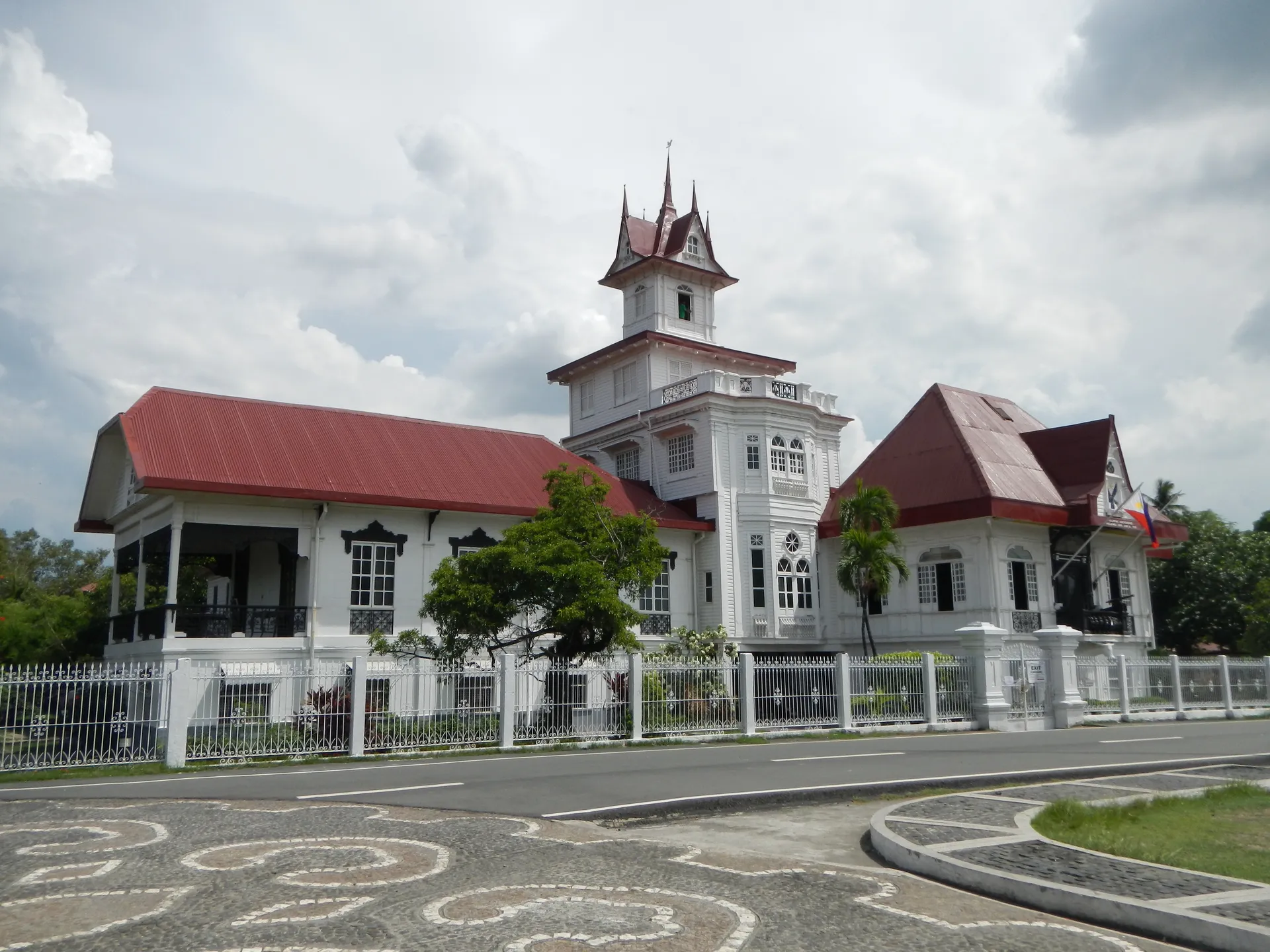
Why does the balcony everyone photographs at Ang Bahay ni Aguinaldo tell the wrong story? That question alone is reason to visit this house in Kawit, Cavite, Philippines, just west of General Trias: the building where Philippine independence was proclaimed looks familiar, then starts quietly correcting you. Today you see a pale mansion with a ceremonial balcony, a watchful tower, polished wood, and grounds that hold a tomb as well as a family home. The air feels half domestic, half official.
Most visitors arrive expecting a patriotic set piece. What they find is stranger and better: a house that served as birthplace, headquarters, stage set, mausoleum, and argument about memory. The National Historical Commission calls it the House of History, and for once the label fits.
The General Trias link is real, just not in the way people assume. On June 12, 1898, the band from San Francisco de Malabon, the town now called General Trias, played Julian Felipe's march here as the new flag rose. That means this place belongs to more than one map.
Look closely and the house starts confessing. The hardwood core dates to 1849, but the tower, nationalist ornament, and famous front balcony came later, in the 1920s, with Masonic signs and Art Nouveau or Art Deco touches layered over the older bahay na bato bones. You come for a national icon. You stay because the icon keeps slipping.
Researched by the Audiala editorial team from historical records, architectural archives, and local expertise.
What to see
The Grand Hall and the Real Proclamation Window
Most visitors aim for the balcony photo and miss the detail that matters: documented NHCP markers say independence was proclaimed on June 12, 1898 from the center window of the older house, not from the balcony added in the 1920s. Stand inside the grand hall instead, where the wood floors creak, light falls across polished furniture, and the room stops behaving like a monument and starts feeling like a stage set for a nation that had not yet learned its own shape.
The Family Rooms, Secret Compartments, and Ceiling Map
Upstairs, the shrine becomes stranger and better: a domestic world of bedrooms, the mesa altar, the long dining table, the Ah Tay bed, and furniture with hidden compartments built for a household that treated politics as a daily hazard. Look up in the dining room and you'll catch the raised-relief map of the Philippines on the ceiling, a quiet piece of nationalist theater hovering above the table like the country itself had to be imagined indoors before it could be governed outside.
Read the House as a Revolution Route
Do this in order: start in the ground-floor galleries on Cavite's revolt, climb through the living quarters, pause at the so-called Galeria de los Pecadores where anti-Spanish plotting once gathered heat, then finish by the tomb in the rear garden. One more correction changes the whole visit: the house itself stands in Kawit, while General Trias enters the story through the band of old San Francisco de Malabon, whose musicians played Julian Felipe's Marcha Nacional Filipina at the 1898 ceremony, so the place begins to read less like a lone hero's residence and more like a provincial network that made independence audible.
Plan your visit
Getting There
The surprise is the map pin: Ang Bahay ni Aguinaldo is in Brgy. Kaingen, Kawit, not in General Trias. From Metro Manila, go to PITX Gate 6 and take a bus bound for Cavite City, Naic, or Ternate; ask to get off at Aguinaldo Shrine, Kawit Church, or Savemore Kawit, then walk about 370 meters from St. Mary Magdalene Church, roughly the length of four basketball courts, or about 620 meters from Savemore. By car, use Tirona Highway or 52 Tirona Hwy, Kawit, Cavite 4104, where parking appears available in front of the shrine grounds.
Opening Hours
As of 2026, the NHCP page lists Tuesday to Sunday, 8:00 AM to 4:00 PM, closed Monday. Recent map and travel listings show 9:00 AM to 4:00 PM instead, so if timing matters, call ahead at (046) 484-7643 or +63 956 479 1635; June 12 can bring ceremonies, crowd controls, or restricted access.
Time Needed
Give it 45 to 60 minutes for a quick look, especially if you stay on the main house and grounds. One to 1.5 hours suits most visitors, while 1.5 to 2 hours gives you time for the tomb, exhibits, and the slower pleasure of reading how a family house turned into a national stage.
Accessibility
The ground-floor museum area is the easiest part to manage, and the grounds look broadly flat. Upper levels are another story: the house climbs through several floors with many stairs and a narrow ladder-like ascent to the tower, and I found no published confirmation of an elevator, wheelchair lift, or detailed accessible route.
Cost/Tickets
As of 2026, standard entry is free, and visitors commonly mention donations rather than tickets. I found no online booking system, no skip-the-line option, and no paid tiers for regular visits, though groups or special programs are worth arranging with NHCP in advance.
Photo Gallery
A serene view from the historic veranda of Ang Bahay ni Aguinaldo in General Trias, showcasing traditional architecture and a peaceful garden setting. · StarjordanjohnA view of the historic Ang Bahay ni Aguinaldo in General Trias, Philippines, showcasing its traditional wooden architecture and iconic tower.
History
A House That Rewrote Its Own Memory
Documented records show that a nipa-and-thatch house stood here in 1845 and that it was rebuilt in hardwood in 1849. Emilio Aguinaldo was born here on March 22, 1869, then turned the family residence into a revolutionary address where private rooms and public power kept colliding.
What survives now is not a frozen June 1898 house. NHCP records describe a major 1920s redesign that added the tower, the ceremonial balcony, and a layer of nationalist symbolism, so the building preserves one revolution while staging another one in memory.
The turning point
The Balcony Lie
At first glance, the story seems settled. Visitors look up at the balcony, picture Emilio Aguinaldo stepping out before a cheering crowd, and assume that this was the exact platform from which independence was proclaimed on June 12, 1898. It is a good image. Too good.
Then the details start to resist. NHCP's marker for the proclamation site states that Ambrosio Rianzares Bautista read the declaration from the center window of the original house, not from the balcony. That matters because Bautista was not a background figure but the lawyer who gave the revolution legal words and public form; if the ceremony failed, his name would be tied to a doomed claim of nationhood, not a harmless speech.
The turning point came that same day as Bautista read the Acta, the Hong Kong-sewn flag was unfurled, and the band from San Francisco de Malabon, now General Trias, played the Marcha Nacional Filipina. The balcony that dominates the facade today was added only in the 1920s, when Aguinaldo remade the house with nationalist themes and a more theatrical front. The surface story exists because the later architecture is better at posing for memory than the older window ever was.
Once you know that, the house changes in front of you. The balcony stops being the sacred spot and becomes evidence of how nations edit themselves, while the plain center window starts to feel heavier than all the ornament around it. You stop seeing a monument. You start seeing a correction.
From Family House to State Shrine
Documented records show that Aguinaldo donated the property to the Philippine state in 1963, though the exact public transfer date still gets blurred in common retellings. Republic Act No. 4039, approved on June 18, 1964, turned it into a national shrine, and Aguinaldo himself was buried on the grounds on February 16, 1964. Few places collapse home, office, and grave into one address with such unnerving neatness.
General Trias in the Soundtrack
General Trias enters this story through music. NHCP's marker for the old town of San Francisco de Malabon records that its band played Julian Felipe's march during the proclamation ceremony, tying today's city to the birth scene of the anthem before the anthem had fully become one. That link still lives in Cavite's band culture, where descendants and local ensembles keep the memory audible rather than merely carved in stone.
Tips for visitors
Fix The Pin
If a driver or guide says General Trias, correct them before you set off: the shrine stands in Kawit. General Trias belongs to the story because the San Francisco de Malabon band played the Marcha Nacional Filipina here on June 12, 1898.
Go Early
Aim for the first half of the day, especially in the dry heat, because the approach roads and front plaza can feel bright and exposed by late morning. June 12 is a different beast altogether, with official ceremonies and heavier security.
Ask Before Gear
Handheld photos appear fine in normal visits, and plenty of visitors take them. Flash, tripods, drones, or research filming deserve a quick check with NHCP first, especially since this is still a working ceremonial site, not just a house museum.
Keep It Quiet
Dress modestly and lower your voice around the tomb, galleries, and any wreath-laying or Mass-linked events. The place has skaters and snack stalls outside, but inside the mood changes fast: wood, history, and the hush of people reading old arguments about the nation.
Eat Nearby
For a quick budget stop, Betoy's Burger N Milkshakes is close and practical. Cafe 506 works better for merienda and local sweets like bibingka or Samala rice cakes, while Gandia Street Coffee and Wine Bar suits a slower mid-range coffee break after the visit.
Pair Two Sites
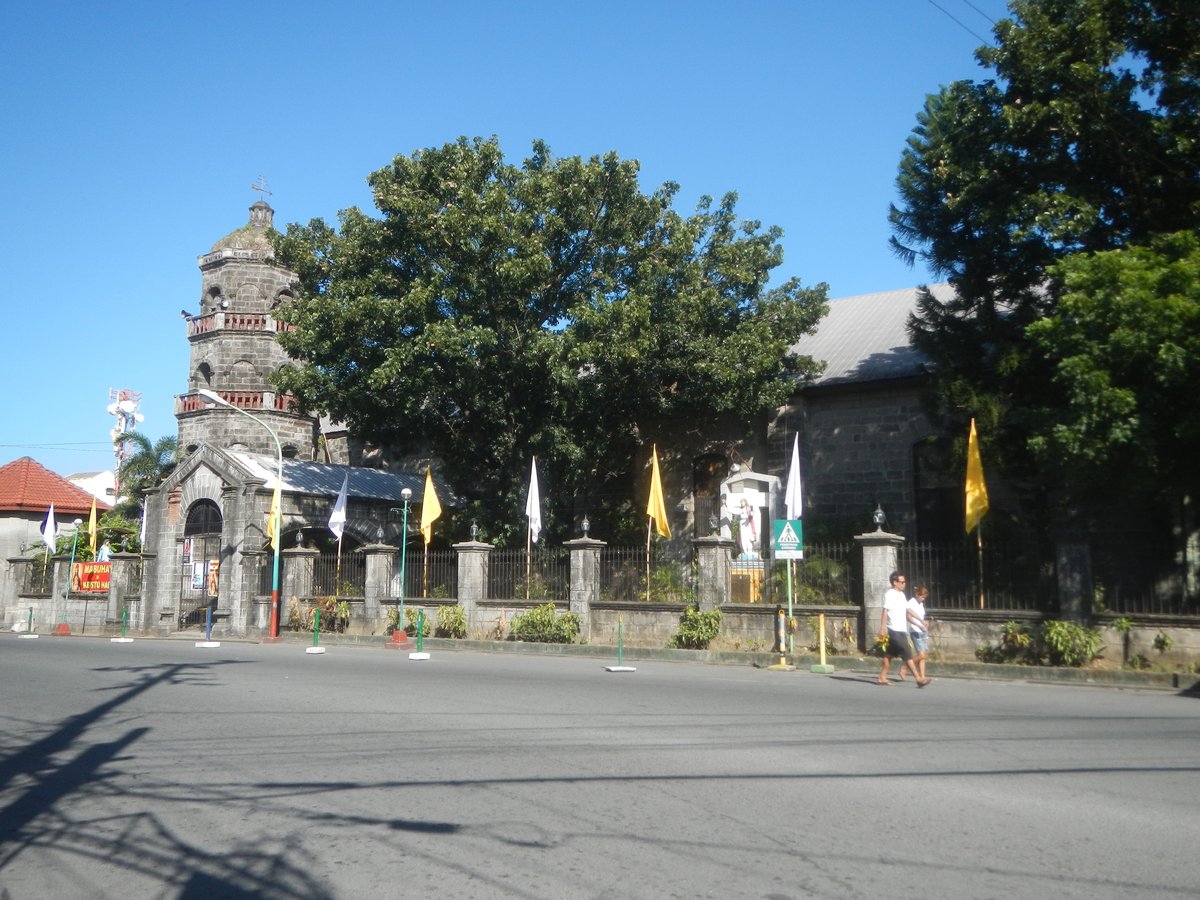
Walk 5 to 7 minutes to St. Mary Magdalene Church after the shrine; the short distance is about the span of a small town plaza, and it gives the visit a second register, from state ritual to parish memory. If you want the General Trias side of the story, continue later to St. Francis of Assisi Parish Church and its museum connection.
Where to Eat
local_dining
Don't Leave Without Trying
Valenciana — General Trias's signature rice dish with chicken, pork, chorizo, vegetables, annatto, and coconut milkBibingka — Filipino rice cake, a local bakery stapleCarabao-milk yogurt — part of GenTri's dairy heritageCarabao-milk ice cream — local dairy specialtyFresh carabao milk — local dairy productEden's Pastillas — local sweet speciality for pasalubongKesong puti — local cheese product
Neng's Special Bibingka
local favorite
Filipino Bakery & Restaurant€€star5.0(6)
Order: The bibingka is the star here — soft, slightly charred on the edges, and topped with salted egg and cheese. Come early for the warmest batches.
A perfect stop for authentic Filipino baked goods and comfort food near the historical site. The perfect 5-star rating across multiple visits suggests consistency and genuine local love.
Order: Coffee drinks and light cafe fare. The extended evening hours make this ideal for an after-sightseeing wind-down with a good espresso or local brew.
A solid neighborhood cafe with consistent reviews and late-night availability — rare in this area. Good for a coffee break without the tourist vibe.
Order: The bibingka — Susan's version is freshly made throughout the day, so you can grab warm pieces from morning until late evening. Perfect for a quick snack or takeaway.
Extended morning-to-evening hours and a perfect rating make this the most accessible bibingka stop near the monument. Locals clearly trust this place.
Order: Traditional Filipino baked goods — bibingka, pandesal, or whatever fresh items are available that day. This is a neighborhood bakery, so selection rotates.
A true local bakery with a perfect rating, Marulas is where residents grab their daily bread and pastries. No frills, just quality baked goods.
checkThe General Trias Public Market in Barangay Sampalukan is the heart of local eating — visit early for the freshest produce, meat, and seafood.
checkBibingka is best eaten warm, so visit bakeries in the morning or early evening when fresh batches are most likely.
checkMost small bakeries and carinderias around Gahak Rd and the town center are cash-friendly — bring pesos.
checkIf you want Valenciana (the local specialty), the public market stalls offer the most authentic and affordable versions, though cafes provide a more comfortable dining setting.
Food districts:Gahak Rd, Kawit — the cluster of bakeries and cafes closest to Ang Bahay ni AguinaldoGeneral Trias Town Proper — home to the public market and local carinderia sceneGeneral Trias Public Market area — the epicenter for Valenciana, fresh produce, and street-level Filipino eating
Restaurant data powered by Google
Frequently asked
Is Ang Bahay ni Aguinaldo worth visiting?
Yes, if you care about how nations stage themselves in wood, glass, and ceremony. The surprise is that the famous balcony is not where independence was proclaimed on June 12, 1898; NHCP records place that moment at the center window of the older house. You are visiting a family home rebuilt in hardwood in 1849, then remade in the 1920s into a patriotic argument with a tower, secret compartments, and symbols that still feel charged.
How long do you need at Ang Bahay ni Aguinaldo?
Give it 1 to 1.5 hours for a solid visit. A quick pass through the galleries and main rooms can take 45 to 60 minutes, but the house rewards slower looking, especially in the grand hall, the domestic rooms, and the grounds where Aguinaldo is buried. If you read exhibits carefully and linger outside, plan closer to 2 hours.
How do I get to Ang Bahay ni Aguinaldo from General Trias?
The key correction first: the shrine is in Kawit, not General Trias. From General Trias, the practical route is by car or local public transport toward Kawit, aiming for Tirona Highway near St. Mary Magdalene Church or Savemore Kawit; from the church, the walk is about 370 meters, roughly the length of four football fields placed end to end. General Trias still belongs to the story, though, because the Banda San Francisco de Malabon played the march at the 1898 ceremony.
What is the best time to visit Ang Bahay ni Aguinaldo?
Morning is the smart choice. Upper rooms tend to feel warmer later in the day, and the façade and grounds are easier to enjoy before the heat thickens over Kawit like a damp blanket. For weather, the drier months from about November to April are kinder; for pageantry, June 12 brings the national ceremony, but quiet it is not.
Can you visit Ang Bahay ni Aguinaldo for free?
Yes, regular admission is free. Recent visitor sources and long-running museum practice agree on that point, though donations are welcome and special programs may use reservations. Hours need a quick check before you go, because NHCP still lists 8:00 AM to 4:00 PM, while several current map and travel listings show 9:00 AM to 4:00 PM, Tuesday to Sunday.
What should I not miss at Ang Bahay ni Aguinaldo?
Do not miss the center window in the grand hall, because that is the real historical focal point, not the later balcony everyone photographs first. Then look for the secret compartments, the Ah Tay bed, the dining room ceiling with its relief map of the Philippines, and the Galeria de los Pecadores, where conspiracy and domestic life sat under the same roof. Outside, the tomb changes the mood completely; the house stops being a backdrop for a national myth and becomes a place where one man ended.
Sources & attribution77
Researched and written by the Audiala editorial team from historical records, architectural archives, and local expertise. Last updated April 2026.
Strictly necessary cookies keep the site working. Analytics (PostHog, Google Analytics) measures how each visitor uses our pages. Marketing loads YouTube videos and walking-route maps without a tap and lets Google Analytics set advertising cookies. We never sell your data. You can change this any time from the footer.
Privacy
Cookie preferences
Pick what you're okay with. You can change this any time from the footer.
Strictly necessary
Always on
Sign-in, language, navigation. Always on.
Product analytics
PostHog (EU) and Google Analytics record which pages you view and how you use them, under a random identifier stored in your browser. Helps us see which pages work and which need fixing. Google's ad personalisation stays off. No selling.
Marketing
Loads YouTube videos and the walking-route maps (OpenFreeMap) without a tap; without it, they load only when you tap them. If analytics is also on, Google Analytics may set advertising cookies. Ad personalisation stays off.