Cusco.

13° S · 71° W Peru

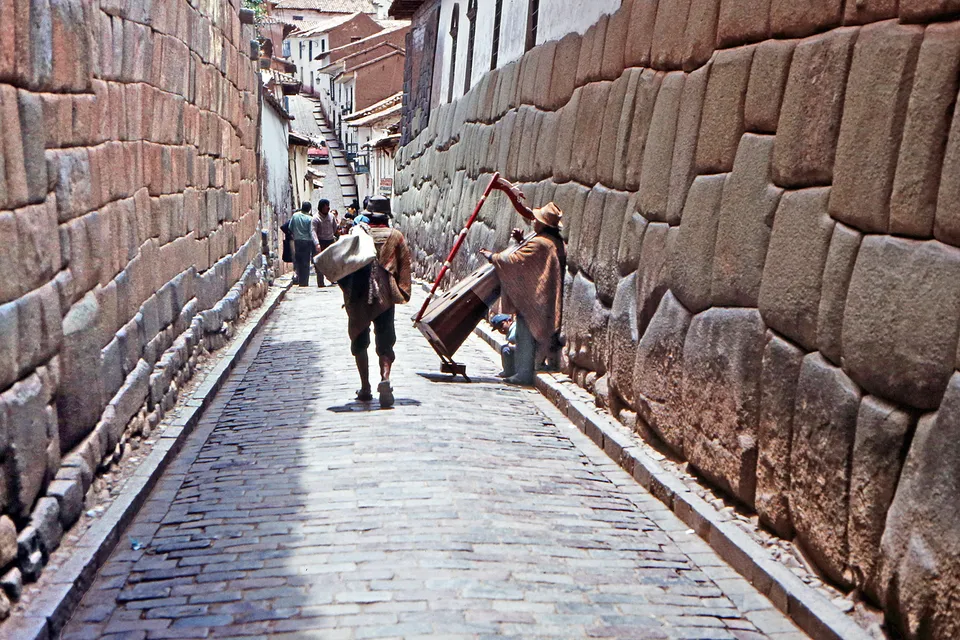
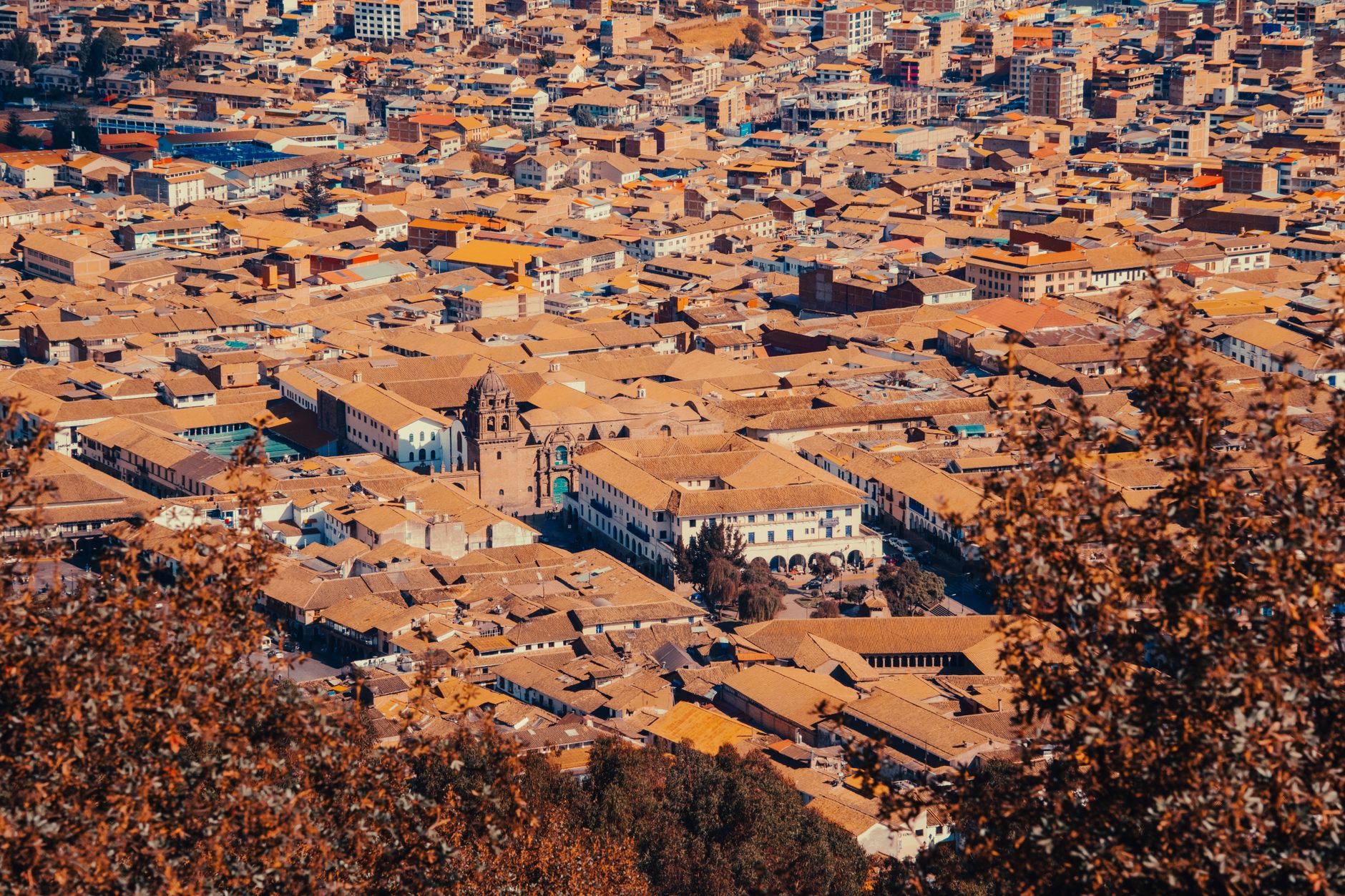
Gold once covered the walls of Qorikancha, the Inca Temple of the Sun; today, polished andesite foundations still curve beneath the Convent of Santo Domingo. Cusco, Peru, rewards visitors who look down as often as they look up, from the twelve-angled stone on Calle Hatun Rumiyoc to the red-tiled roofs spread below San Cristóbal.
Cusco, Peru
Cusco · Peru
10
attractions
3–4 days
trip length
Dry season (May–September)
best season
EN · EN
narration

03 Top tickets in Cusco.

Book ahead

Curated from places in this city. Same price as official sites.

Prices shown are indicative — final pricing and availability are confirmed at checkout. Audiala may receive a commission from bookings made via these links.

01 An introduction

synthesized from 240+ sources ·

Researched from Wikidata, Wikipedia & official sources · fact-checked · How we make our guides →

CGold once covered the walls of Qorikancha, the Inca Temple of the Sun; today, polished andesite foundations still curve beneath the Convent of Santo Domingo. Cusco, Peru, rewards visitors who look down as often as they look up, from the twelve-angled stone on Calle Hatun Rumiyoc to the red-tiled roofs spread below San Cristóbal.

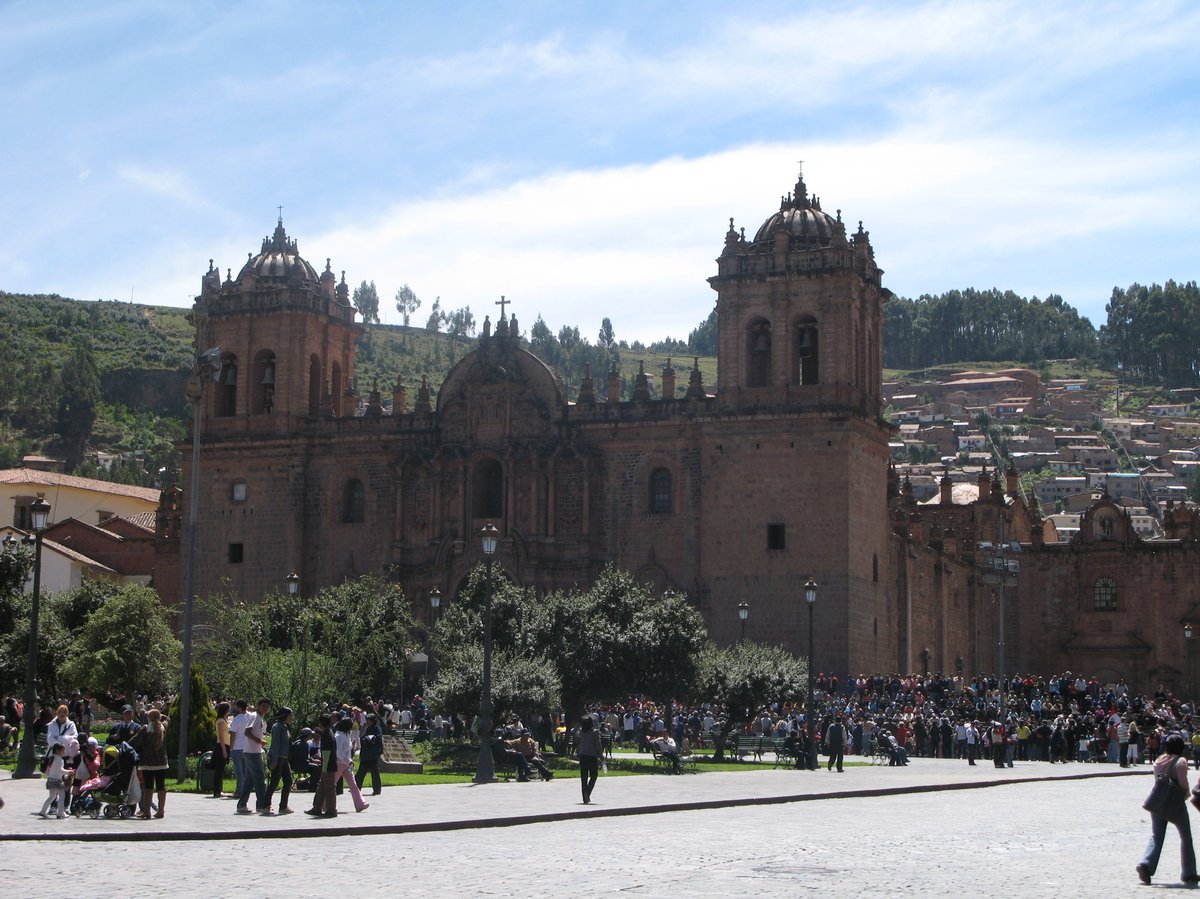
Cusco was the capital of the Tawantinsuyu, reshaped under the Inca ruler Pachacutec in the 15th century, and its history remains built into the streets. The cathedral rises over the Inca palace of Kiswarkancha, while Santo Domingo sits directly atop Qorikancha’s precisely fitted walls—a collision of Spanish power and Andean craftsmanship you can read in stone.

The city’s artistic identity lives in the Escuela Cusqueña, where Spanish Renaissance and Baroque forms meet indigenous hands and local religious traditions. In San Pedro Market, the scent of Andean herbs mingles with hot meals, flowers, and produce; the market’s design is partly attributed to Gustave Eiffel’s workshop.

Photography Hotspot

02 Why Cusco.

What makes this place worth slowing down for.

Inca Stone, Spanish Paint

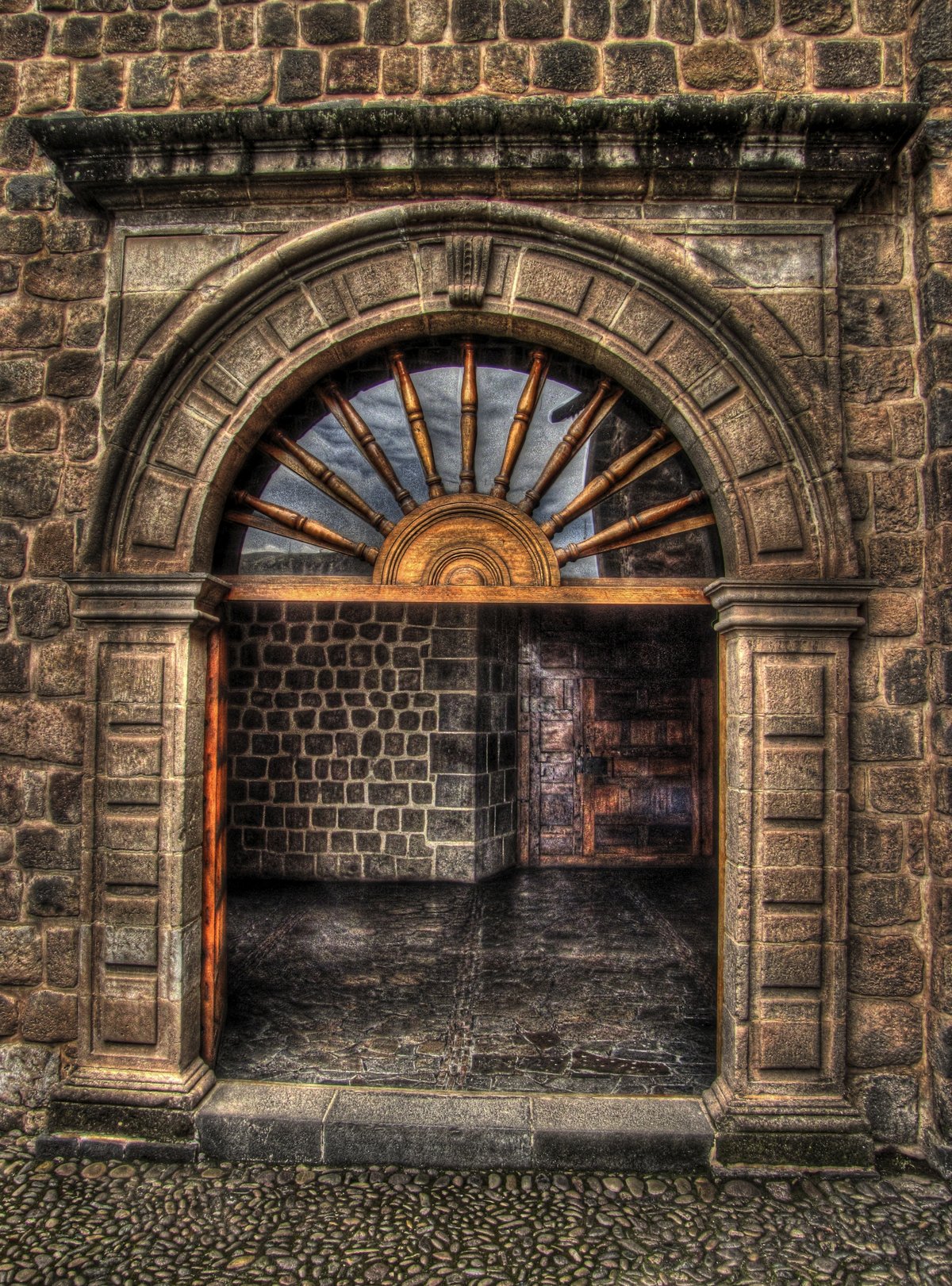
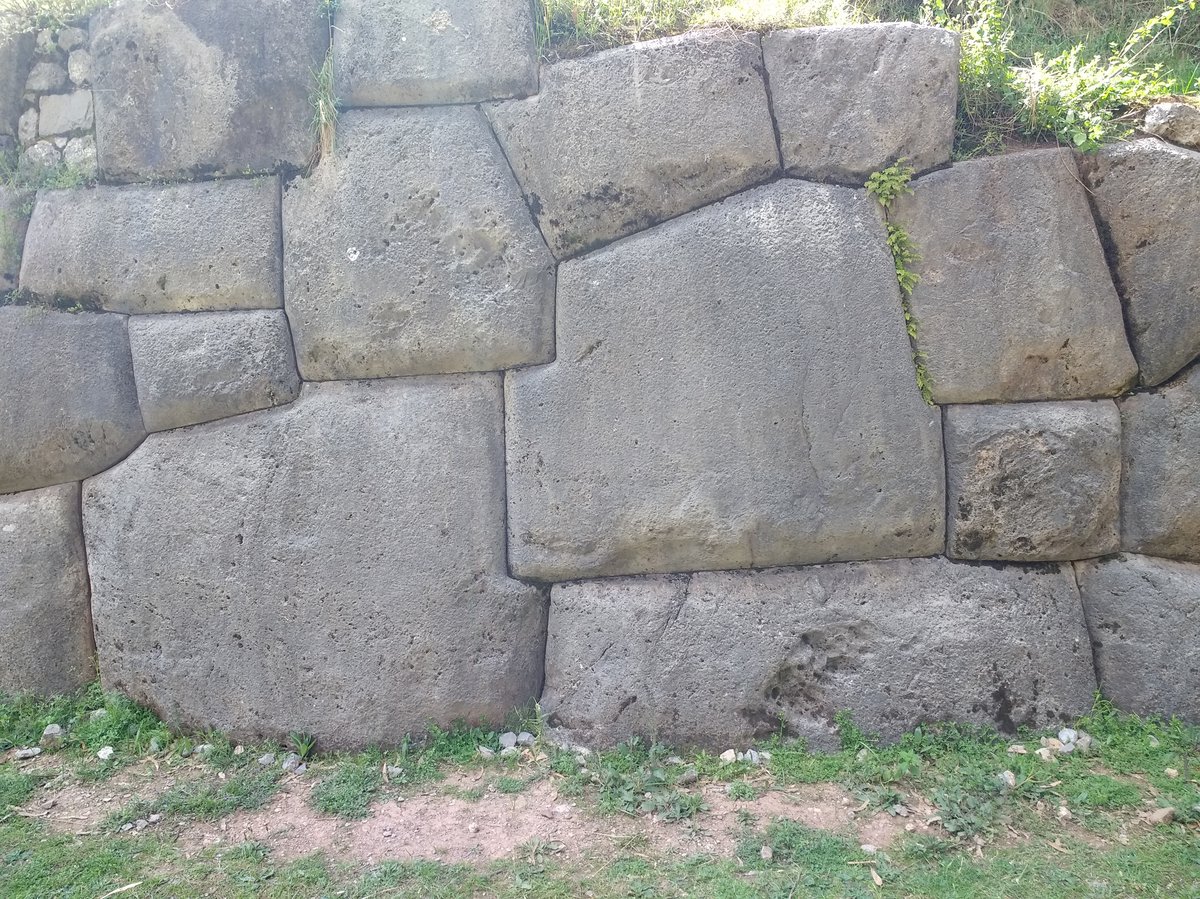
Cusco's Spanish churches sit directly on an Inca city: Qorikancha's curved andesite foundations meet the walls of Santo Domingo, while the Cathedral occupies the site of the Kiswarkancha palace. On Calle Hatun Rumiyoc, the Twelve-Angled Stone makes modern masonry look surprisingly blunt.

A Living Quechua Capital

Quechua remains part of daily life, heard in markets, family celebrations, and the names of streets and mountains. June brings Corpus Christi processions and the June 24 Inti Raymi reenactment, where Catholic imagery and Inca symbolism share the same public square.

Ruins Above the Roofs

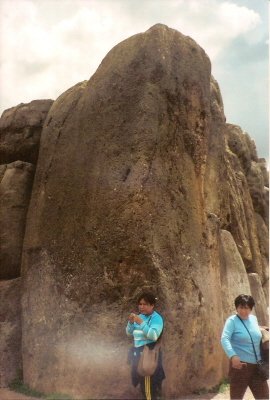
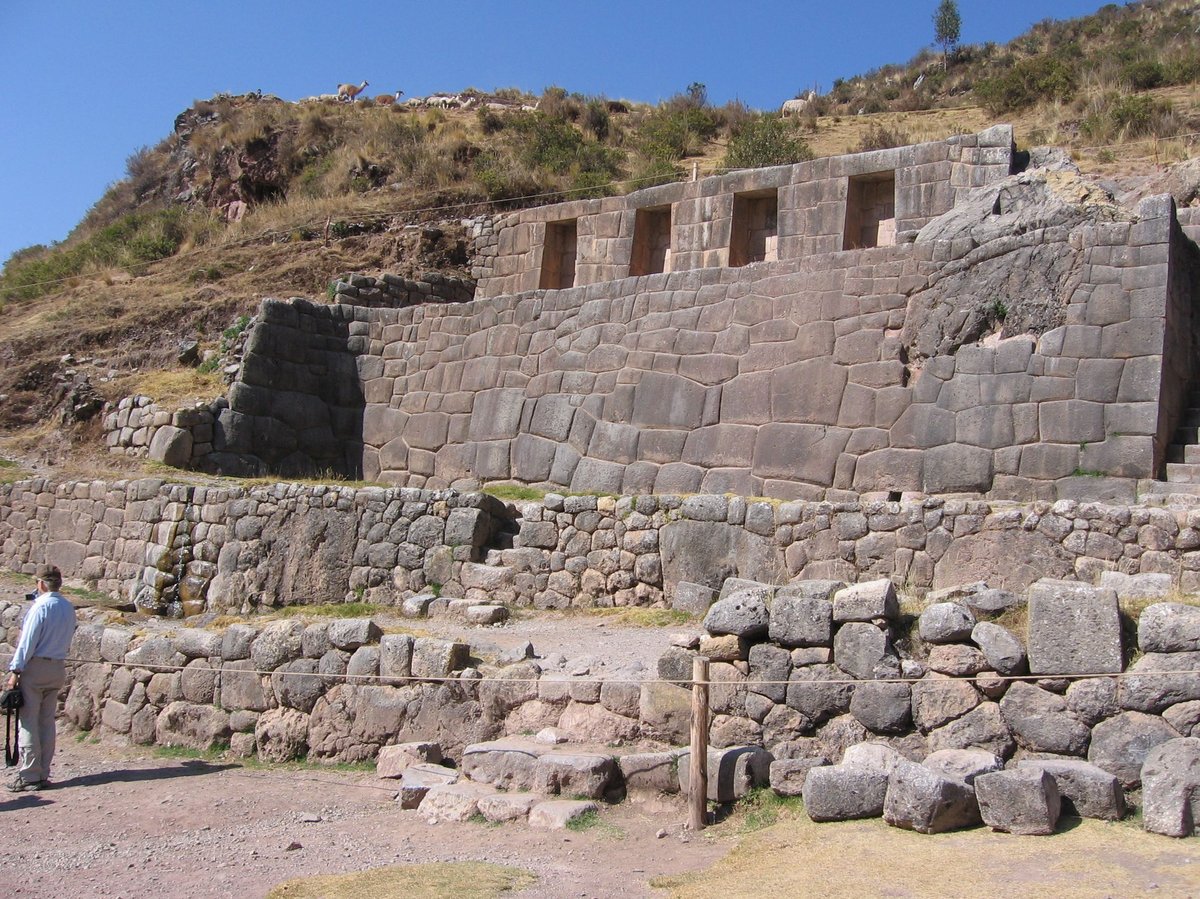
Sacsayhuamán rises above the red-tiled center with zigzag walls built from stones weighing more than 100 tons, fitted without mortar. The nearby circuit continues through Q'enqo, Puka Pukara, and Tambomachay, where carved rock, mountain air, and working water channels make the old capital feel larger than its streets suggest.

The Market's Andean Table

San Pedro Market brings together heaps of purple corn, herbs, flowers, fruit, and hot bowls of local food beneath an iron structure often attributed in part to Gustave Eiffel's workshop. Go hungry: the best discoveries here are usually ladled into a simple bowl, not arranged on a tasting menu.


03 Places to Visit.

Not every monument, just the ones we'd walk you past ourselves.
Cusco Cathedral
Editor's pick
01 · Place

Cusco Cathedral

Nestled in the historic heart of Cusco, Peru’s former Inca capital, Cusco Cathedral, officially known as the Cathedral Basilica of the Assumption of the…

Estadio Garcilaso
02 Place

Estadio Garcilaso

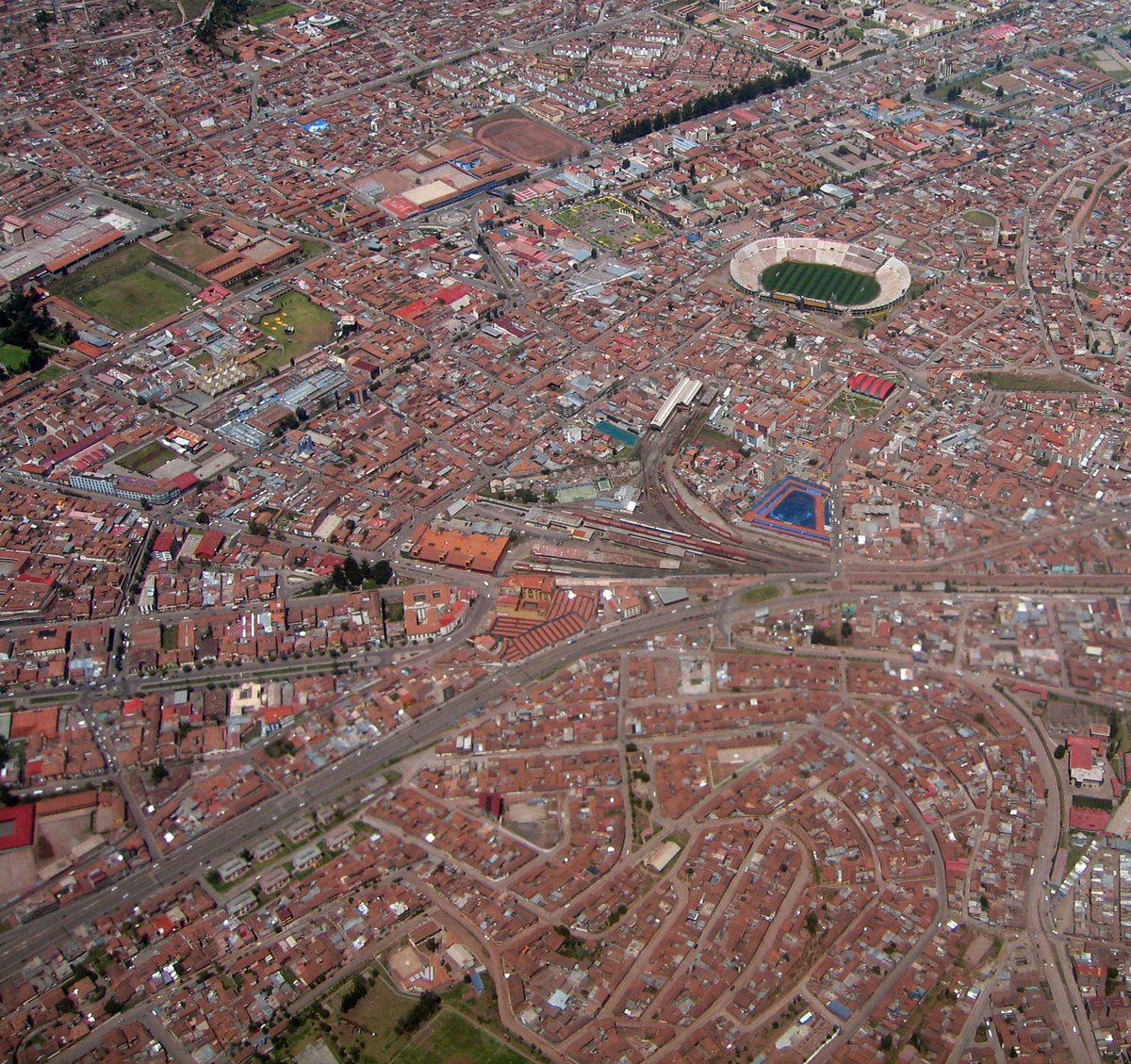
Nestled in the heart of Cusco, Peru, Estadio Inca Garcilaso de la Vega—commonly known as Estadio Garcilaso—stands as a vibrant symbol of the city’s rich…

Church of the Society of Jesus
03 Place

Church of the Society of Jesus

Nestled in the heart of Cusco’s vibrant Plaza de Armas, the Church of the Society of Jesus (Iglesia de la Compañía de Jesús) stands as a magnificent symbol of…

Saqsaywaman
04 Place

Saqsaywaman

Saqsaywaman, often spelled Sacsayhuamán, stands as a testament to the architectural genius and cultural prowess of the Inca civilization.

Coricancha
05 Place

Coricancha

Nestled in the vibrant heart of Cusco, Peru, Coricancha—also known as Qorikancha or the Temple of the Sun—stands as a breathtaking testament to the Inca…

Tambomachay
06 Place

Tambomachay

Tambomachay, often referred to as the 'Bath of the Inca,' is a captivating archaeological site located near Cusco, Peru, in the Wanchaq District.

07 Place

Puka Pukara

Nestled just 7 kilometers northeast of Cusco, Peru, Puka Pukara—meaning “Red Fortress” in Quechua—stands as a captivating testament to the architectural…

04 Neighborhoods.

Where to wander, by quarter — each with its own rhythm.

01

Centro Histórico

Cusco’s historic center gathers the Plaza de Armas, the cathedral, Qorikancha, and the Twelve-Angled Stone within a walkable concentration of Inca and Spanish architecture. Look closely at the walls: the cathedral complex stands over Kiswarkancha, while Santo Domingo was built directly on Qorikancha’s curved andesite foundations.

02

San Blas

Steep, winding cobblestone streets lead through San Blas, where artisan workshops, galleries, and cafés occupy the slopes above the center. The neighborhood is best taken slowly; the climb brings changing views, uneven stone underfoot, and a more intimate sense of Cusco’s craft traditions.

03

San Pedro

San Pedro centers on Cusco’s Central Market, a place for Andean herbs, flowers, produce, souvenirs, and hot local meals. Its structure was designed in part through Gustave Eiffel’s workshop, though the real attraction is the close-packed sound and smell of everyday commerce.

04

San Cristóbal

The elevated plaza beside San Cristóbal Church opens onto a broad view of Cusco’s red-tiled historic center. Come for the panorama, then linger long enough to see how the streets fold around the hills rather than pretending the city is flat.

06 Who lived here.

The people who shaped the city — and were shaped by it.

Sapa Inca c.1410–1471

Pachacuti Inca Yupanqui

Ruled from Cusco in the 15th century

Under Pachacuti, Cusco was remade in the 15th century as the capital of Tawantinsuyu, with an imperial order that still reads through its stone walls and sacred precincts. He would recognize the city’s foundations today, though perhaps not the colonial buildings pressed directly onto them.

Writer and historian 1539–1616

Inca Garcilaso de la Vega

Born here

Born in Cusco to an Inca noble mother and a Spanish conquistador father, Garcilaso carried the city’s divided inheritance into his writing. His books gave European readers one of the earliest sustained accounts of Inca society; he might see modern Cusco as a louder, more crowded version of the cultural meeting ground he knew.

Indigenous leader 1738–1781

José Gabriel Condorcanqui Noguera (Túpac Amaru II)

Executed in Cusco

After leading the largest Indigenous uprising in colonial Peru, Túpac Amaru II was executed in Cusco’s Plaza de Armas on 18 May 1781. He would likely recognize the enduring Quechua presence around the square while questioning how often his rebellion is reduced to a monument and a date.

Painter 1611–1681

Diego Quispe Tito

Born and worked in Cusco

Born in the Cusco district of San Sebastián, Diego Quispe Tito became one of the defining painters of the Escuela Cusqueña, filling church interiors with bright color, elaborate flora, and local faces. He might be amused that visitors now chase his paintings through the same churches where their incense and cold stone once framed his work.

Writer and journalist 1852–1909

Clorinda Matto de Turner

Born here

Matto de Turner was born in Cusco and later used fiction and journalism to expose the exploitation of Indigenous people, especially in her 1889 novel Aves sin nido. She would probably read today’s tourist image of Cusco with a sharp eye, asking whose history is being displayed and whose voice is missing.

08 Where to Eat.

Where locals actually book dinner — not the tourist menus.

Chiri Uchu

Chiri Uchu

This elaborate Cusqueñan festival dish combines ingredients such as chicken, guinea pig, sausage, corn, cheese, seaweed, and rocoto. It is especially associated with Corpus Christi in June, when the plate's improbable arrangement makes more sense as a record of the region's many food traditions.

★ local pick
Cuy al Horno

Cuy al Horno

Roasted guinea pig arrives crisp-skinned, richly seasoned, and traditionally served with potatoes, corn, or aji sauces. The portion is substantial and the presentation can be startling, but it is one of Cusco's clearest links to older Andean cooking.

★ local pick
Adobo Cusqueño

Adobo Cusqueño

Cusco's adobo is a pork stew simmered with chicha de jora, red onion, and spices until the broth turns dark, sharp, and aromatic. Locals often eat it for breakfast, which is a bracingly effective cure for a cold high-altitude morning.

★ local pick
Pachamanca

Pachamanca

Meat, potatoes, corn, and broad beans cook underground over heated stones, giving the food a mineral, smoky fragrance. Look for it in rural restaurants and Sacred Valley excursions rather than expecting a quick plate in the historic center.

★ local pick
Choclo con Queso

Choclo con Queso

Large-kernel Andean corn is served with a thick slice of fresh cheese, sometimes with aji on the side. The contrast is wonderfully plain: sweet, starchy corn against cool saltiness, best eaten as a market snack.

★ local pick
San Pedro Market Lunch

San Pedro Market Lunch

San Pedro Market serves inexpensive set lunches, caldo de gallina, juices, and regional stews among stalls piled with herbs and produce. Go earlier in the day, when the soup pots are full and the market still feels like a place where Cusqueños shop rather than a display arranged for visitors.

★ local pick

09 Insider tips.

Small things that change how the city treats you.

Acclimatize Before Climbing

Cusco sits at 3,400 m (11,152 ft), so a short staircase can feel severe on arrival. Keep your first day around the Plaza de Armas, Cathedral, and Qorikancha; leave Sacsayhuamán and long hikes until day two.

Buy the Right Ticket

The official Boleto Turístico covers Sacsayhuamán, Q'enqo, Puka Pukara, and Tambomachay, while Qorikancha and Cusco Cathedral require separate admission. Check the current price and validity before buying.

Treat Hills as Transit

The historic center is walkable, but San Blas and San Cristóbal sit up steep cobbled streets. Walk the central sights and take a taxi to the upper archaeological sites when altitude or darkness makes the climb unpleasant.

Carry Small Soles

Small-denomination Peruvian soles make purchases at San Pedro Market and neighborhood cafés easier. Compare portions and prices before sitting down, since market lunches generally cost less than restaurants around the Plaza de Armas.

Eat at San Pedro

San Pedro Market is the practical stop for hot local meals, Andean herbs, produce, and flowers. Ask before photographing vendors, and avoid blocking the narrow aisles while you browse.

Ask Before Photographing

Photography rules vary inside the Cathedral, Santo Domingo, and other churches, so check signs before raising your camera. Around San Pedro Market, ask vendors and people in traditional dress first.

Use the Dry Season

May through September is generally the drier period for outdoor ruins and viewpoints. Start Sacsayhuamán early, and carry a waterproof layer because mountain weather can change quickly.

Keep Night Plans Central

Keep phones and wallets out of sight in crowded market areas and transport queues. After dark, ask your accommodation or restaurant to call a taxi rather than flagging one from a quiet street.

10 Watch.

A few films to set the scene before you go.

5 days in Peru 🦙 | exploring Cusco, Machu Picchu and Sacred Valley
Maddie Borge

5 days in Peru 🦙 | exploring Cusco, Machu Picchu and Sacred Valley

12 Frequently asked

Is Cusco worth visiting?

Yes—Cusco compresses Inca engineering, Spanish colonial architecture, Quechua culture, and major archaeological sites into a walkable historic center. The city’s strongest moments come from seeing Qorikancha’s Inca foundations beneath Santo Domingo and then comparing them with the stonework at Sacsayhuamán.

How many days do you need in Cusco?

Plan on 3–4 days for the city, acclimatization, and the four main Boleto Turístico sites. Use the first day for the lower historic center, then give Sacsayhuamán, Q'enqo, Puka Pukara, and Tambomachay a separate half or full day.

How do you get around Cusco?

Walk between the Plaza de Armas, Cathedral, Qorikancha, San Pedro Market, and the lower streets of San Blas; use taxis for steep upper neighborhoods and archaeological sites. Cusco’s cobbles and altitude make a taxi sensible when carrying luggage or returning after dark.

Do I need a tourist ticket for Cusco ruins?

You need the Boleto Turístico for Sacsayhuamán, Q'enqo, Puka Pukara, and Tambomachay, but not for every city attraction. Qorikancha and Cusco Cathedral have separate admission, so check the current official conditions before purchasing.

Is Cusco safe for travelers?

Cusco is manageable for travelers who stay alert, keep valuables concealed, and use a taxi arranged by their accommodation after dark. Take extra care in crowded areas such as San Pedro Market and on steep, quiet streets around San Blas.

How expensive is Cusco for visitors?

Cusco can suit a moderate budget, especially if you walk the center and eat at San Pedro Market rather than dining around the Plaza de Armas. Set aside extra money for archaeological-site tickets, separate church admissions, taxis to upper sites, and any trips beyond the city.

How high is Cusco, and how should I prepare?

Cusco stands at about 3,400 m (11,152 ft), so give yourself a quiet first day and avoid scheduling a demanding hike immediately after arrival. Drink water, keep plans flexible, and seek medical help if symptoms become severe or do not improve.

13Before you go

Practical Information

Flight

Getting There

Fly into Alejandro Velasco Astete International Airport (CUZ), about 5 km from the Plaza de Armas; flights from Lima take roughly 1 hour 20 minutes, and airport taxis commonly quote S/25–40 to the center in 2026. Cusco's named rail stations include Wanchaq and San Pedro, while many Machu Picchu trains use Poroy, about 13 km northwest, or Ollantaytambo, about 65 km northwest. By road, the PE-3S Andean highway links Cusco with Abancay and Ayacucho to the northwest and Sicuani, Juliaca, and Puno to the southeast; the South Interoceanic road continues east toward Puerto Maldonado.

Directions transit

Getting Around

Cusco has no metro: urban micros and combis cover the city, with fares generally around S/1–2 per ride in 2026, while taxis usually cost about S/7–15 for central trips and rarely use meters. Cycling is possible on sections of Avenida El Sol and Avenida de la Cultura, though the lanes are discontinuous and the hills are serious. The Boleto Turístico General is an attraction ticket rather than a transport pass; it costs about S/130 for adults and covers 10 days, while partial circuit tickets cost about S/70.

Thermostat

Climate & Best Time

At roughly 3,400 m, spring runs about 6–21°C (September–November), summer 7–20°C (December–February), autumn 4–21°C (March–May), and winter 1–21°C (June–August), with cold nights in every season. Around 700–800 mm of annual rain falls mainly from November through March; June–August is the driest and busiest period, especially around June 24. April–May and September–October offer a good balance of clearer weather, fewer visitors, and manageable prices.

Translate

Language & Currency

Spanish is used in hotels, transport, and most restaurants, while Quechua is widely heard and remains an official language in the region. Peru's currency is the sol (PEN); cards work at established hotels and restaurants, but carry small S/10–50 notes for markets, colectivos, and neighborhood cafés.

Shield

Safety & Altitude

Cusco sits high enough for altitude sickness to matter: keep the first 24–48 hours gentle, drink water, avoid heavy alcohol, and seek medical help for worsening headache, vomiting, breathlessness, or confusion. Keep phones and wallets secure in crowded markets and use a hotel-arranged or app-booked taxi at night; police are reached at 105, firefighters at 116, and medical emergency service at 106.

Take Cusco with you

All of Cusco,
downloaded once.

All Places to Visit.

12 places to discover

Cusco Cathedral
Place

Cusco Cathedral

Estadio Garcilaso
Place

Estadio Garcilaso

Church of the Society of Jesus
Place

Church of the Society of Jesus

Saqsaywaman
Place

Saqsaywaman

Coricancha
Place

Coricancha

Tambomachay
Place

Tambomachay

Place

Puka Pukara

Q'Inqu
Place

Q'Inqu

Place

Muyuq Marka

Place

Inkilltambo

Place

Arco De Tica Tica

Place

Centro Qosqo De Arte Nativo