
Early Development and Reservoir Era (1867–1921)
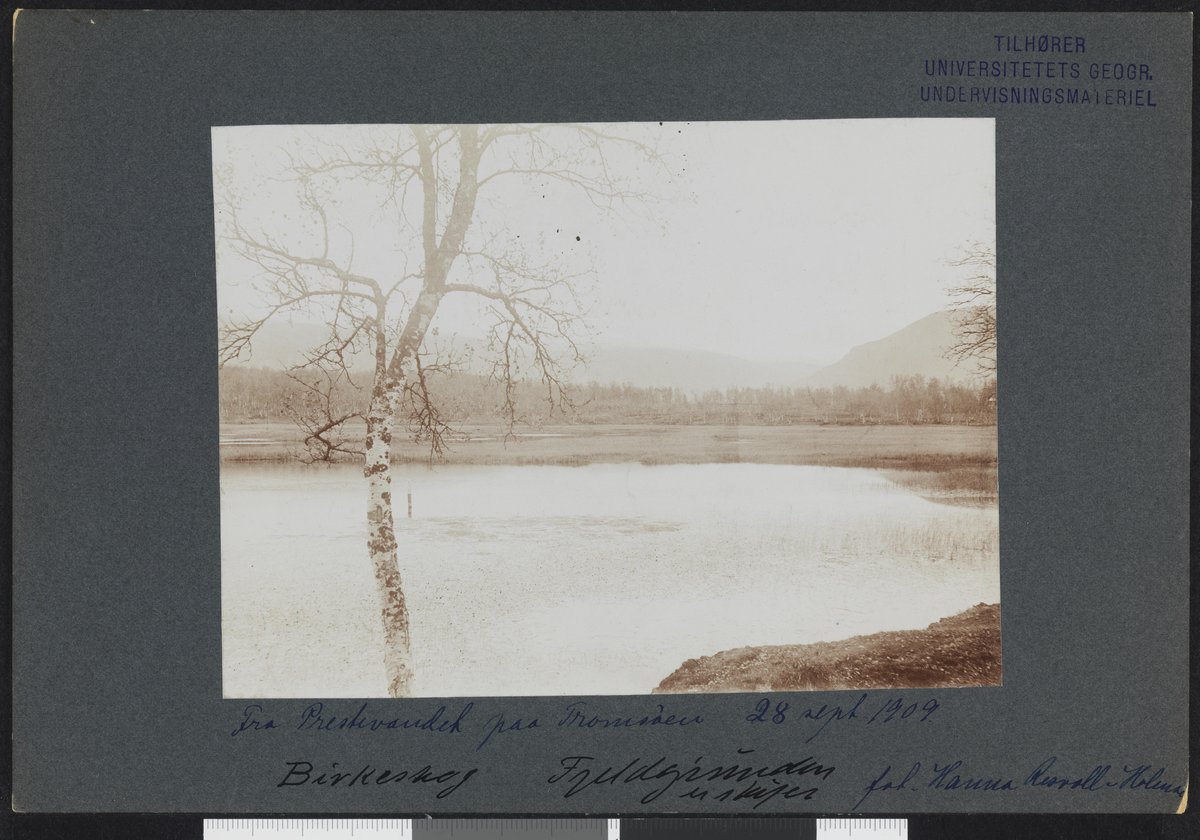
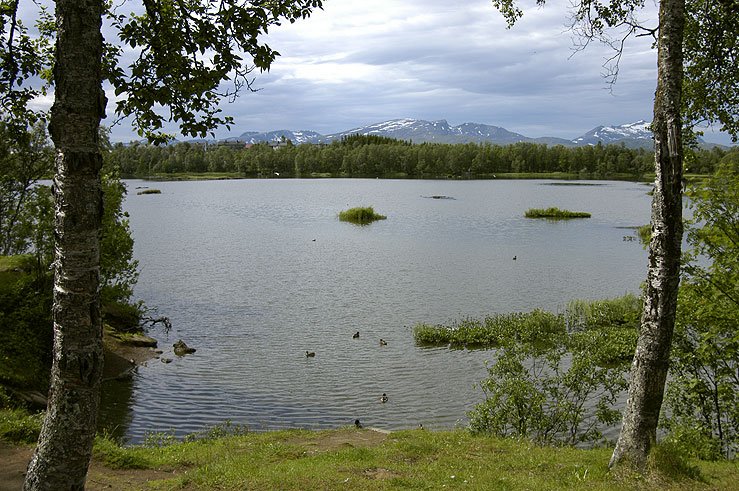
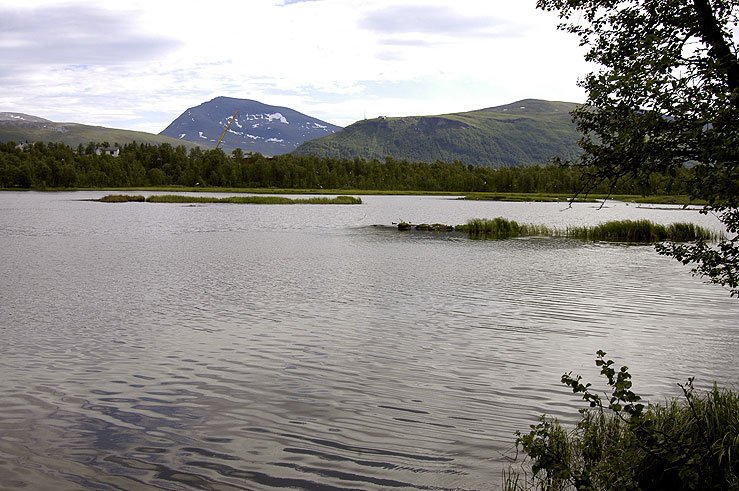
Prestvannet began as a man-made reservoir, created in 1867 to address Tromsø’s growing need for a reliable water source. Its elevated position (96 meters above sea level) allowed for a gravity-fed water distribution system, which served the city for over 50 years. The original damming of two small lakes in a mire raised the water level by about three meters and transformed the site’s landscape (Norsk Geologisk Tidsskrift, 1985).
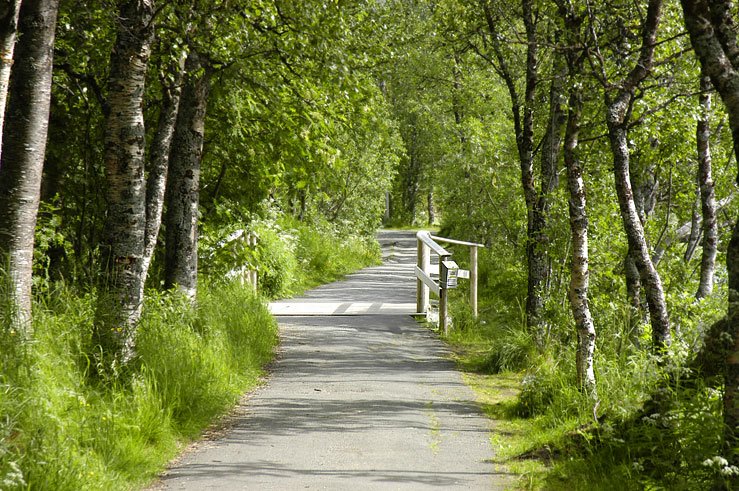
Remnants of this era—such as old pipelines and maintenance trails—now serve as scenic walking paths, providing both recreational and historical value.
Transformation into Nature Reserve
By 1921, Tromsø had developed alternative water sources, and Prestvannet was decommissioned as a reservoir. Recognizing its ecological and recreational potential, city authorities designated it as a public park and nature reserve. Today, Prestvannet is protected for its biodiversity, especially as a nesting site for birds like the Red-throated Diver, and as a green space integral to urban life (Prestvannet skole).
Ecological and Cultural Significance
Ecological Value
- Eutrophic Lake Prestvannet is classified as eutrophic, rich in nutrients such as phosphorus, which supports abundant aquatic and terrestrial life (Norsk Geologisk Tidsskrift, 1985).
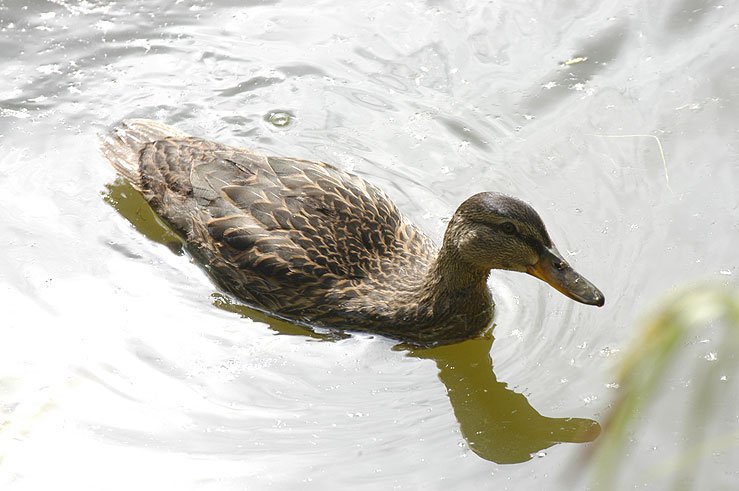
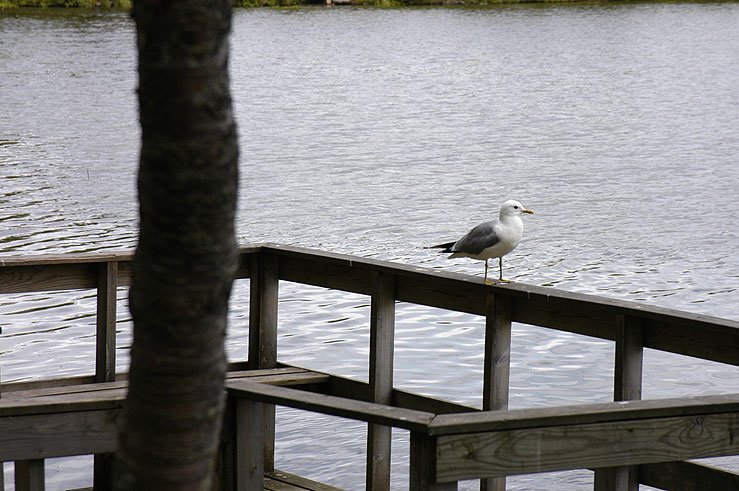
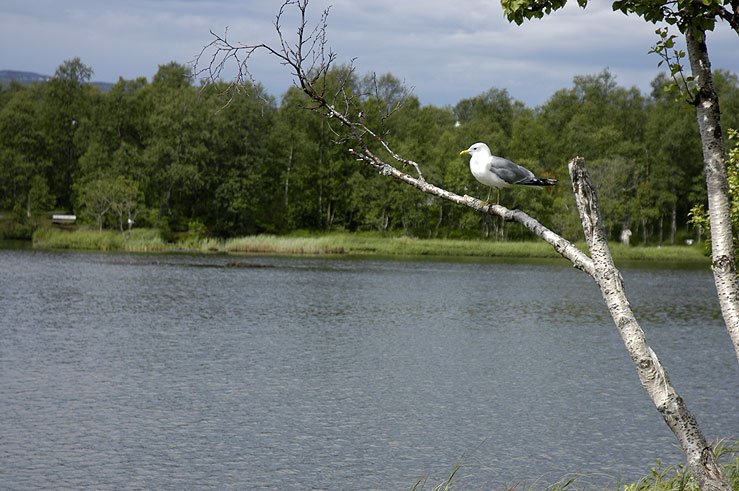
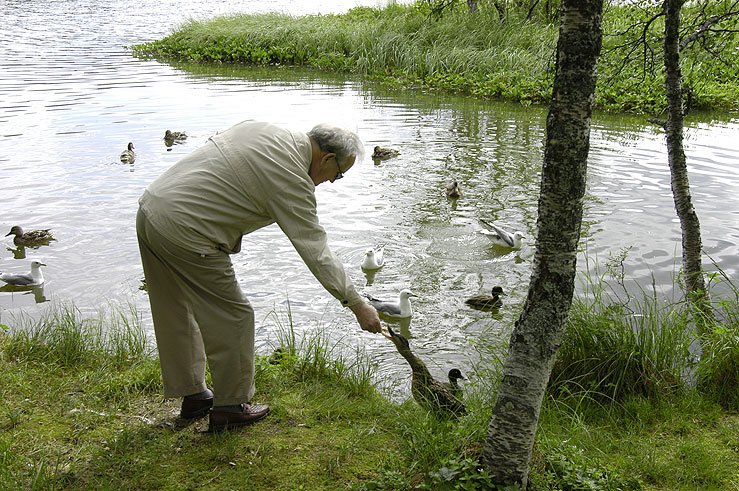
- Bird Sanctuary The lake is a haven for birdlife, including tufted ducks, Eurasian teals, mallards, gulls, Arctic terns, and migratory species (Heart My Backpack).
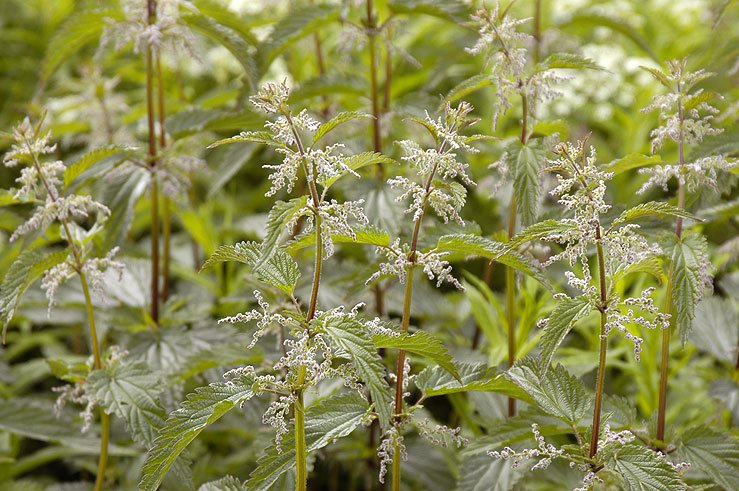
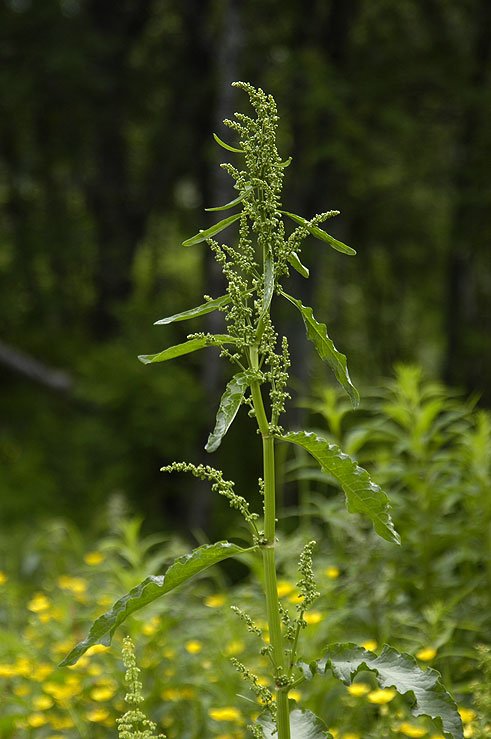
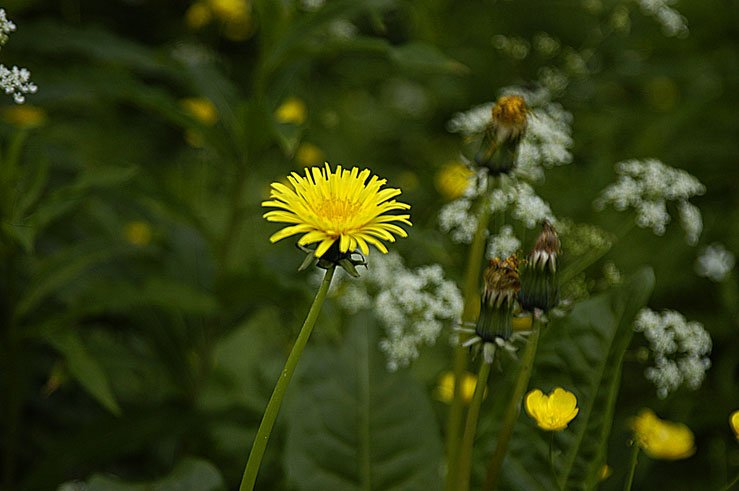
- Flora Surrounding mires harbor Arctic-alpine plants, mosses, and sedges vital for biodiversity and water purification.
Cultural Importance
- Recreation The 2-kilometer trail encircling the lake is popular for walking, jogging, and birdwatching in summer, and for skating and skiing in winter.
- Community Events Prestvannet is a site for educational and cultural events, often utilized by local schools and organizations.
- Symbolic Landmark Known as Tromsø’s “green lung,” the lake features in local art, literature, and city identity.
Indigenous and Linguistic Heritage
Prestvannet’s dual naming—Norwegian (Prestvannet) and Northern Sami (Báhpajávri)—reflects Tromsø’s indigenous heritage. The Sami people have inhabited the region for millennia, and ongoing efforts to recognize Sami place names and culture are evident throughout the city. While Prestvannet’s documented history as a reservoir begins in the 19th century, its significance to earlier inhabitants is recognized and celebrated (Prestvannet skole).
Visiting Prestvannet: Practical Information
Visiting Hours and Tickets
- Open 24 hours a day, year-round.
- Admission Free. No ticket is required to visit (Visit Tromsø).
Accessibility
- Wheelchair Access The paved loop around the lake is mostly flat and wheelchair-friendly. However, the ascent from the city center is steep, and winter conditions can make paths slippery (Travel Breathe Repeat).
- Public Transport Buses 28, 40, and 42 connect the city center, airport, and neighborhoods to Prestvannet. All buses are equipped with ramps and low entryways.
- Trail Condition Trails may be snow-covered or icy in winter; visitors should wear suitable footwear.
Getting There
- By Foot 20–30 minutes uphill walk from the city center.
- By Bus Lines 28, 40, and 42 stop near the lake.
- By Car Limited parking available at student housing and nearby streets.
Parking and EV Charging
- Parking Available near Prestvannet student housing. Registration and payment required via Tromsø Parkering or Easypark app (Samskipnaden Parking).
- EV Charging Charging stations are provided at student housing, but spaces are not reserved for EVs. Charge and then move to a standard parking spot (Booking.com).
Accommodation Options
- Nearby Hotels and Apartments Ranging from hotels to modern apartments, including the highly rated “Apartment by Prestvannet,” which offers amenities like WiFi, kitchen, EV charging, and family-friendly facilities (Booking.com).
- Student Housing Offers dormitories and accessible family units, laundry, sauna, and sports storage (Samskipnaden).
On-Site Facilities
- Walking/Jogging Path A 1.7–2 km trail, partially lit, encircles the lake.
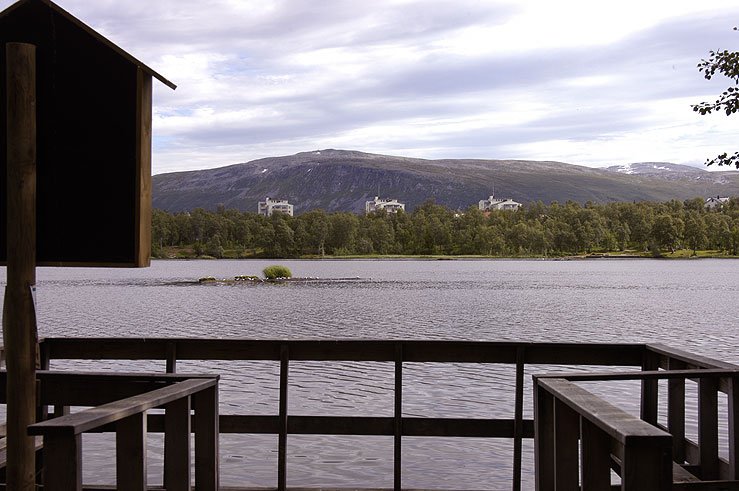
- Benches and Rest Areas Available along the trail.
- Birdwatching Informative signs detail local wildlife.
- Winter Activities Ice skating on the frozen lake (safety conditions permitting), cross-country skiing nearby.
- Family-Friendly Open lawns and informal play areas.
- No Food Vendors Bring your own snacks and water.
Seasonal Experiences at Prestvannet
Summer at Prestvannet
- Midnight Sun From late May to mid-July, enjoy 24-hour daylight—perfect for midnight walks, photography, and picnics (VisitNordic).
- Birdwatching Prime season for observing diverse bird species and nesting activity.
- Outdoor Activities Walking, jogging, running, and family outings on well-maintained trails (Great Runs).
Autumn at Prestvannet
- Colorful Foliage Birch and willow trees turn vibrant shades, creating stunning reflections on the lake (Trek Zone).
- Migratory Birds Excellent for spotting rare species during migration.
- Tranquility Fewer crowds offer a peaceful experience.
Winter at Prestvannet
- Northern Lights Prestvannet’s elevation and low light pollution provide excellent aurora viewing from September to April (Experiences Are Miles Better).
- Ice Skating When the lake is safely frozen (typically December–March), it becomes a natural skating rink.
- Winter Walks Maintained trails offer scenic snow-covered landscapes.
Spring at Prestvannet
- Thaw and Renewal Melting snow reveals new greenery; returning migratory birds fill the area with song.
- Early Season Activities Walking and running paths reopen as snow recedes.
Nearby Attractions
Combine your Prestvannet visit with Tromsø’s other highlights:
- Arctic Cathedral Iconic modernist church with stunning stained glass.
- Polaria Aquarium Focused on Arctic marine life and environmental education.
- Tromsø Museum Showcasing Sami culture, natural history, and archaeology.
- Arctic-Alpine Botanic Garden Unique northern flora.
- Charlottenlund Recreational Park Family-friendly green space with playgrounds.
For more, explore Visit Tromsø.
Frequently Asked Questions (FAQ)
Q: What are Prestvannet’s opening hours?
A: Open 24/7, year-round. No entrance fee required.
Q: How do I reach Prestvannet?
A: Walk (20–30 minutes uphill), take buses 28, 40, or 42, or drive (limited parking).
Q: Is Prestvannet accessible for wheelchair users?
A: Yes, most trails are accessible, and public buses have ramps.
Q: Are there guided tours?
A: Occasionally, especially during bird migration and summer; check local listings.
Q: When is the best time to visit?
A: Summer and autumn for walking and birdwatching; winter for ice skating and northern lights.
Q: Can I bring my dog?
A: Dogs are welcome but must be leashed, especially during nesting season.
Q: Are restrooms available?
A: Public restrooms are near the park entrance in warmer months.
Travel Tips
- Dress Appropriately Wear layers and waterproof outerwear; bring thermal gear in winter.
- Safety Only skate when the ice is declared safe. Use traction aids in icy conditions.
- Environmental Respect Stay on marked paths, do not disturb wildlife, and carry out all trash.
- Transport Use public transit when possible; parking is limited and fees apply (Samskipnaden Parking).
- Prepare Snacks No food vendors on site.
- Bring Binoculars For birdwatching.
- Headlamp/Flashlight Essential during the polar night.
Discover More
Prestvannet exemplifies the harmonious intersection of history, ecology, and culture in Tromsø. Its transformation from a 19th-century reservoir to a modern urban oasis reflects the city’s sustainable values and deep community roots. Visitors enjoy free, year-round access to birdwatching, jogging, midnight sun walks, northern lights viewing, and winter sports—all set against the backdrop of Tromsø’s vibrant city life and indigenous heritage.
Ready to explore Prestvannet? Download the Audiala app for guided tours, real-time updates, and insider tips on Tromsø’s attractions. For official updates on conditions, transport, and events, consult Visit Tromsø and VisitNordic. Don’t forget to follow us on social media and share your Prestvannet experiences!