Place
Mexico Updated Apr 2026
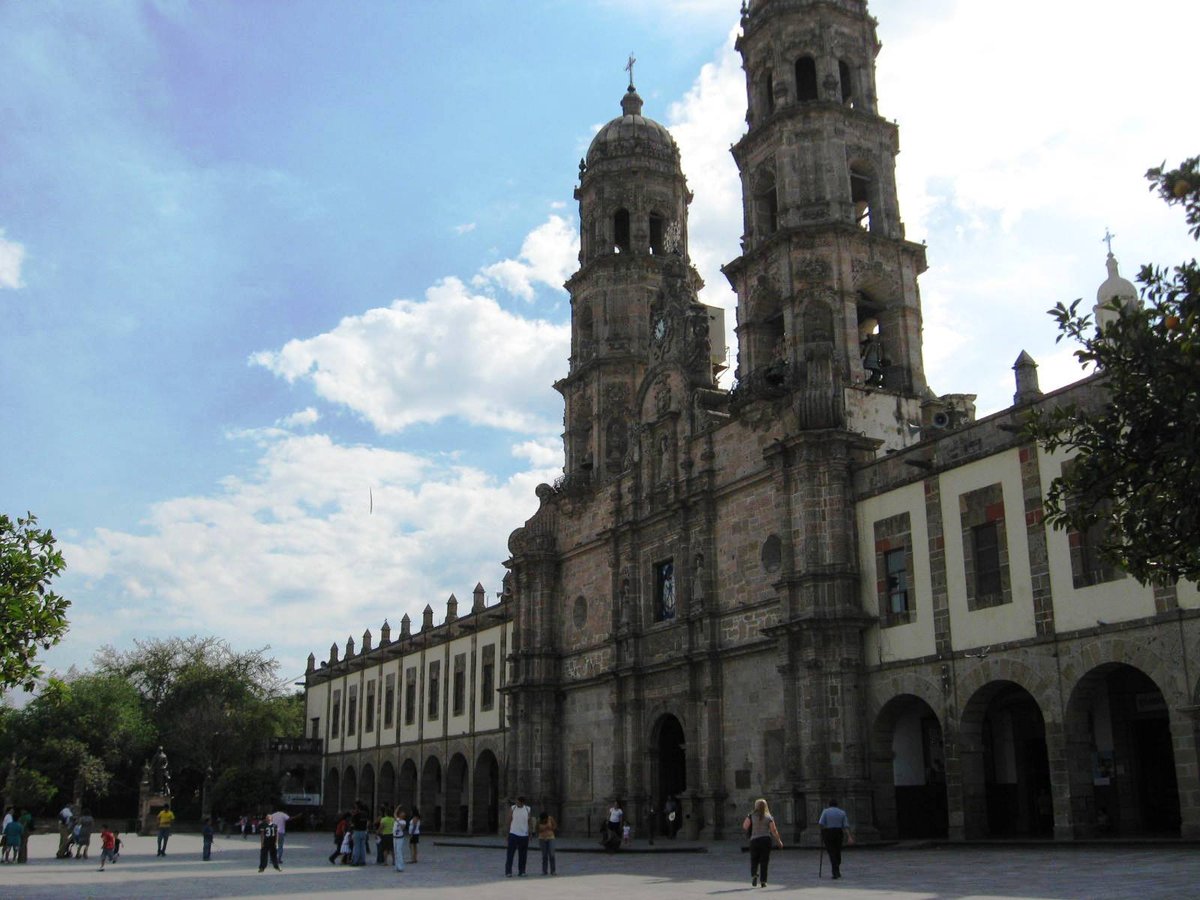
The Virgin of Zapopan spends more nights away from home than most saints. Between June and October she visits every parish in Guadalajara's metro, returning to her basilica in a procession so massive that Mexico's second-largest city pauses mid-week. This is Zapopan: a city that treats faith like public transit and turns a 17th-century cornfield into the country's most surprising art district.
 Photo: Karla López / Pexels
Built from cited sources · see the method · How we make our guides →
What looks like a sleepy colonial suburb from the highway reveals itself street by street. One block you're dodging mariachis and shoe-shine stands outside the basilica; three blocks north you're in a brutalist museum where the security guard doubles as a docent and the temporary shows are free. Between these extremes runs Andador 20 de Noviembre, a pedestrian spine where grandmothers buy votive candles next to third-wave coffee shops roasting Chiapas beans.
The food here refuses coastal clichés. Morning birria arrives in clay bowls wide enough to bathe a chihuahua, its broth the color of dried chiles and sunrise. At Mercado Lázaro Cárdenas, upstairs from the goat-meat stalls, a collective of printmakers pulls linocuts of Zapopan's patron saint while marimba echoes off the tin roof. Sunday comida stretches from 2 p.m. until the last table is cleared around 5 — the only reservation you need is the patience to wait for a local family's favorite fonda to have room.
Come October 12, the city rewires itself. More than three million people walk the Virgin home along a route that takes twelve hours and generations to complete. Street vendors roll in portable trompos for tacos al pastor; raicilla flows from plastic jugs; someone's grandmother hands you a plastic cup of tejuino because you're sweating more than the pilgrims. You won't find this scene in Puerto Vallarta. You will find it ten kilometers west of Guadalajara's airport, and you'll wonder why nobody told you sooner.
Not every monument, just the ones we'd walk you past ourselves.

Where to wander, by quarter — each with its own rhythm.
Before you go
Curated from places in this city. Same price as official sites.


Prices shown are indicative — final pricing and availability are confirmed at checkout. Audiala may receive a commission from bookings made via these links.
From Tecuexe stronghold to sprawling metropolis, one Virgin image has guided Zapopan's fate for five centuries
Corn growers move into the valley, building adobe homes near the Río Atemajac. Their pottery shards—red clay etched with zig-zag lightning—still surface after heavy rains. They leave no written words, only maize cobs buried with obsidian knives.
Stone platforms climb 12 meters above the valley floor. Workers haul volcanic rock without metal tools, fitting blocks so tight a blade won't slide between. The site will stand silent for 1,300 years until tractors begin unearthing it during a 1950s housing boom.
Roughly 4,000 warriors live in Tetlán alone, feared for poisoned arrows and whistling sling stones. They call themselves Tecuexes—'people of the place of stones.' Their main deity is Teopiltzintli, a child-god of maize who demands offerings of jade beads and pulque.
Nuño Beltrán de Guzmán enters the valley with 400 Spaniards and 6,000 Tlaxcalan allies. His horses' iron shoes spark against basalt. Within weeks the Tecuexe lords kneel, their bows snapped over Spanish knees. The encomienda system begins—each indigenous family owes weekly tribute of cotton, maize, and labor.
Francisco de Bobadilla leads 130 Christianized families from Jalostotitlán to repopulate Tzapopan. Franciscan friar Antonio de Segovia carries a hand-carved cedar Virgin smaller than a loaf of bread. He places her in a mud-walled chapel. Locals credit her with ending the Mixtón rebellion; her cult begins that winter.
Royal officials inventory Tesistán's tribute: 200 cotton mantles, 400 baskets of maize, 80 jars of honey. The cloth smells of wood-smoke and copal. Each bolt is measured against the span of a royal inspector's arm—standardization by body.
Bishop Juan Ruiz Colmenero sends scribes to collect sworn statements. Old Cuīcatl testifies the Virgin healed his daughter's fever after he prayed all night before her image. Seventy-two miracles are inked into vellum; the Vatican file starts here.
Masons lay the first limestone blocks for a proper sanctuary. Ox-carts drag pink quarry stone from nearby Zoquipan. The church will take thirty years and three bishops to finish. Its vaulted roof is wide enough for 3,000 pilgrims to kneel shoulder-to-shoulder.
Lightning splits Guadalajara's cathedral tower. Citizens carry the Virgin of Zapopan in procession; rain stops at the city gates. Authorities proclaim her 'Patroness against Lightning, Storms, and Epidemics.' Every year since, on October 12, she travels back to her basilica in a river of candles.
During the War of Independence, royalists and insurgents both claim the Virgin. On June 13, as Nueva Galicia swears loyalty to the rebel cause, she rides through Tlaquepaque in an open cart. Soldiers salute with raised muskets; she receives the title 'Generala de Armas.'
The new state of Jalisco carves itself into 26 departments. Zapopan becomes cabecera of its own, governing 18 villages from Santa Ana to San Esteban. The ayuntamiento meets in a rented room above the textile mill; minutes smell of raw cotton and ink.
Sotero Prieto and Manuel Olasagarre install 40 mechanical looms powered by the Río Santiago. The mill's whistle sets the town's daily rhythm: 5 a.m. start, 8 p.m. release. Workers arrive from Michoacán on foot, carrying blankets rolled with tortillas and salt.
General Ramón Corona's cavalry charges Manuel Lozada's rebels across maize stubble. Cannon fire echoes off the Barranca de Oblatos. By dusk, 200 bodies lie among broken stalks; Lozada flees north. The ranch house walls keep bullet holes that locals point out for decades.
Sparks shower as the first metal rail is nailed outside the basilica. The tram ride to Guadalajara costs five centavos and takes 25 bone-shaking minutes. Priest complain the bell can't compete with the whistle; they install louder bronze from Puebla.
Artist José Trinidad Laris sketches a coat of arms: sapote tree, Virgin, and the date 1541. The tree's roots spell 'Zapopan' in pre-Hispanic glyphs. Municipal letterhead changes overnight; every document stamped that year smells of fresh ink and wartime paper rationing.
A housing developer's blade clips a buried pyramid. Archaeologist José Corona Núñez arrives with toothbrushes and students. They uncover 12 platforms and a ball-court; construction halts, lots unsold. The site becomes a park where kids now climb 1,300-year-old stairs after school.
Helicopter blades scatter rose petals outside the basilica. The Pope kneels before the tiny Virgin, now dressed in gold-threaded robes. 50,000 people press against barricades; some camped three nights on the plaza stones. His visit cements the shrine as continental pilgrimage stop.
The Museo de Arte de Zapopan converts a 19th-century hospital into white-walled galleries. Director Fernando García says admission will remain free 'as long as art is considered a right.' The first show strings hammocks from the rafters—visitors lie beneath video clouds.
The October 12 pilgrimage—half a million walkers, 7 kilometers of candles—joins humanity's Intangible Heritage. Files list 477 confraternities, 53 dance troupes, and one 97-year-old woman who's carried flowers every year since 1944. The paperwork took eight years and 2,300 photos.
City crews plant 3,000 agave plants between pyramids. Solar panels power a new visitor center built of compressed earth blocks. School groups now measure shadows cast by 7th-century stone while learning rainwater harvesting. The past and future share the same irrigation ditch.
Where locals actually book dinner — not the tourist menus.
Small things that change how the city treats you.
The city, as it actually looks.
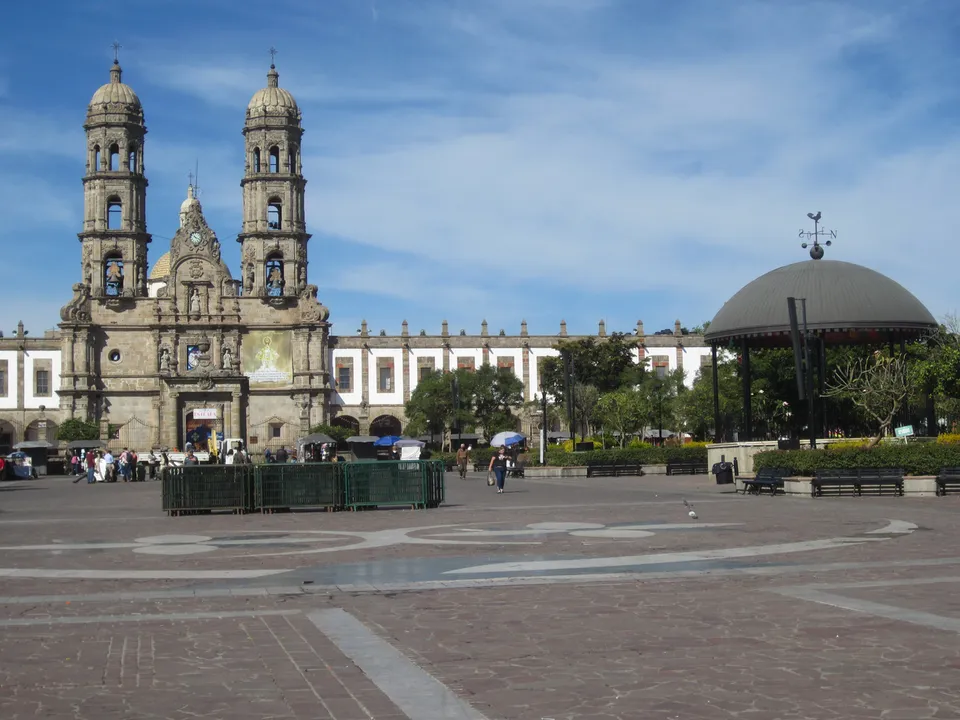


Zapopan is absolutely worth a full day. The basilica, UNESCO-listed La Romería, free contemporary art at MAZ, and inland-Mexico’s best seafood market all sit within six walkable blocks—then you’re already on forest trails in Bosque Los Colomos.
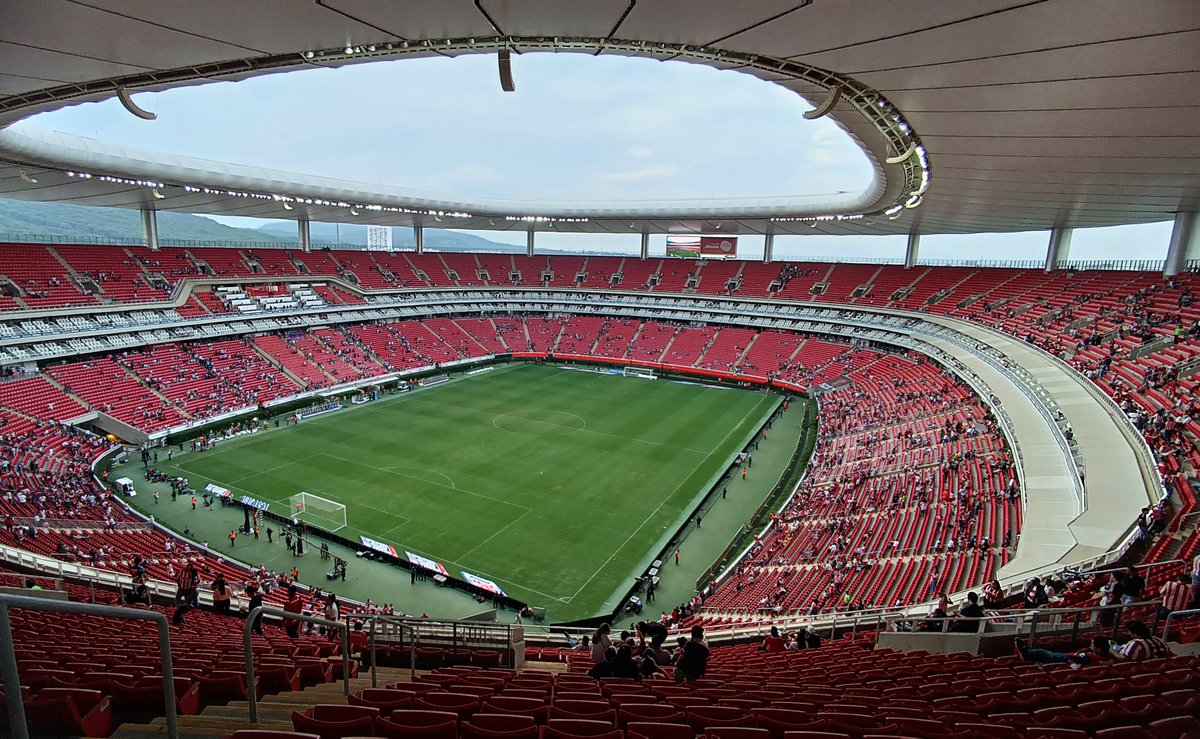
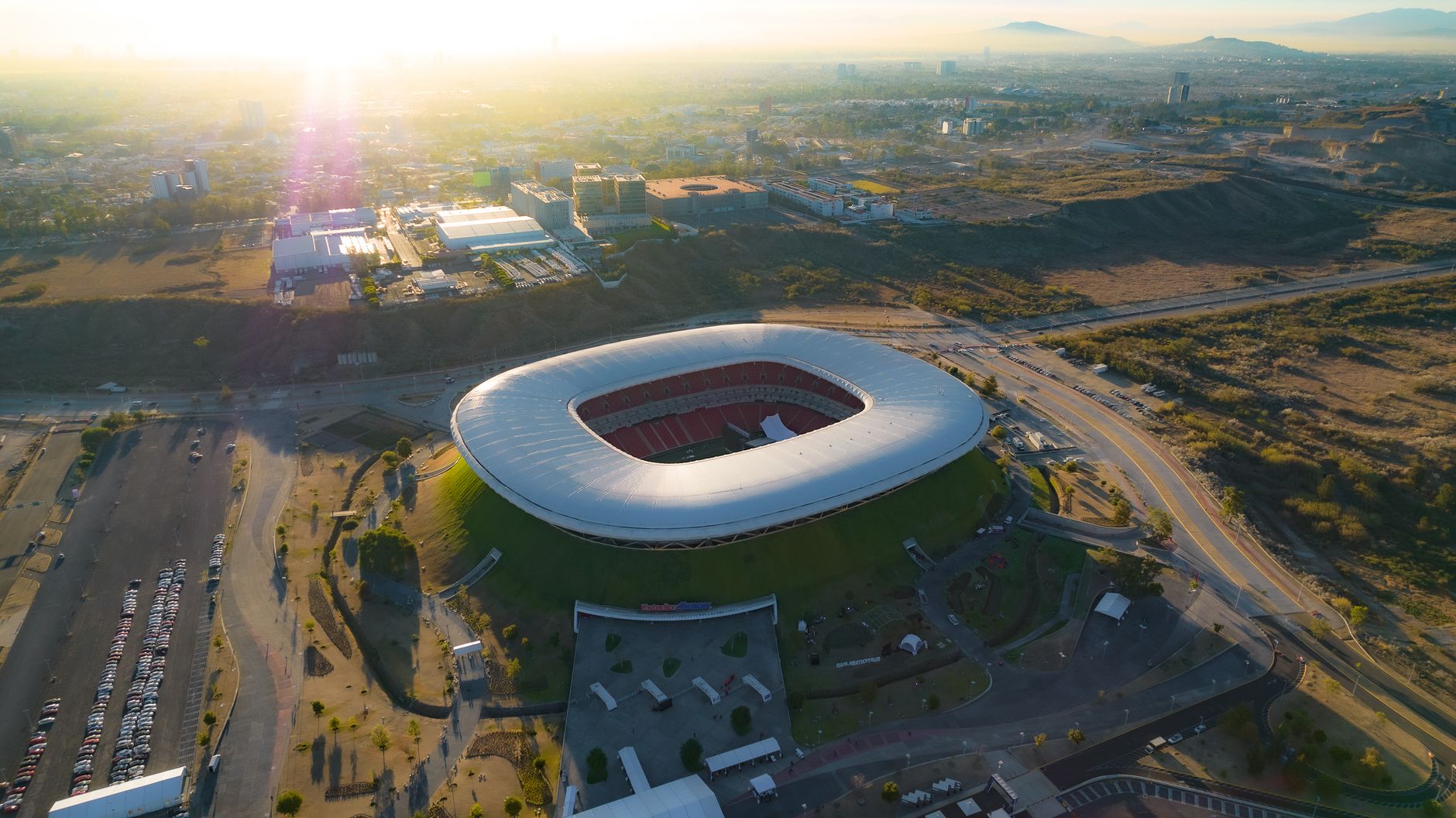
Two days covers the basilica, MAZ, El Ixtépete pyramids and a Sunday birria crawl. Add a third day if you want to hike El Diente boulders or catch a Chivas game at Estadio Akron.
Centro and Ciudad Granja are well-lit and busy until late; stick to main streets after 23:00. Avoid peripheral colonias east of Periférico unless you’re with a local—standard Jalisco precautions apply.
Take the airport-Centro bus to Guadalajara old bus station (7 pesos), then Mi Macro L2 to Plaza Patria (9 pesos). Total 16 pesos versus 450–600 for a taxi.
No—locals buy garrafones (20 L jugs). Hotels provide them; street food vendors use purified ice, so mariscos and aguachile are safe to eat.
Late September to mid-October: La Romería warms up, chiles en nogada appear on menus and afternoon rains have finished. Spring works too, but expect hotter, dustier days before the June rains.
11 places to discover

Saved and recently read places — kept on this device only.
Photos may have been resized or cropped.