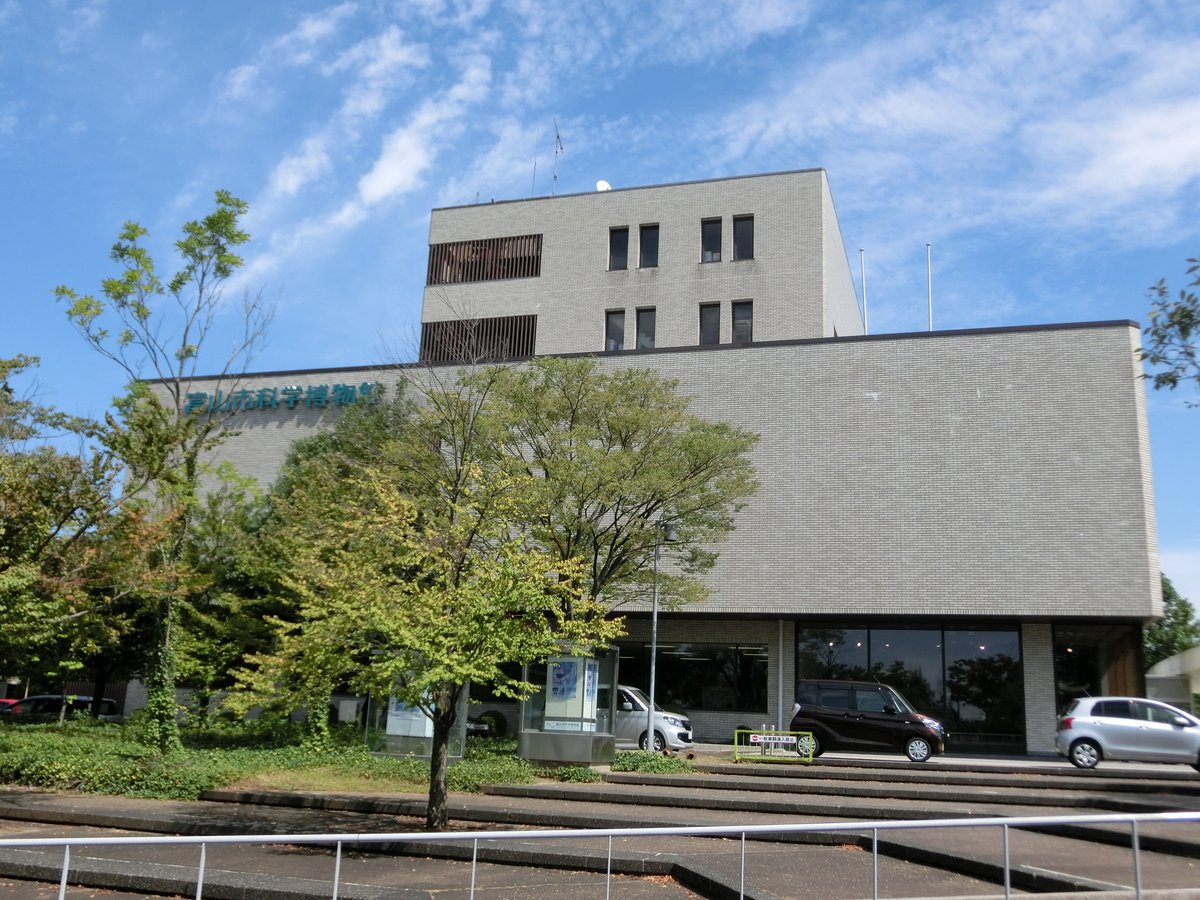
About Toyama Prison
Toyama Prison is an active correctional institution in Toyama City, Toyama Prefecture. Its annual Toyama Correctional Exhibition gives the public an opportunity to see crafts made by inmates, including traditional mikoshi, and learn about Japan’s correctional philosophies. General tourism is not permitted outside the exhibition and authorized visits.
History and Preservation
Founded during Japan’s Meiji period, Toyama Prison reflects the country’s shift from traditional forms of punishment to a modern penal system focused on rehabilitation and vocational training. Its architecture and operating philosophy were influenced by Western models, as part of nationwide reforms emphasizing standardized incarceration and inmate reintegration (poidata.io).
The prison has played a role in maintaining regional order and promoting social rehabilitation. Its woodworking program, particularly the production of mikoshi (portable shrines), is recognized nationally for supporting cultural preservation and inmates’ vocational development (newsonjapan.com).
Efforts are underway to balance the prison’s operational needs with heritage preservation. Authorities aim to expand educational outreach and special events, and to integrate the prison more closely into Toyama’s heritage tourism offerings.
What to See
The annual Toyama Correctional Exhibition is the prison’s main public event. It displays over 3,000 prison-made items from across Japan, with Toyama’s mikoshi as a central attraction. The exhibition also features inmate-made furniture, utensils, and other crafts, showcasing vocational programs intended to support reintegration and preserve local traditions.
Toyama Prison’s woodworking workshops have produced over 5,800 mikoshi. Some are valued at up to 4 million yen (newsonjapan.com).
Guided tours can offer perspectives on the prison’s history, rehabilitation programs, and artisan workshops. Educational sessions and public lectures may also be available during the exhibition. Tours are offered during the exhibition and sometimes by appointment; check official tourism resources for schedules. Images and videos of the mikoshi and workshops are available through the official tourism portal, and interactive maps provide layouts of the prison and exhibition areas.
Practical Visiting Information
Public access, hours, and admission
Public access is generally limited to the annual Toyama Correctional Exhibition, typically held once a year, often in spring or autumn. It generally runs daily from 9:00 AM to 5:00 PM for about one week. Outside the exhibition, visits are restricted and require advance administrative approval.
Admission to the exhibition is free. Viewing and purchasing inmate-made crafts is encouraged. Some workshops or guided tours may require a nominal fee or a small fee, and advance booking is recommended for special programs because capacity is limited.
Location and access
Toyama Prison is in Toyama City. From Toyama Station, visitors can reach it by local bus or taxi. The prison is accessible by public transit, and parking is available for drivers, though parking is limited. For current directions and parking details, consult the official Toyama Prefecture tourism website.
Exhibition areas are wheelchair accessible. Visitors with special requirements should contact the administration in advance to arrange accommodations. Basic amenities, including restrooms and waiting areas, are provided.
Arranging a non-exhibition visit
Outside the annual exhibition, visits are limited to family, legal representatives, and authorized personnel. Permission-based visits must be arranged in advance. The listed eligible visitors are immediate family, legal counsel, or approved researchers.
Apply through the prison’s administrative office and provide identification and the purpose of the visit. Required documents include valid government-issued ID and proof of relationship or professional status; health documentation may also be needed. For current procedures, consult the Ministry of Justice Japan.
Arrival and security
Arrive at least 30 minutes early and present all required documents at reception. Visitors undergo security screening. Phones, cameras, weapons, and outside food or drink are prohibited.
Tips and Visitor Conduct
Dress conservatively and avoid attire resembling uniforms or prison wear. Closed-toe shoes are required. Photography and videography are strictly forbidden, and physical contact with inmates is not allowed.
Visits take place in monitored rooms, often with partitions. Sessions usually last 20–30 minutes and are subject to frequency limits. Most staff communicate in Japanese; arrange translation support if necessary.
Respect institutional rules and privacy, avoid discussing visit details publicly, and do not bring gifts or food. Use official channels for communication. Travelers should check seasonal weather and plan transportation accordingly, as the site can become crowded during the exhibition.
Nearby Places
Nearby attractions include Toyama Castle, the Glass Art Museum, and the scenic Tateyama Kurobe Alpine Route. Toyama City also offers accommodation, dining, and cultural experiences. For current visitor information, consult the Toyama Tourism Official Website.
Frequently Asked Questions (FAQ)
Can I visit Toyama Prison year-round?
Public access is generally limited to the annual Correctional Exhibition. Visits at other times require official permission.
Are guided tours available?
Guided tours are offered during the exhibition and sometimes by appointment.
Is there an admission fee?
Admission to the exhibition is free; some special programs may charge a fee.
How do I get to Toyama Prison?
From Toyama Station, take a connecting bus or taxi. Parking is available for drivers, though it is limited.
Is the exhibition accessible for people with disabilities?
Yes. The exhibition venue is wheelchair accessible.
For the latest updates, consult the Toyama Prefecture tourism website, Toyama City Official Tourism, or the Ministry of Justice Japan. Additional information about the prison’s cultural programs and exhibitions is available on News on Japan.