
Historical Background
Dante’s Connection to Verona
Dante Alighieri (1265–1321), renowned for authoring the Divine Comedy, spent significant years in Verona following his exile from Florence. Welcomed by the powerful Scaligeri family, Dante found both intellectual stimulation and political asylum in Verona. He composed portions of “De Monarchia” and “Paradiso” here and dedicated the third cantica of the Divine Comedy to his patron, Cangrande della Scala. Verona’s embrace of Dante is immortalized both in the city’s culture and in the monument’s central location (Visit Verona, Società Dante Alighieri, visitverona.it).
Origins and Commission of the Monument
The impetus for the monument coincided with the 19th-century Italian unification movement. In 1863, a public contest was held to select a sculptor, and Ugo Zannoni—a rising Veronese artist—won with his vision of a contemplative Dante. The statue was clandestinely installed overnight between May 13 and 14, 1865, due to Austria’s rule over Verona at the time, making the unveiling a subtle statement of Italian nationalism. The monument replaced a previous Neptune fountain in the square, further elevating its symbolic status (stendhapp.com, Visit Verona).
Symbolism and Inscriptions
The marble pedestal bears a resonant inscription:
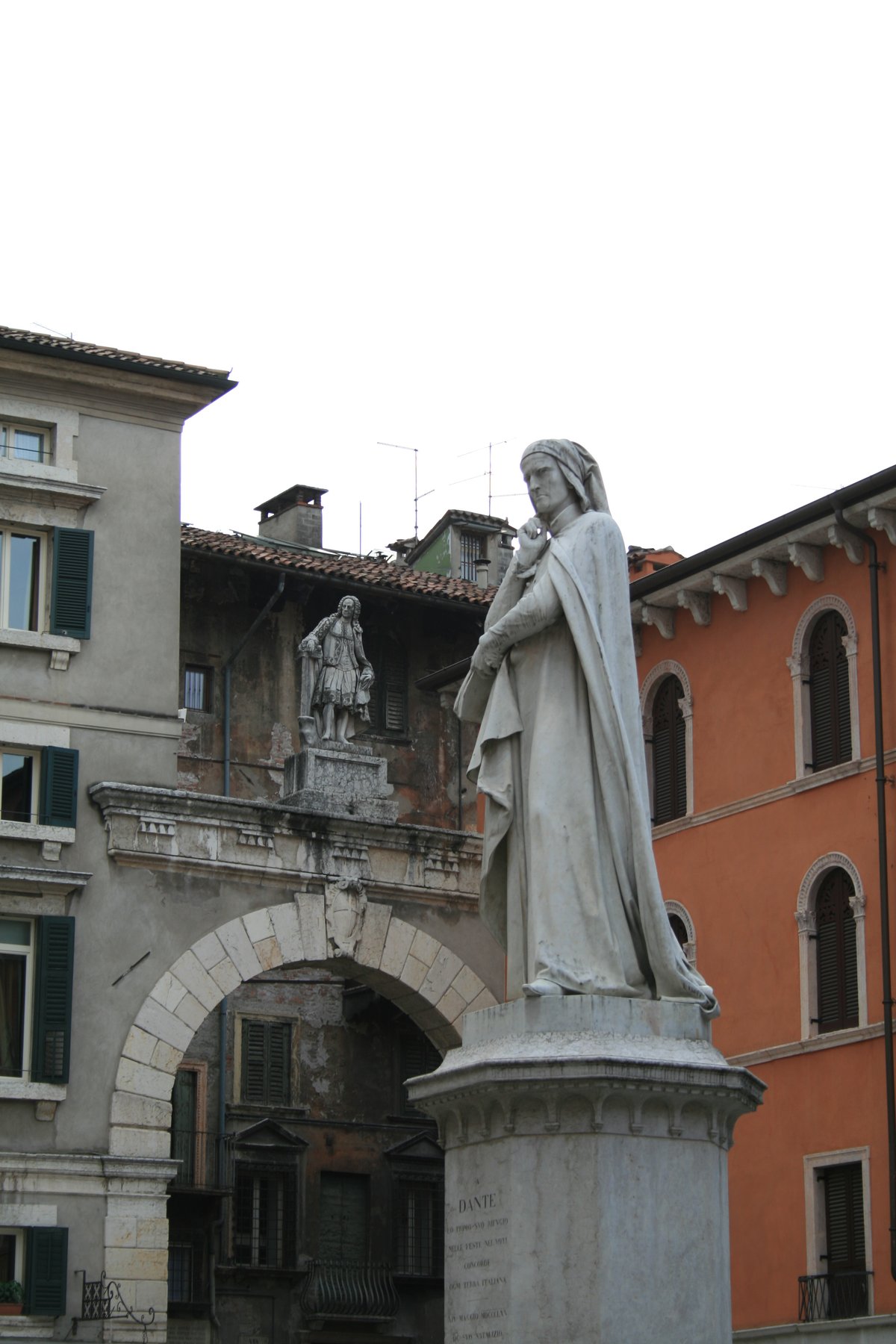
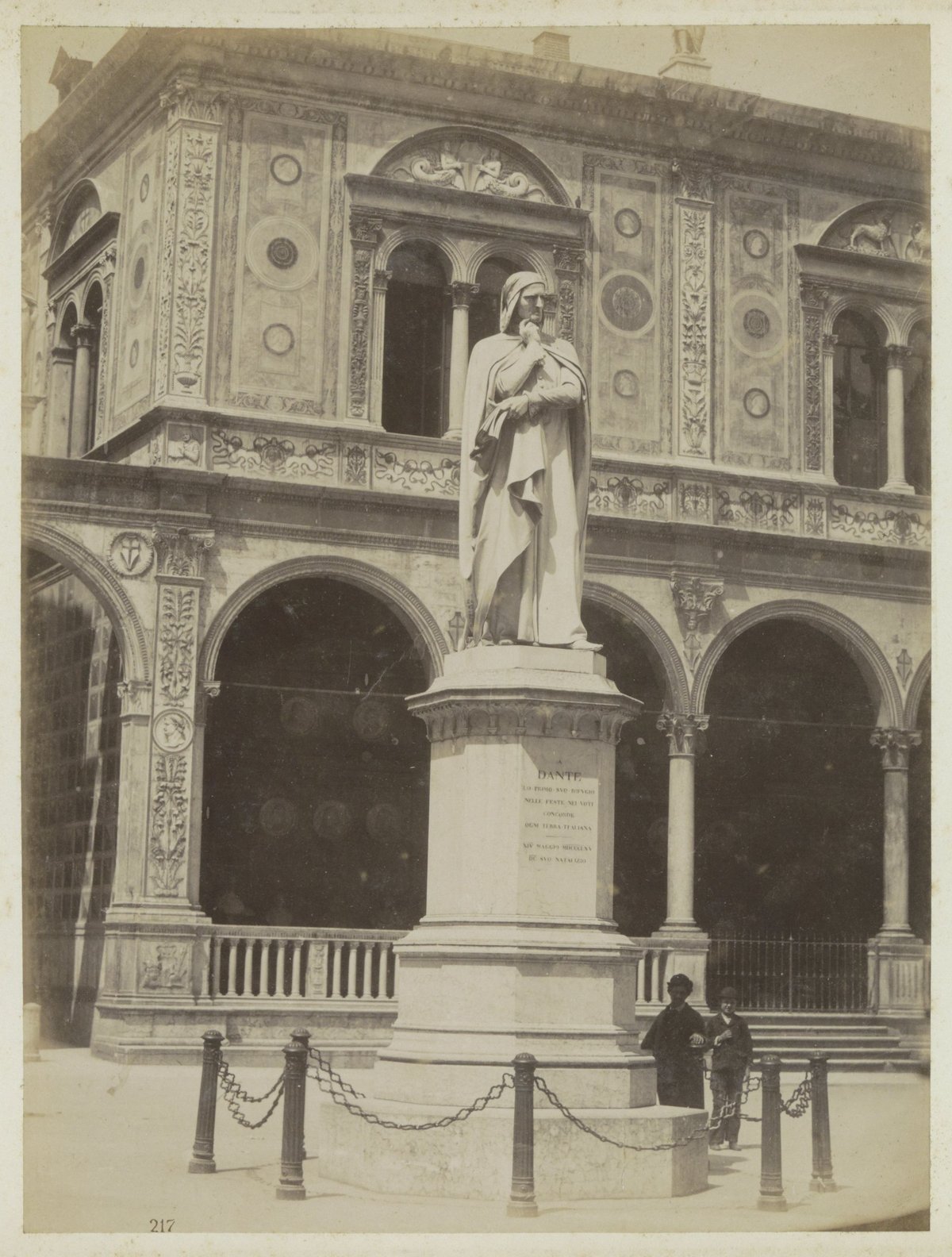
“To Dante, his first refuge, in celebration and in vows, every Italian land united. 14 May 1865, on his birthday.”
This tribute reflects both Dante’s gratitude to Verona and the Risorgimento spirit of national unity that prevailed during the statue’s commission (Visit Verona).
Artistic Features and Urban Setting
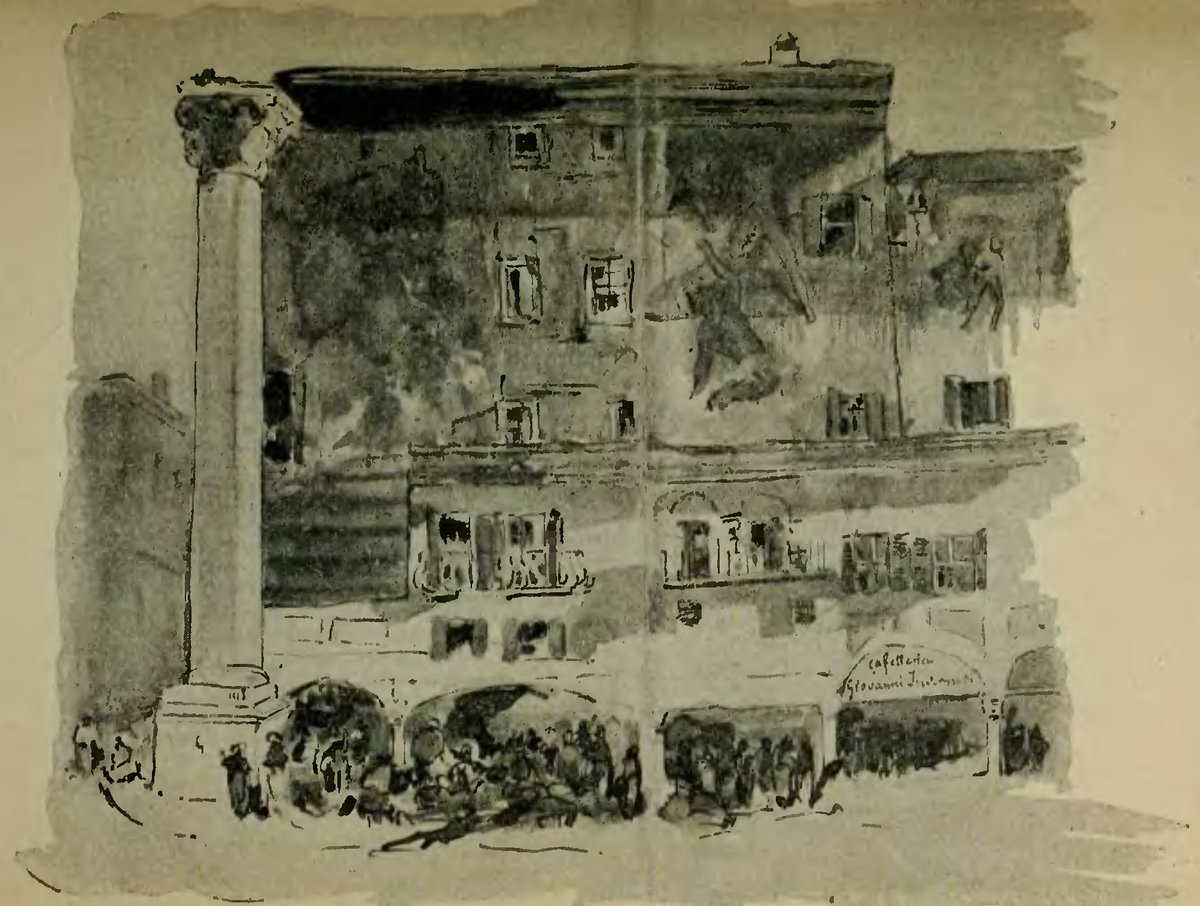
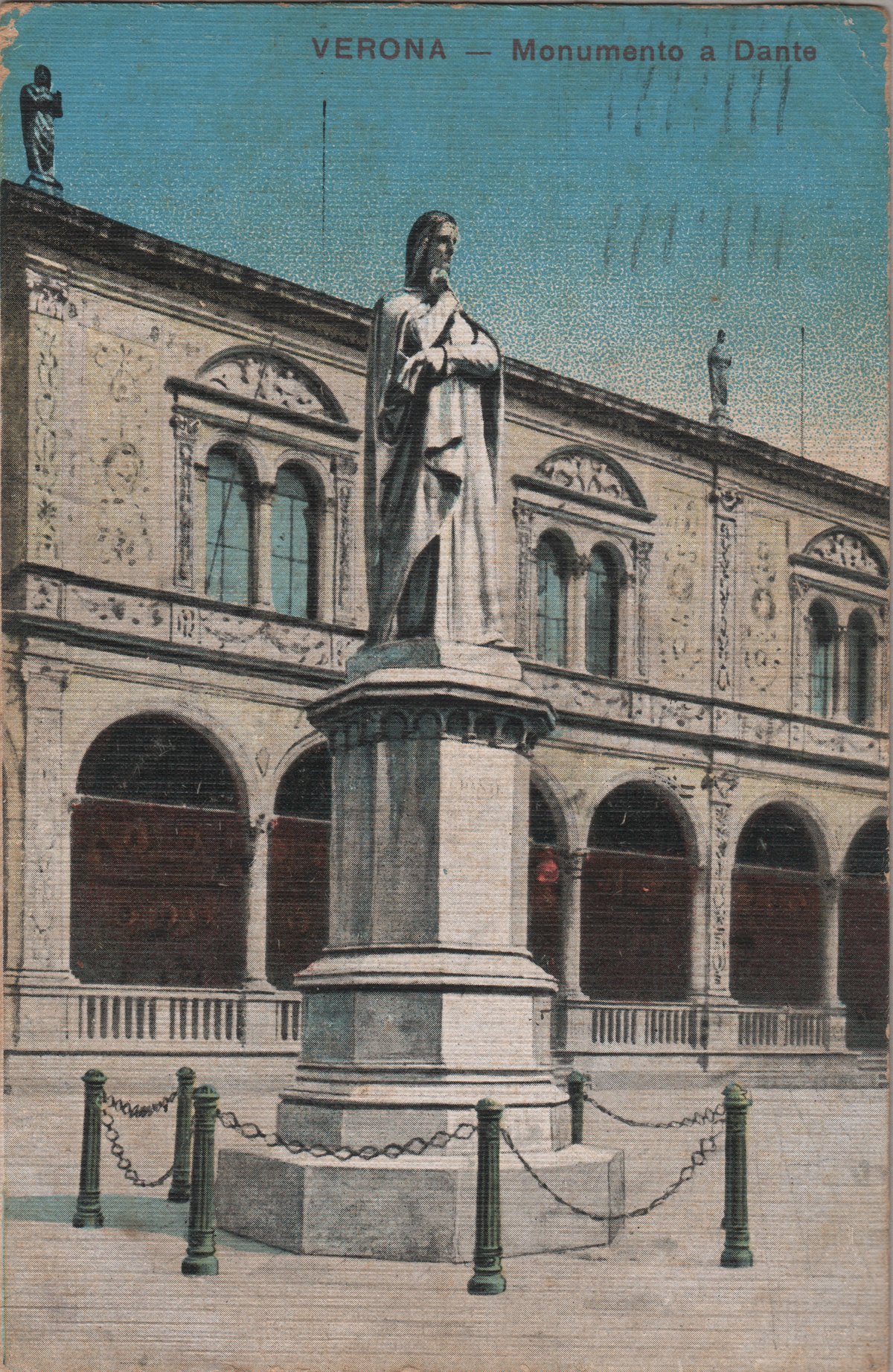
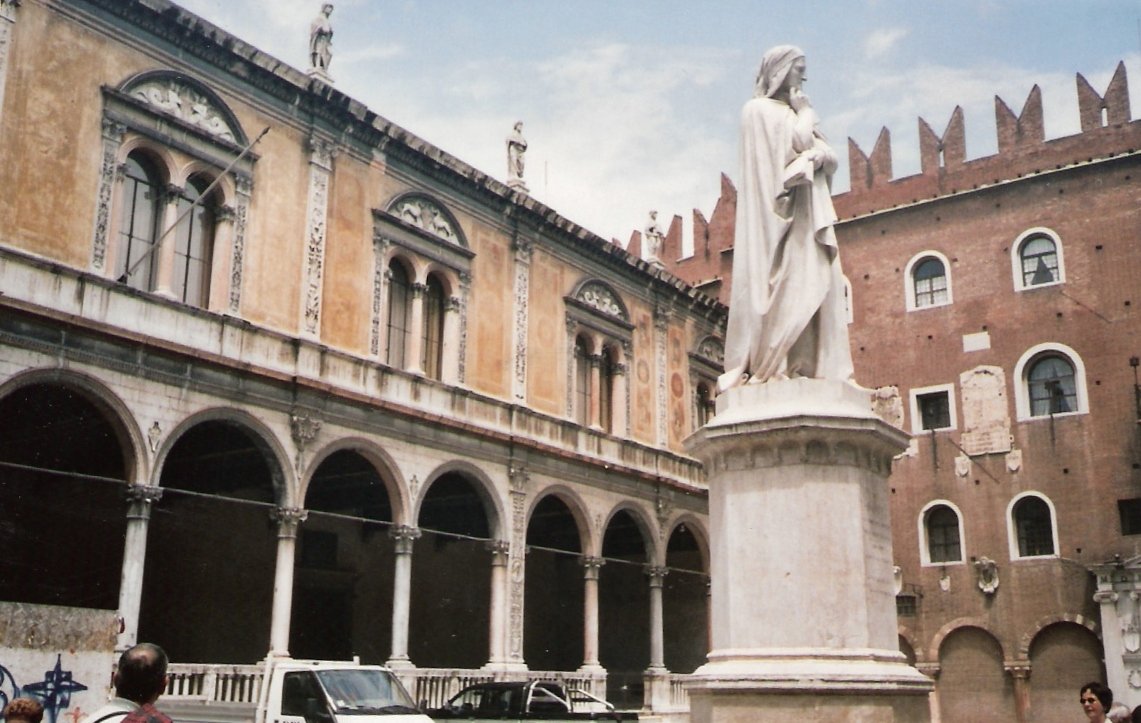
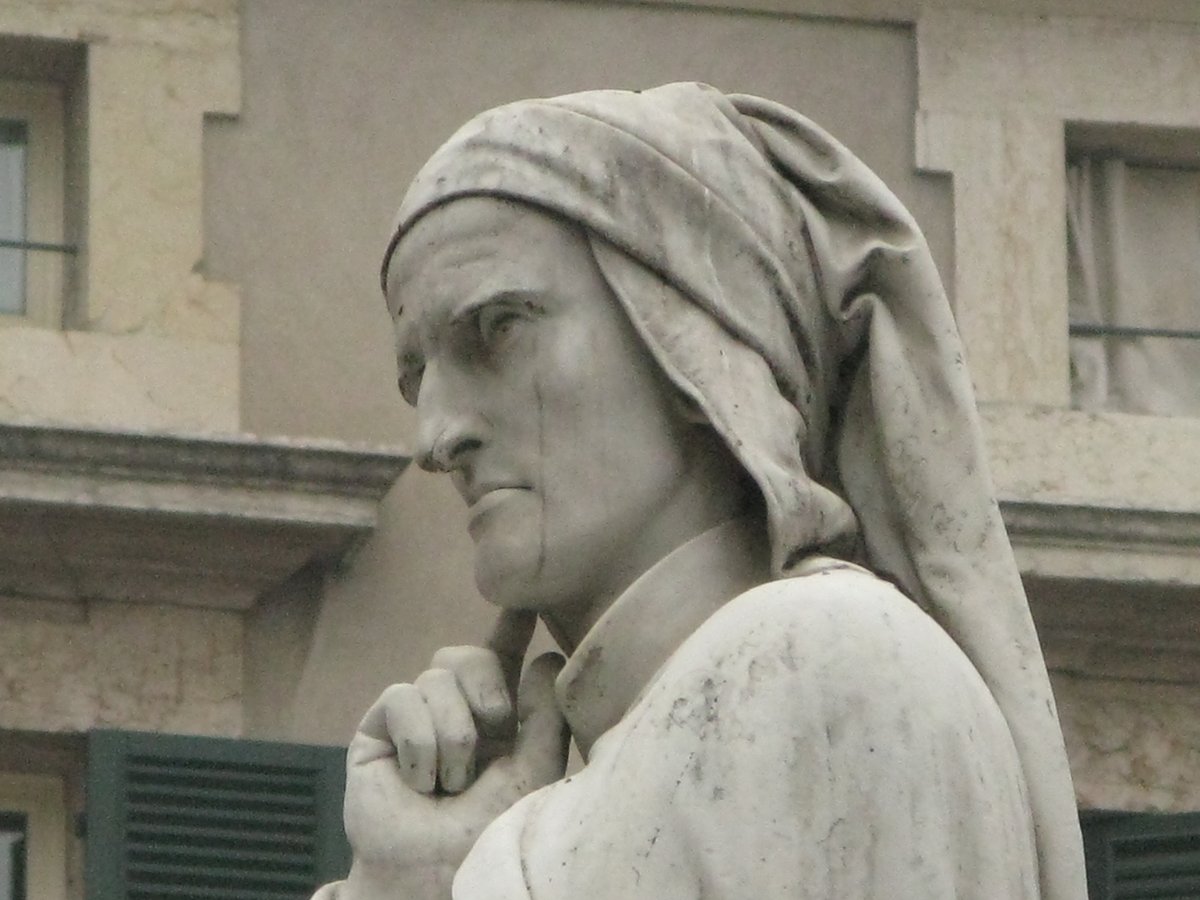
Zannoni’s statue is carved from luminous white Carrara marble, standing three meters high atop a matching pedestal. Dante is depicted in a meditative pose, hand to chin, holding his magnum opus, signifying poetic contemplation and intellectual gravitas. The statue dominates Piazza dei Signori—also called Piazza Dante—and is surrounded by significant medieval and Renaissance buildings, including the Loggia del Consiglio and the Palazzo della Ragione. This placement cements Dante’s role in the city’s intellectual and civic life (wikipedia, lonelyplanet.com).
Preservation and Restoration
The monument is subject to periodic restoration to preserve its marble brilliance and structural integrity. Local authorities ensure that this symbol of Verona’s heritage remains well maintained (Visit Verona).
Visitor Information
Location and Accessibility
- Address Piazza dei Signori (Piazza Dante), Verona historic center
- Accessibility The square is pedestrianized, flat, and wheelchair-accessible. It is a short walk from major sites such as Piazza delle Erbe and the Verona Arena (lonelyplanet.com).
Visiting Hours and Tickets
- Hours Open-air and accessible 24/7; best visited during daylight (9:00 AM – 7:00 PM) for safety and optimal viewing.
- Tickets No admission fee; the monument is in a public square. Tickets are only required for nearby museums or civic buildings (Evendo).
Guided Tours and Events
- Guided Tours Many Verona walking tours feature the monument as a highlight, providing literary and historical insights. Book in advance for the best experience (The Travel Folk).
- Events The statue is a central site for Dante Day (March 25), literary festivals, and cultural gatherings organized by local and national organizations (Società Dante Alighieri).
Photography and Etiquette
- Best Photography Early mornings and late afternoons offer ideal lighting and fewer crowds. The monument’s central location allows for excellent composition with surrounding architecture.
- Etiquette Please do not climb or sit on the statue or pedestal. Respect signage and preservation efforts (alongdustyroads.com).
Travel Tips
- Getting There Piazza dei Signori is a 10-minute walk from the Verona Arena and easily reachable by public transport from Verona Porta Nuova train station.
- Verona Card Consider purchasing for discounts on other attractions and public transport.
- Facilities Benches, cafés, and restrooms are nearby; English is widely spoken in tourist areas.
Nearby Attractions
- Arena di Verona Roman amphitheater famous for opera performances.
- Juliet’s House (Casa di Giulietta) Linked to Shakespeare’s legendary heroine.
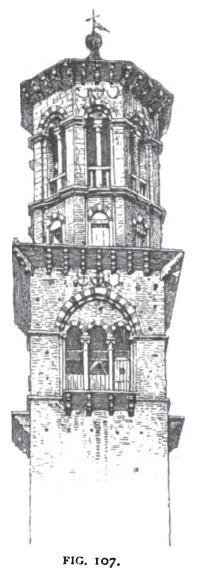
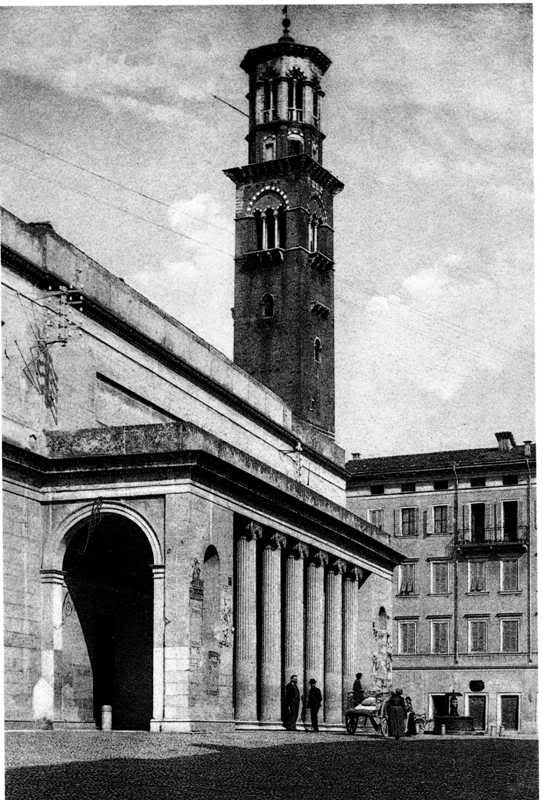
- Torre dei Lamberti Medieval tower with panoramic city views.
- Piazza delle Erbe Ancient forum now a bustling market.
- Scaliger Tombs Ornate Gothic monuments to the ruling family.
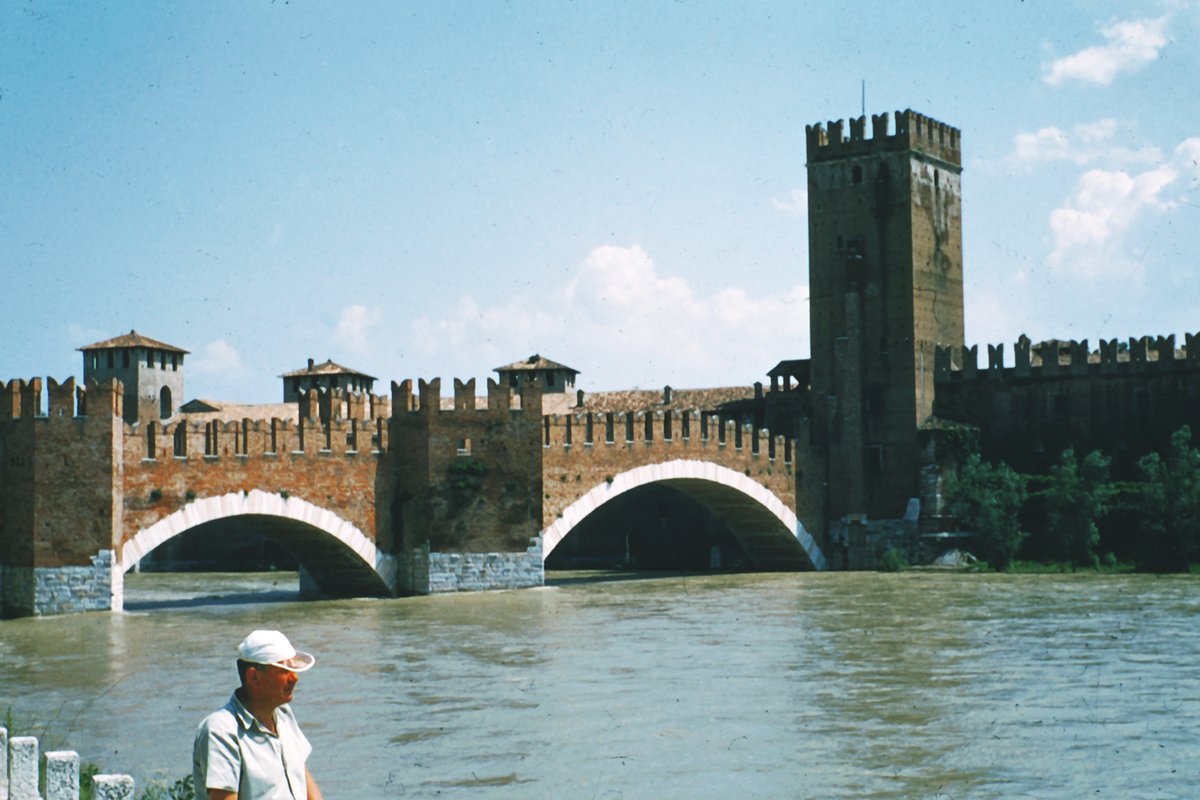
- Palazzo della Ragione and Loggia del Consiglio Historic civic buildings flanking the square (notaboutthemiles.com, Visit Verona).
Frequently Asked Questions (FAQ)
Q: What are the visiting hours for the monument?
A: Piazza dei Signori is open 24/7; the monument is always accessible.
Q: Is there an entrance fee or ticket required?
A: No, visiting the monument is free.
Q: Is the statue wheelchair accessible?
A: Yes, the square and surrounding area are accessible.
Q: Are guided tours available?
A: Yes, most Verona walking tours include the monument.
Q: When is the best time to visit for photographs?
A: Early morning or late afternoon for optimal light and fewer crowds.
Q: Are events held at the monument?
A: Yes, especially during Dante Day and other literary celebrations.
Q: What etiquette should visitors observe?
A: Do not climb on or touch the statue; respect preservation rules.