
History and Significance
The Church of the Most Holy Ecce Homo was built in the 19th century during the reconstruction of Ragusa after the devastating 1693 earthquake. Originally, the site housed a rural chapel dedicated to the Madonna del Rosario, serving the local farming community. As Ragusa Superiore expanded, the present church was commissioned in 1808, with the pivotal involvement of Don Giovanni Boscarino leading to its completion mid-century (EnjoySicilia).
The church is dedicated to “Ecce Homo” (“Behold the Man”), a devotion reflecting Christ’s suffering and a theme resonant in Sicilian spirituality. It became a focal point for the growing community of Ragusa Superiore, representing both an urban and spiritual rebirth in the aftermath of disaster (GoAskALocal).
Architecture and Artistic Heritage
Architectural Style
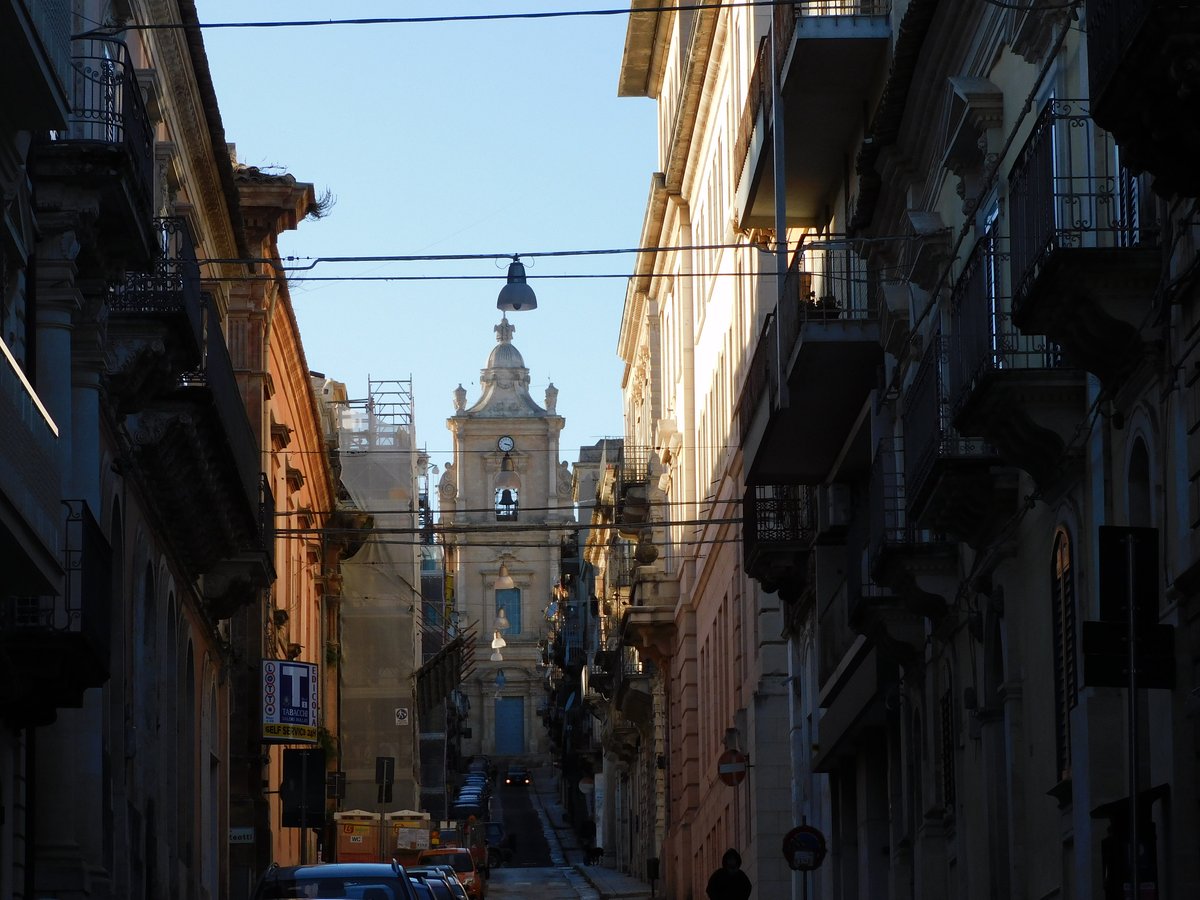
The Church of the Most Holy Ecce Homo features an elegant blend of late Sicilian Baroque and Neoclassical architecture. Its luminous limestone façade, marked by balanced proportions, pilasters, and a triangular pediment, showcases the stylistic transition of 19th-century Sicilian religious buildings. The simple bell tower and the large central window filling the nave with light set this church apart from the Baroque exuberance of nearby Ragusa Ibla (Cheerful Trails; WondersOfSicily).
Interior and Artistry
The interior features a spacious nave, pale tones, and elegant vaults, creating a serene and inviting atmosphere. The main altarpiece poignantly depicts the “Ecce Homo” scene, and the side chapels house statues and paintings rooted in local artistic traditions.
A highlight is the 1857 “Serassi” organ, a masterpiece of Italian craftsmanship, and the stained glass windows by Duilio Cambellotti, which cast vibrant colors and dramatic shadows across the nave, especially at dusk. These artistic treasures illustrate the church’s role as both a place of worship and a showcase of Sicilian art (Ragusa Welcome).
Spiritual and Community Role
Beyond its architectural beauty, the Church of the Most Holy Ecce Homo is a living center of community faith. It hosts regular Masses, sacraments, Holy Week processions, and significant events aligned with the liturgical calendar. The church’s dedication to compassion and redemption is emphasized through its vibrant parish life, charitable outreach, and the annual Ecce Homo procession during Holy Week, a highlight of Ragusa’s religious traditions (PassportNomads).
Visiting Hours, Tickets, and Accessibility
- Visiting Hours
- Monday to Saturday: 9:00 AM – 12:30 PM and 4:00 PM – 7:00 PM
- Sunday and holidays: 10:00 AM – 1:00 PM (hours may vary during services or festivals)
- Admission Free; donations appreciated for maintenance and activities.
- Accessibility The main entrance is wheelchair accessible with ramps; assistance is available from the parish office.
- Guided Tours Available upon request via the Ragusa Tourist Office or local tour providers. Advance booking is recommended.
- Photography Permitted without flash or tripods. Please avoid photography during services.
Visitor Tips and Nearby Attractions
- Best times to visit Late afternoon or dusk for the stained glass light effects and quieter ambiance.
- Dress code Wear modest clothing covering shoulders and knees; hats off inside.
- Nearby sites
- Cathedral of San Giovanni Battista Impressive Baroque cathedral in Ragusa Superiore.
- Ragusa Ibla Explore the historic center with the Duomo di San Giorgio, Giardino Ibleo, and ornate Baroque palaces (Wonders of Sicily).
- Museo Archeologico Ibleo Discover archaeological finds from the region.
- Local amenities Cafés, restaurants, and artisan shops are close by; public restrooms are available in nearby establishments.
Frequently Asked Questions (FAQ)
Q: What are the visiting hours of the Church of the Most Holy Ecce Homo?
A: Monday to Saturday, 9:00 AM–12:30 PM and 4:00 PM–7:00 PM. Sunday and holidays, 10:00 AM–1:00 PM. Hours may vary during special events.
Q: Is there an entrance fee?
A: No, entry is free. Voluntary donations are welcome.
Q: Are guided tours available?
A: Yes, through local tourist offices or by arranging with the parish in advance.
Q: Is the church wheelchair accessible?
A: Yes, ramps and assistance are available.
Q: Can I take photos inside?
A: Yes, but please refrain from using flash or tripods, and avoid photography during services.
Q: What other sites are nearby?
A: Duomo di San Giorgio, Giardino Ibleo, Palazzo La Rocca, and Palazzo Cosentini.
Summary and Travel Advice
The Church of the Most Holy Ecce Homo encapsulates Ragusa’s spirit of renewal and devotion. Its blend of Baroque and Neoclassical architecture, artistic treasures like the Serassi organ and Cambellotti’s stained glass, and role in community life make it a unique destination. Its central location, free entry, accessibility, and welcoming atmosphere offer travelers a serene yet culturally rich experience. For a deeper immersion, visit during Holy Week or late afternoon, and use resources like the Audiala app for guided tours and interactive maps. This church is an essential stop for anyone wishing to understand Ragusa’s layered history and vibrant culture (Cheerful Trails; WondersOfSicily; PassportNomads).
