Welcome to Pistoia: Where Medieval Walls Whisper and Every Cobblestone Tells a Story
If Florence is Tuscany’s dazzling headliner, Pistoia is the region’s soulful after-hours jazz club—mellow, mysterious, and brimming with stories that deepen the longer you linger. Here, ancient legends hide behind striped marble columns, and the aroma of fresh schiacciata drifts through sun-dappled piazzas. Pistoia isn’t for checklist tourism or Instagram queues. Instead, it’s a city for curious wanderers: history hunters, market enthusiasts, and gelato detectives eager to savor life, one bite and story at a time (Pistoia: Tuscany’s Living Time Capsule, Pistoia Unlocked: Secrets, Senses, and Stories from Tuscany’s Best-Kept Garden).
This guide is your map to Pistoia’s living jewel box—a city where striped churches rival Florence, jazz legends and medieval knights haunt the same squares, and the only rule is never to rush your espresso. Ready for mini-quests, local lingo, and tales that blur fact and fable? Lace up your shoes (or go barefoot—Tuscany style) and let’s step into a city where every moment is a delicious surprise (Local Culture and Gastronomy).
Pistoia at a Glance: The Jewel Box Unlocked
Layers, Legends, and Laughter
Pistoia is a living tapestry of Roman walls, medieval towers, and Renaissance palazzi, all humming with modern life. Unlike Florence’s bustling crowds, here your discoveries are shared with locals who might just invite you for an espresso (tip: never order a cappuccino after 11am if you don’t want a gentle, smiling rebuke).
Secrets Beneath the Surface: Pistoia Sotterranea
Take the “Pistoia Sotterranea” tour and descend into shadowy Roman tunnels beneath the Ceppo Hospital. Here, legends abound: some say a ghostly baker still kneads dough by moonlight. Keep your eyes peeled for ancient bakery remains and a secret mosaic—a hidden treasure for history hunters.
Did You Know?
- The city’s name, “Pistoia,” hails from “pistoria,” meaning bakery—a hint that carbs have always been the local currency.
- Pistoia’s medieval walls survived countless sieges, including a famous standoff with Florence in 1306. The city’s bakers became heroes, inventing chestnut cake to keep the townsfolk fed.
Pistoia’s Senses: Taste, Touch, and Tune In
- Sight Admire the zebra-striped Cathedral of San Zeno and hunt for green marble at every church door. Challenge yourself to find all five striped churches before your gelato melts.
- Sound Bells serenade the city at noon, and the hum of local gossip fills Piazza del Duomo. Master a simple “Ciao, come va?” to join in.
- Smell Roasting coffee and pastries beckon from Via della Madonna.
- Taste Sample schiacciata, brigidini (anise biscuits), and Carnival’s crispy “cenci.”
- Touch Feel the cool stone of the 12th-century Baptistery and high-five a local nonna at the Saturday market after successfully buying pecorino in Italian.
Be a History Hunter: Interactive Mini-Quests
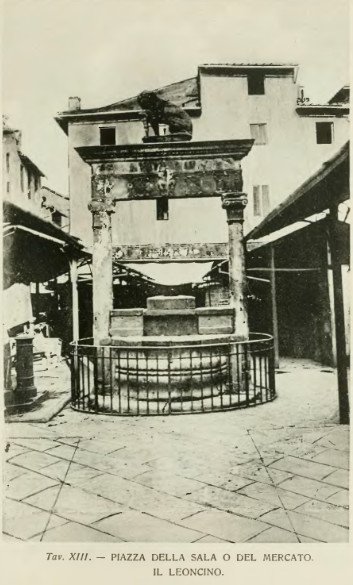
- Quest #1 Find the ancient well in Piazza della Sala. Toss in a coin and make a wish—unless you’re hoping for pizza in Pisa!
- Quest #2 Climb San Zeno’s Bell Tower for stunning views and a well-earned breathless laugh.
- Quest #3 Spot the bear statues around town. Bears are a city icon, tied to a legendary joust, the patron saint, and centuries of local pride.
Local Life: Customs, Quirks, and Etiquette
- Greet with “Buongiorno” before noon and “Buonasera” after—the locals cherish proper salutations.
- Never put cheese on seafood pasta; it’s an unspoken law.
- To order coffee, say “Un caffè, per favore” (espresso); “un latte caldo” will get you hot milk.
- Friends greet with two cheek kisses, starting left.
Pop Culture and Tall Tales
- Pistoia features in the Italian film “La Notte di San Lorenzo,” with recognizable WWII-era piazzas.
- The city hosts the renowned Pistoia Blues Festival every July, where stars like Chet Baker have performed.
- Dante himself once cursed the city for its political intrigue, but locals simply kept baking bread.
Choose Your Own Pistoian Adventure: 24 Hours, Countless Stories
- History Buff Start at the Civic Museum, explore underground tunnels, and hunt for Etruscan relics. Lunch on chestnut tagliatelle.
- Art Lover Marvel at Pisano’s pulpit, photograph Renaissance cloisters, and visit the Marino Marini Museum.
- Foodie Breakfast at Pasticceria Armando, lunch in Piazza della Sala, afternoon gelato, and a glass of Barco Reale wine at sunset.
- Family Fun Join the Joust of the Bear parade in July, climb towers, and complete a scavenger hunt in the Saturday market.
Pistoia Through the Seasons: What’s On When?
- Spring Azalea Festival—city blooms with color, perfect for flower selfies.
- Summer Joust of the Bear and Pistoia Blues Festival—music, pageantry, and open-air celebrations.
- Autumn Chestnut harvest—sample castagnaccio and hike the nearby hills.
- Winter Christmas markets transform piazzas into a fairy-tale, with mulled wine and hand-carved nativity scenes.
Speak Like a Local: Quick Phrasebook
- Mi raccomando! (“I’m counting on you!”)
- Un po’ di vino, per favore. (“A little wine, please.”)
- Che bella giornata! (“What a beautiful day!”)
- Dove si trova il Duomo? (“Where’s the Cathedral?”)
- Try “Ganzi!” for “cool!”—guaranteed smiles.
Myth-Busting & Surprising Facts
- Myth “Pistoia is just Florence’s sleepy suburb.”
Reality: Pistoia is a horticultural, artistic, and musical powerhouse, boasting more festivals per capita than traffic lights. - Surprise Pistoia invented the modern nursery industry—many grand European gardens were planted with Pistoian trees.
- Fun Rivalry Pistoia’s striped churches are older than Florence’s—just don’t tell a Florentine.
Storytime: The Baker, the Bear, and the Brave City
During a siege, Pistoia’s bakers kept spirits high and bellies full by sneaking bread through secret tunnels, even disguising loaves as stones. Today, the annual Joust of the Bear (Giostra dell’Orso) honors this spirit with pageantry, parades, and cheers for San Jacopo, the patron saint.
Frequently Asked Questions
Is Pistoia walkable?
Absolutely—the historic center is ideal for strolling. Comfortable shoes recommended!
Do locals speak English?
Many do, but trying a little Italian will earn you extra smiles (and maybe an extra biscotto).
Best souvenir?
Locally-made terracotta, hand-carved wooden toys, Pistoia olive oil—or a memorable story.
Can I visit Florence and Pistoia in one day?
Yes—just 35 minutes by train. But Pistoia deserves a day (or more) of its own.
Audiala: Your Key to Pistoia’s Secrets
Pistoia is waiting to be explored—and Audiala is your perfect companion. With interactive audio tours, hidden gem alerts, lingo lessons, and real-time festival guides, Audiala transforms every step into an adventure. Don’t just visit—live, taste, and experience Pistoia with Audiala at your side!
Layer One: The Piazza That Knows Your Name
Piazza del Duomo is Pistoia’s bustling heart, surrounded by medieval and Renaissance facades, alive with local gossip and the chimes of San Zeno. Each building holds a tale—like the mysterious black marble head on Palazzo del Comune or Andrea della Robbia’s terra-cotta above the cathedral door.
Tip: Visit on market day for a sensory feast of sights, sounds, and scents.
Layer Two: Down the Rabbit Hole—Pistoia Sotterranea
Venture beneath the city into Pistoia Sotterranea, tunnels where Roman, medieval, and Renaissance histories intertwine. Guides share tales of ghosts, ancient surgeries, and hidden hospital corridors. Touch the textured walls and feel centuries whispering.
Layer Three: Churches That Whisper and Sigh
Discover overlooked gems:
- San Giovanni Fuorcivitas Home to Pisano’s lively pulpit.
- Sant’Andrea A Gothic pulpit and centuries of stories.
- San Domenico Shadowy interiors with frescoes that have survived wars and weddings alike.
Insider tip: Often empty, these churches offer reflective silence away from the crowds.
Layer Four: Museums and Modern Mischief
- Museo Civico Saints and madonnas gaze from ancient canvases.
- Museo Marino Marini Playful bronzes and modern art in a historic setting.
- Michelucci Documentation Center For architecture fans, with sketches from the master behind Florence’s train station.
Layer Five: Petals, Prosecco, and Choose-Your-Own Adventure
Pistoia is Europe’s horticultural heart, home to sprawling nurseries and vibrant flower markets. In spring, the city is perfumed with blooms; the hills beckon for olive oil tastings and farm-to-table feasts. Take a cooking class, barter for peonies, or savor fresh olive oil on rustic bread.
Layer Six: Festivals, Fables, and Local Legends
Every July, the Pistoia Blues Festival turns piazzas into open-air stages. Weekly markets overflow with cheese, vintage LPs, and accordion serenades. Ask about the “Ghost Nun of San Zeno”—local legend or Aunt Lucia after too much grappa?
Choose Your Own Adventure: Sample Itineraries
The Secret Garden Express (Half-Day):
Espresso at Caffè Valiani, whirlwind tour of Piazza del Duomo, schiacciata lunch on the go.
The Slow Bloom (Full Day):
Morning market, quiet churches, plant nursery, olive oil tasting, dinner at a local osteria.
The “I Want It All” Weekend:
Friday: Pistoia Sotterranea and jazz.
Saturday: Museums, markets, chocolate tasting.
Sunday: Day trip to Montecatini Terme for spa relaxation.
Speak Like a Pistoiese
- Salve! – Hello, friendly for any age.
- Dove il bar più vicino? – Where’s the nearest café?
- Bon, si va? – “Alright, let’s go?”—ultra-local and casual.
Add “grazie mille” for extra warmth.
Seasonal Magic
- Spring Wisteria and wild asparagus in the markets.
- Summer Festivals, open-air music, and lively piazzas.
- Autumn Roasting chestnuts and golden vineyards.
- Winter Fog-shrouded towers, hot chocolate, and festive pastries.
Mythbusting
- Is it just a mini-Florence?
No—Pistoia is distinct, authentic, and blissfully queue-free. - Is it sleepy?
Only if you skip festival nights or the underground tours. - Does anyone speak English?
Most people in shops and cafés do, but a little Italian goes a long way.
Etiquette & Survival
- Greet shopkeepers with “Buongiorno!”
- Never order cappuccino after 11am.
- Linger over meals—don’t eat in a rush.
- Dress stylishly, even for a stroll.
FAQs
- Is Pistoia worth visiting?
Absolutely—hidden gems, friendly locals, and fewer crowds. - What food is Pistoia famous for?
Hazelnut cookies (“ciucciotti”), artisanal chocolate, wild boar ragù, and local Sangiovese. - How to get there?
Trains from Florence in 35–40 minutes, or by car via the A11. - When’s the best time to visit?
Spring and autumn for mild weather and markets; July for the Blues Festival; winter for cozy vibes.
Step off the beaten Tuscan track and into Pistoia, a city where time meanders, flavors blossom, and every piazza whispers a new story. Here, locals greet you like family, and every meal is crafted with tradition and love.
Through the Garden Gate: Urban Character & Local Life
Pistoia is Tuscany at its most relaxed. Stroll through the city’s friendly, flat streets—where market stalls overflow with wild asparagus in spring and every alley reveals a hidden courtyard or a friendly debate about cheese.
Secret Path: Explore Via del Lastrone for quirky antique shops or Ortofrutta stores packed with seasonal produce. Greet locals with a “Buongiorno!” and you might get a tip for the best gelato in town.
Festivals, Fables, and Legends
The Giostra dell’Orso on July 25th fills Piazza del Duomo with medieval jousts and pageantry. The Pistoia Blues Festival brings music to every corner. Ask about the city’s bear symbol—rooted in legend and celebrated in local pride.
Mini-Quest: Seek out the oldest olive tree in Piazza della Sala; legend claims it brings good luck.
Social Customs & Etiquette
Meals are unhurried events. Enjoy aperitivo hour with a spritz and coccole fritte, and never rush your espresso. Always start interactions with a friendly “Buongiorno.” Patience is appreciated; meals and service are leisurely by design.
The Gastronomic Maze: Local Flavors
Pistoia’s cuisine is a celebration of tradition:
- Pappardelle al Cinghiale Wild boar ragù atop wide pasta ribbons.
- Bistecca alla Fiorentina Thick, rare Chianina steaks.
- Pappa al Pomodoro Hearty tomato and bread soup.
- Coccole Fritte Warm, salty dough balls.
- Confetto a Riccio Spiky, sugar-coated almonds—hunt them down at Bruno Corsini.
Pair cantucci with Vin Santo wine, and sample Carmignano or a lesser-known Tuscan white for a true local toast.
Off-the-Map Dining
- La BotteGaia Seasonal truffles and lively stories.
- Osteria Fratelli Pizza topped with whole burrata.
- Toscana Fair Dine surrounded by citrus and basil.
- Ristorante Cavallino Rosso Family-run, famous for Sunday roast pork.
Order the “piatto del giorno” for a dish so local it might not exist online.
Markets & Cooking Mischief
Rise early for the Piazza della Sala market—where basil, pecorino, and ripe tomatoes perfume the air. Book a cooking class (like at Cucina di Nonna Lina) and leave with flour on your hands and a new family recipe.
The Garden Gnome’s Guide: Practical Tips
- Meal Times Lunch 12:30–2:30pm; dinner 7:30–10:00pm.
- Reservations Book ahead on weekends or for festivals.
- Dietary Needs Ask—vegetarian options exist, vegans should plan ahead.
- Family-Friendly Kids are always welcome—and often rewarded with a treat.
Speak Like a Pistoiese
- Bada come tu parli! – Mind your language! (Playful, not scolding)
- Un ci s’ha fretta, qui. – We’re not in a hurry here.
- Sciocco come il pane senza sale! – Silly as unsalted bread (a local jab at Florentine bread).
- Order coffee with “Un caffè, per favore—senza fretta!” (“No rush!”)
A Day in the Secret Garden: Choose-Your-Own Adventure
Market Maven:
Morning in Piazza della Sala, cooking class, lunch at a trattoria, afternoon espresso, evening aperitivo crawl, and burrata pizza finale.
History Hunter:
Seek hidden frescoes, make a wish at Fontana di Piazza, spot the city’s bear symbol.
Seasonal Surprises
- Spring Wild asparagus and artichoke festivals.
- Summer Jousting contests and music festivals.
- Autumn Chestnut fairs and local harvests.
- Winter Christmas markets and mulled wine.
Storytime: The Night of the Lost Keys
A baker once locked himself out during the Blues Festival. Instead of panicking, he serenaded the crowd from the street. By morning, a blues-loving locksmith freed him—rewarded with pastries for life. In Pistoia, a song or a smile opens every door.
Pop Culture Sprinkles
While not a film star, Pistoia has inspired poets and painters for centuries. Imagine cinematic Tuscany—minus the crowds and with better espresso.
Pistoian FAQ
- Worth a visit?
If you love good food, friendly locals, and no crowds, absolutely. - Typical breakfast?
Pastry and coffee, ideally with friendly gossip. - Getting by in English?
Yes, but a little Italian (or Pistoian slang) is always appreciated. - Tipping?
Not required, but rounding up is nice. - Best gelato?
Follow the locals, or the sweet scent on Via Curtatone.
Audiala: Your Passport to Pistoia’s Magic
Let Audiala guide you through Pistoia’s layers—offering audio tours, local lingo, and foodie challenges. With Audiala, you’re not just visiting; you’re living Pistoia, one delicious story at a time.
Before You Go: Experience Pistoia, Not Just Visit
Pistoia isn’t simply a destination—it’s a deliciously layered adventure. Whether climbing bell towers, bargaining for basil, or discovering why cappuccino after 11am is taboo, you’ll find laughter and belonging in every corner. Festivals light up the calendar, and the city’s legendary hospitality ensures a warm welcome and perhaps a shortcut to the best gelato (Pistoia Blues Festival, Giostra dell’Orso).
The secret ingredient? Pistoia’s blend of legend, tradition, and flavor creates an experience that’s timeless and unique. Download the Audiala app for hidden gems, local tips, and cheeky challenges. Let every step become a story and every plaza a stage. Don’t just visit Pistoia—live it, savor it, and let its spirit linger long after your last confetto a riccio. Your Tuscan adventure starts now—follow the bells and the scent of that legendary Saturday-night gelato cart (Pistoia: Tuscany’s Living Time Capsule, Pistoia Unlocked, Local Culture and Gastronomy).