Origins and Construction
PalaFermi was built in 1988 to meet the growing needs of Pistoia’s thriving basketball scene, particularly following the promotion of the city’s Olimpia team (now Pistoia Basket 2000) to the A2 division. Its location in the Saint-Augustin industrial district was chosen for both its practicality—offering ample space and accessibility—and its symbolic value, as part of a broader movement to revitalize underutilized urban areas through community-focused infrastructure (Wikipedia).
Evolution as a Sporting and Community Venue
Initially established as a dedicated basketball facility, PalaFermi’s flexible design soon accommodated a variety of sports, including volleyball and indoor football. Over time, its role expanded to encompass concerts, exhibitions, festivals, and civic gatherings. Today, it is a hub for both local sporting excellence and cultural enrichment, drawing audiences of all ages from Pistoia and beyond (Mapcarta).
Architectural Features and Capacity
PalaFermi’s modernist architecture—characterized by clean lines, reinforced concrete, and steel—prioritizes both functionality and spectator experience. The rectangular footprint allows for tiered seating on all sides, with an unobstructed roofline for clear sightlines. The official capacity is approximately 4,000, with the ability to accommodate up to 5,200 for certain events with temporary seating. Amenities include accessible entrances, elevators, concession stands, merchandise kiosks, and VIP areas (source, Pistoia Basket 2000).
Role in Pistoia’s Sporting Identity
PalaFermi is deeply embedded in Pistoia’s sporting identity. As the home of Pistoia Basket 2000—one of Tuscany’s most prominent basketball teams—it has been the setting for pivotal matches, playoff runs, and the nurturing of local talent. The arena also hosts youth programs and community leagues, fostering participation and civic pride (Visit Tuscany).
Integration with Urban and Cultural Development
The arena’s establishment was part of a larger strategy to diversify Pistoia’s urban and cultural offerings. While the city is celebrated for its medieval landmarks, PalaFermi complements these with a modern venue capable of hosting major contemporary events. Its adaptability enables it to serve as an auxiliary site for festivals like the Pistoia Blues Festival, bridging tradition and innovation (Toscana.info).
Notable Events and Milestones
Beyond sports, PalaFermi has been a venue for regional tournaments, youth festivals, exhibitions, and community celebrations. Its role during Pistoia’s campaign for the Italian Capital of Culture in 2017 exemplified its significance in supporting both civic life and cultural tourism (Toscana.info).
Visitor Information
Visiting Hours and Ticketing
PalaFermi is open during scheduled events—basketball games, concerts, or exhibitions. Doors typically open one hour before the event. Check the Pistoia Basket 2000 website or Visit Pistoia tourism portal for up-to-date event times.
Ticketing:
- Tickets can be purchased online, at the box office, or through authorized vendors.
- Prices vary by event and seating category, generally ranging from €10 to €35 for sports events, with discounts for children, students, and seniors.
- Early booking is recommended, especially for major events.
Accessibility
PalaFermi is fully accessible, with ramps, elevators, reserved seating, accessible restrooms, and designated parking. For special accommodations, contact the arena prior to your visit (Visit Pistoia).
Guided Tours
Guided tours are not regularly scheduled but may be arranged by appointment or during special open days. Photography is permitted during public events; professional equipment may require prior approval.
Travel Tips and Nearby Attractions
- Getting There PalaFermi is located in the Saint-Augustin district, about 2 km from the historic center and 1.5 km from the railway station. Public buses (Blubus) and ample parking are available, though parking fills quickly during major events.
- Nearby Attractions
- Cathedral of San Zeno
- Ospedale del Ceppo
- Oratory of San Desiderio
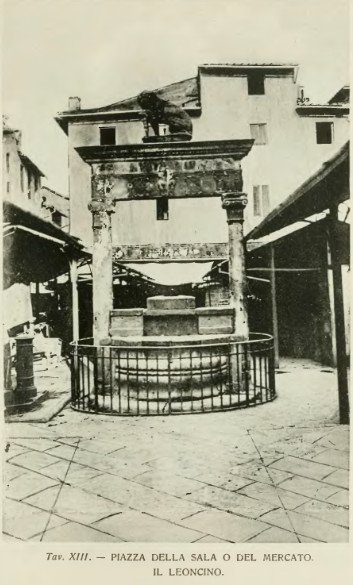
- Piazza della Sala
- Dining and Accommodation Enjoy local cuisine at nearby trattorias and pizzerias. Lodging options range from boutique hotels in the city center to accommodations in Montecatini Terme (Italy Heaven, The Crazy Tourist).
- Seasonal Events July features the Pistoia Blues Festival and Giostra dell’Orso medieval festival (Visit Pistoia), with warm summer weather—plan accordingly.
- COVID-19 Guidelines As of July 2025, most restrictions are lifted, but check local policies before attending events.
Frequently Asked Questions (FAQs)
What are PalaFermi’s visiting hours?
PalaFermi is open during event times; check the official event schedule online.
How can I purchase tickets?
Tickets are available online, at the box office, or through authorized vendors.
Is the arena accessible for wheelchair users?
Yes, with ramps, elevators, and reserved seating for visitors with disabilities.
Are masks required at events?
Check current health guidelines before attending; masks may be required for some events.
Where can I park?
Parking is available near the arena, but public transport is recommended during major events.
Discover More
PalaFermi is more than a sports arena—it is a vibrant symbol of Pistoia’s modern identity and an essential gathering place for both residents and visitors. Its role in hosting diverse events and supporting local heritage makes it a must-visit destination for anyone seeking to experience the city’s unique blend of tradition and innovation.
To make the most of your visit:
- Check event schedules and ticket availability through official websites.
- Download the Audiala app for real-time updates, ticket purchases, and personalized recommendations.
- Explore Pistoia’s historical sites and savor Tuscan cuisine for a complete cultural experience.
Stay connected by following PalaFermi and Pistoia tourism on social media for the latest news and offers.