From Prehistory to the Modern Era
Archaeological evidence places human habitation in the Matera area as far back as 400,000 years, with the Sassi themselves inhabited since roughly 7000 BCE (Hotel Belvedere; Wikipedia). Early Neolithic communities developed advanced water collection and defensive systems, establishing entrenched villages like Serra d’Alto and Murgia Timone.
Through the centuries, the Sassi attracted Greek, Roman, Lombard, Arab, and Byzantine influences. The Byzantine period (9th–11th centuries) was especially significant, spurring the construction of fortified settlements and the development of Matera’s iconic rupestrian (rock-hewn) churches (Shuttle Matera).
By the 19th century, overpopulation and poverty led to dire living conditions. The "shame of Italy" label prompted a mass evacuation in the 1950s (Sassi di Matera). From the 1980s onward, restoration efforts revitalized the Sassi, culminating in their UNESCO listing and cultural renaissance (UNESCO World Heritage Site).
Architectural and Cultural Heritage
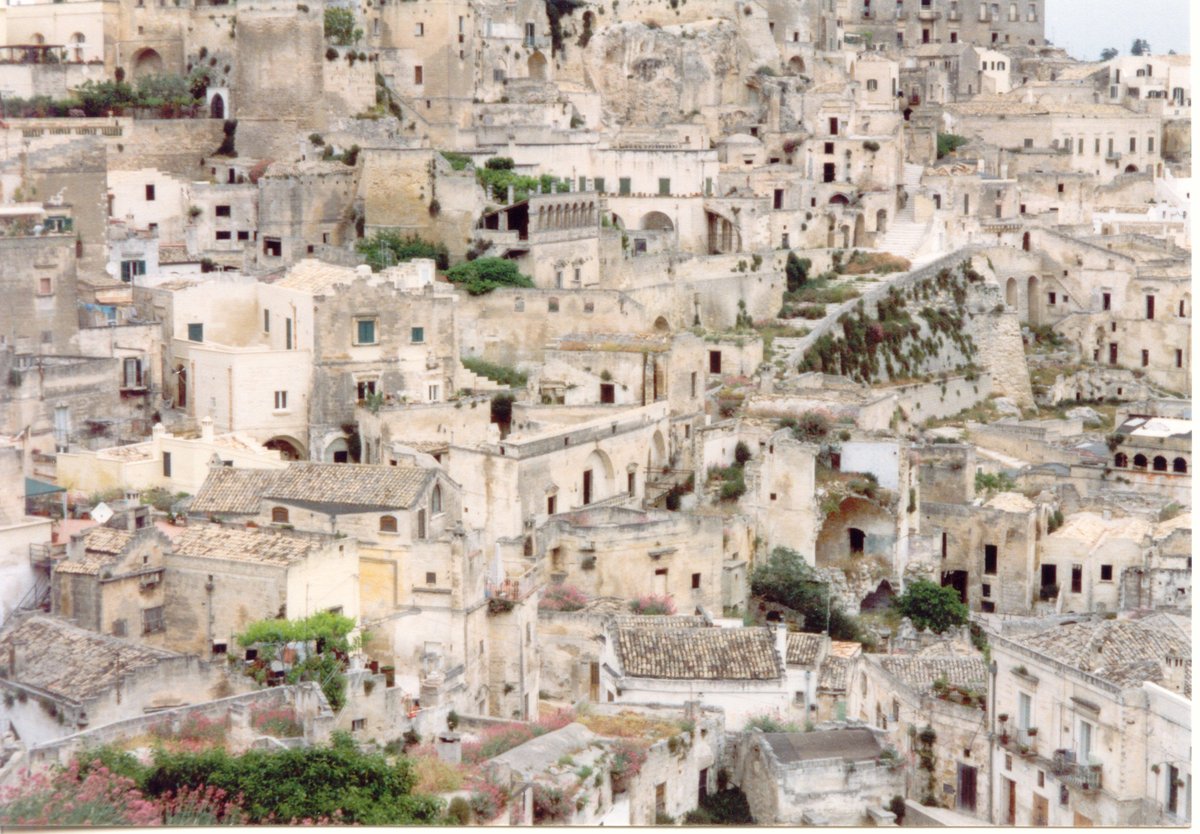
The Sassi’s urban fabric is a unique example of troglodyte architecture. Homes, cisterns, and churches are carved directly into the limestone, with rooftops doubling as streets above. The districts are home to more than 1,000 cave dwellings and over 150 rupestrian churches adorned with Byzantine and Latin frescoes (Italy Magazine).
Today, the Sassi’s transformation includes boutique hotels in ancient caves, contemporary museums, and lively restaurants, reflecting a harmonious blend of preservation and modernity (Sophisticated Travel).
Visitor Information: Visiting Hours, Tickets & Accessibility
Visiting Hours
- General Sassi Districts Open to the public at all hours; no ticket required.
- Museums & Attractions Most sites are open daily from 9:00 AM to 7:00 PM, with some closing earlier in winter or on holidays.
- Casa Grotta 9:00 AM–7:00 PM
- Palombaro Lungo Guided tours 10:00 AM–6:00 PM
- MUSMA Tuesday to Sunday, 10:00 AM–7:00 PM; closed Mondays
- Rupestrian Churches Typically 10:00 AM–7:00 PM (Oltre l’Arte Matera)
- Major holidays may affect opening hours; always check official websites before your visit.
Tickets and Entry Fees
- General Access Free to wander the Sassi districts.
- Museums & Churches Admission fees range from €3–€15; combined and all-inclusive tickets are available.
- Guided Tours Group tours from €28; private tours start at €234 (Wanderein).
- Purchase Options Tickets are available online, at museum/tourist offices, or via official tourism websites.
Accessibility
- Terrain The Sassi feature steep, uneven, and cobblestone streets; comfortable shoes are essential.
- Mobility Access is limited for visitors with mobility impairments, though some sites and tours offer accommodations.
- Transport Local buses and taxis connect the Sassi with the modern city above; tuk-tuk tours are available for main routes.
Navigating the Sassi: Layout and Atmosphere
The Sassi districts—Sasso Caveoso and Sasso Barisano—are best explored on foot. Sasso Caveoso features rustic, ancient caves evoking Matera’s earliest habitation, while Sasso Barisano combines cave homes with stone palazzi now housing boutique hotels, restaurants, and artisan shops.
- Atmosphere By day, sunlight and shadow play over the stone, revealing dramatic vistas and hidden courtyards. By night, soft golden lighting transforms the Sassi into a magical landscape, ideal for evening strolls and rooftop dining (The Weithouse).
- Local Life About 3,000 residents live in the Sassi, with many family-run accommodations and restaurants preserving traditional hospitality (Smithsonian Magazine).
Practical Tips for Visiting the Sassi di Matera
- Best Time to Visit Spring (April–June) and autumn (September–October) offer mild weather and fewer tourists.
- Length of Stay 2–3 days recommended for a full experience; day trips are possible but limit exploration.
- What to Bring Sturdy shoes, layered clothing, sun protection, and a camera.
- Booking Reserve accommodations, museum tickets, and guided tours in advance during peak season.
- Food & Shopping Savor local dishes like orecchiette, crapiata, and Matera bread; shop for ceramics and artisanal crafts (Italia Like a Local).
Nearby Attractions and Day Trips
- Parco della Murgia Materana Hiking and exploring ancient cave churches across the Gravina gorge (Greta’s Travels).
- Alberobello Famous for its trulli houses, a 1-hour drive away.
- San Giuliano Lake Birdwatching and nature excursions.
- Day Trips Explore the region by car or public transport; Matera is 1 hour from Bari Airport (Nomadis Beautiful).
Frequently Asked Questions (FAQ)
Q: Are there entrance fees for the Sassi di Matera?
A: Entry to the Sassi districts is free; museums and churches charge admission.
Q: What are the opening hours for main attractions?
A: Most operate 9:00 AM–7:00 PM, with variations—always verify online before visiting.
Q: How accessible are the Sassi for those with mobility issues?
A: The terrain is challenging; some tours and sites accommodate limited mobility. Contact visitor centers for advice.
Q: Are guided tours available?
A: Yes, with options in multiple languages. Booking ahead is recommended.
Q: When is the best time to visit?
A: Spring and autumn for pleasant weather and fewer crowds.